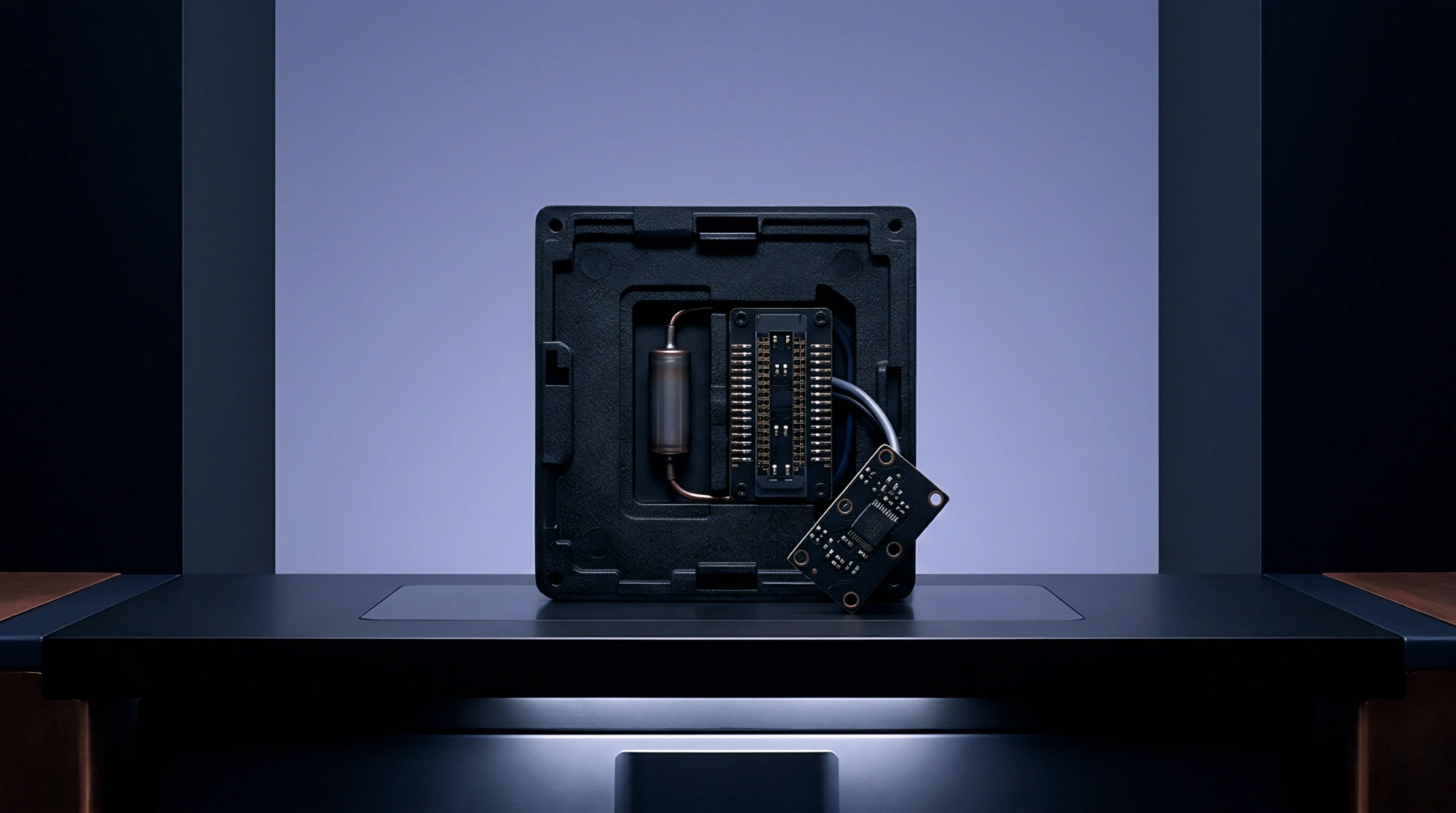
Resolving near Field Coupling and Spurious Emission Risks in High Density Host Systems
Resolving near field coupling demands tight ground via fencing, solid reference planes, shielded inductors, and continuous enclosure gasket compression.

Resolving near field coupling demands tight ground via fencing, solid reference planes, shielded inductors, and continuous enclosure gasket compression.

Parametric contract clauses allocate unannounced silicon revision risks by linking physical RF and current draw deltas directly to invoice price reductions.

Host enclosure and trace modifications alter modular transmitter emissions, making radiated evaluation and permissive change filings mandatory for market entry.

Establishing multi-region automated test jig calibration traceability requires cryptographic hardware verification, automated offset loopback paths, and strict uncertainty budget guardbanding.

Mitigate seven year eUICC fleet overages by pairing pooled dynamic tariffs with tight TCP socket controls to eliminate session rounding multiplication.

Seven year LTE-M deployment costs depend primarily on battery self-discharge rates, base station reselection energy, and technician field dispatch expenses.

Escrowing firmware source and register maps protects OEM production lines when unannounced silicon revisions break turnkey module driver compatibility.

Regional sub-GHz regulatory splits force strict hardware tradeoffs between single wideband BOMs and optimized regional RF front-end variants.

Crossborder transit calibration standards require ISO 17025 traceable metrology baselines and thermal soak verification to isolate transport drift from factory defect.
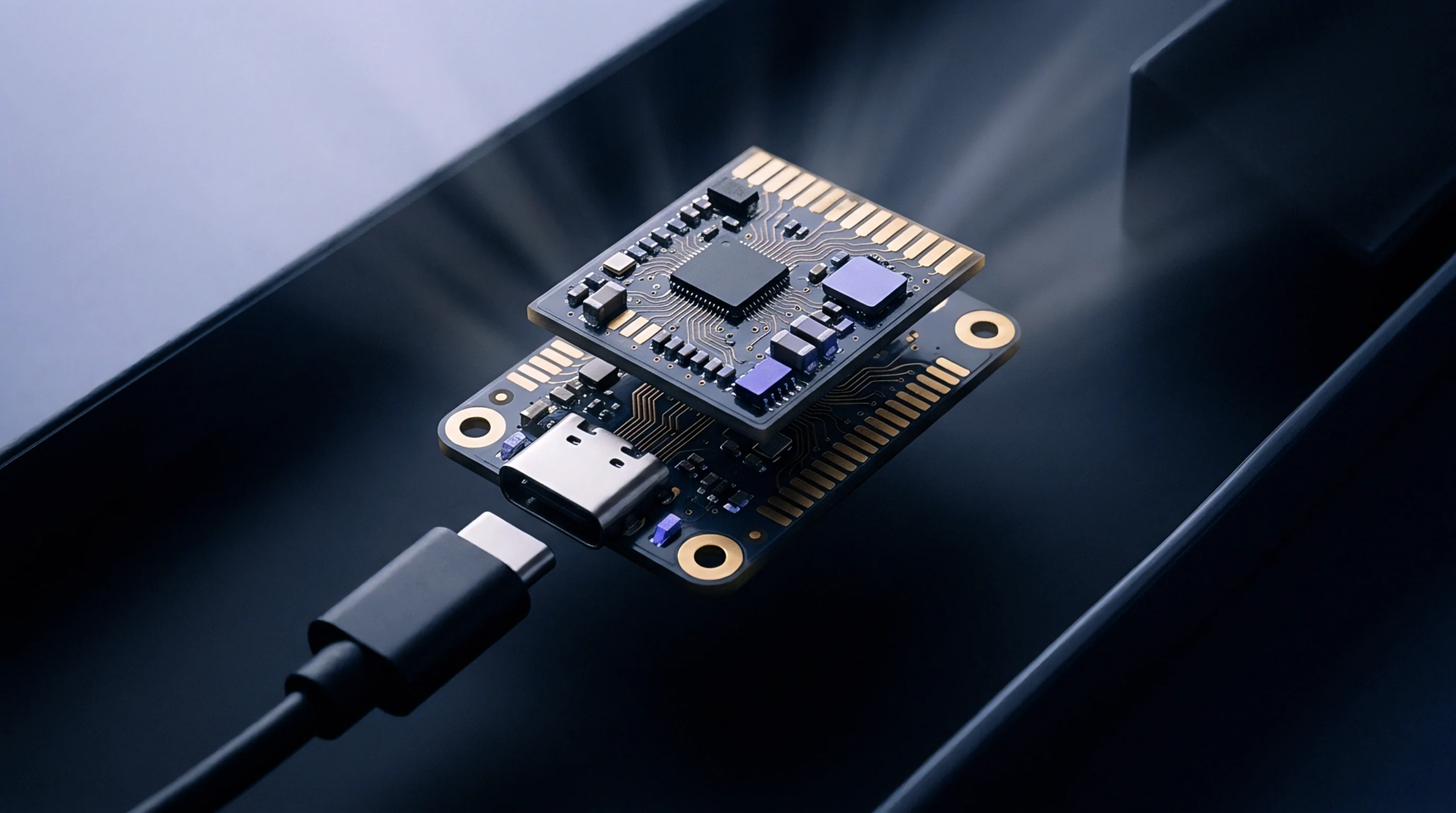
Dielectric loss tangent degradation in high-frequency fluoropolymer substrates accelerates insertion loss, reducing radiated EIRP and risking regulatory filings.

In line acoustic emission sensors detect mold cavity insert micro wear and coating spalling by filtering mechanical press noise above 100 kHz.

Glass filled polymer injection tool wear stems from fiber micro-ploughing and matrix erosion, requiring hard powder metallurgy steels or duplex PVD coatings.
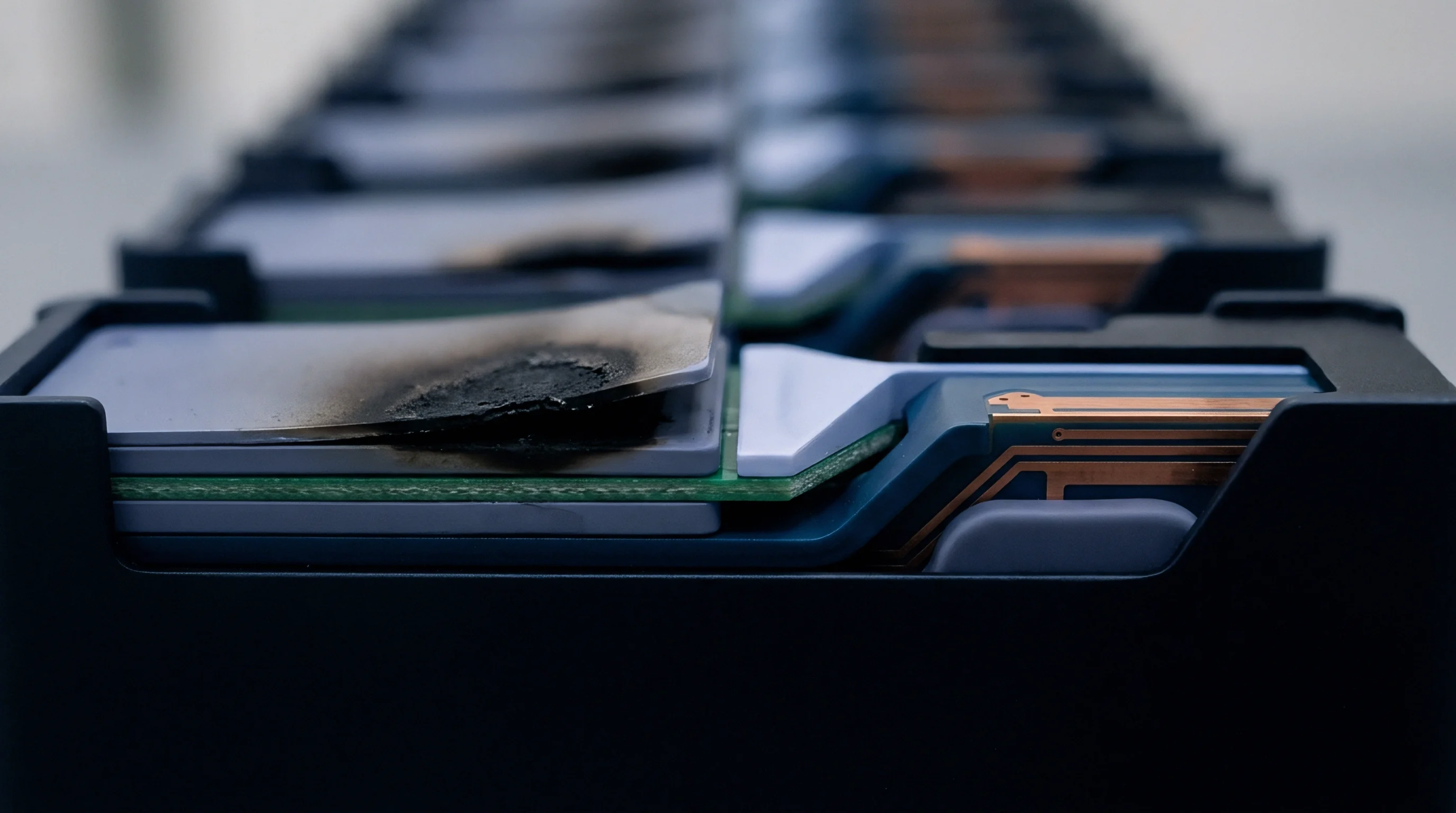
Dynamic rejoining loops drain primary lithium cells via passivation failure and brownout cycles; firmware must enforce passive orphan sleep and backoff limits.

Regulatory approval delays in Southeast Asian telecom markets erode margins through inventory holding costs, local re-testing, demurrage, and market obsolescence.
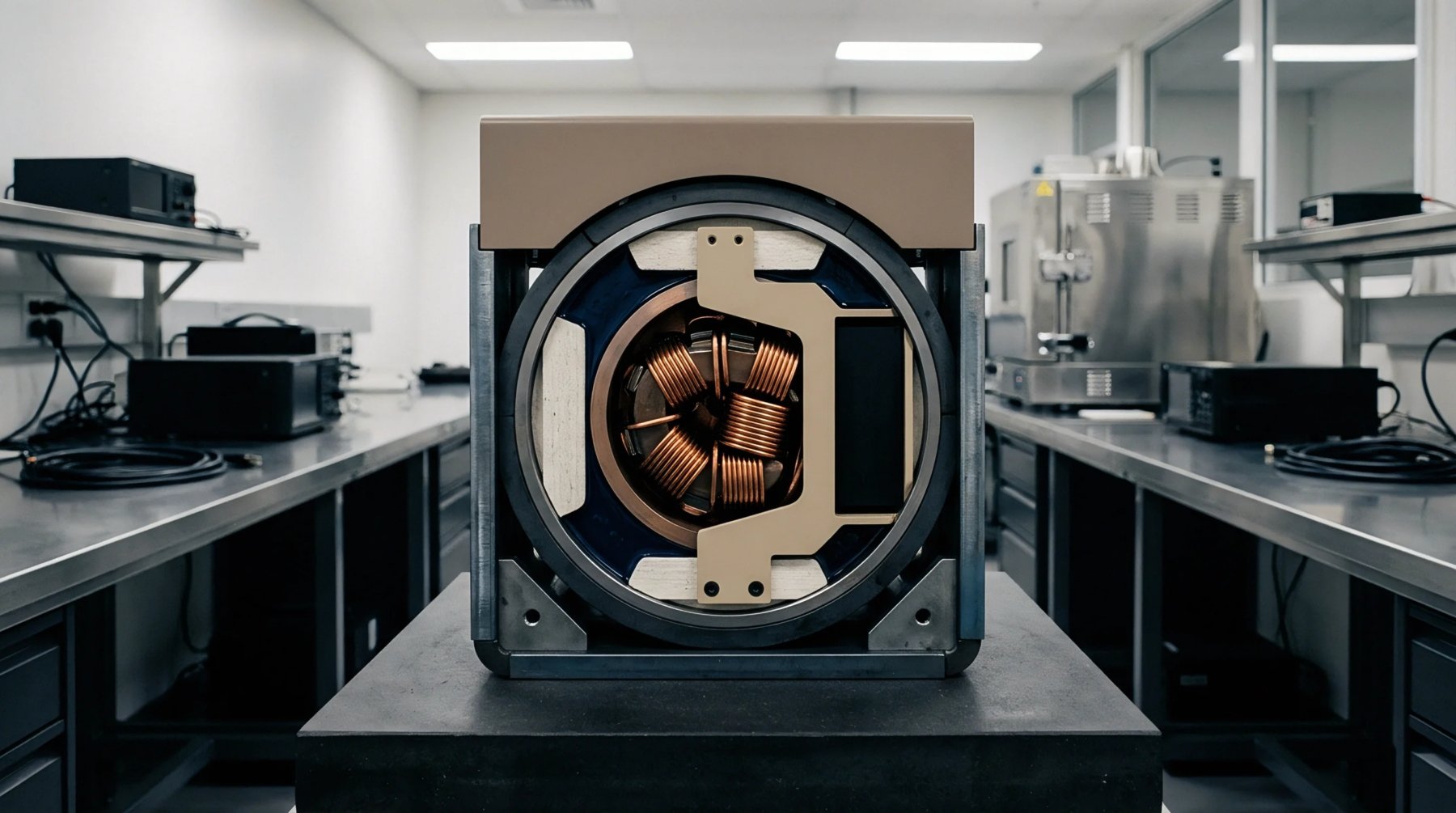
Metallic host enclosures alter RF emissions, turning module changes into Class II Permissive filings costing 6000 to 20000 USD over four to eight weeks.

Cross-border tooling custody enforcement requires emergency arbitral turnover orders backed by bilateral judicial interim protocols to bypass factory liens.

Draft engineering test requirements by binding parametric limits to specific fixture loss compensations, statistical sampling schemes, and clear failure remedies.

Sub-GHz protocols penetrate structural walls with 10 to 20 dB less attenuation than 2.4 GHz radios, securing long-range low-power indoor links.

Transfer circuit files using IPC-2581 or Gerber X2 with IPC-D-356 netlists to ensure automated CAD validation and prevent assembly errors.

Electronic labeling eliminates physical marking on the chassis only when menu paths take under four clicks and packaging carries complete transit identifiers.

Choosing between radio modules and discrete layouts balances upfront NRE fees and compliance testing against per-unit BOM costs and production volume thresholds.

Five-year battery claims require balancing microampere sleep floors, primary cell passivation derating, and protocol airtimes across 43,800 hours.
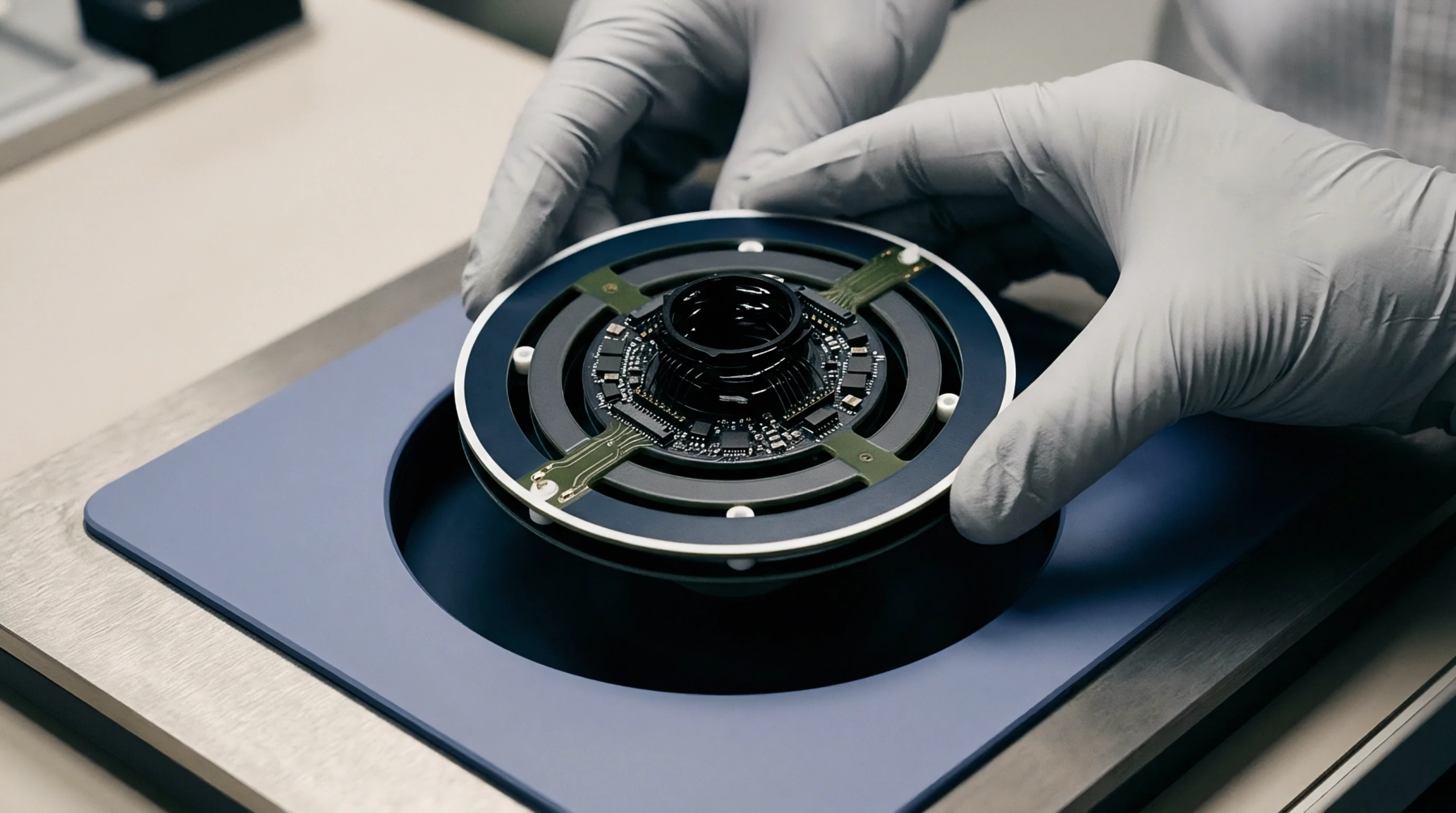
White-label products sold by competitors share baseline hardware, exposing both brands to identical silicon errata, component supply shocks, and vendor lock-in.

Real Bluetooth range requires subtracting antenna detuning, body loss, and indoor path loss exponents from marketing budgets before ordering silicon.

Valuing foreign custom tooling in arbitration requires Depreciated Replacement Cost disaggregation backed by verified shot logs and disaggregated unit price invoices.

Pre-certified FCC modular grants eliminate fundamental radio testing but require strict host trace adherence, exposure compliance, and Part 15B verification.

Cryptographic key custody requires FIPS 140-3 HSM injection, credit-metered factory proxies, and strict scrap certificate revocation.

Standardizing RF front-end pad layouts allows single-PCB hardware deployments across distinct regional sub-GHz band plans without board respins.

Dual-bank flash partitioning enables fail-safe firmware updates by isolating execution to Bank A while writing and verifying new images on Bank B before reset.

Radiated harmonic scans mandate notch filtering, spatial maximization, and rigorous cable loss compensation to prevent front-end receiver saturation and false failures.
Expertise is a utility, not a secret. sentiention™ publishes its working knowledge as open reference: intelligence layer covering the materials it sources, the markets it enters, and the reference that serves both.