Cross Border Tooling Custody Enforcement Mechanics under Foreign Arbitral Treaties
Cross-border tooling custody enforcement requires emergency arbitral turnover orders backed by bilateral judicial interim protocols to bypass factory liens.

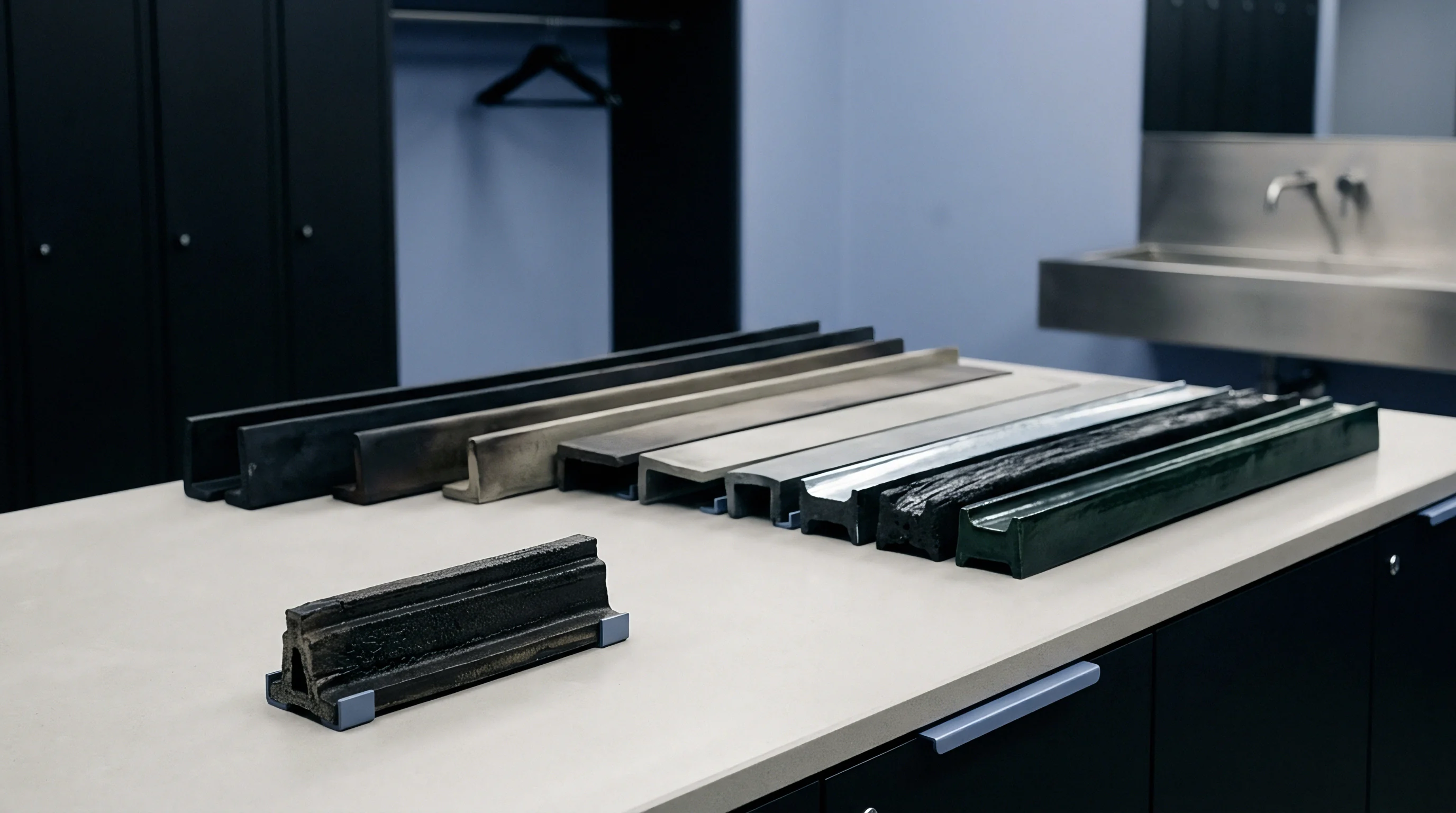
Mold
Hardened steel cavities, beryllium copper inserts, and high-tonnage progressive die sets are major capital investments that tie an OEM product line directly to a supplier’s facility. If a contract ends or commercial terms collapse, physical custody of this tooling quickly becomes a flashpoint. Contract manufacturers in low-cost regions frequently hold custom assets on the factory floor, using physical control of molds and jigs as leverage to settle disputed invoices, non-recurring engineering balances, or unamortized tooling liabilities.

Serialized Identification and Bailment Framing
Asset tags riveted directly to tool plates offer primary physical proof of ownership during inventory audits, but meaningful legal protection must be built into the master manufacturing agreement long before a dispute arises. Under standard bailment provisions, the contract manufacturer holds bare physical possession as a bailee, while the OEM retains full, unencumbered legal title to all molds, dies, fixtures, and specialized test equipment. The contract needs to state explicitly that no possessory lien, statutory pledge, or right of retention attaches to tooling over unpaid component invoices or disputed yield penalties.
Factory inventory registers have to reflect this separation. Unlabeled molds or tooling recorded on a supplier’s balance sheet introduce serious ambiguity during recovery efforts. Standard practice requires deep-engraved steel identification plates mounted to the mold base, displaying the OEM’s name, asset serial number, drawing revision, and explicit title retention text in both English and the local language.
Audit protocols should include periodic photo and video verification of these plates alongside dimensional inspection logs.
The legal title to custom production assets remains with the buyer when physical tags and local asset registries record unencumbered bailment.
Disputes frequently arise when suppliers combine OEM-owned core components with factory-owned auxiliary frames or hot-runner systems. Establishing clear ownership boundaries in the bill of materials before assembly prevents confusion later, which means the tooling specification schedule must break down every component to the cavity insert level.

Possessory Liens Vs Title Retention Mechanics
Foreign contract manufacturers frequently invoke local statutory rights to lock plant gates when commercial terms collapse. Under possessory lien regimes in many civil law jurisdictions, a party that performs work on a physical item has a legal right to withhold it until work charges are paid in full. Any contractual waiver of these liens must align precisely with municipal commercial codes to hold up during a lockout.
Defeating a possessory lien requires contract provisions that strictly separate tooling payments from component manufacturing invoices. When tooling is fully paid for as a non-recurring engineering item, the factory loses its legal ground to assert a lien over unpaid component shipments ~ a critical distinction when court filings stall and factory shutdowns begin burning through safety stock.
- Unregistered Asset Plates lead municipal enforcement officers to reject ownership claims during factory visits. Missing serial plates give the factory room to claim ownership of the steel base.
- Unsettled Amortization Clauses fold tooling costs into component piece prices, giving suppliers a legal basis to claim unpaid asset debt. Amortized tooling agreements carry far higher retention risk if a contract is canceled.
- Co-Mingled CAD Modifications allow suppliers to assert joint intellectual property rights over mold cavities. Engineering changes made by factory technicians without written transfer waivers complicate title claims.
- Missing Inspection Logbooks leave buyers unable to prove the working condition of retrieved assets, making it harder to hold factories accountable if cavity inserts are damaged prior to physical seizure.
Custom tooling modified for factory automation frequently cannot operate on third-party equipment without significant rework.


Accord
International arbitration frameworks offer a legal mechanism for enforcing non-monetary relief across borders. When a foreign contract manufacturer refuses to surrender physical assets, litigation in local courts often runs into local protectionism, procedural delays, and jurisdictional hurdles. Arbitral awards requiring the return of specific assets provide a clearer enforcement path through established treaty structures.

Convention Mechanics for Specific Performance
Article I of the 1958 New York Convention gives binding legal force to foreign arbitral orders across 172 contracting states. Although tribunals usually award monetary damages for breach of contract, awards granting specific performance ~ such as ordering the physical turnover of tooling ~ are fully enforceable under the treaty. Enforcement courts in the supplier’s home jurisdiction must recognize and execute these awards, subject only to the narrow defenses set out in Article V.
Article V defenses are limited to procedural defects, lack of proper notice, invalid arbitration agreements, or decisions that exceed the tribunal’s scope. Public policy arguments rarely defeat straightforward property turnover orders, but securing a final arbitral award through full proceedings can take twelve to twenty-four months ~ time during which production lines stay frozen.
To speed up recovery, buyers often turn to emergency arbitration provisions in modern institutional rules. These frameworks allow an emergency arbitrator to issue interim property protection orders within eight to fourteen days of filing.

Tribunal Selection and Enforcement Timelines
The choice of arbitration seat directly determines how fast emergency asset recovery can move. Offshore seats like Singapore (SIAC), Hong Kong (HKIAC), and Paris (ICC) feature emergency procedures that can issue binding interim turnover orders before the main tribunal is even formed. Enforcing these interim orders, however, depends heavily on judicial assistance treaties between the arbitral seat and the jurisdiction where the factory is located.
| Arbitral Institution | Emergency Arbitrator Lead Time | Interim Order Binding Status | PRC Judicial Recognition Protocol | Average Enforcement Duration |
|---|---|---|---|---|
| Singapore International Arbitration Centre (SIAC) | 7 to 10 days | Enforceable as court order | Direct judicial assistance framework | 3 to 6 months |
| Hong Kong International Arbitration Centre (HKIAC) | 8 to 12 days | Enforceable as court order | Bilateral Arrangement on Interim Measures | 2 to 4 months |
| International Chamber of Commerce (ICC Paris) | 10 to 14 days | Binding contract obligation | New York Convention exequatur pass | 4 to 8 months |
| China International Economic and Trade (CIETAC) | 10 to 15 days | Direct court application | Internal domestic court transmission | 1 to 3 months |
Bilateral judicial assistance arrangements streamline this process considerably. The Hong Kong ~ Mainland China Arrangement on Interim Measures allows parties in HKIAC arbitrations to apply directly to Mainland Chinese Intermediate People’s Courts for asset preservation orders against tooling in mainland facilities, bypassing the delay of waiting for a final arbitral award.
Including Model Clause B-17 in the master agreement commits both parties to accept immediate ex parte judicial assistance in support of emergency arbitral orders.


Writ
Interim judicial measures act as essential bridge mechanisms while main arbitral proceedings unfold. Because arbitral tribunals lack enforcement officers to enter factory floors, securing court-issued injunctive writs is necessary to physically repossess assets. Modern arbitration statutes empower local civil courts to issue preliminary attachment orders based directly on interim arbitral directives.
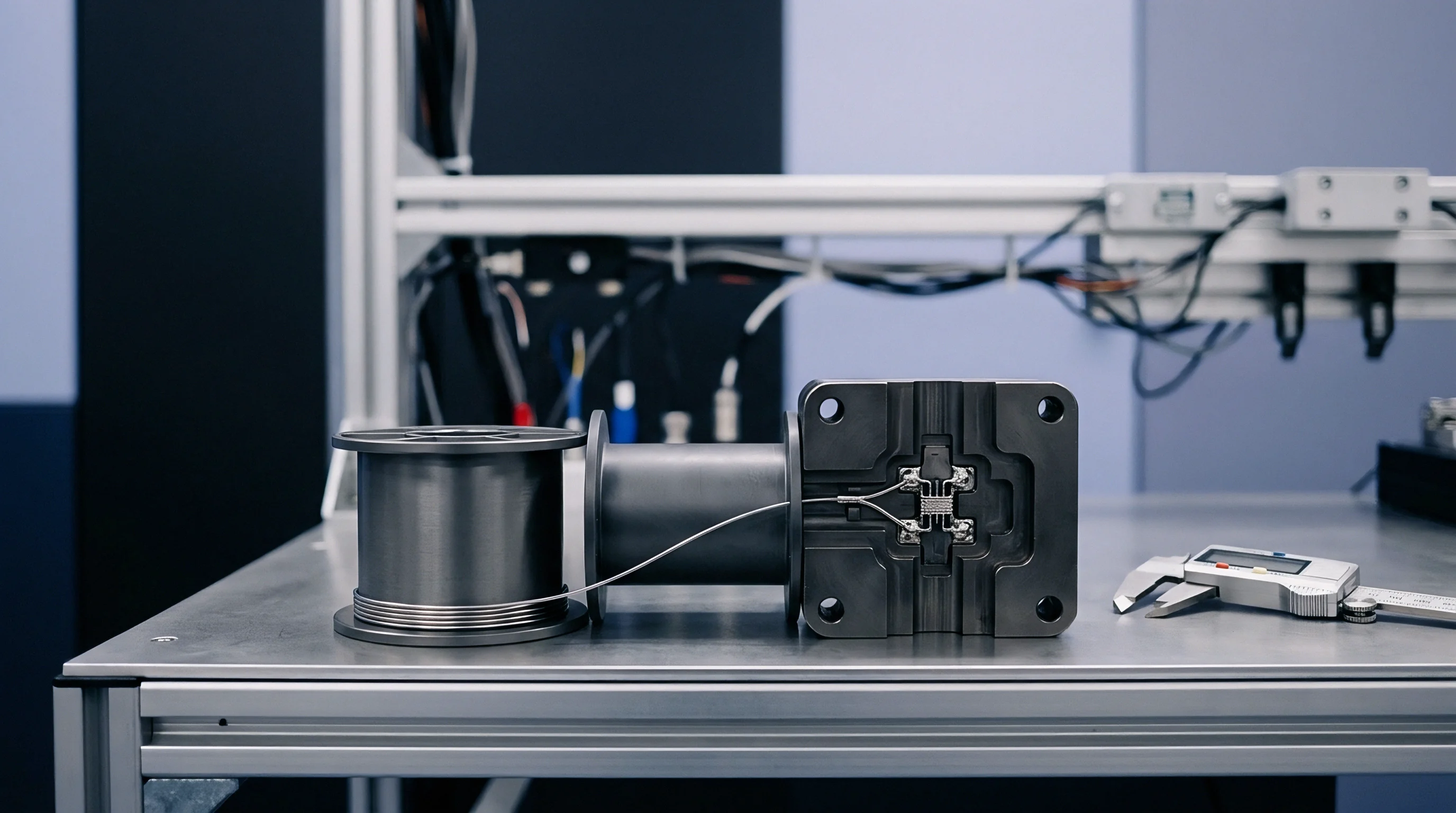
Which Arbitral Rules Support Pre Award Tooling Restraint?
Institutional rules updated under the UNCITRAL revisions give emergency arbitrators a clear mandate to issue preliminary property protection orders. Article 17 of the UNCITRAL Model Law empowers tribunals to require a party to preserve assets, maintain the status quo, or prevent actions that could harm the arbitral process ~ including explicitly prohibiting a contract manufacturer from moving, modifying, or running custom injection molds during a dispute.
Securing an interim restraint order requires proving two elements: an immediate threat of irreparable harm and a reasonable probability of success on the merits of the title claim. Production line shutdowns, defaulted customer contracts, and lost market share caused by withheld tooling regularly satisfy the irreparable harm standard in major arbitration centers.
Interim arbitral turnover orders carry binding legal force when backed by emergency tribunal mandates under UNCITRAL Model Law rules.
When suppliers facing turnover orders claim that tooling contains proprietary modifications, tribunals typically appoint independent technical experts to inspect the equipment on site and delineate ownership boundaries.

Emergency Arbitrator Mandates and Interim Property Turnover
Securing an interim injunction against an uncooperative factory hinges on demonstrating immediate risk of irreparable operational damage. Emergency arbitrators review evidence such as asset registration logs, engineering drawings, proof of full non-recurring engineering payments, and formal pre-filing demand letters. If satisfied, the arbitrator issues an order compelling the factory to allow immediate inspection and removal of the designated equipment.
- Submit the emergency arbitration application along with proof of full tooling payment and the executed bailment agreement.
- Secure emergency arbitrator appointment, typically within twenty-four hours of fee confirmation by the institution.
- Present technical evidence of proprietary mold cavity designs and immediate line-down risks at the emergency hearing.
- Obtain an emergency interim award granting specific performance and immediate physical turnover of the designated tooling.
- File a petition for judicial recognition and an execution writ in the intermediate civil court with jurisdiction over the factory site.
Ex parte applications, filed without advance notice to the factory, are critical when there is a real risk that tooling will be hidden or damaged. While arbitral tribunals seldom issue ex parte orders without giving notice, local courts in supporting jurisdictions can issue temporary ex parte preservation freezes once presented with an emergency arbitrator certificate.
It remains uncertain how widely municipal courts will expand ex parte recognition to emergency turnover decrees before a full tribunal is formally constituted.
Injunction
Arbitral awards ordering physical asset delivery still face procedural hurdles in foreign municipal courts. Winning an arbitration seated in London or Singapore establishes legal right, but physical retrieval requires converting that foreign award into a local execution writ. Local judges must examine the award, confirm compliance with domestic civil procedure rules, and issue formal instructions to court bailiffs.

Local Court Exequatur and Judicial Conversion
Foreign arbitral decrees cannot directly command local law enforcement officers without judicial recognition. The exequatur process involves petitioning the intermediate civil court where the factory is located, accompanied by certified translations of the arbitration clause, the master supply agreement, and the arbitral award. Courts review the filing under New York Convention criteria to verify that no jurisdictional or public policy defects invalidate the ruling.
Conversion timelines vary significantly by jurisdiction. Chinese Intermediate People’s Courts typically complete recognition reviews for foreign awards in three to six months, while civil courts in Vietnam or Mexico often take nine to twelve months due to procedural appeals and formal service requirements. Depending on the jurisdiction, court fees for exequatur proceedings are assessed either as a percentage of the tooling value or as fixed filing fees.
| Jurisdiction | Primary Civil Procedure Code | Exequatur Court Level | Average Recognition Lead Time | Local Enforcement Agent |
|---|---|---|---|---|
| China (PRC) | PRC Civil Procedure Law Art. 290 | Intermediate People’s Court | 3 to 6 months | People’s Court Judicial Executive Officers |
| Vietnam | Civil Procedure Code Chapter XXXV | Provincial People’s Court | 6 to 12 months | Department of Civil Judgment Enforcement |
| Mexico | Commerce Code Art. 1461 | District Civil Court (Juez de Distrito) | 4 to 9 months | Court Executing Judicial Bailiff (Actuario) |
| Poland | Code of Civil Procedure Art. 1212 | Regional Court (Sąd Okręgowy) | 2 to 4 months | Court Bailiff (Komornik Sądowy) |
When foreign bailments face local liens, court bailiffs enforce physical possession only within the strict boundaries of local law, often creating significant operational friction that stalls production transfers.
Jurisdictional Execution in Primary Sourcing Hubs
Civil courts in China, Vietnam, Mexico, and Poland follow noticeably different standards when executing asset turnover decrees. In China, enforcement of foreign awards falls under the Supreme People’s Court centralized reporting system, which prevents lower courts from refusing enforcement without prior approval from a higher judicial level. This centralized review helps curb regional protectionism when foreign buyers move to repossess tooling from local suppliers.
In Mexico, executing a foreign award involves commercial code procedures that are often complicated by amparo appeals from factory owners alleging constitutional violations. Buyers usually have to post counter-bonds to keep asset seizure writs active while those challenges are reviewed.
Bilateral court arrangements enable rapid asset attachment before foreign contract manufacturers relocate or dismantle production tooling.
Attempting to remove tooling without prior local court recognition can trigger immediate criminal conversion countersuits and customs seizures.

Levy
Executing a court-ordered asset seizure on an active factory floor requires tight logistical planning and security coordination. Once the local court issues an execution writ, bailiffs enter the facility to take possession of the designated molds, dies, and assembly jigs. Physical removal must happen quickly before factory staff can disable the tooling or hide high-value cavity components.

Physical Repossession and Logistics Management
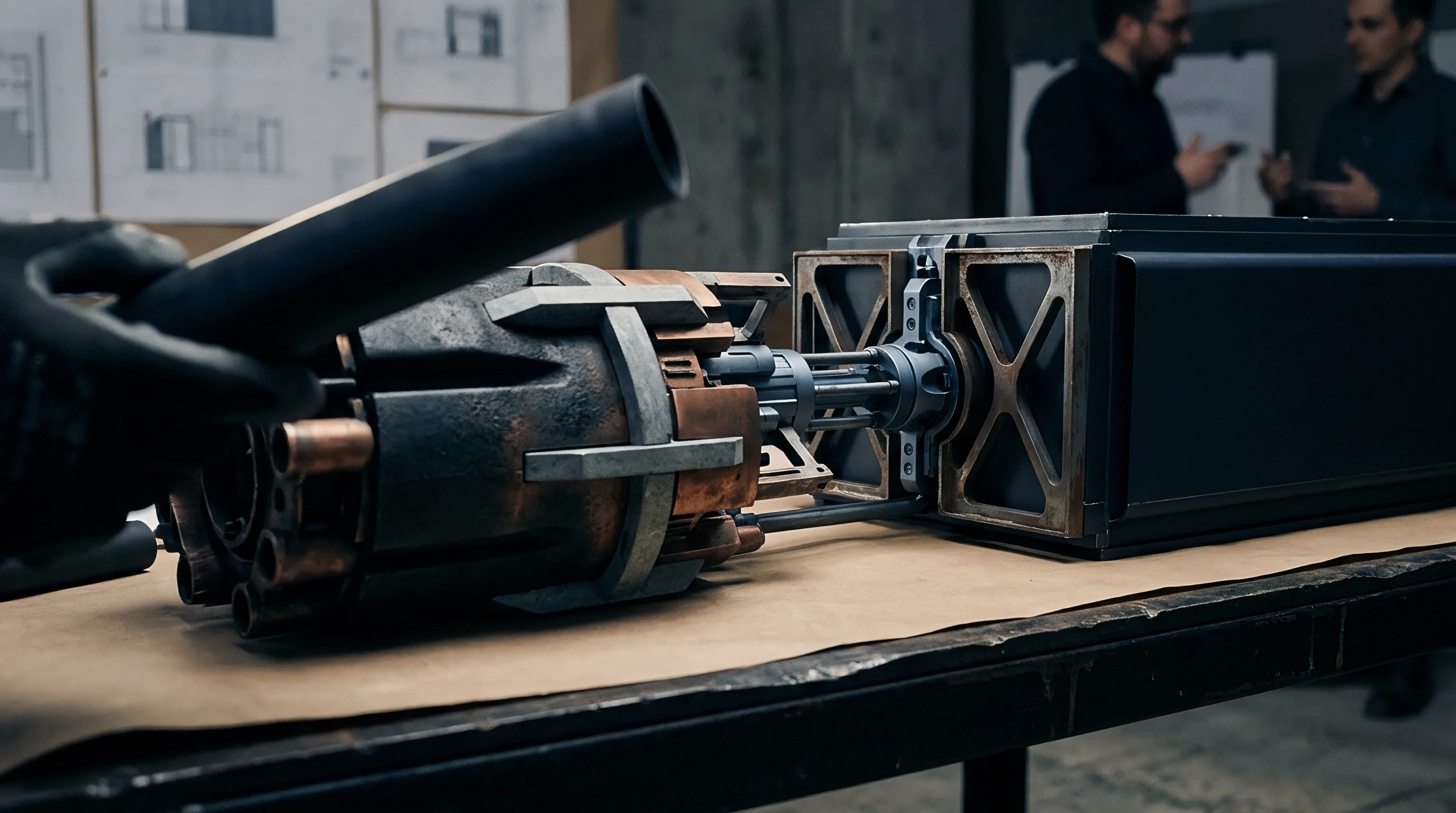
Bailiffs and heavy haulage contractors enter the factory under explicit judicial warrants. Specialized rigging technicians must accompany the enforcement team to safely inspect, dismount, and crate multi-ton molds. Standard protocol calls for bringing custom transport frames, crane trucks, and heavy-duty forklifts capable of handling assets weighing up to forty metric tons.
Factories frequently assert that custom molds are welded to machine platens or integrated into plant utilities. Qualified rigging engineers evaluate these connections on site, disconnect hydraulic lines, and unbolt tie-rods without damaging precision mounting plates. On-site inspection logs document the tool’s exact condition at the moment of transfer.
- Judicial Seizure Order Verification requires confirming court seals, serial numbers, and factory coordinates listed on the execution writ.
- Heavy Haulage Rigging Logistics involves pre-booking crane trucks, specialized rigging crews, and reinforced transport crates for high-tonnage mold bases.
- On-Site Technical Inspection Protocol requires an independent mold maker to verify cavity condition, core pin integrity, and cooling line flow before equipment is loaded.
- Customs Export Permit Pre-Clearance involves checking export control codes, asset valuations, and original import entries with local brokers before moving tools off-site.
Ground transport should move retrieved tools directly to neutral, secure warehouses or export staging zones under continuous escort.

Export Clearance and Customs Asset Drift
Moving recovered tooling across national borders introduces distinct customs and tax hurdles. Foreign customs authorities often flag repossessed equipment as unauthorized capital exports if original import records are missing. If molds entered the country under temporary import regimes for processing trade, exporting them requires formally closing out customs handbooks and settling any outstanding tariffs or VAT liabilities.
Customs holds can stall secondary production lines for months. Clearing port authorities requires presenting export release permits alongside original entry records, machinery inspection certificates, and court execution orders.
- Original Customs Entry Documentation including import declarations and temporary import bond receipts proving initial lawful entry into the host country.
- Certified Court Execution Decrees translated into the local language, validating the legal transfer of possession from factory to buyer.
- Commercial Valuation Certificates prepared by licensed appraisers to establish realistic depreciated values for export duty calculations.
- Export Control Declaration Forms certifying that specialized alloys or mold designs comply with international trade restrictions.
| Enforcement Phase | Cost Driver / Service Element | Typical Cost Range (USD) | Primary Financial Risk Factor |
|---|---|---|---|
| Emergency Arbitration | Institutional filing fees, emergency arbitrator retainer, legal counsel | $45,000 to $95,000 | Unenforceable interim order due to procedural notice errors |
| Exequatur & Legal Conversion | Local court fees, certified translations, local litigation counsel | $20,000 to $50,000 | Extended judicial review delays in local intermediate courts |
| Physical Seizure Operations | Bailiff fees, police escorts, heavy rigging, crane trucks, transport security | $15,000 to $40,000 | Factory physical blockades requiring expanded law enforcement support |
| Customs & Export Clearance | Unpaid import VAT settlement, customs broker fees, port storage tariffs | $10,000 to $35,000 | Customs holds due to missing historical import entry declarations |
A successful recovery often comes down to securing export release paperwork before bailiffs step onto the factory floor.


Bond
Contractual planning reduces the need to rely on post-dispute court enforcement abroad. While international arbitration offers strong legal backing, building proactive safeguards into agreements helps maintain production continuity even if physical tooling is trapped in an uncooperative factory. Dual-sourcing strategies and digital escrows provide the redundancy needed to neutralize supplier leverage.

CAD Surfacing Escrow and Re-Tooling Offsets
Depositing master 3D CAD files and CNC toolpaths with a neutral third-party escrow agent protects operational continuity. Contract manufacturers often withhold digital design files along with physical molds, claiming joint ownership of mold-flow analysis, cooling channel layouts, or electrode files. Escrow agreements should require regular updates of fully surfaced STEP files, electrode G-code, assembly drawings, and parameter setup sheets whenever a tool is modified.
Maintaining direct ownership of digital files allows secondary shops to begin block machining within forty-eight hours of escrow release ~ which should trigger automatically upon notice of a commercial dispute or contract termination. Having clear digital escrow terms prevents long court delays from paralyzing production when standard contracts lack immediate physical seizure options.
Re-tooling typically takes eight to sixteen weeks, but having complete, up-to-date digital files cuts secondary bring-up schedules by up to forty percent by eliminating reverse-engineering and scanning stages.

Financial Guarantees and Liquidated Retention Damages
Standby letters of credit issued by commercial banks give buyers financial leverage over uncooperative suppliers. Master agreements can require factories to post irrevocable standby letters of credit or performance bonds payable if they fail to surrender OEM tooling within five days of a written demand. The terms should allow the buyer to draw funds immediately by presenting a unilateral statement of tool detention along with a copy of the termination notice.
Liquidated damages clauses impose explicit daily penalties for unauthorized tool detention. Structuring these charges as pre-agreed liquidated damages rather than punitive fines keeps them enforceable in civil law jurisdictions. Daily penalties of five thousand to fifteen thousand dollars create immediate balance-sheet pressure on the supplier, counteracting whatever commercial leverage they hoped to gain by holding physical assets.
Irrevocable standby letters of credit create immediate financial offsets against trapped manufacturing assets before court enforcement begins.
Combining dual-sourcing strategies with structured financial collateral mitigates single-factory risk long before disputes occur.