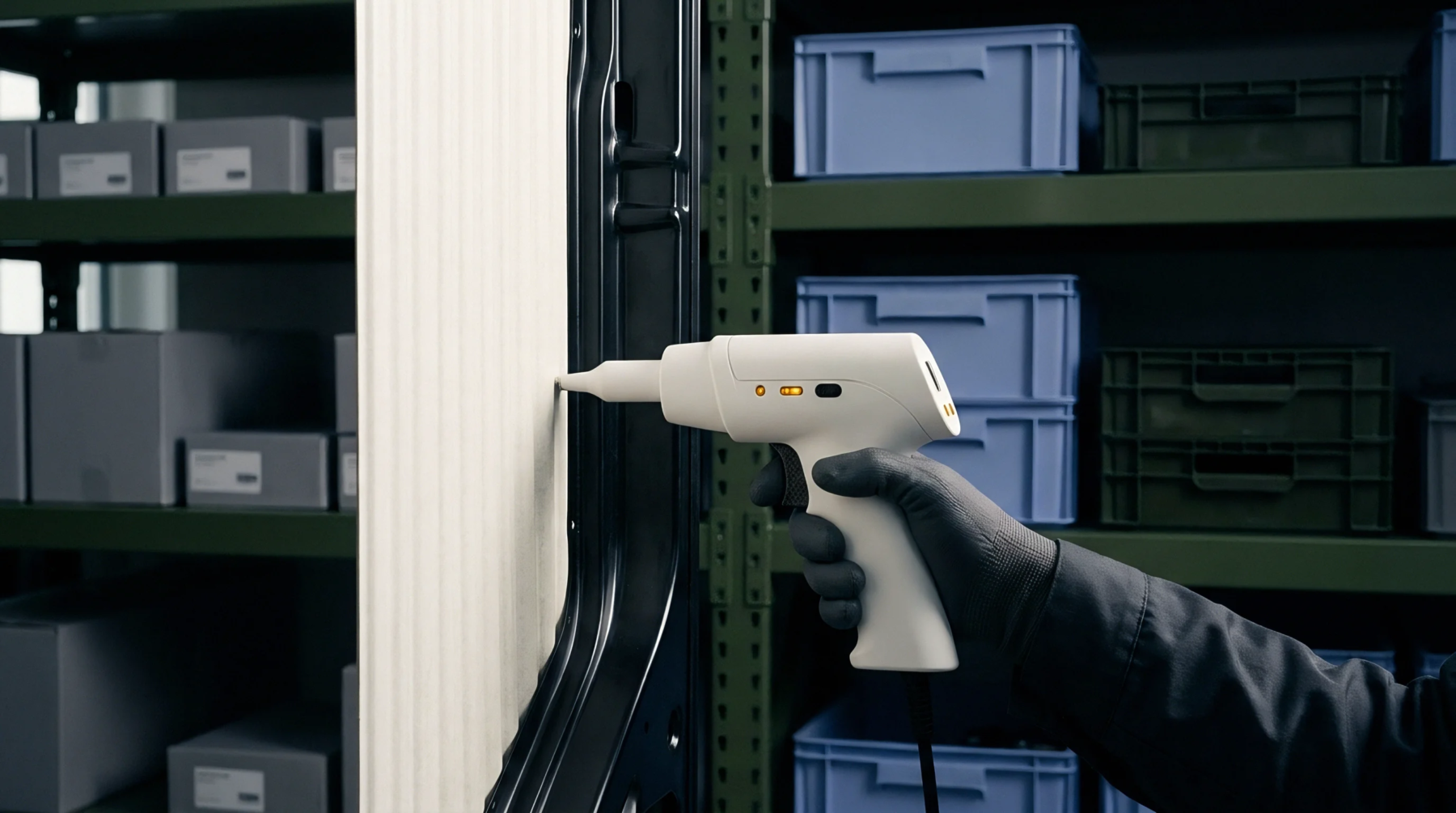
Calculating Total Exposure Ratios for Co Located Transmitters in Handheld Equipment
Multi-radio handheld exposure compliance requires summing normalized SAR values across concurrent transmitters to verify the total exposure ratio stays below unity.

Multi-radio handheld exposure compliance requires summing normalized SAR values across concurrent transmitters to verify the total exposure ratio stays below unity.

Commercial recovery for post-production hardware rework in multi-source supply chains hinges on contractual root-cause attribution and automated debit offsets.

Post-production change control requires frozen revision baselines, strict PCN risk classification, delta testing, and explicit contractual cost allocation.

Simultaneous transmission SAR evaluation demands spatial ratio summation, proximity sensor backoff calibration, and time-averaged power tracking across radios.

Intermediate host integration requires Class II Permissive Changes when antenna gain, trace layout, or RF exposure separation distances change from original grant conditions.
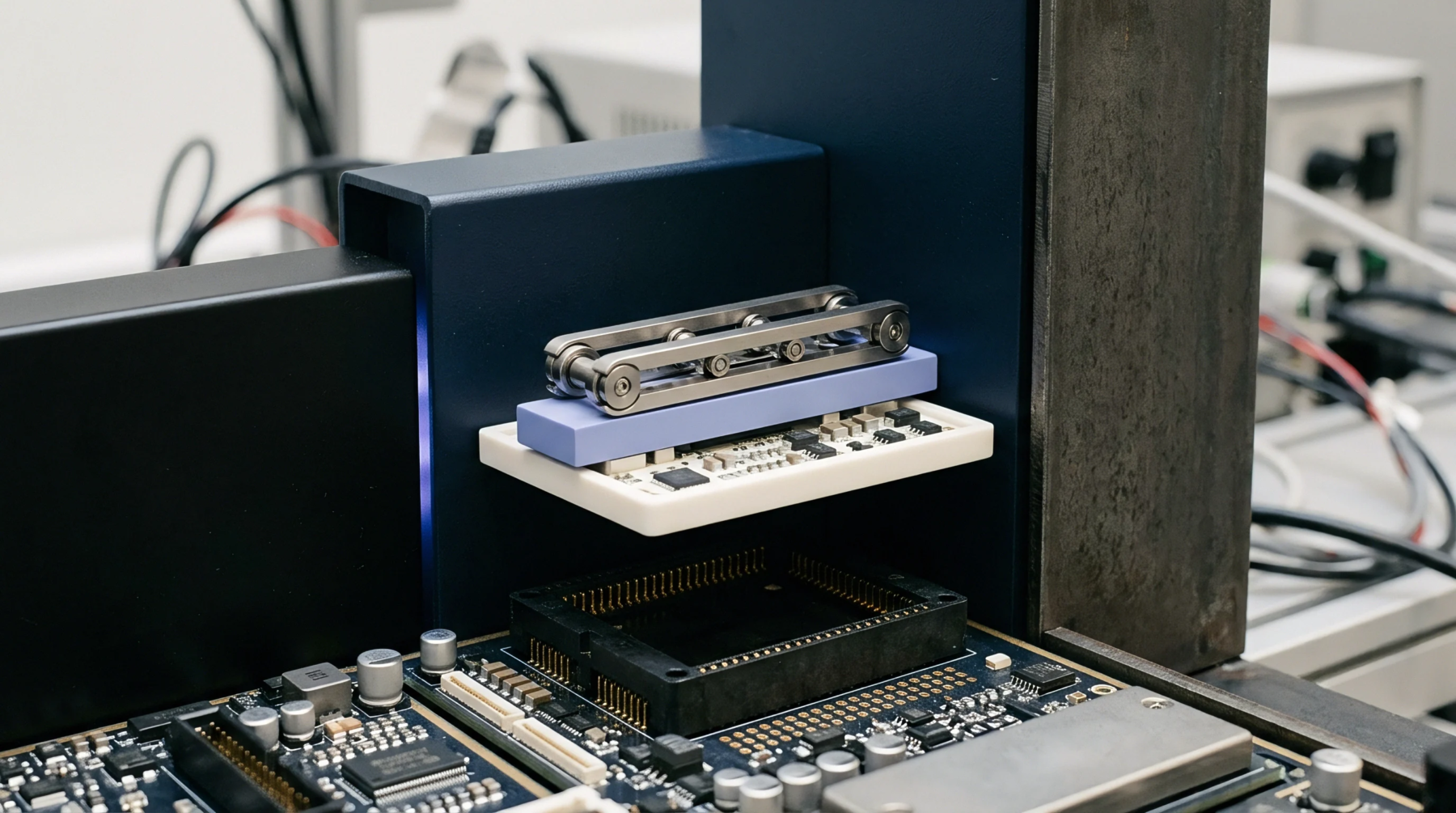
Contact oxide growth adds up to 3 dB insertion loss in RF interconnects, degrading link margin and driving retransmissions unless wiping force exceeds 0.3 N.

RRA compliance demands exact technical track matching, accredited RF and EMC testing, local representative holdings, and correct KC mark layout.

Initial contact resistance degradation in RF test sockets increases insertion loss and alters impedance matching, requiring dry-circuit Kelvin monitoring.

Structure injection tooling contracts to include entire mold frames, register asset bailment titles, and define exact buyout schedules before production.

Cross-border white-label radio sourcing requires contractually binding Class II Permissive Change filing rights and strict regulatory indemnity provisions.

Persisting polynomial thermal compensations in non-volatile registers maintains multi-year radio synchronization without exceeding low-power current limits.

Establishing hardware and firmware transfer rights demands uncompiled source code, raw layout schematics, build containers, and verified test fixtures.

Decoupling firmware drivers via abstraction layers eliminates register-level vendor lock-in during secondary hardware design transfers.

Microsecond voltage fall rates above 5 V/µs bypass brownout monitors, corrupting RAM session keys and triggering costly network re-joins.

Sizing holdup capacitors for sub-GHz flash writes requires matching peak radio current and erase energy against cold-temperature capacitor ESR drops.

Technical module switching costs combine PCB re-layout fees, firmware driver abstraction labor, regulatory re-testing, and factory test jig updates.

Hardware brownout comparators for sub-GHz transceivers demand sub-microsecond response times and precise trip levels to prevent power amplifier voltage sags.

Grantee authorization letters legally permit host integrators to reuse module test data, preventing expensive re-testing and customs import rejections.
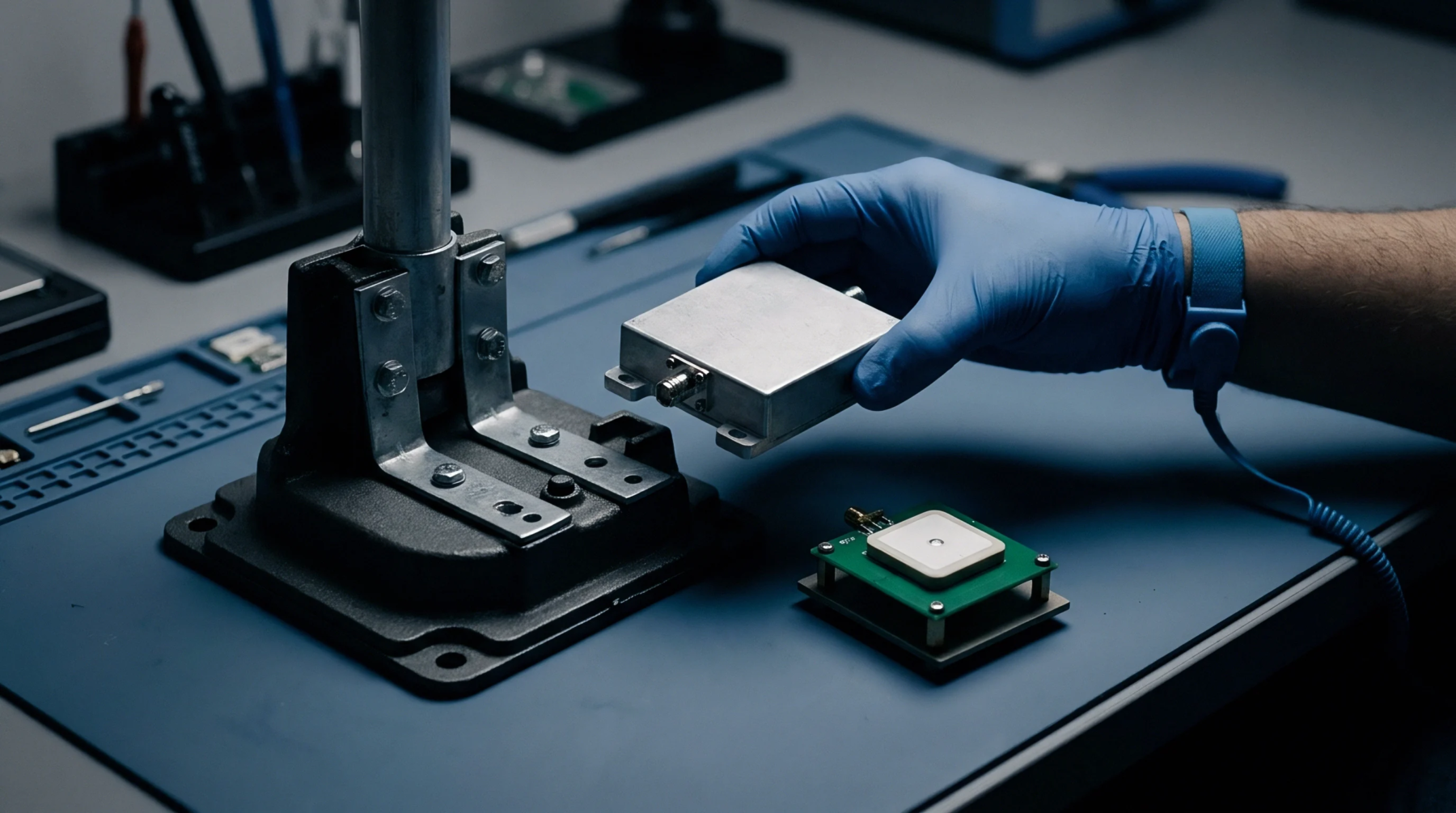
Section 2933 filings transfer FCC equipment authorization to a new grantee code without retesting, provided hardware and circuitry remain unchanged.

Resolving multi-radio intermodulation spur failures requires board-level filtering, 20 dB antenna isolation, and verified Class II permissive change filings.

Polymeric enclosure dielectric constant shifts alter near-field coupling and aperture resonance, detuning antennas and pushing radiated spurious emission harmonics across regulatory pass limits.

Administrative ownership disputes for radio approvals resolve without laboratory re-testing by leveraging factory test data rights and regulatory agency transfer deeds.

Effective module sourcing requires explicit contractual boundaries defining design dossier ownership, firmware source access, and clear NRE amortization terms.

Foreign radio manufacturers avoid South Korean customs lockouts by filing RRA conformity applications under their own corporate name rather than a distributor.

Host integration of approved radio modules requires strict permissive change assessment and tailored dossier compilation to preserve regulatory market access.

Dynamic sensor phase alignment drift stems from combined optical path flexure and clock latency during high-speed trajectories, demanding hardware-level synchronization.

Post-transit multi-axis kinematic re-mapping corrects structural settling and shock displacement to restore five-axis spatial accuracy to sub-ten-micron limits.

Minimizing loop inductance in fine-pitch layouts requires microvia-in-pad placement, thin dielectric cores under 50 µm, and tight power-ground via coupling.
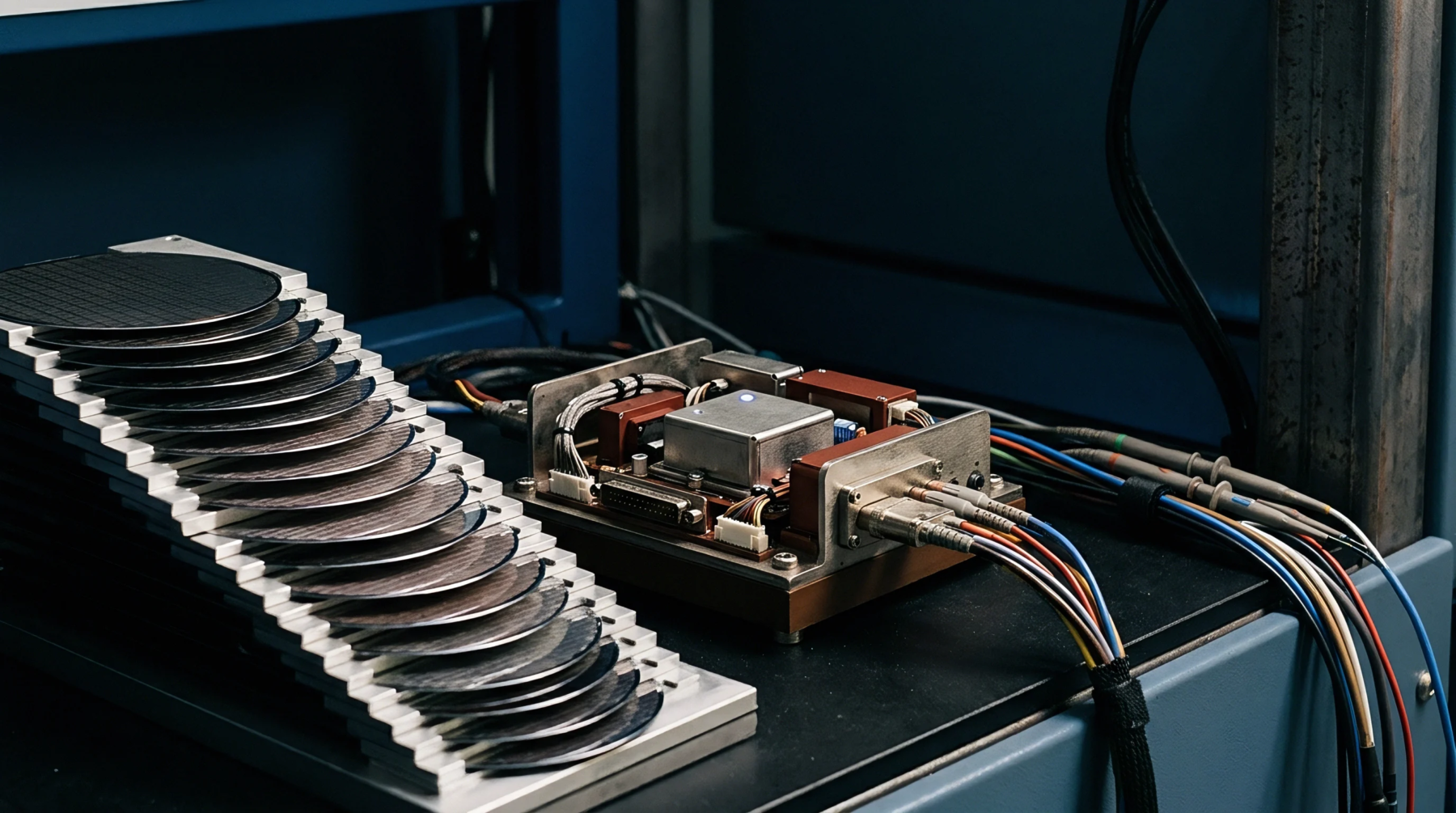
Dielectric breakdown modeling on trap rich silicon requires temperature adjusted voltage acceleration factors to prevent early RF switch gate oxide failure.
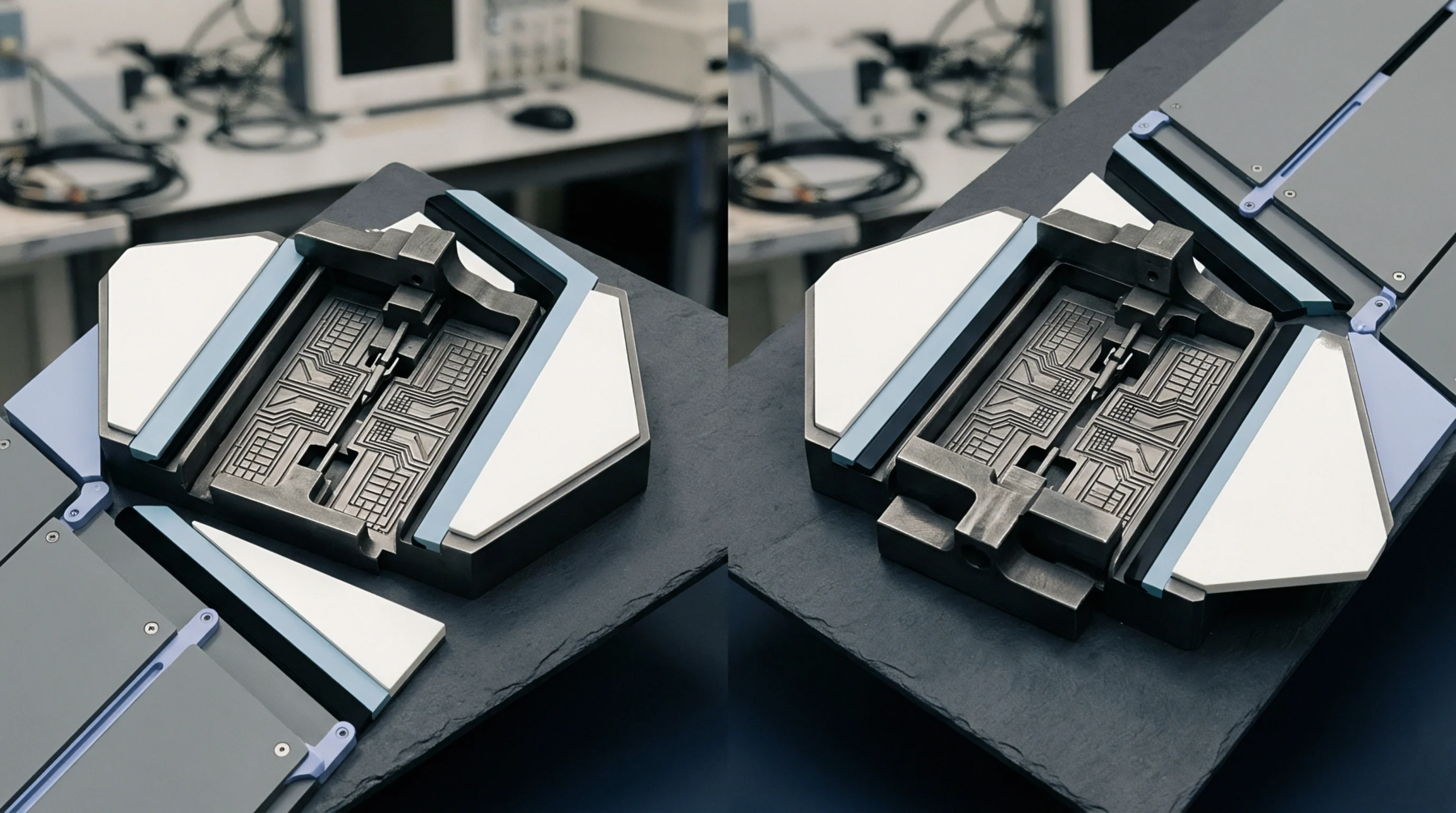
Substrate moisture absorption increases dielectric loss tangent, raising RF interconnect insertion loss and reducing long-term wireless link margins.
Expertise is a utility, not a secret. sentiention™ publishes its working knowledge as open reference: intelligence layer covering the materials it sources, the markets it enters, and the reference that serves both.