Managing Tooling Extraction Clauses and Mold Base Retention in Contract Manufacturing
Structure injection tooling contracts to include entire mold frames, register asset bailment titles, and define exact buyout schedules before production.
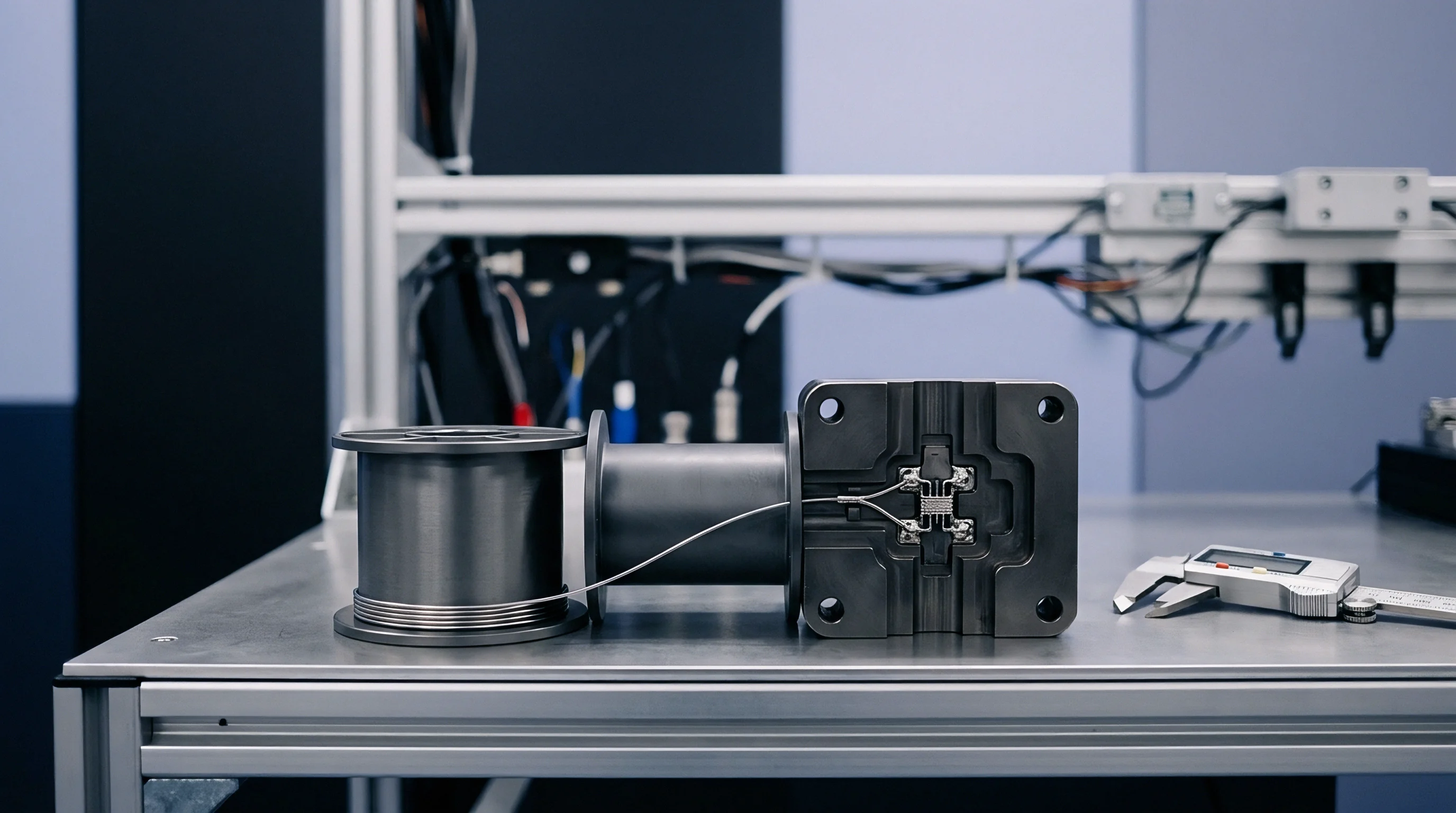
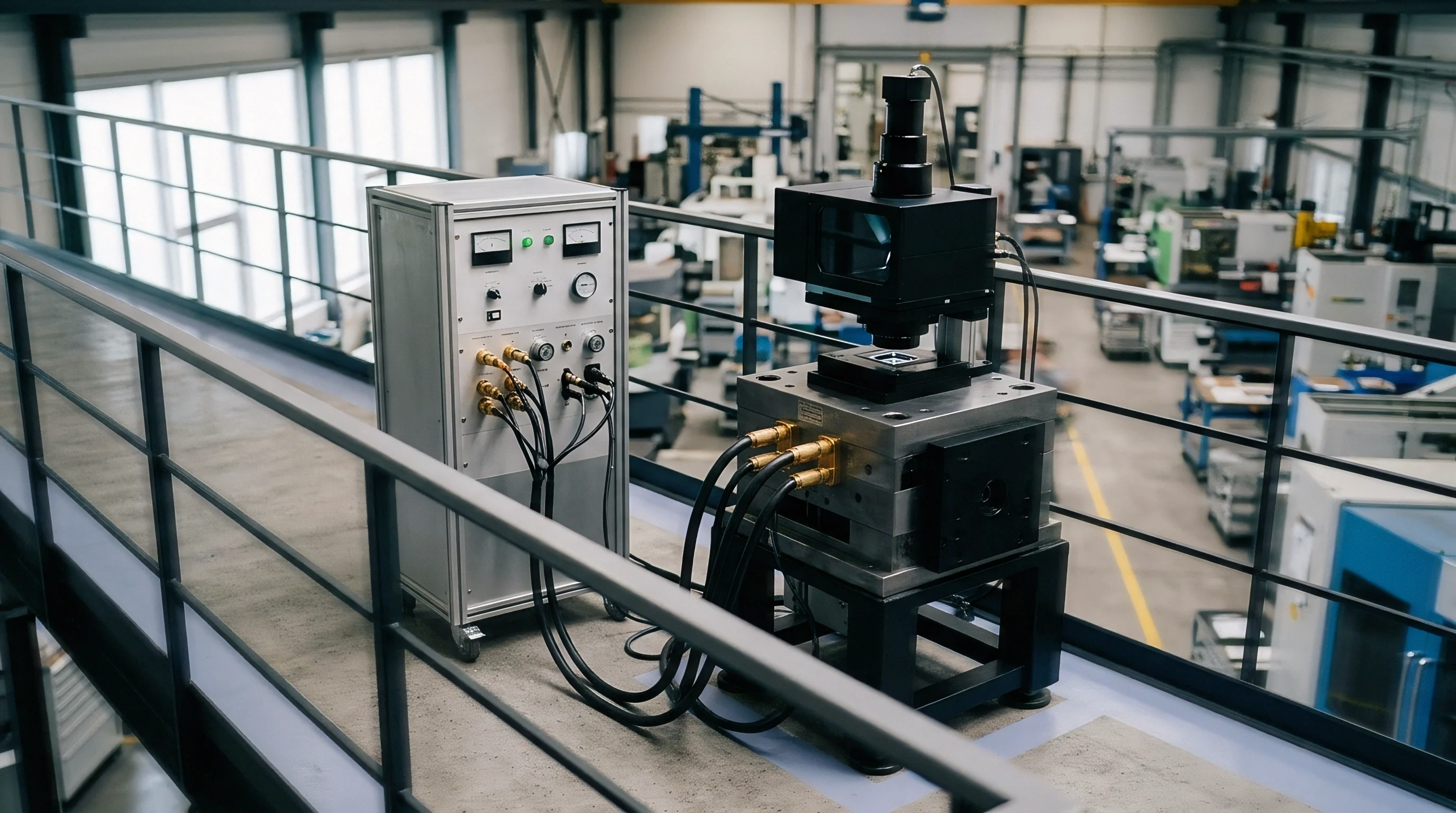
Steel
Injection molding contracts frequently split custom optical inserts from standard outer frames. Suppliers often pitch lower non-recurring engineering charges by keeping ownership of the master mold base and delivering only the cavity inserts shaped for the part geometry. That leaves buyers exposed during a supplier move.
When trying to transfer production, the plant releases the custom core and cavity inserts but keeps the bolster plates, ejector housing, guided ejection pins, and clamping plates. Standard mold bases built to DME or HASCO specifications permit modular moves, whereas proprietary factory frames lock inserts to specific press platens. Moving loose inserts without their frame forces the buyer to buy a replacement bolster assembly costing between $15,000 and $45,000 while adding six to ten weeks for alignment and precision machining.
Tool longevity hinges directly on steel selection.
| Component Scope | Material Grade | Retention Risk | Extraction Reconfig Effort | Replacement Cost Range |
|---|---|---|---|---|
| Master Mold Frame | P20 / Pre-hardened Steel | High (frequently claimed as factory property) | 3 to 6 weeks to machine new bolster plates | $12,000 – $35,000 |
| Core and Cavity Inserts | H13 / S7 Tool Steel (Hardened) | Low (contractually recognized product geometry) | 1 to 2 weeks for dry fit and bench leveling | $25,000 – $90,000 |
| Hot Runner Manifold Systems | Stainless Steel / Anodized Aluminum | Moderate (shared electrical interfaces) | 2 to 4 weeks for zone rewiring and testing | $8,000 – $22,000 |
| Hydraulic Core Pull Mechanisms | 4140 Alloy Steel / Nitrided | Moderate (custom mounting footprints) | 1 to 3 weeks for hydraulic line adaptation | $5,000 – $14,000 |
Physical boundaries inside an injection tool require explicit definition within the scope of work. Multi-cavity tools running high-volume components rely on complex hot runner manifolds, valve gates, and cooling circuits integrated directly into the mold plates. If the contract defines the tool as merely the cavity impression blocks, the factory retains the temperature control channels and manifold electrical wiring, leaving the second-source molding facility with unmounted steel blocks that lack internal runner mechanisms.
Standard tooling definitions that omit mold base plates turn full tooling purchases into partial insert bailments.
Interchangeability depends on adopting global tooling standards before mold construction. Specifying standard DME, HASCO, or Meusburger mold base dimensions ensures extracted steel drops into standard injection presses anywhere in the world, whereas proprietary factory attachments force custom plate re-machining. Cable harness pinouts for thermocouple sensors and heater zones vary across suppliers, requiring rewiring schematics before unhooking the tool from the press.
- Interfacing Ejector Rod Alignment misaligns with second-source press knocking bars, causing binding across the ejector plate assembly during ejection strokes.
- Proprietary Hot Runner Wiring hides heater zone layouts, burning out thermocouple sensors when hooked up to standard controllers.
- Non-Standard Water Manifold Threads prevent direct connection to host temperature control units, requiring custom brass fittings and hose adapters.
- Custom Slide Retainer Footprints fail to lock core pulls securely during transport, letting internal steel components collide with cavity walls.
Every purchase order for injection tooling should explicitly state that the agreed fee covers the complete assembly from top to bottom clamping plate ~ including hot runners, water fittings, ejector pins, and alignment bushings ~ fully assembled as an operational unit under ISO 20457 standards.
Title
Legal ownership of manufacturing assets depends on explicit bailment clauses rather than physical possession on the plant floor. Standard purchase order phrasing that title passes upon payment rarely stops contract manufacturers from asserting possessory liens over steel tooling. When commercial disputes arise over yields, scrap rates, or minimum purchase commitments, factories hold molds under local mechanic lien laws.
Separating physical custody from title requires an independent bailment contract executed alongside the master service agreement.
A dedicated bailment contract isolates asset title from physical custody.
| Integration Level | Tooling Ownership Model | Lien Risk Exposure | Extraction Readiness |
|---|---|---|---|
| Turnkey Contract Manufacturing | Amortized in piece price (Factory holds title until paid) | Severe (Factory retains asset for unamortized fees) | Complex (Requires buyout negotiations) |
| Semi-Custom Tier-1 Integration | Direct purchase with factory-managed mold base | Moderate (Factory holds mold frame, releases inserts) | Moderate (Requires bolster rebuilding) |
| Direct Tooling Scope (White-Label) | Direct payment to moldmaker under clear bailment terms | Low (Legal title clearly assigned to buyer) | High (Immediate physical release) |
Cross-collateralization clauses in factory supply contracts create significant extraction hazards. Suppliers write terms letting them withhold tooling assets over disputed payments on unrelated product lines or excess inventory. A buyer trying to retrieve a fully paid mold for Product A can find it blocked because the factory claims an unpaid liability for Product B.
Tooling ownership follows explicitly defined serial numbers and CAD model manifests rather than generic payment receipts.
Protective filings secure extraction rights before any dispute surfaces. In the US, filing a UCC-1 financing statement gives public notice of the buyer’s ownership of the physical steel, defeating creditor claims against the supplier. Overseas hubs require additional steps.
In many East Asian jurisdictions, stamping the buyer’s corporate name, asset serial number, and direct ownership notice onto the non-molding surface of the outer mold plate provides critical evidence for local courts enforcing recovery orders.
- Fully Executed Tooling Bailment Agreement signed prior to initial deposit payment, establishing clear separation between asset ownership and manufacturing services.
- 3D CAD Mold Layout Files delivered in native format and STEP exports, including fully detailed assembly drawings and water channel schematics.
- Itemized Asset Breakdown Receipt listing individual costs for core inserts, mold base plates, hot runner systems, hydraulic slides, and spare parts.
- UCC-1 Filing Confirmation or Local Asset Registration proving public notice of legal ownership in the manufacturing plant jurisdiction.
- Stamped Metal Asset Tags applied directly to the mold frame showing buyer name, part number, asset ID, and serial code.
Failing to secure clear title filings before shipping molds to a contract facility leaves the buyer as an unsecured creditor during supplier bankruptcy, risking total loss of production assets to court-appointed liquidators.
Valuation
Financial disputes during supplier transitions usually center on unrecovered engineering costs and remaining tool life. Contract manufacturers often subsidize initial tooling by amortizing the balance into piece-part pricing across contracted volumes. Sourcing teams retrieving tooling early must calculate remaining liabilities precisely.
If a buyer commits to 100,000 units with a $1.50 per-unit tooling charge on a $150,000 mold, pulling the tool at 40,000 units leaves a $90,000 unrecovered balance that must be settled before physical release.
Mechanical shot counters record cumulative tool wear.
When Does Amortized Tooling Pass to Buyer Ownership?
Establishing when title transfers requires balancing upfront payments against amortized unit fees. Take a 4-cavity high-volume connector housing mold with a $120,000 fabrication invoice. The buyer pays $60,000 upfront as an NRE deposit, with the remaining $60,000 amortized at $0.60 per unit across a 100,000-unit contract.
At 45,000 units shipped, the buyer pulls the tool over quality issues. The unrecovered balance sits at $33,000. If the buyer counterclaims $18,000 in material scrap caused by worn slide retainers the plant failed to maintain, the net buyout needed to clear the title lien drops to $15,000, provided maintenance logs validate the scrap claims.
A pre-agreed amortization buyout schedule reduces contract exit friction by fixing residual steel value against recorded shot counts.
Preventive maintenance obligations directly affect tool valuation at extraction. Factories must log mold usage, lubrication cycles, parting line cleans, and core pin replacements under DIN ISO 20457 guidelines. Without verified logs, a plant might hand over worn, damaged steel at the loading dock while demanding full payment for unrecovered amortization balances.
Tool retention is frequently justified on grounds that initial payments covered only partial engineering, asserting that physical extraction requires supplementary refurbishing and separation fees.
Crate
Extracting physical injection tools from an incumbent facility demands a rigorous site audit before transport crews arrive. Riggers entering a plant without confirmed tool readiness face costly delays and risk damaging the asset. The extraction sequence requires systematic verification of tool integrity, safety locks, and preservation measures to ensure the receiving facility gets functional production tooling ready for bring-up.
Documented maintenance logs preserve asset value during transfer.
- Verify that the mechanical shot counter attached to the mold frame matches maintenance ledger records exactly.
- Run the mold through a dry cycle under zero clamping pressure to inspect slide motion, core pull synchronization, and ejector plate return sensors.
- Purge all internal cooling channels with compressed air to eliminate moisture that causes steel corrosion during ocean transit.
- Inject non-corrosive Vapor Corrosion Inhibitor (VCI) oil directly into hot runner channels and cooling ports.
- Install high-visibility steel locking plates across the parting line to secure core and cavity halves together during transit.
- Mount custom steel transport brackets over all hydraulic core pull cylinders to prevent piston movement during lifting.
- Lower the tool onto an ISPM 15 heat-treated wooden skid designed for the mold’s concentrated center of gravity.
- Seal the complete assembly inside a heavy-duty VCI vacuum bag with desiccant packs before bolting the crate walls shut.
Rigging crews require verified lifting eye dimensions and center-of-gravity tags before moving heavy multi-cavity tools off press platens.
Rigging crews require original lifting eye thread dimensions and center-of-gravity markers stamped directly onto the mold frame.
Lifting eyes screwed into worn or non-standard thread ports create catastrophic drop risks during overhead crane moves across the shop floor.

Remedy
A breach during tool extraction forces buyers to weigh duplicate tooling against international arbitration. Foreign court proceedings seeking physical asset injunctions often take six to eighteen months ~ far longer than cutting fresh production steel. Opting for duplicate tooling requires immediate intellectual property protection, making sure native CAD geometry, Moldflow analysis files, and electrode CAM files transfer securely to the replacement moldmaker.
| Operational Path | Capital Investment | Lead Time to Production | Risk Exposure Profile |
|---|---|---|---|
| Negotiated Tooling Extraction | Buyout balance + transport costs ($10,000 – $50,000) | 2 to 4 weeks (Includes inspection and dry run) | Low (Proven tool, known dimensions) |
| Legal Enforcement / Injunction | Legal retainers + storage fees ($30,000 – $120,000) | 24 to 52 weeks (Subject to court schedules) | Severe (Tool may suffer neglect during dispute) |
| Duplicate Tool Fabrication | Full initial NRE cost ($50,000 – $200,000) | 8 to 16 weeks (T1 samples to PPAP approval) | Moderate (Requires full re-qualification) |
Building replacement tooling requires a complete design transfer package. If the original supplier retains native 3D CAD files, reverse engineering can add $5,000 to $15,000 per component using optical CMM scanning. Sourcing contracts should stipulate that source CAD data belongs exclusively to the buyer upon payment of initial design milestones, regardless of physical tool production status.
When an incumbent contract manufacturer refuses physical release of custom mold inserts despite full payment verification, how does a buyer legally demonstrate immediate irreparable commercial harm to secure an expedited court order before the product sales window closes completely?