
Managing Cellular Baseband Rejections during International Border Crossing
Manage cellular baseband rejections across borders by parsing EMM cause codes, clearing SIM FPLMN files via AT commands, and optimizing T3402 backoff timers.

Manage cellular baseband rejections across borders by parsing EMM cause codes, clearing SIM FPLMN files via AT commands, and optimizing T3402 backoff timers.

Structure hardware escrow with bit-exact build verification, secure factory OTP traceability keys, and tie field liability to physical failure mechanisms.

Edge-triggered dual-radio buffer architecture staging fast edge interrupts into local non-volatile RAM prevents data loss during link state handoffs.

Secondary source bring-up generates positive Net Present Value when unit cost savings and risk offsets exceed fixed tooling and qualification expenses.

High-bandwidth industrial condition monitoring offloads raw waveform data via local local-area radios, using edge signal processing and cellular fallback to cut carrier costs.

Asset valuation baselines for electronics design transfers require native ECAD databases, uncompiled firmware source trees, and audited factory test tooling.

Specific absorption rate testing demands calibrated phantom shell thickness, validated tissue dielectric properties, continuous power enforcement, and exact spatial zoom grid measurements to ensure regulatory compliance.

Statutory duty cycle limits capping airtime at 0.1 to 10 percent govern sub-GHz telemetry, requiring precise packet timing to avoid legal non-compliance.

Containerize module fabrication data in IPC-2581C to lock CAM modifications, enforce netlist parity, and eliminate inter-site geometry discrepancies.

Plastic deformation at 100 GHz contact asperities expands effective skin depth and adds up to 1.8 dB flange loss, collapsing sub-THz radio link margins.
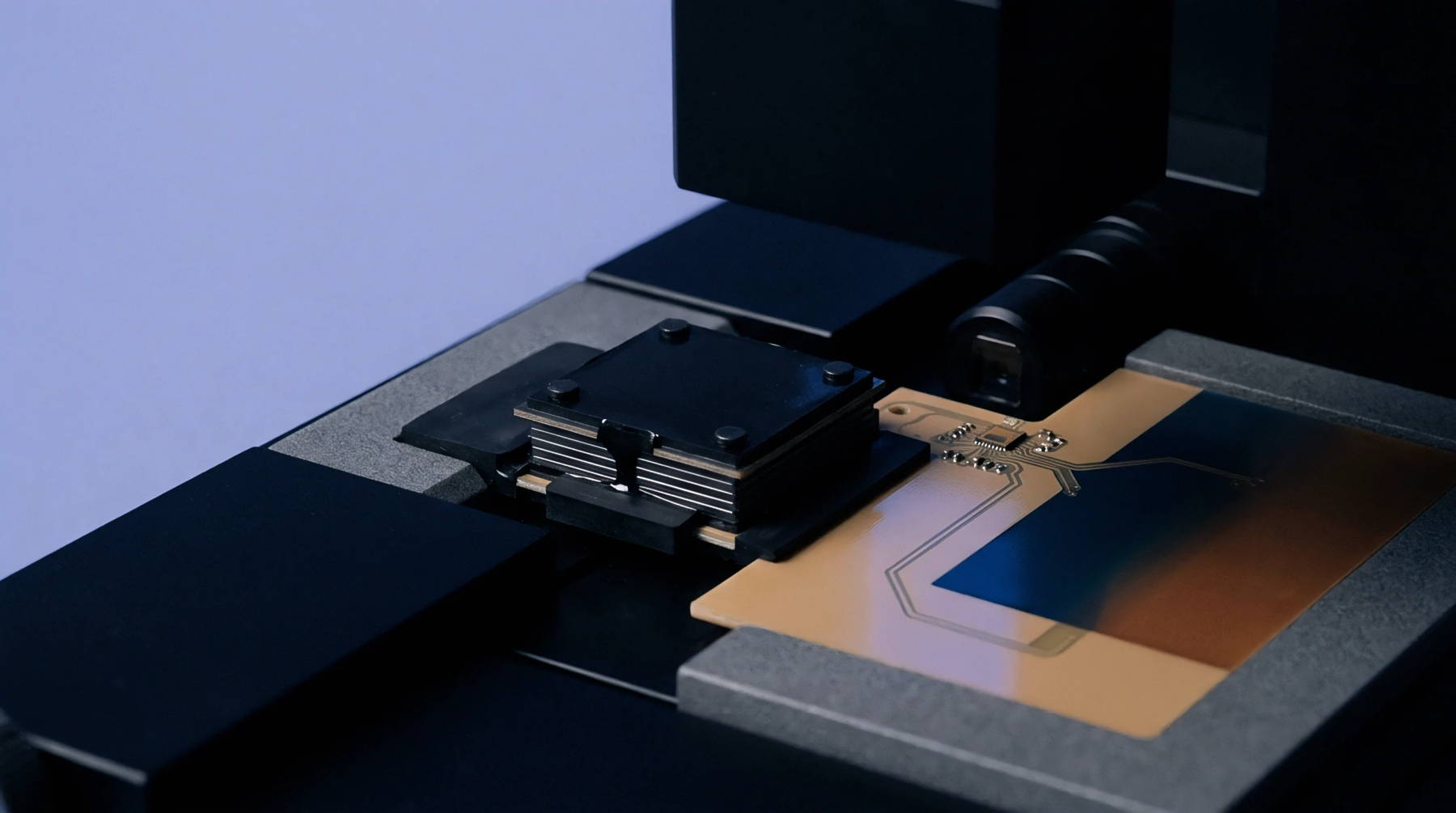
Dynamic register translation tables stored in OTP fuses or resolved at boot allow a single master firmware binary to run across varying multi-site hardware revisions.

Encapsulated mmWave beamforming modules require OTA spatial metrology and dielectric phase calibration to secure compliant modular grants and host approval.

Dual sourcing wireless substrates demands matching effective dielectric constants, copper foil profiles, and glass weave structures via IPC-2581 stack-up controls.

Micro-asperity deformation and mechanical wipe breach insulating surface oxides to preserve low socket contact resistance during peak radio transmit bursts.

Surface roughness forces high-frequency current through isolated micro-asperities, increasing contact resistance and insertion loss as skin depth shrinks.

Dual-function wireless transceiver modules classify under HS code 8517.62 as finished transmission apparatus under General Rules of Interpretation 1 and 6.

Secondary sourcing succeeds when firmware build containerization, bit-for-bit escrow verification, and explicit mold shot-life accounting precede tool transfer.

Synchronizing gateway payload aggregation with cellular modem and carrier inactivity timers eliminates micro-bursts that trigger exponential overage billing.
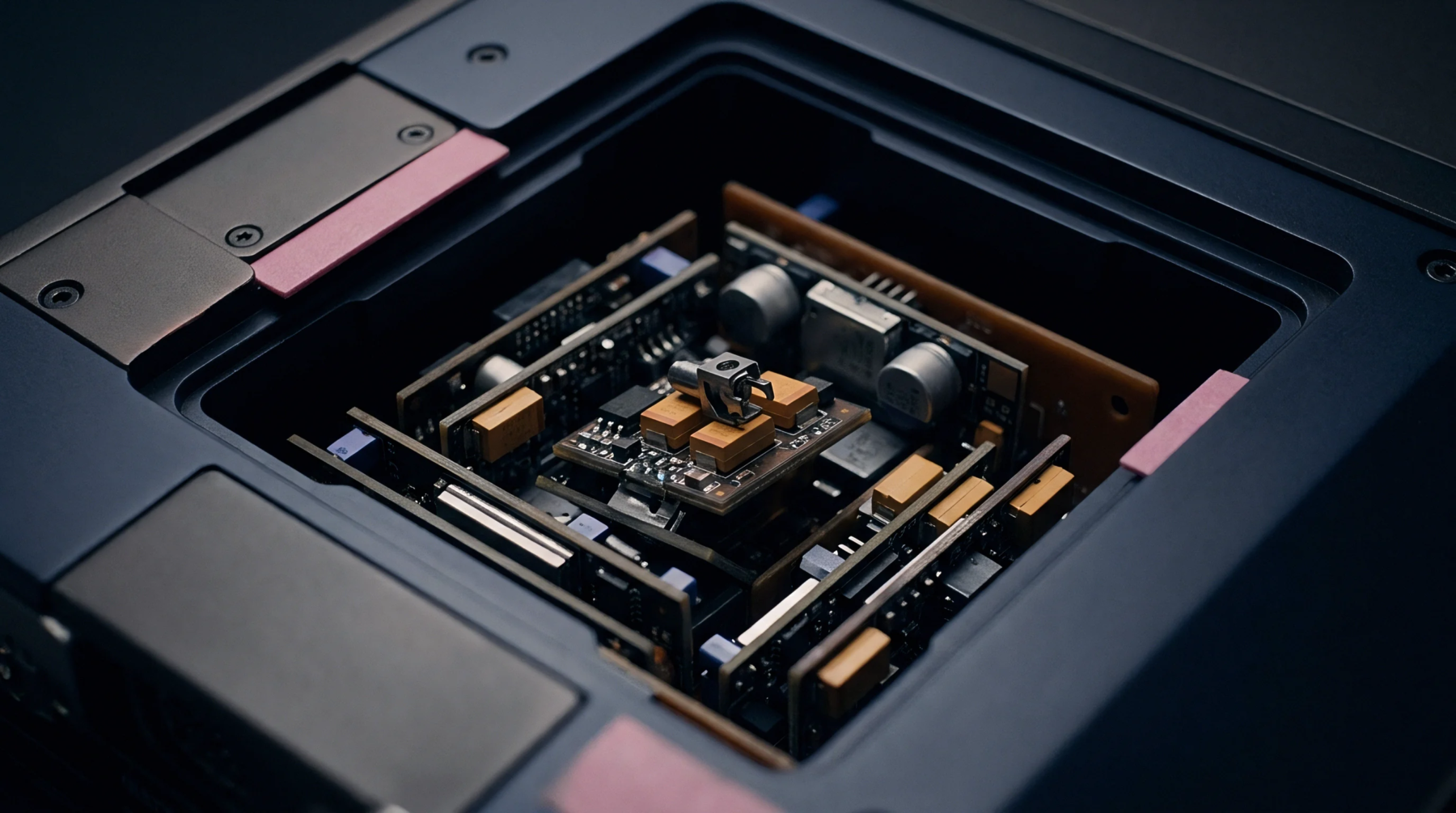
Unbundling engineering fees isolates true component bill-of-materials costs from upfront development labor, preventing margin erosion at scale.

Maintain explicit grantee agency agreements and independent grant lineages to execute multi-market permissive changes when module vendors alter hardware.

Multi-vendor radio module substitutions qualify for Class II Permissive Changes only when pin alignment, output power, and radiated emissions match baseline testing.

Non-intrusive shadow profiling maps undocumented silicon stepping anomalies through hardware trace funnels to enforce vendor accountability and patch bus timing.

Automated multi-site boundary scan verifies module registers by routing broadcast stimulus to parallel sockets with isolated per-site response comparators.

PDP context session rounding inflates cellular IoT data charges by applying minimum billing floors upon link release, requiring persistent sockets or aggregated tariffs.
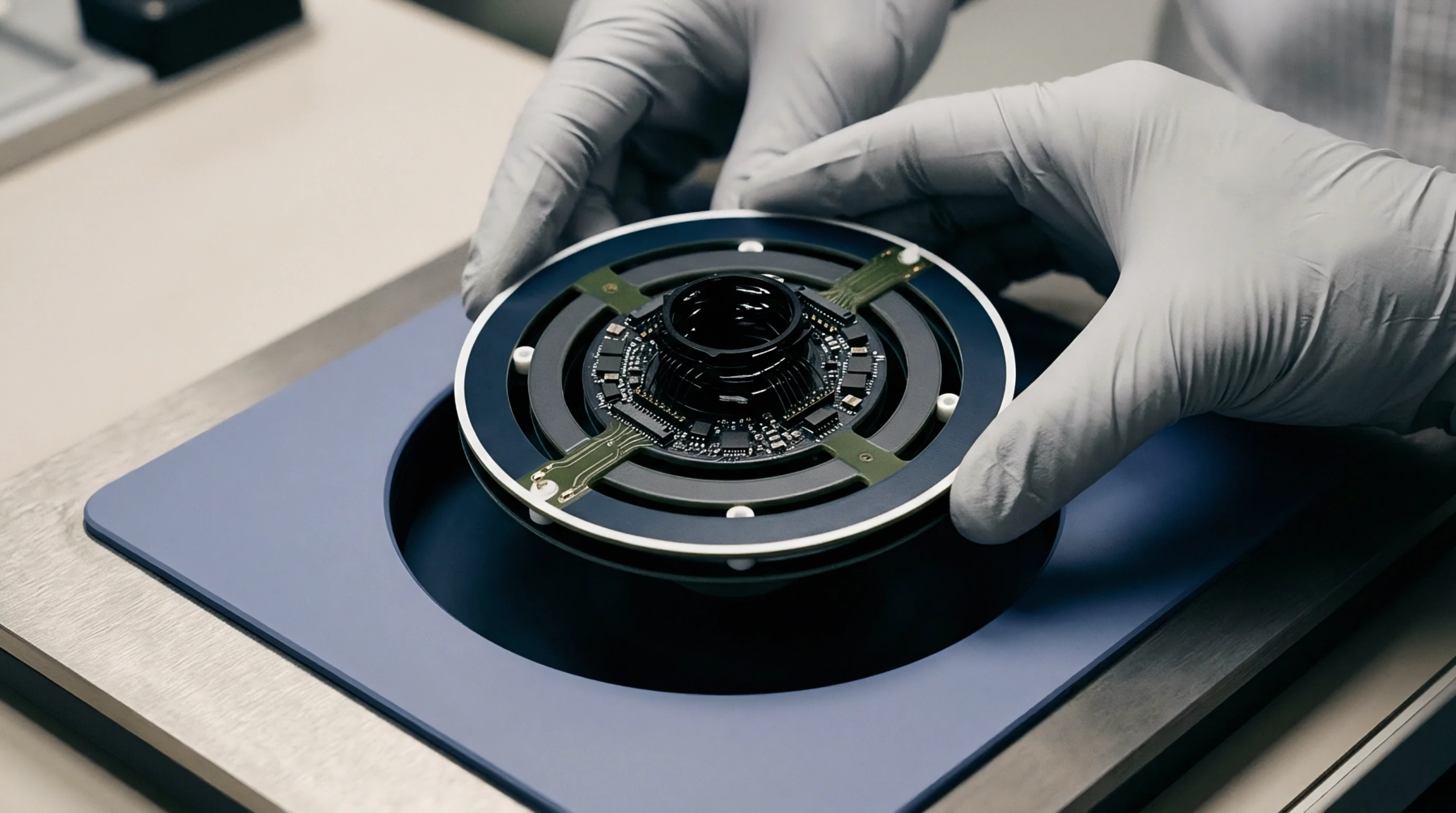
Minimum antenna separation depends on transmitter power, receiver blocking thresholds, intermodulation mixing products, and regulatory simultaneous exposure ratios.

Reclassifying wireless SiP transceivers from duty-free MCO tariff heading 8542.39 to apparatus heading 8517.62 hinges on proving substrate passive integration.

Evaluate cellular IoT data plans by measuring session rounding floors, protocol encapsulation overhead, and transceiver radio attachment current on the test bench.

Classification under heading 8542 demands mold-encapsulated leadframe or silicon substrates without printed wiring, securing zero percent ITA tariff treatment.
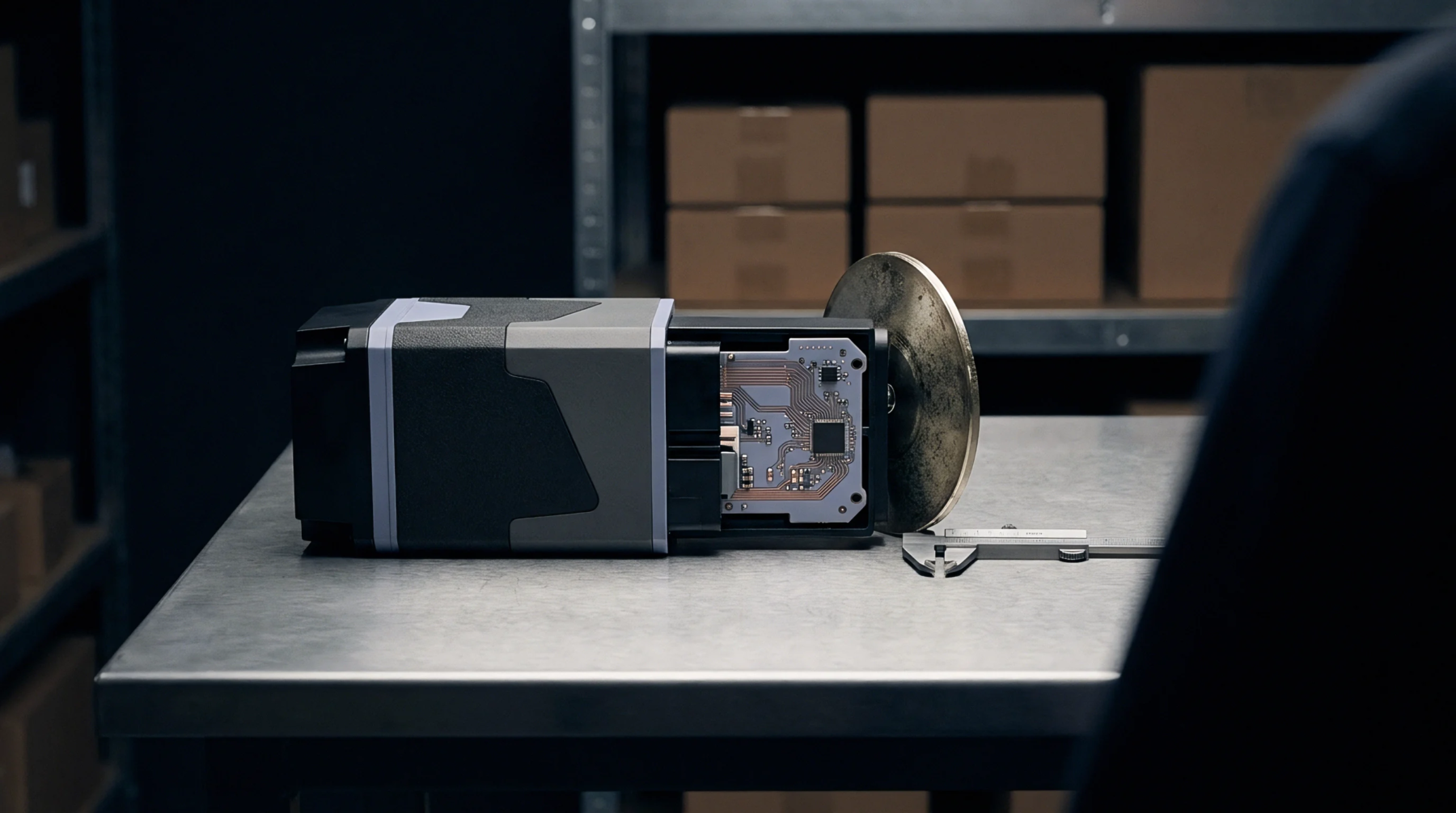
Masking drivers isolate microcontroller silicon errata by enforcing atomic shadow register writes, protecting firmware across untracked foundry stepping changes.

Mathematical liability models use Shapley values and MPU trace logs to assign software recall costs based on exact SRAM fault contribution.
Expertise is a utility, not a secret. sentiention™ publishes its working knowledge as open reference: intelligence layer covering the materials it sources, the markets it enters, and the reference that serves both.