
Manufacturing Transfer Package Audit Protocols for Embedded Semicustom Modules
A complete manufacturing transfer package audit requires bit-for-bit build verification, native layout database delivery, and staged NRE release.

A complete manufacturing transfer package audit requires bit-for-bit build verification, native layout database delivery, and staged NRE release.

Standalone transmitter grants demand autonomous hardware shielding, power regulation, and strict adherence to antenna trace rules to prevent costly retesting.

Verify semicustom hardware deliverables using native CAD source files, containerized build environments, and physical bench test jigs before milestone sign-off.
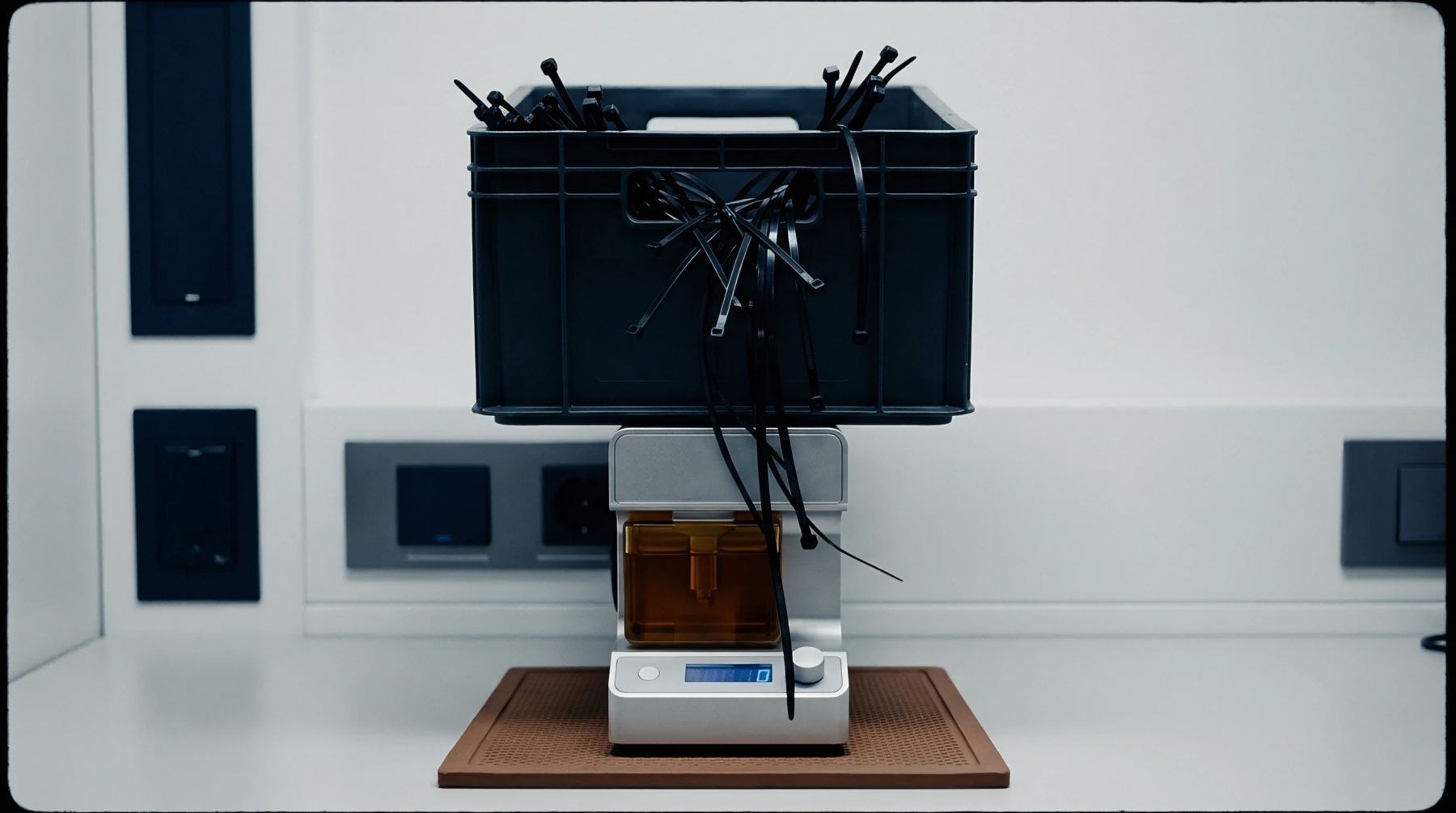
Automated IP-XACT test benches ingest divergent vendor schemas to execute unified UVM register regressions, securing dual-sourced wireless module parity.

Transceiver assist values split along grant boundaries, apportioning RF engineering strictly to hosts adopting the certified trace or local modular filing.

Regulatory grants and test fees must harmonize with customs entry values to prevent dutiable assist omissions and border seizures.

Reconciling customs valuations with equipment authorizations requires aligning declared assist costs and firmware versions with accredited test configurations.
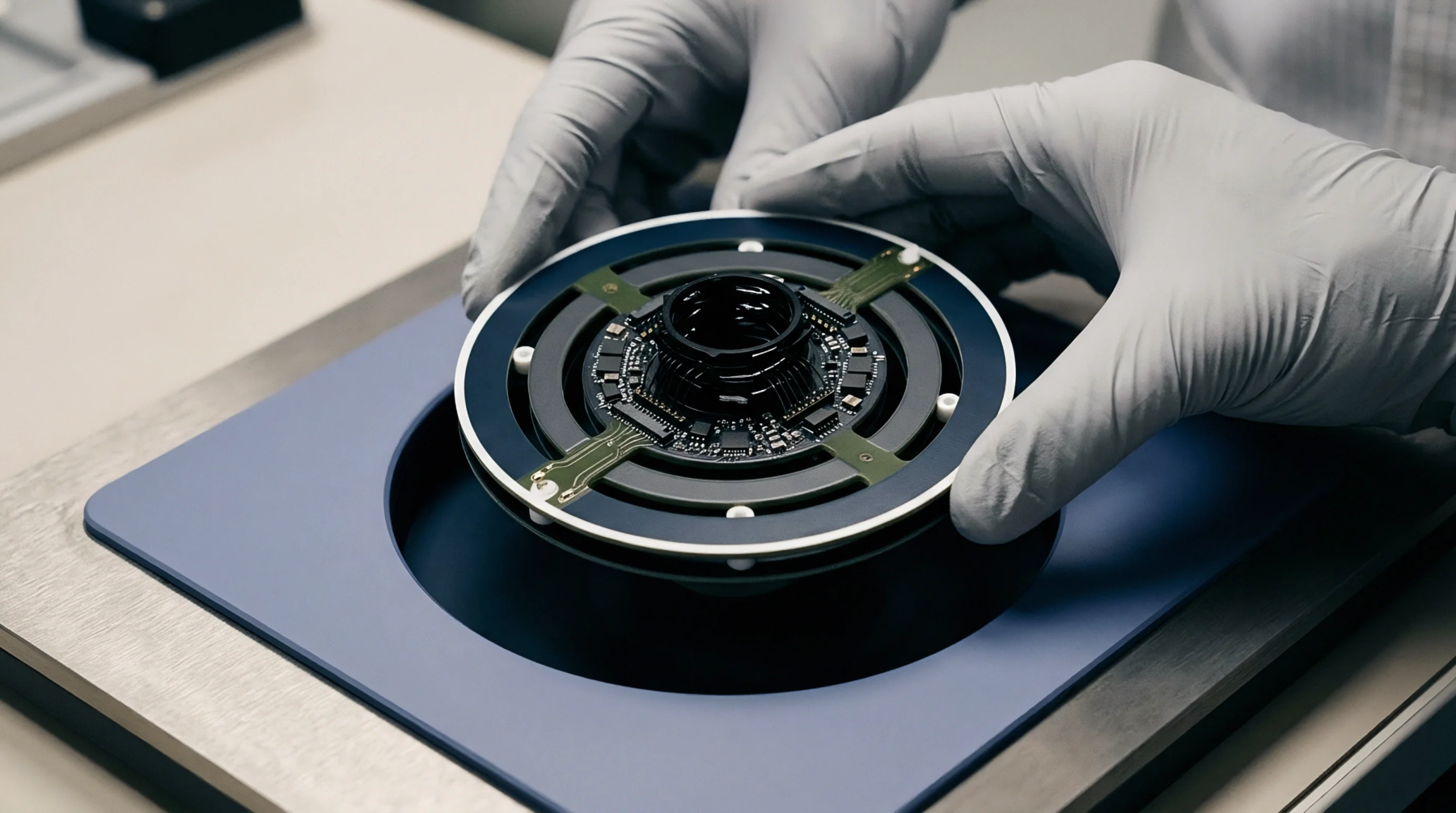
Unbundled radio software licenses delivered post-entry avoid customs duties when documented by separate contracts and clear hardware invoices.

Dynamic hardware abstraction layers resolve multi-foundry silicon deltas at boot through e-fuse register redirection, preserving unified modem firmware.

Firmware flashing in-country fails to shift customs country of origin for assembled hardware, requiring foreign origin declarations while enabling non-dutiable software deductions.

Dynamic flexure alters micro-coaxial impedance through dielectric crush, while salt exposure accelerates shield fretting corrosion across fine braid strands.

Dual-sourced baseband register drift requires low-level polling drivers and contractual ninety-day change notification clauses to eliminate silent field lockups.

Micro-coaxial attenuation climbs twelve to fifteen percent across eighty degrees Celsius of rise, eroding high-frequency link margins up to 0.2 dB per jumper.

Reconciling cross-border packaging dossiers requires mapping recipe parameters against territorial process patents and enforcing parameter limits in SOW contracts.

Multi-tier OSAT procurement requires binding pass-through covenants that bridge packaging liability caps with system-level field recall exposure.

Cross-border packaging agreements assign redistribution layers and bonding recipes through explicit work statements to prevent offshore vendor lock-in.

Modular power table overrides trigger host non-compliance; commercial indemnification requires signed binary schemas and fuse-locked baseband execution.
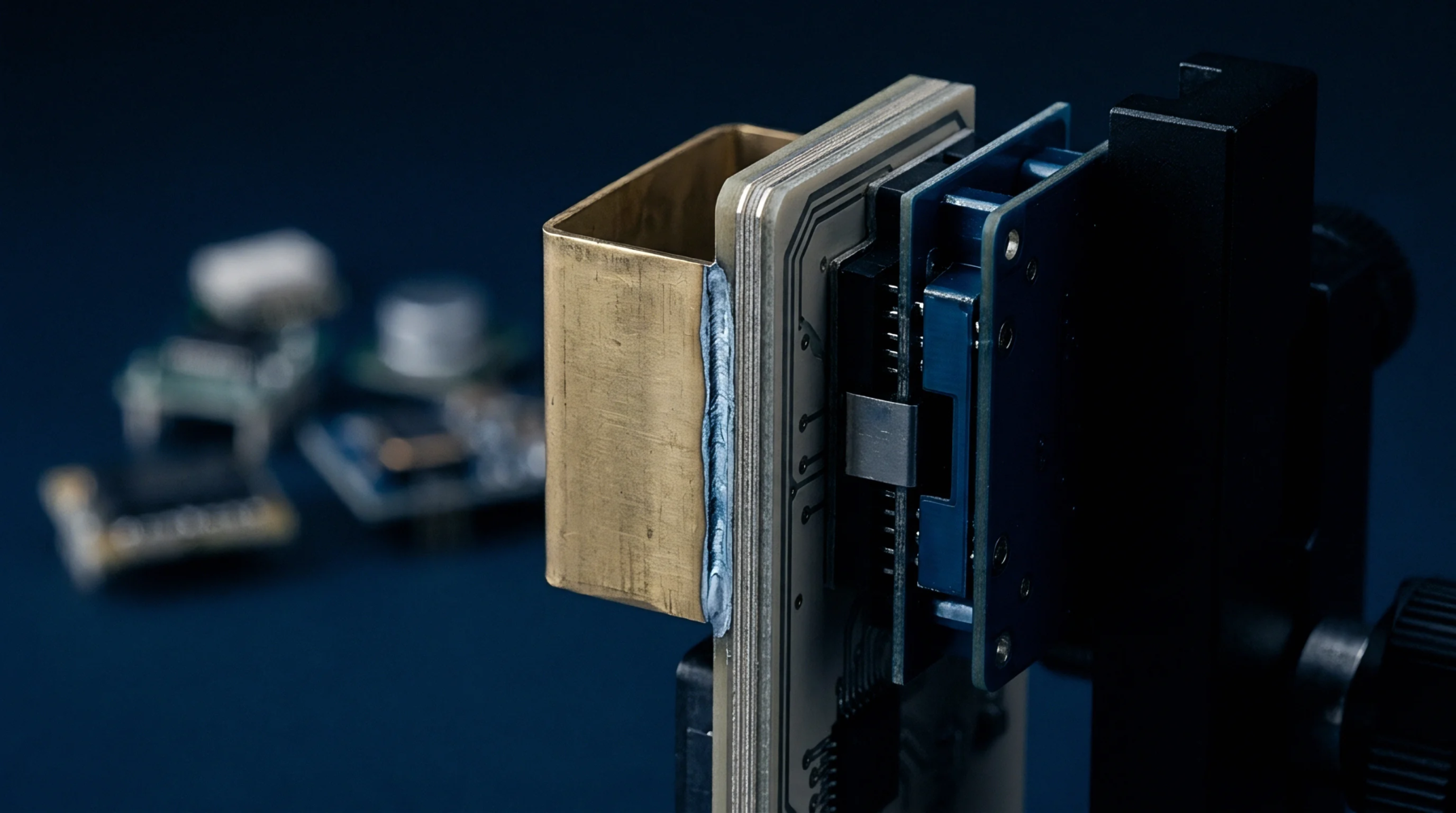
Unauthorized RF stack up changes trigger Class II permissive change filings, mandatory microsection proof, and full populated board cost recovery.

Customs valuation for imported IC hardware centers on transaction value adjusted for offshore assists, yield scrap, and transfer pricing alignments.

Contractual allocation of radiated emission testing costs requires explicit baseline margin covenants and shared laboratory fee matrices tied to root-cause audits.

Aligning radio directive compliance requires mapping ETSI transition windows to customs dates, executing targeted gap tests, and updating dossiers before standards lapse.

When harmonized European standards are superseded, update technical files with gap analyses and delta test reports before the date of cessation to preserve legal market access.

Micro coaxial insertion loss stems from skin-depth conductor resistance, polymer dielectric dissipation, braid leakage, and crimp-induced reflections.

Presumption of conformity expires on the Official Journal cessation date, requiring updated harmonized testing or a Notified Body Module B certificate.

Dynamic antenna detuning degrades over-the-air receiver sensitivity through both passive reflection loss and steep low noise amplifier noise figure expansion.
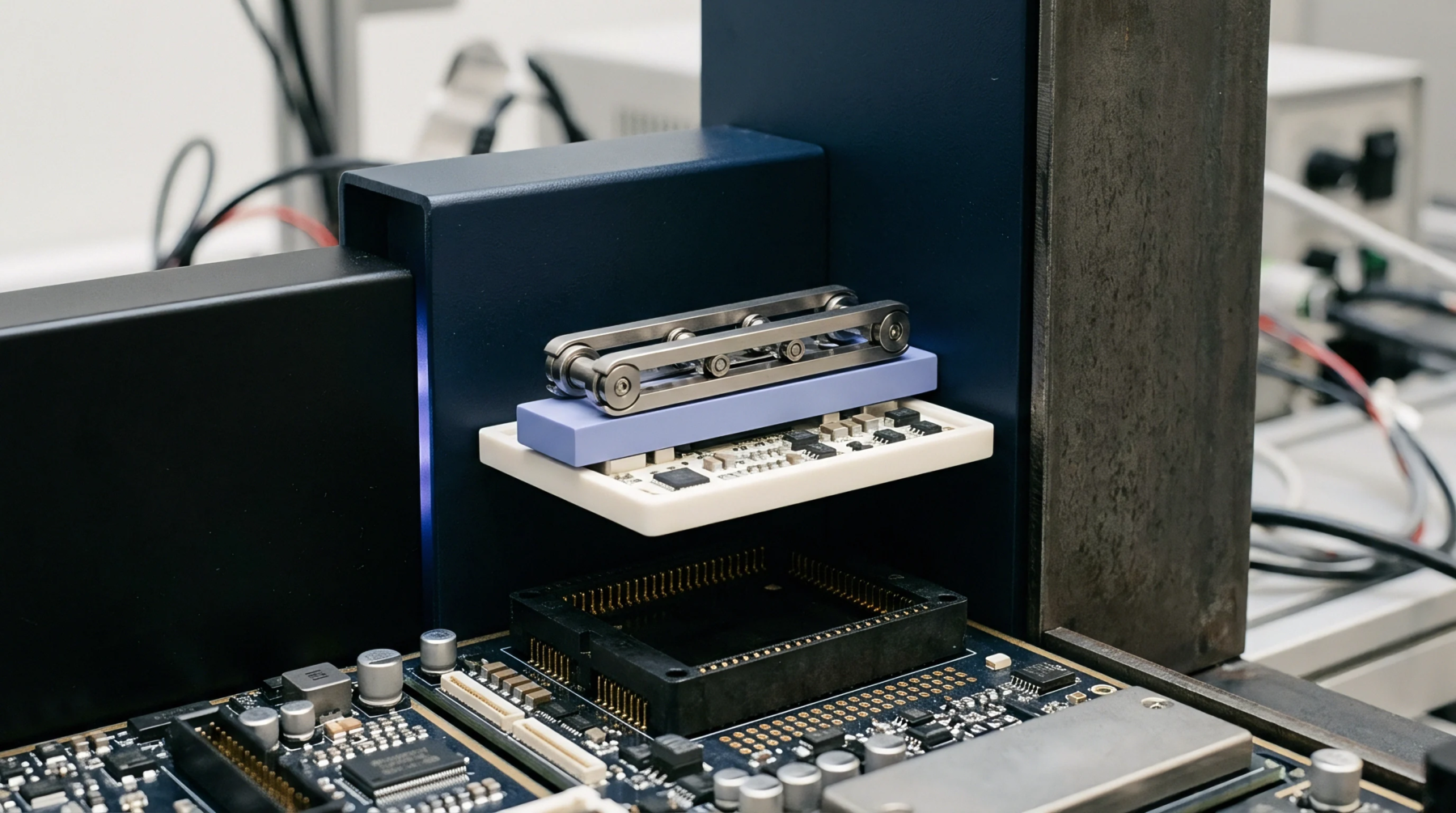
Statistical tolerance dossiers must bridge mechanical etching distributions and high-frequency S-parameter gating to prevent mmWave panel scrap.

Carrier limits require verifying multi-band total isotropic sensitivity with transmitters operating at full output power to ensure link budget survival.

Finished host declarations require explicit verification of antenna gain, co-location limits, and host-induced spurious emissions beyond modular grant bounds.

Rectifying host wireless declaration deficiencies requires bonded manipulation, accredited test exhibits, and formal agency filings to avert cargo seizure.

Radiated sensitivity verification requires Total Isotropic Sensitivity testing in anechoic chambers to uncover host desense and antenna losses.
Expertise is a utility, not a secret. sentiention™ publishes its working knowledge as open reference: intelligence layer covering the materials it sources, the markets it enters, and the reference that serves both.