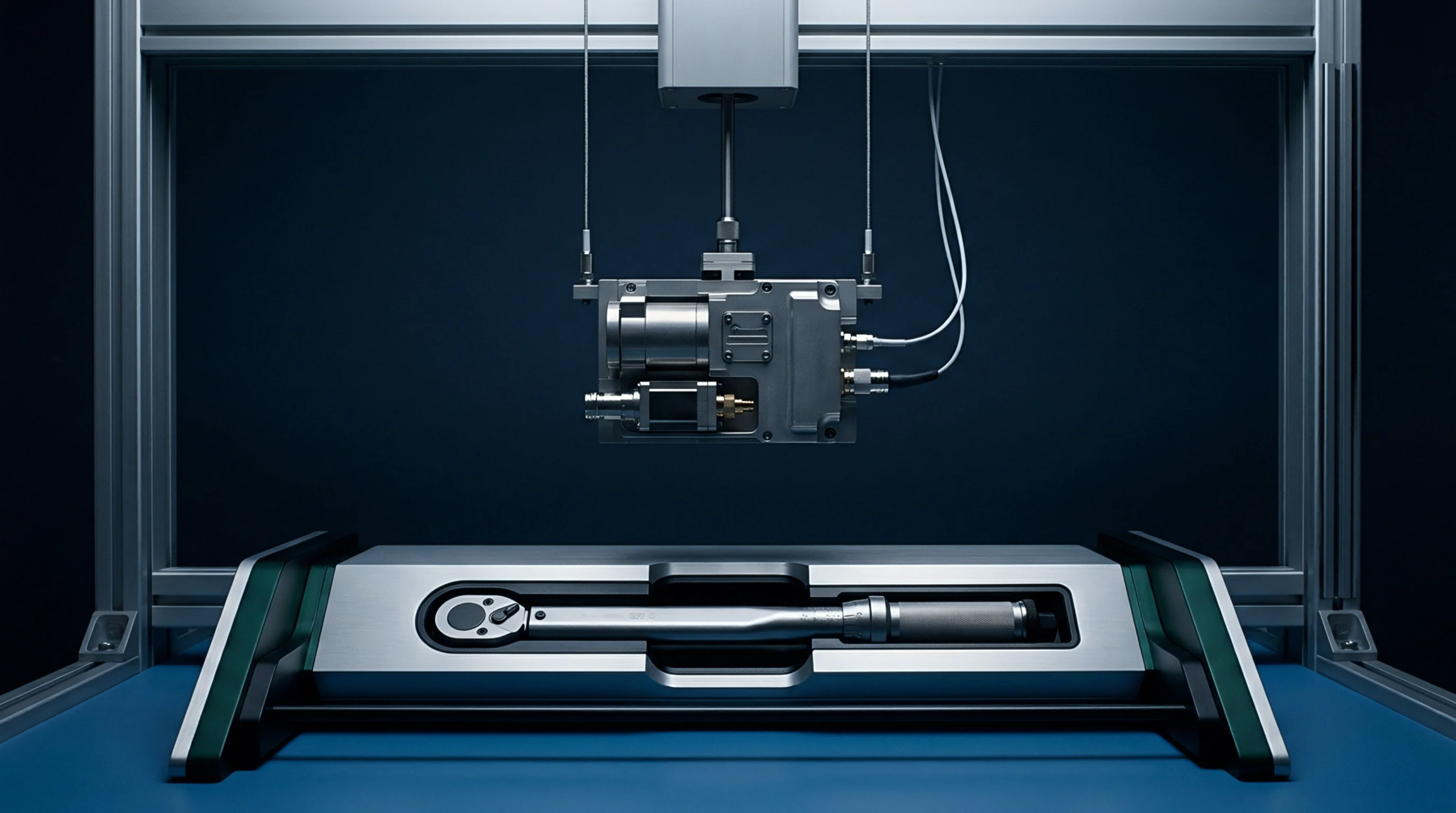
Yield Divergence and Landed Unit Premium Mechanics across Multi-Factory Hardware Allocations
Splitting manufacturing allocations causes yield divergence from stencil, reflow, and ATE variances, driving landed cost premiums up through scrap and NRE.

Splitting manufacturing allocations causes yield divergence from stencil, reflow, and ATE variances, driving landed cost premiums up through scrap and NRE.

Atomic layer oxide passivation on sub-GHz transceiver crystals eliminates low-drive resistance spikes, preventing oscillator startup stalls and link margin loss.

Offline transponder signature validation relies on compact elliptic curve keys, efficient memory framing, and compliant reader radio power limits.

Sub-nanometer ALD alumina passivation prevents quartz electrode oxidation and surface adsorption, capping decade frequency drift below two parts per million.

Primary cell pulse recovery depends on solute diffusion rates inside cathode pores, requiring managed rest intervals or hybrid capacitors to prevent premature cutoff.

Subterranean RF attenuation forces high-power repetition modes that choke LiSOCl2 cathode pores with LiCl precipitate, demanding hybrid capacitor buffers.
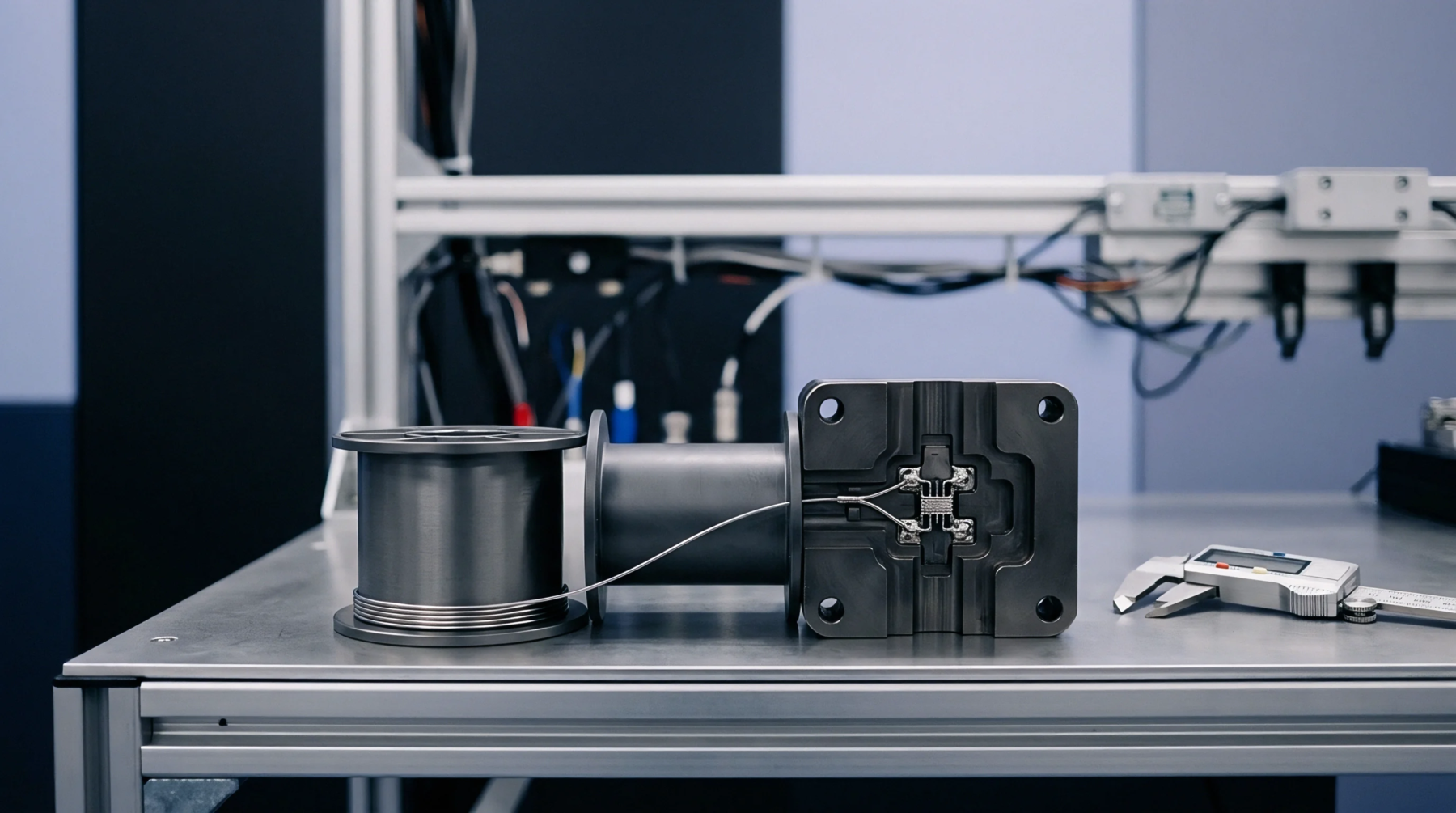
Amortizing non-recurring engineering fees hides volume risk, while secondary supplier setup demands complete native design files and independent test jig duplication.

Quasi-optical free-space calibration extracts complex permittivity by focused Gaussian beam measurements to qualify mmWave materials for regulatory filing.

Optimizing surface coatings and flexure compliance resolves thermal hysteresis limits in high-preload kinematic mounts by preventing interfacial micro-slip.

Monolithic Ti-6Al-4V ELI bipod flexures isolate cryogenic optical mirrors from thermal deformation when precision wire EDM recast layers are chemically removed.

Spatial thermal gradients across radar radomes cause Snellian refraction beam squint that risks radiated EIRP mask violations during type approval testing.

Thermal gradients across 77 GHz radar arrays cause substrate permittivity drift and phase skew, squinting beams and threatening regional EIRP compliance.

Calculating thermal joint expansion requires resolving member spring compliance against differential expansion growth to prevent high temperature yield and subzero load loss.

Continuous multi-second cellular repetition bursts pull battery voltage below brownout limits unless buffered by low-ESR capacitors.
Volumetric residual covariance matrices isolate transport strain from frame manufacturing defects, enabling rapid target spatial alignment for airframe tooling.

Thermal dielectric drift shifts substrate permittivity and trace impedance, detuning filters and risking band-edge non-compliance during climatic chamber testing.

Unified spatial metrology bundling combines multi-station optical observations into single coordinate frames to eliminate drift during tool transfers.

Delta qualification test matrices isolate process node change risks, balancing reduced life testing with targeted silicon stress vectors.

Resolve multi-band simultaneous SAR by calculating exposure ratios and SPLSR to avoid volumetric testing or implement firmware power back-off controls.

Co-located radio Class II Permissive Changes demand radiated intermodulation scans and exposure summation when transmitter antennas sit within 20 cm.

Enforcing pass-through liability for sub-tier material changes requires BOM freezes, 180-day PCN triggers, uncapped recall indemnities, and offshore arbitration.

Unshielded multi-radio integration induces enclosure cavity resonances that amplify harmonic spurs, requiring Class II Permissive Changes and RF damping.
Network-assisted clock recalibration restores high-temperature relaxation oscillator timing precision, preserving energy budgets without crystal hardware.

Sub-THz intermodulation trajectories shift dynamically as cyclic mechanical stress plastically deforms contact asperities, altering non-linear tunneling paths.

Integrating unshielded limited modules transfers regulatory compliance liability to host manufacturers, requiring Class II permissive changes and host chamber validation.

Thermal compensation curve failure stems from quartz aging, solder strain, and thermal gradient tracking lag, widening LPWAN receive windows and draining batteries.
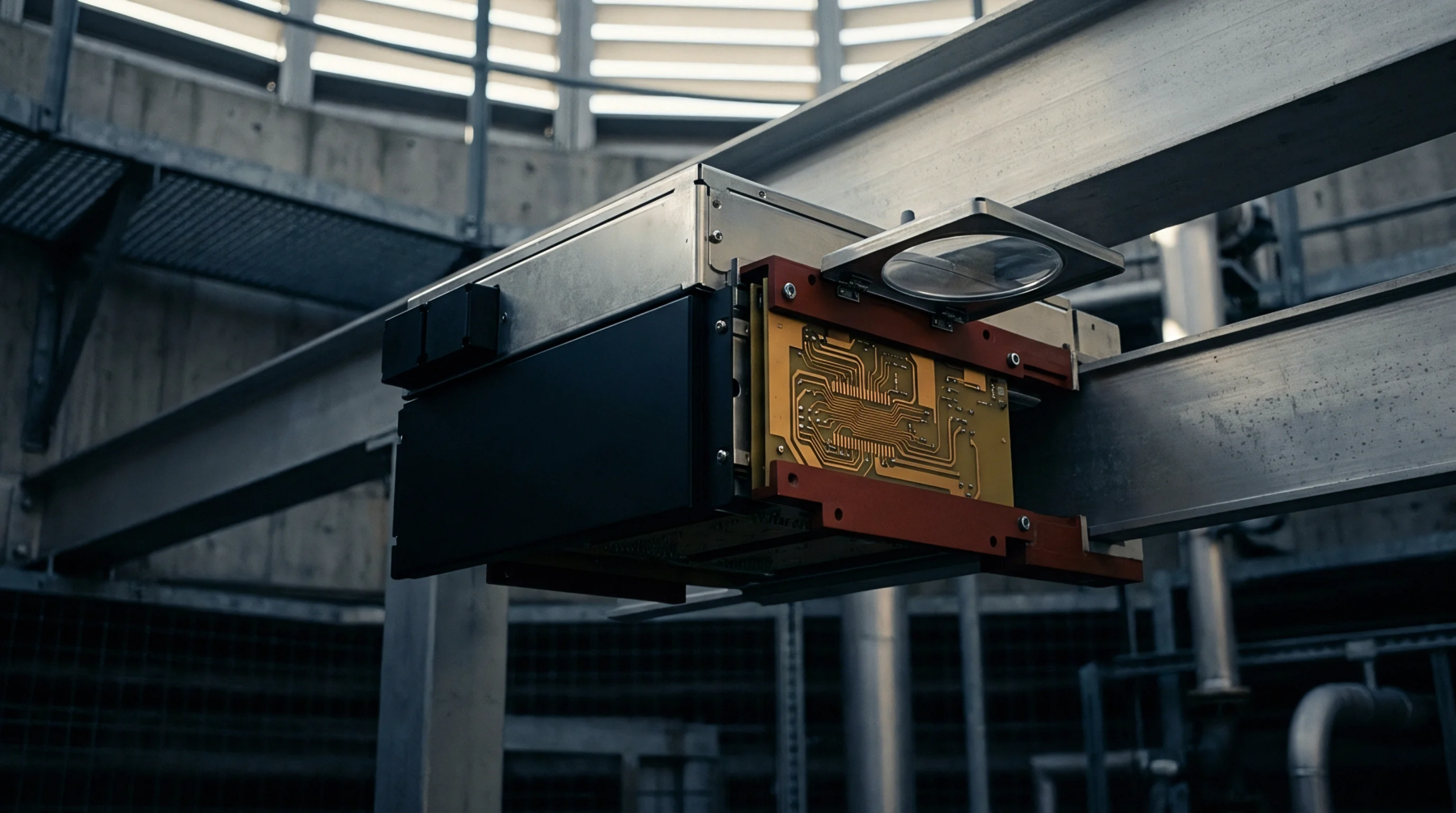
Unshielded limited transmitter grants bind host manufacturers to strict PCB layout, power rail, and chamber re-test protocols before compliance is recognized.

Physical silicon degradation shifts internal relaxation oscillator frequencies by shifting gate threshold voltages, widening wireless sleep receiver guard windows.

Process change notices demand technical baseline audits, J-STD-046 notifications, and JESD47 qualification data to clear component changes without recall risk.
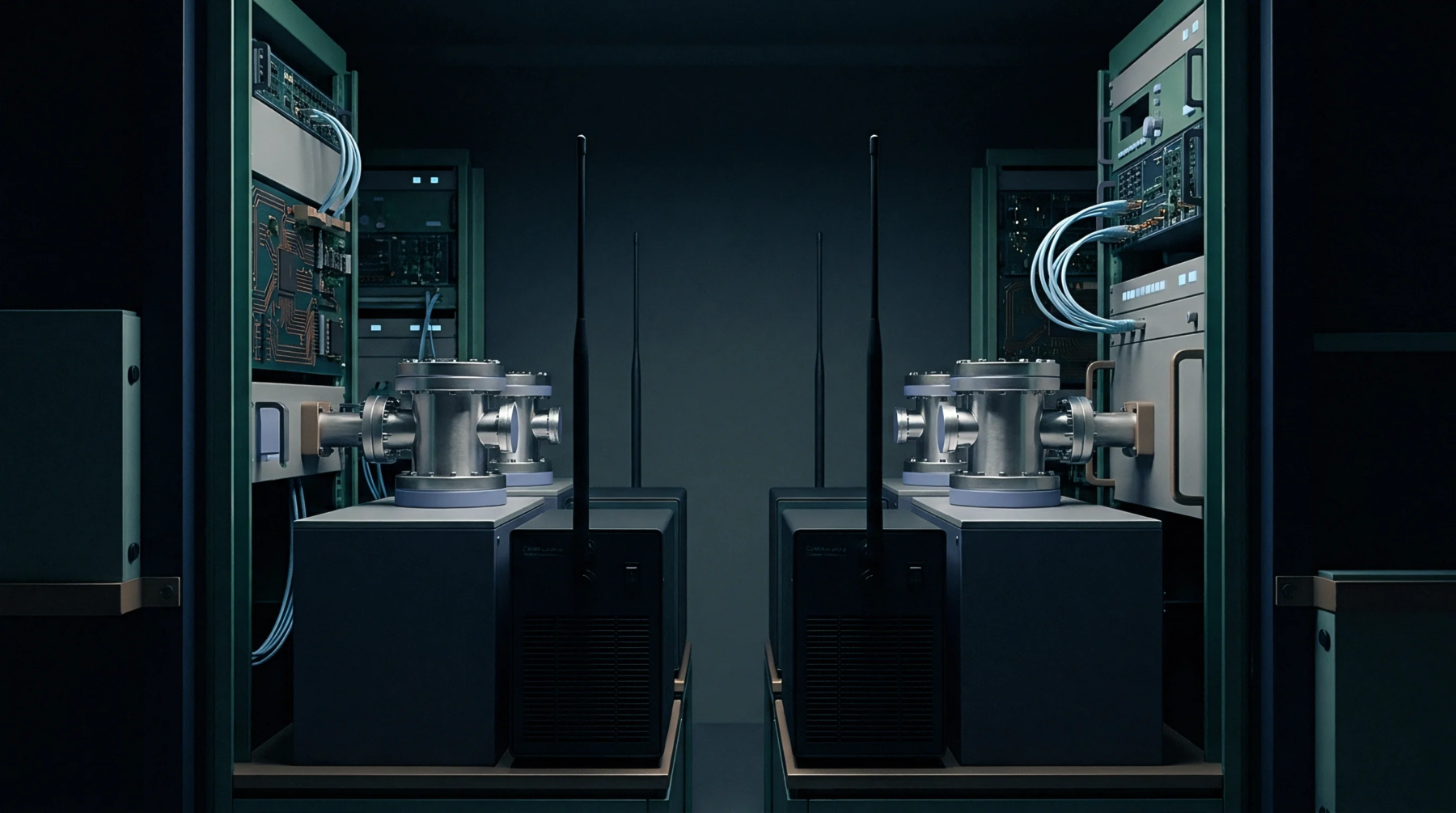
Dynamic power backoff under FCC rules demands state-table firmware controls, KDB PAG reviews, and spatial radiated exposure summation testing.
Expertise is a utility, not a secret. sentiention™ publishes its working knowledge as open reference: intelligence layer covering the materials it sources, the markets it enters, and the reference that serves both.