Meaning
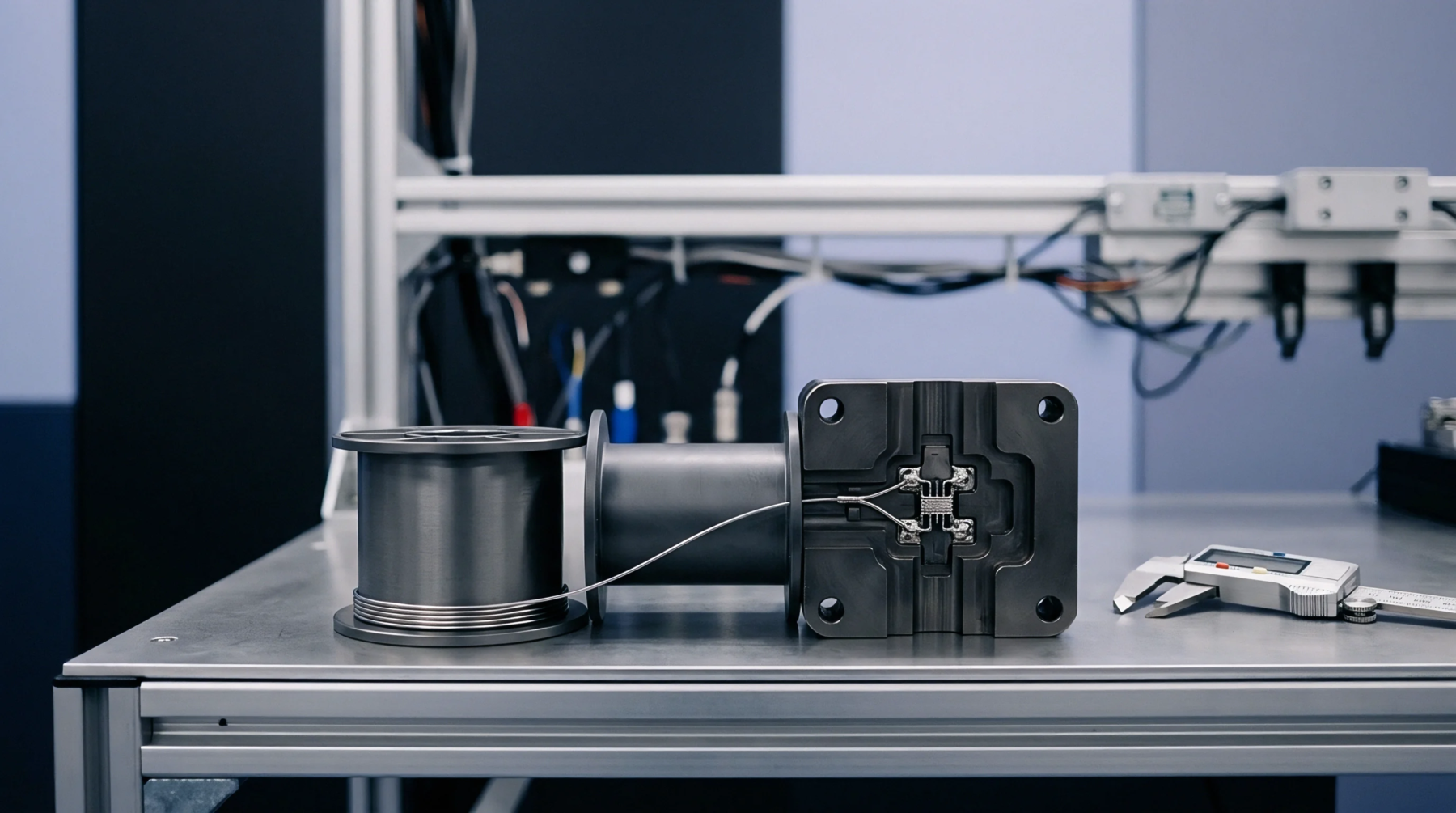
Capital expenditure allocated toward the acquisition of custom metal stamping dies, injection molds, and dedicated assembly fixtures required for volume manufacturing represents tooling expense. Procurement directors evaluate tooling expense during the commercial contract review before the factory authorizes steel cutting or mold machining. Component pricing models separate this non-recurring engineering outlay from piece-part piece pricing to maintain financial transparency across volume ramps.
Cost Allocation
Amortization schedules distribute tooling expense across anticipated production volumes over the product lifecycle. Financial controllers apply different depreciation methods depending on whether the buyer or the contract manufacturer holds legal title to the physical assets. Ownership transfer agreements dictate whether residual book value remains with the supplier or reverts to the purchaser after program cancellation.
Quality Verification
Dimensional inspection reports and first-article qualification signoffs validate whether completed tooling meets the mechanical tolerances specified in the engineering drawing package. Metrology laboratories measure molded parts against CAD models to confirm cavity shrinkage and thermal distortion fall within acceptable limits before production release. Rework authorization forms govern engineering changes when initial sample submissions fail functional fit testing during integration trials.
Supplier Sourcing
Procurement engineers negotiate tooling expense clauses to establish maintenance responsibility, insurance coverage, and replacement triggers for worn or damaged cavities. Contractual clauses specify minimum productivity guarantees and cycle time expectations before final invoice settlement occurs. Supplier capacity audits verify whether the machining vendor maintains adequate milling equipment to support scheduled delivery milestones without deferring maintenance.