Meaning
Non-volatile storage architectures utilize an isolated conductive layer to trap electrons for long term data retention. In floating gate flash, the gate is completely surrounded by an insulator, which prevents the stored charge from leaking away even when power is removed. This technology has been the backbone of the memory industry for decades due to its excellent retention characteristics.
Charge Retention
Electrons are injected into the isolated layer using a process called Fowler Nordheim tunneling. Once inside, they are trapped by a high energy barrier that makes floating gate flash extremely stable over a wide range of temperatures. This stability is why the technology is preferred for applications that require data to be stored for ten years or more without power.
Structural Design
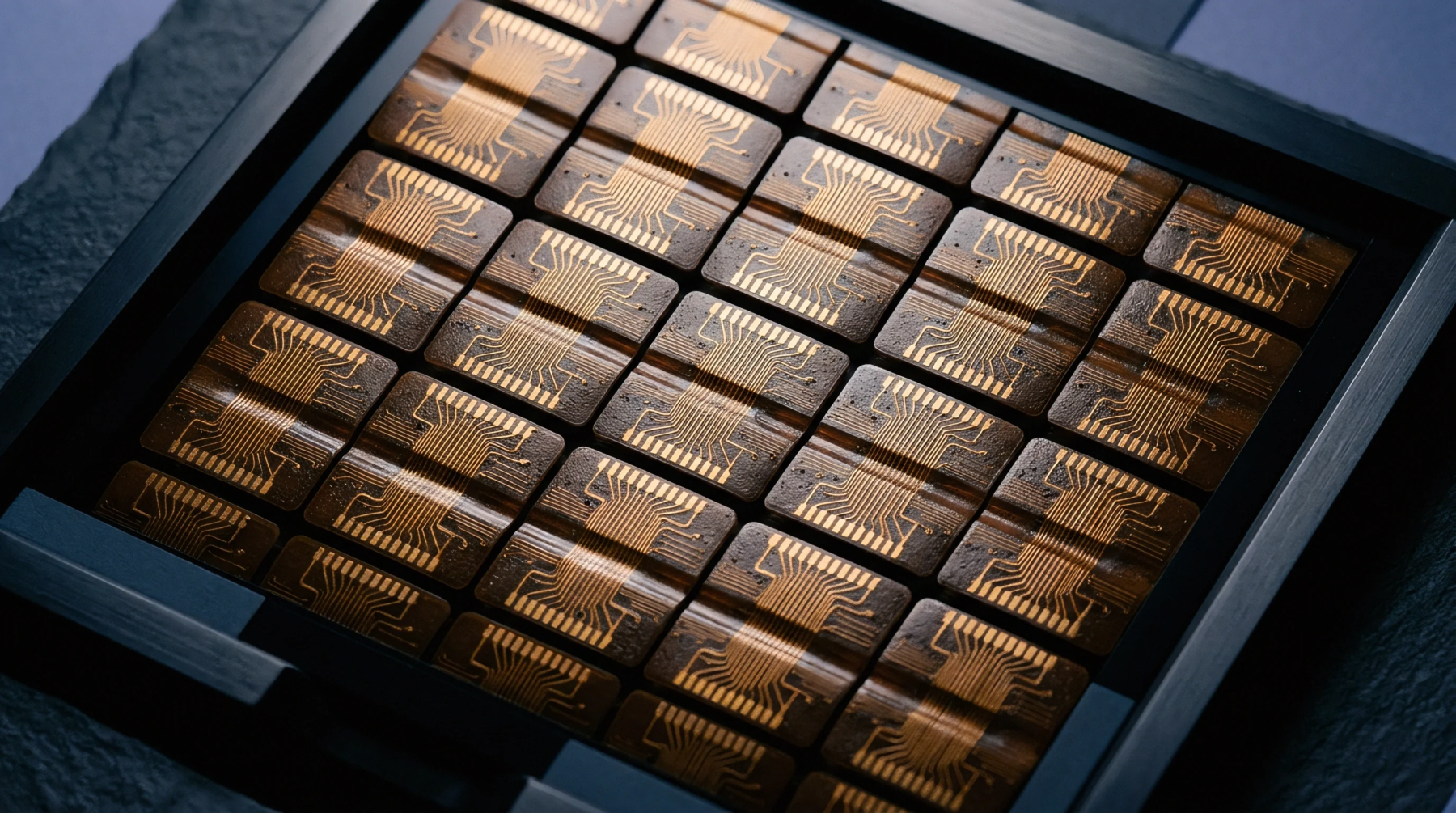
The physical stack consists of a control gate, a thin interpoly dielectric, the floating gate, and a tunnel oxide. Modern floating gate flash cells are shrunk to the limit of lithography, which makes the thickness of the oxides critical for preventing leakage. A single defect in the tunnel oxide can allow all the trapped electrons to escape, leading to a lost bit.
Application Context
Reliability requirements for industrial and automotive systems often dictate the use of this architecture over newer alternatives. Floating gate flash is particularly well suited for code storage where the number of write cycles is low but the need for long term stability is high. Designers of secure microcontrollers also favor this design because the stored charge is difficult to disturb with external electrical fields.
This makes the memory more resistant to tampering or environmental noise.