Meaning
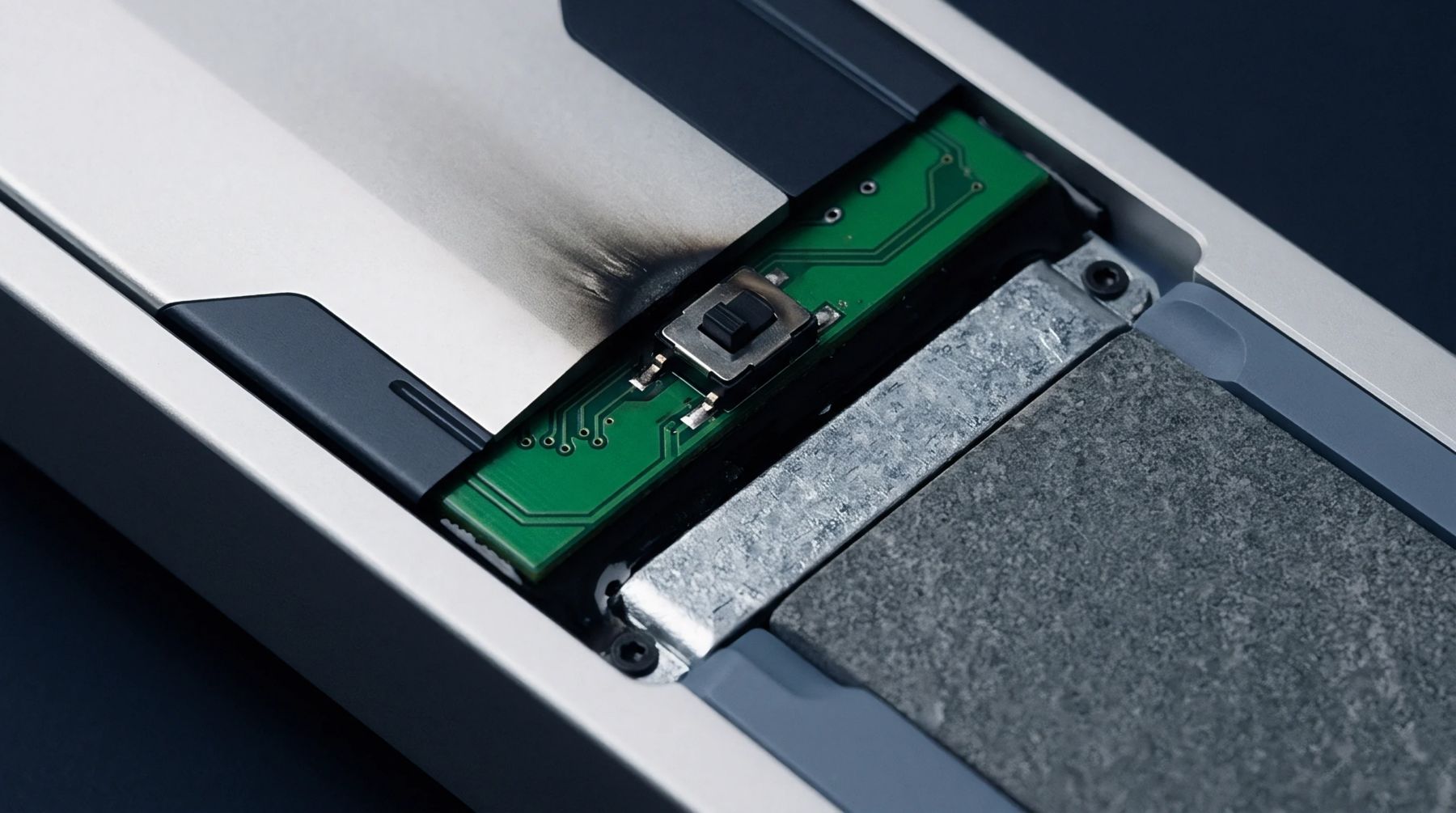
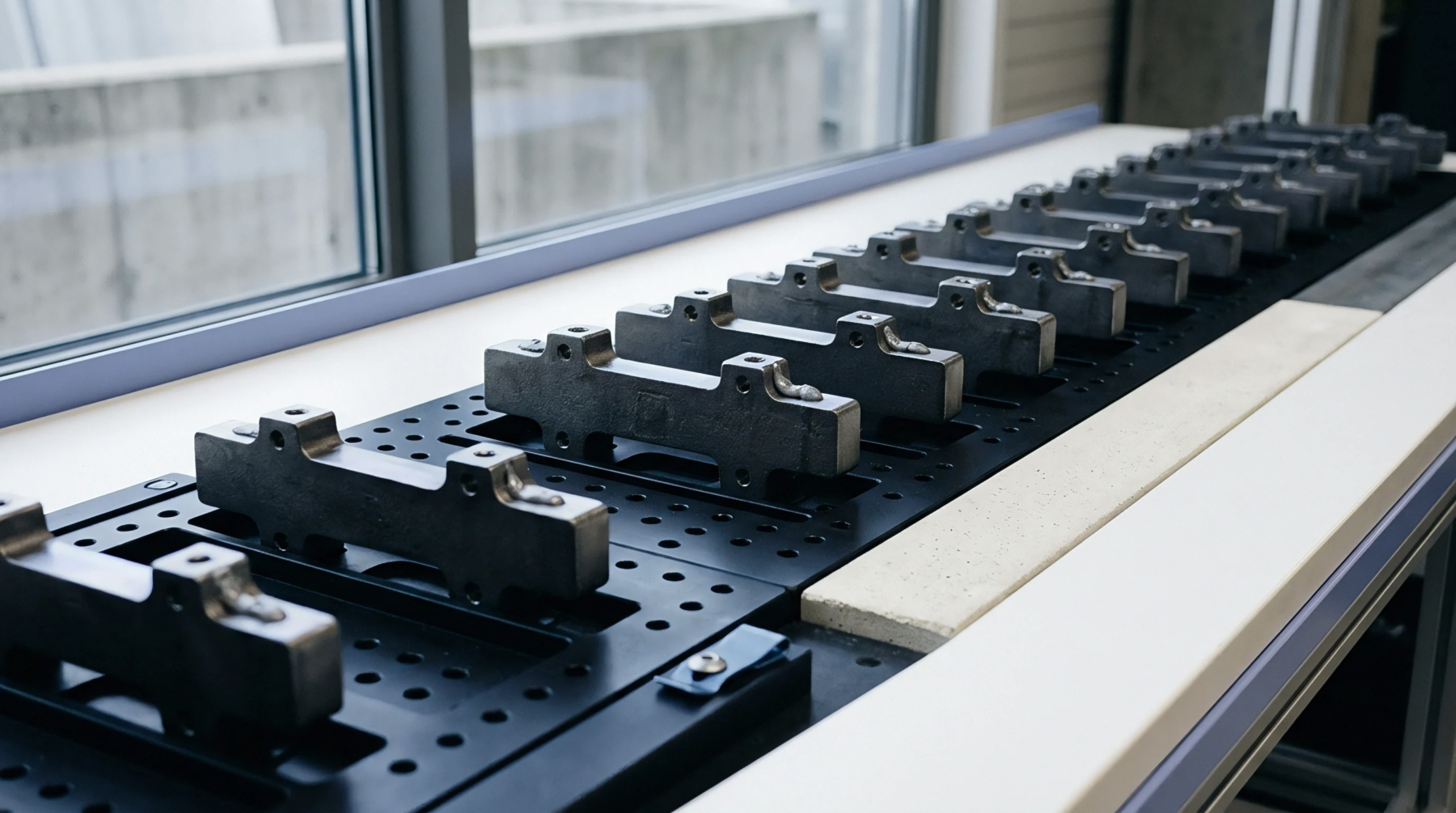
A specialized low-expansion nickel-iron alloy containing thirty-six percent nickel is utilized to maintain dimensional stability in high-precision environments. In electronics manufacturing and optical assemblies, invar 36 exhibits minimal dimensional change over a broad range of temperatures. The material maintains its physical dimensions during thermal transitions, preventing alignment errors in sensitive sensor modules or antenna structures.
This characteristic makes it suitable for mounting plates, structural frames, and calibration standards where temperature fluctuations are expected.
Thermal Performance
The low rate of thermal expansion is governed by the Invar effect, which arises from magnetic volume changes that counteract normal lattice expansion. At temperatures below the Curie point, the alloy retains its volume, providing a coefficient of thermal expansion close to zero. This coefficient remains steady between sub-zero temperatures and roughly one hundred degrees Celsius.
Beyond this limit, the rate of expansion begins to rise, returning to a value typical of standard nickel alloys.
Mechanical Property
Machining and processing must be conducted carefully to avoid introducing residual stresses that could alter the dimensional stability of the component. The alloy is relatively soft and behaves similarly to austenitic stainless steel, requiring sharp tools and controlled cooling during fabrication. Stress relief heat treatments are applied after rough machining to ensure that the material does not distort during subsequent precision finishing or when in service.
These steps prevent micro-structural shifts that would compromise the accuracy of the mounted assemblies. Additionally, the selection of compatible adhesives or fasteners is critical because mismatching with higher-expansion metals can induce structural bending at the junction under thermal stress.
Application Boundary
While the alloy excels in thermal stability, its low thermal conductivity and high density limit its use in weight-sensitive aerospace structures or rapid heat dissipation applications. In these cases, system designers must manage the thermal interface carefully by pairing it with appropriate thermal interface materials. It is also susceptible to corrosion in humid environments, which requires protective plating or coating before the assembly can be deployed in the field.