Meaning
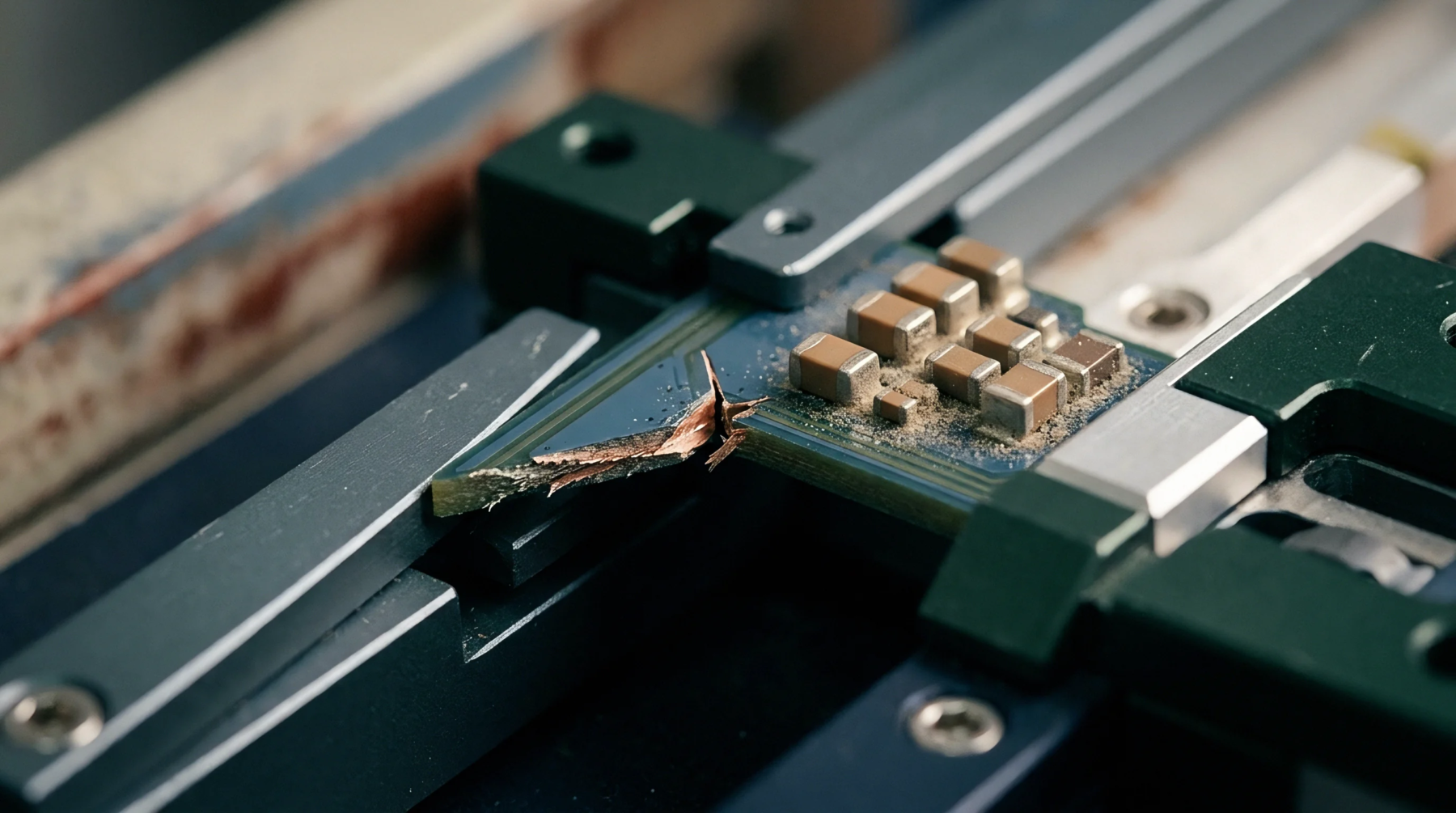
A thermal treatment process applied to joined metallic enclosures and structural frames reduces localized residual stresses induced during fusion welding. In heavy-duty electronic enclosure manufacturing and structural frame fabrication, post-weld stress relief involves heating welded assemblies to specific sub-critical temperatures and holding them for designated soak periods to relax microstructural tension without altering primary material dimensions. The process prevents micro-cracking and dynamic warping during subsequent mechanical machining or operational vibration loading.
Its scope covers thermal stress relaxation of welded metallic structures, concluding at the boundary of phase-transformation heat treatments like hardening or solution annealing.
Thermal Relaxation
Heating welded aluminum or stainless steel enclosures within controlled atmosphere ovens allows yield strength reduction at high temperatures, enabling plastic deformation of microscopic residual stress fields. Soak schedules maintain uniform temperature distributions across thick mounting flanges and thin sheet metal interfaces to avoid introducing secondary thermal gradient stresses. Controlled furnace cooling prevents rapid thermal contraction that could generate new internal shear forces across the joint zone.
Process logs document ramp rates and peak soak temperatures to verify stress relief quality.
Quality Qualification
Metallurgical qualification requires non-destructive evaluation of welded joints using ultrasonic testing, X-ray diffraction stress measurement and dye penetrant inspection. Test engineers compare residual stress readings before and after heat treatment to confirm stress reductions meet structural integrity standards. Certification documentation forms a core component of structural enclosure handover packages supplied to system integrators.
Unrelieved weld stress leads to fatigue cracking and enclosure distortion during field operational life.
Mechanical Boundary
Temperature selection must remain below alloy phase transformation points to avoid altering material temper state or yield strength. Over-heating causes grain growth, lowering tensile yield capacity and degrading mechanical toughness across structural joints. Engineers balance stress reduction efficiency against material property retention when establishing thermal schedules.