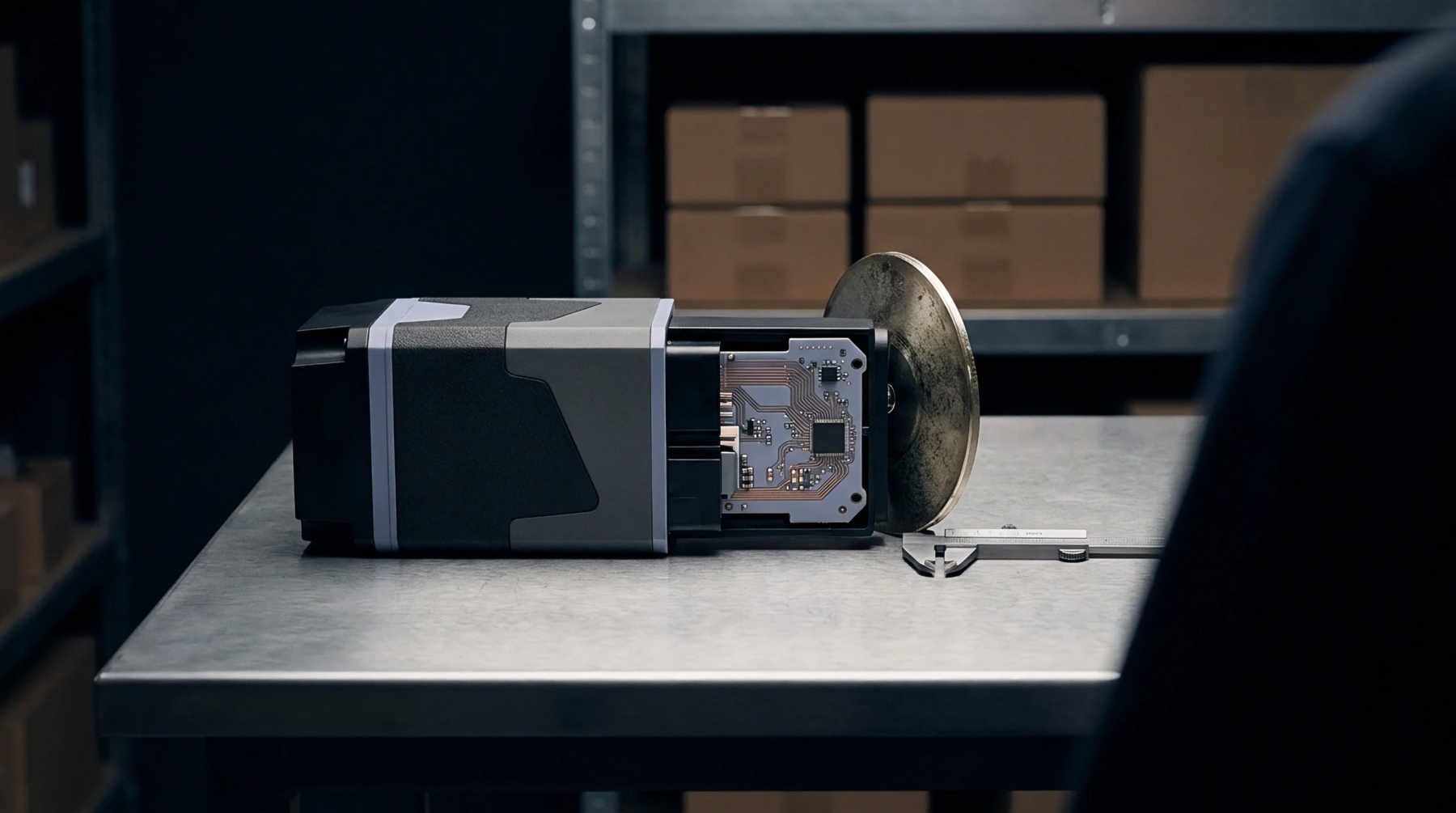
Extended Discontinuous Reception and Power Saving Mode Tuning Procedures
Tune eDRX and PSM timers by validating carrier-granted T3324 and T3412 parameters on current probes to balance sleep draw against paging latency.

Tune eDRX and PSM timers by validating carrier-granted T3324 and T3412 parameters on current probes to balance sleep draw against paging latency.
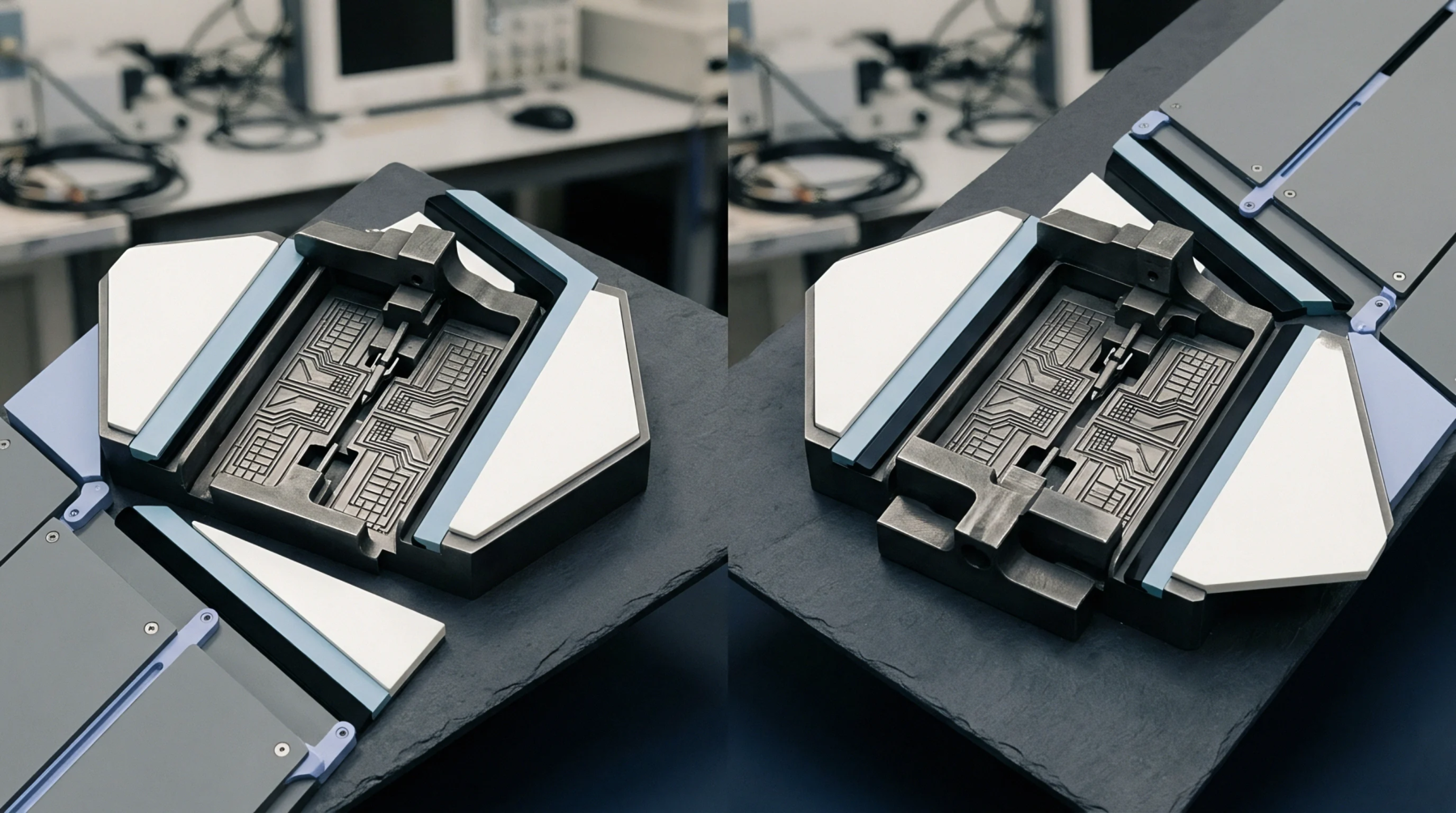
Spring relaxation reduces probe normal force, escalating false failures and diagnostic rework; scheduled pin overhauls eliminate significant operational loss.
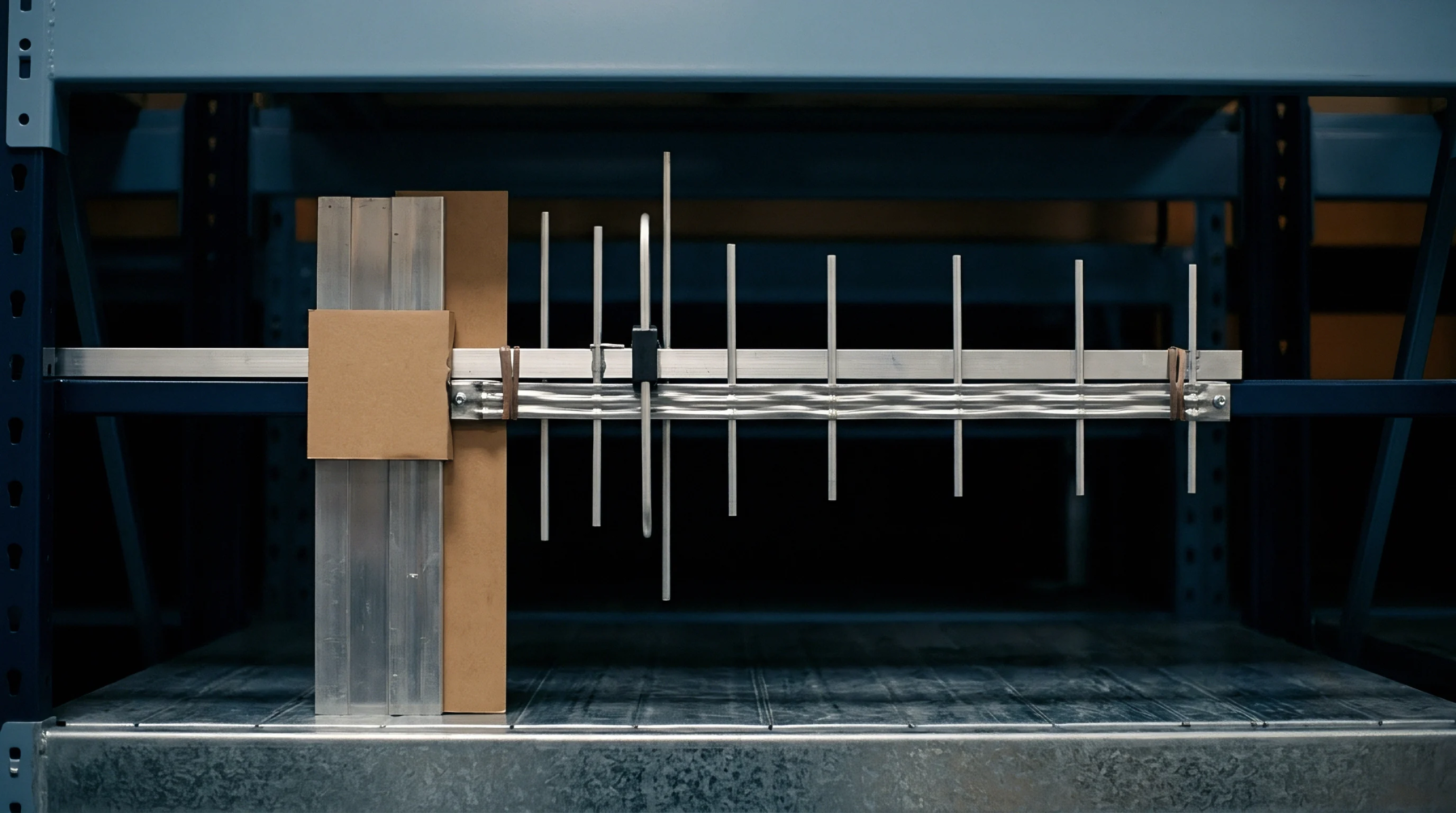
Gel fraction metrics above ninety two percent prevent moisture induced permittivity shift and eliminate radiated spurious emission failures in encapsulated antennas.

Predictive electromagnetic modeling coupled with mold flow simulation identifies polymer shrinkage detuning before tooling release to maintain dual band compliance.

Dynamic thermal gradients cause microcontroller real time clock drift by creating spatial temperature deltas between internal sensors and external crystals.

Cellular IoT power budgets depend on minimizing base station airtime, optimizing deep sleep timers, and managing peak pulse voltage drops under path loss.

Encapsulating a certified antenna assembly alters dielectric loading, requiring radiated emission re-testing to classify global regulatory change thresholds.

Mitigate overmolding antenna detuning by pre-shifting unencapsulated resonance frequencies upward and validating dielectric permittivity shifts in anechoic chambers.
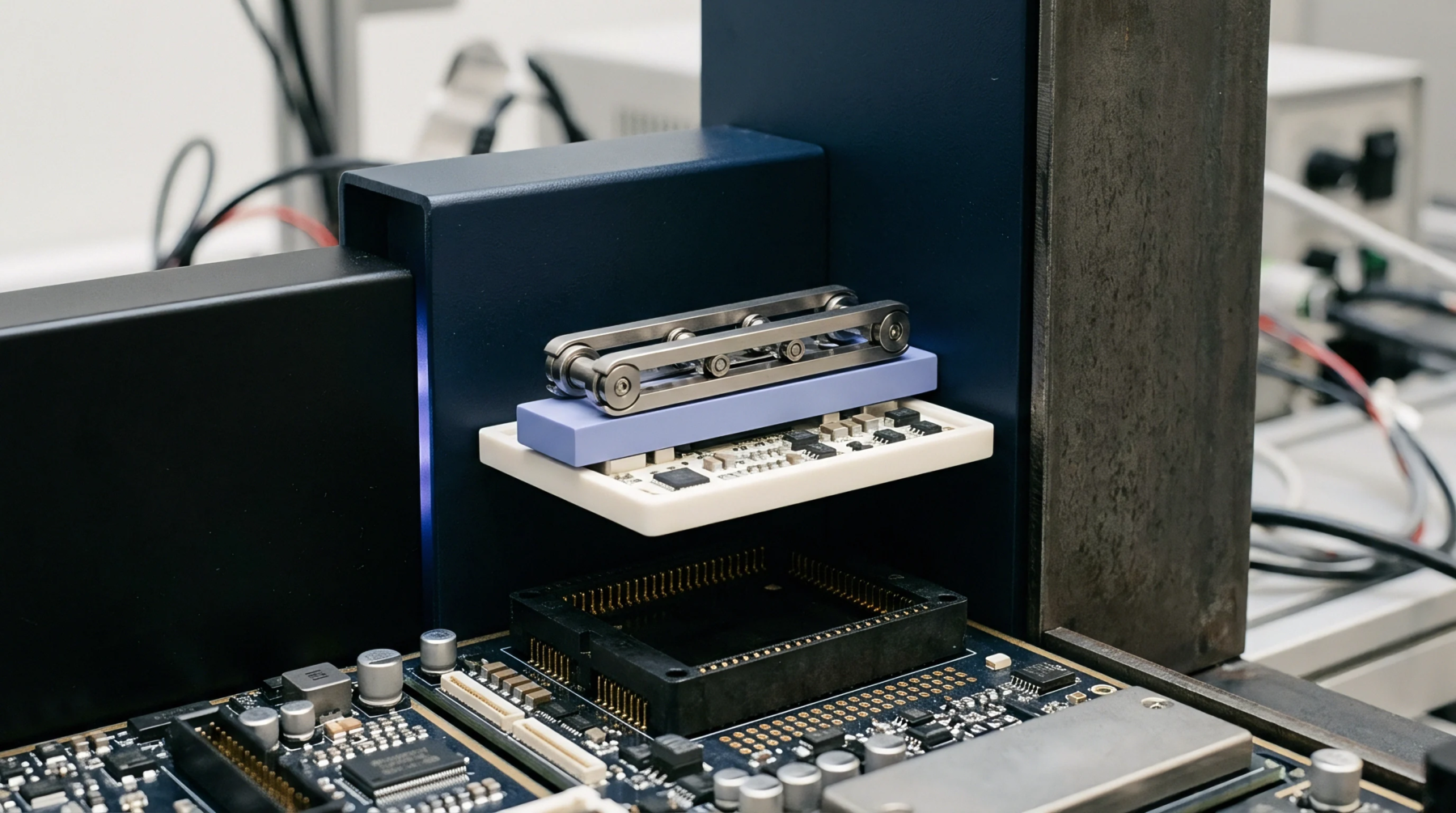
Unresolved mutual recognition rules leave unpowered radio cargo vulnerable to customs gate failures when flat batteries detune antennas and block automated sweeps.
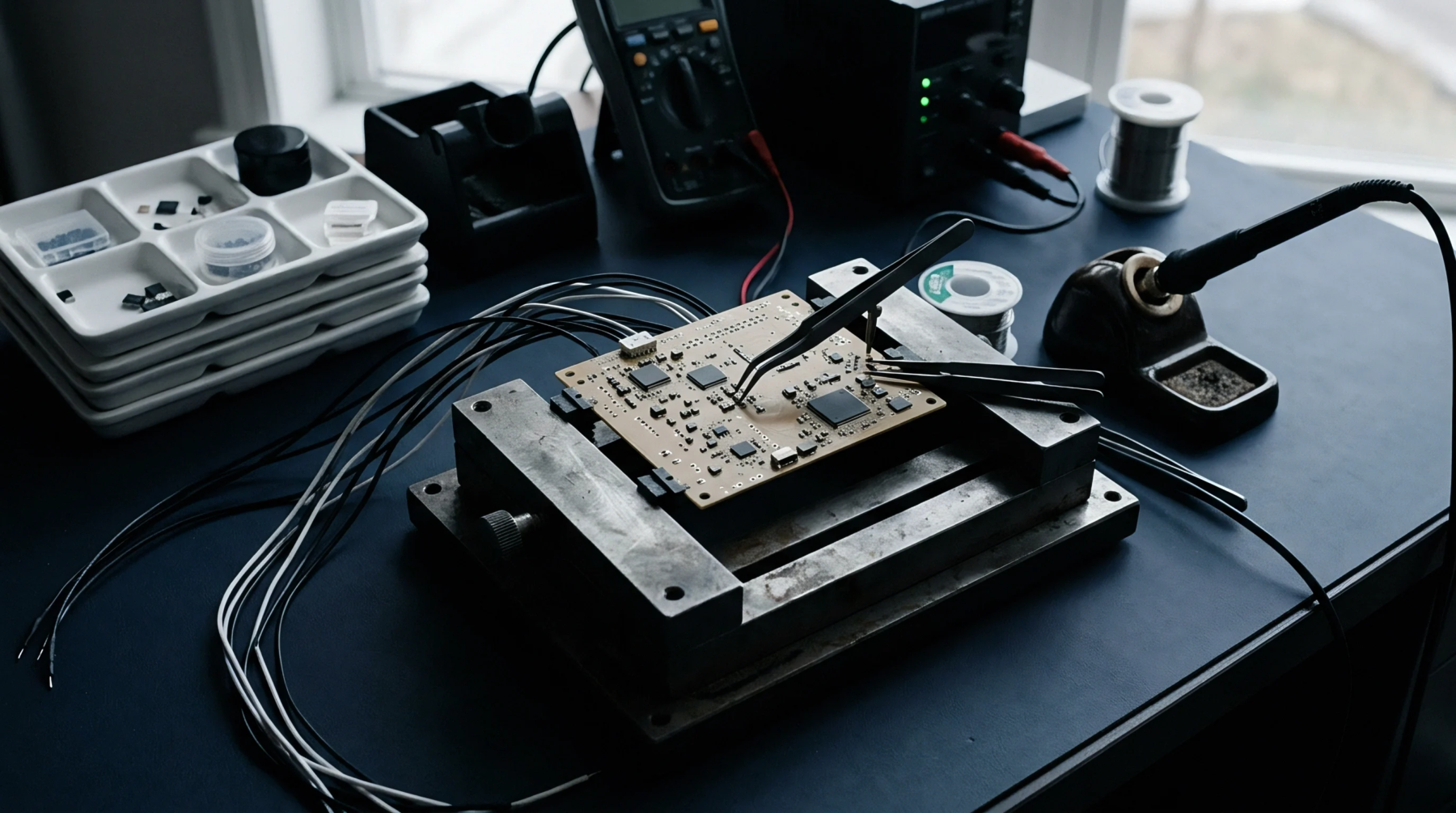
Dynamic receiver window sizing balances clock drift guard margins against active listen current to protect battery life without risking packet clipping.

Optimize low-power radio crystal selection by balancing negative resistance safety margin against startup time to slash active battery drain.

Automated radiated emission testing across stepped battery depletion levels isolates brownout regulator noise spikes before formal carrier and FCC approvals fail.
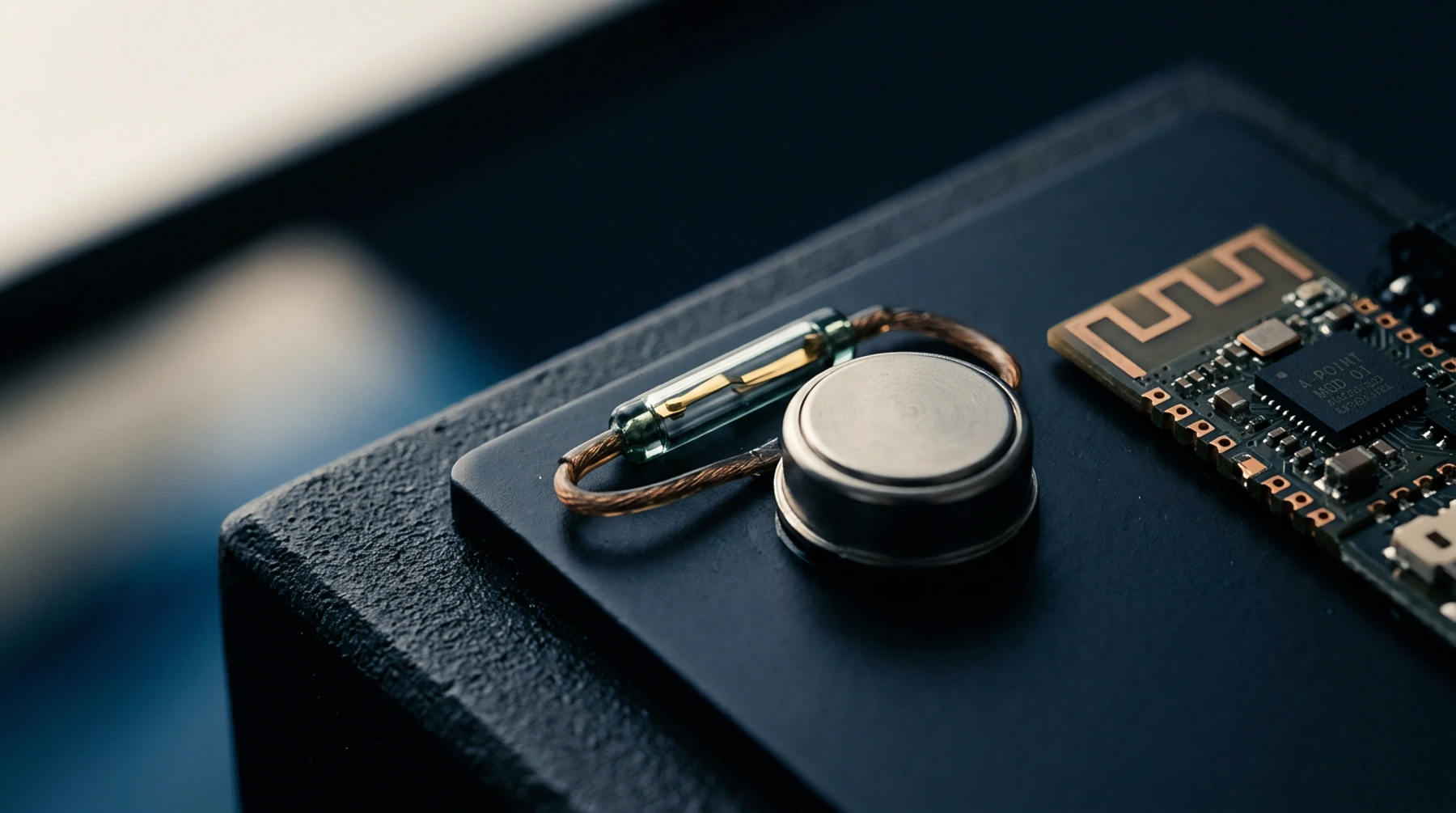
Thermal gradients from RF transmit bursts cause RTC crystal frequency drift, requiring copper plane isolation slots to maintain LPWAN sleep-wake timing precision.

Sub-GHz guard windows must equal twice the joint crystal thermal error multiplied by sleep interval plus preamble acquisition time to prevent packet loss.
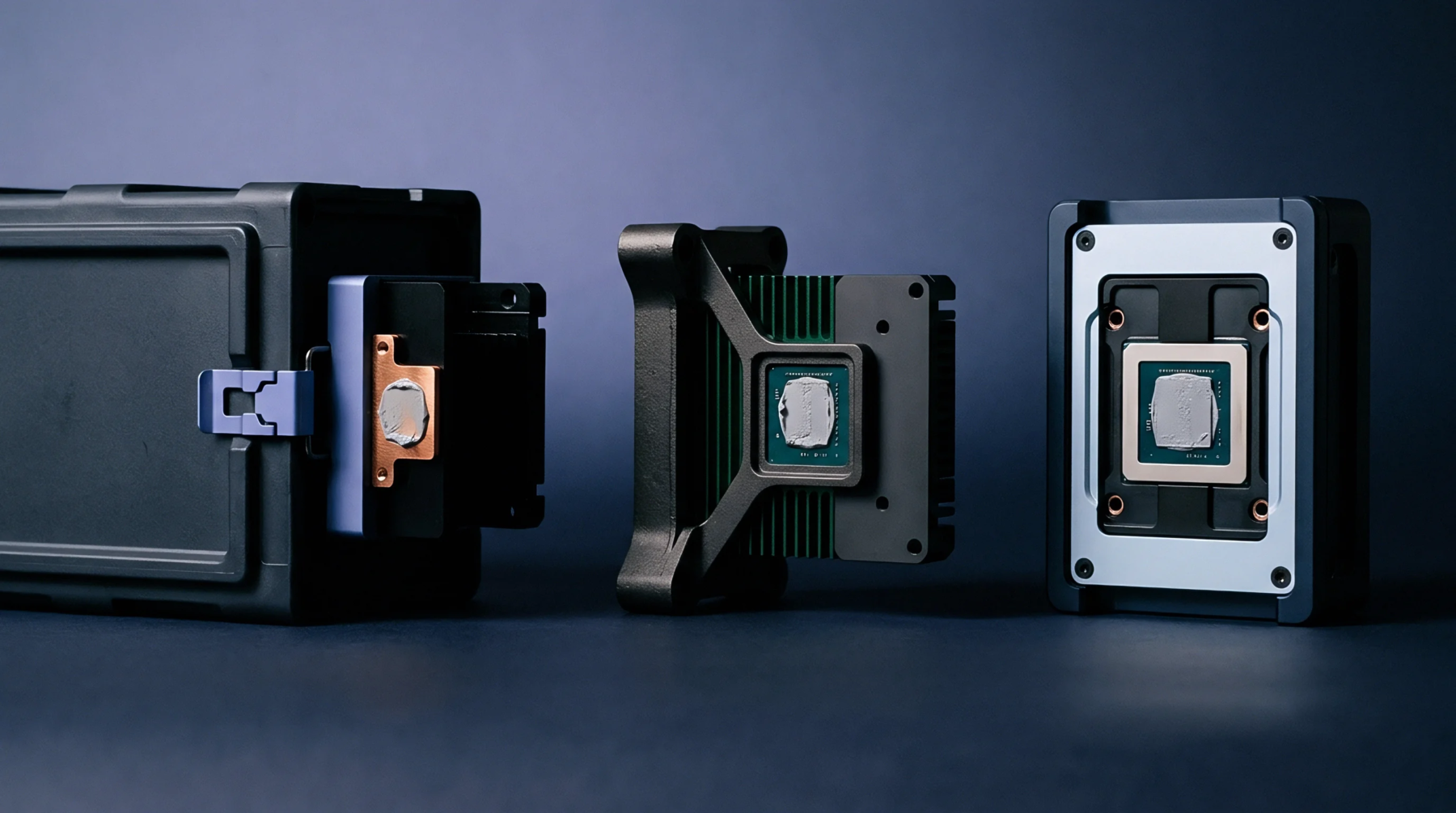
Specify viscoplastic creep laws and coupled thermal expansion in tooling contracts to prevent unmodeled preload loss and parting line gaps.

Predicting multimetallic tooling slip requires coupling temperature-dependent contact friction with fastener creep models and transient autoclave pressure profiles.

Thermal crystal drift forces receiver window widening and carrier offset compensation, driving trade-offs between TCXO unit cost and battery capacity.

Calculate casting shrinkage in tooling alloys by combining phase contraction coefficients with geometric restraint factors and directional machining stock allowances.

Dynamic thermal gradients pull quartz oscillator frequencies beyond tracking loop limits, inducing packet preamble synchronization failures in low-power links.

Depleted wireless imports clear customs through dangerous goods transport compliance, physical exterior radio marking verification, and validated salvage logs.

Independent physical assembly and bit-for-bit cleanroom firmware compilation from escrowed files establish production continuity during supplier insolvency.

A complete firmware repository handover requires deterministic build parity, pinned toolchain containers, and unencumbered license rights for production.

Dynamic thermal gradients cause rapid sleep timer drift in sub-GHz transceivers, requiring adaptive polynomial or pulse-counting calibration to prevent energy-draining receive window expansion.

Module IP classifications in SOW contracts must split background platform code from custom radio layouts and link milestone payments to native source escrow release.

Real ownership of custom wireless hardware requires bit-for-bit reproducible firmware source, factory calibration test vectors, and clear silicon patch terms.
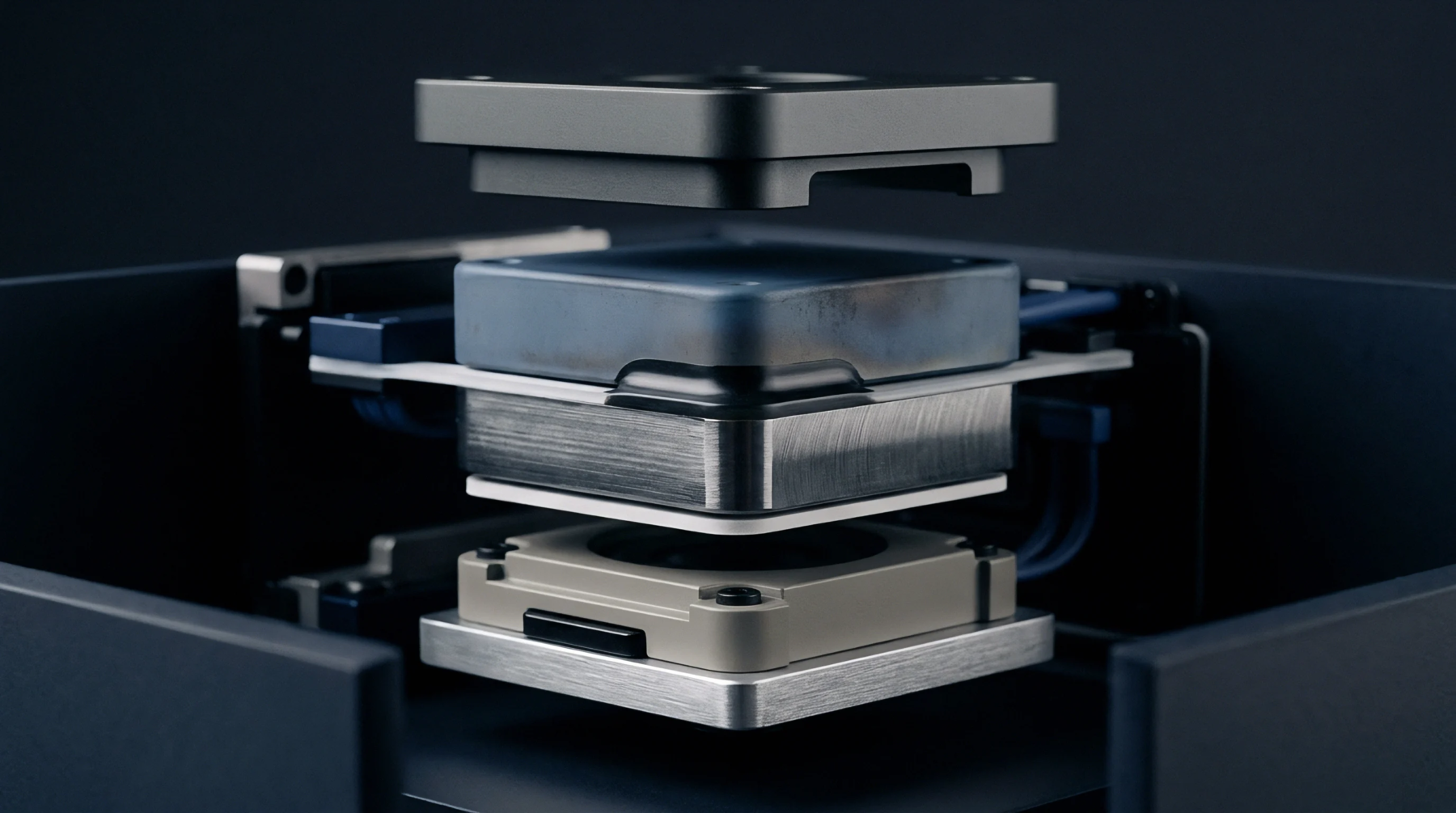
Semicustom module break-even hinges on balancing upfront engineering charges against unit bill-of-material reductions across projected volume thresholds.

Harmonizing modular radio scopes across customs points requires matching external host labels to upstream grant IDs backed by a host-level technical dossier.

Relocated metrology frames exhibit months of viscoelastic anchor creep and joint micro-slip, requiring staged retention milestones and temporal drift models.

Resolving host radio customs holds requires executing an accredited Class II Permissive Change to align modular grant scope with final host hardware geometry.

Base wireless module unit economics balance silicon bill-of-materials costs and testing yields against the volume needed to dilute fixed certification capital.
Expertise is a utility, not a secret. sentiention™ publishes its working knowledge as open reference: intelligence layer covering the materials it sources, the markets it enters, and the reference that serves both.