
Managing Grant Discrepancies during Import Inspections
Resolve import grant discrepancies by transferring cargo to bonded storage, executing Class II permissive changes, and completing supervised relabeling.

Resolve import grant discrepancies by transferring cargo to bonded storage, executing Class II permissive changes, and completing supervised relabeling.

Resolving regulatory discrepancies requires binding supply agreements, host radiated validation, precise regional firmware power caps, and escrow reserves.

Controlled spring preloads isolate thermal growth and eliminate micro-slip hysteresis along precision optical encoder scales.

Dynamic digital trimming and pulse swallowing counter quartz parabolic thermal drift, preventing expanded radio listening windows and premature battery drain.

Dynamic roaming timer restrictions compress cellular power saving intervals, requiring autonomous module detach logic to halt accelerated primary cell depletion.
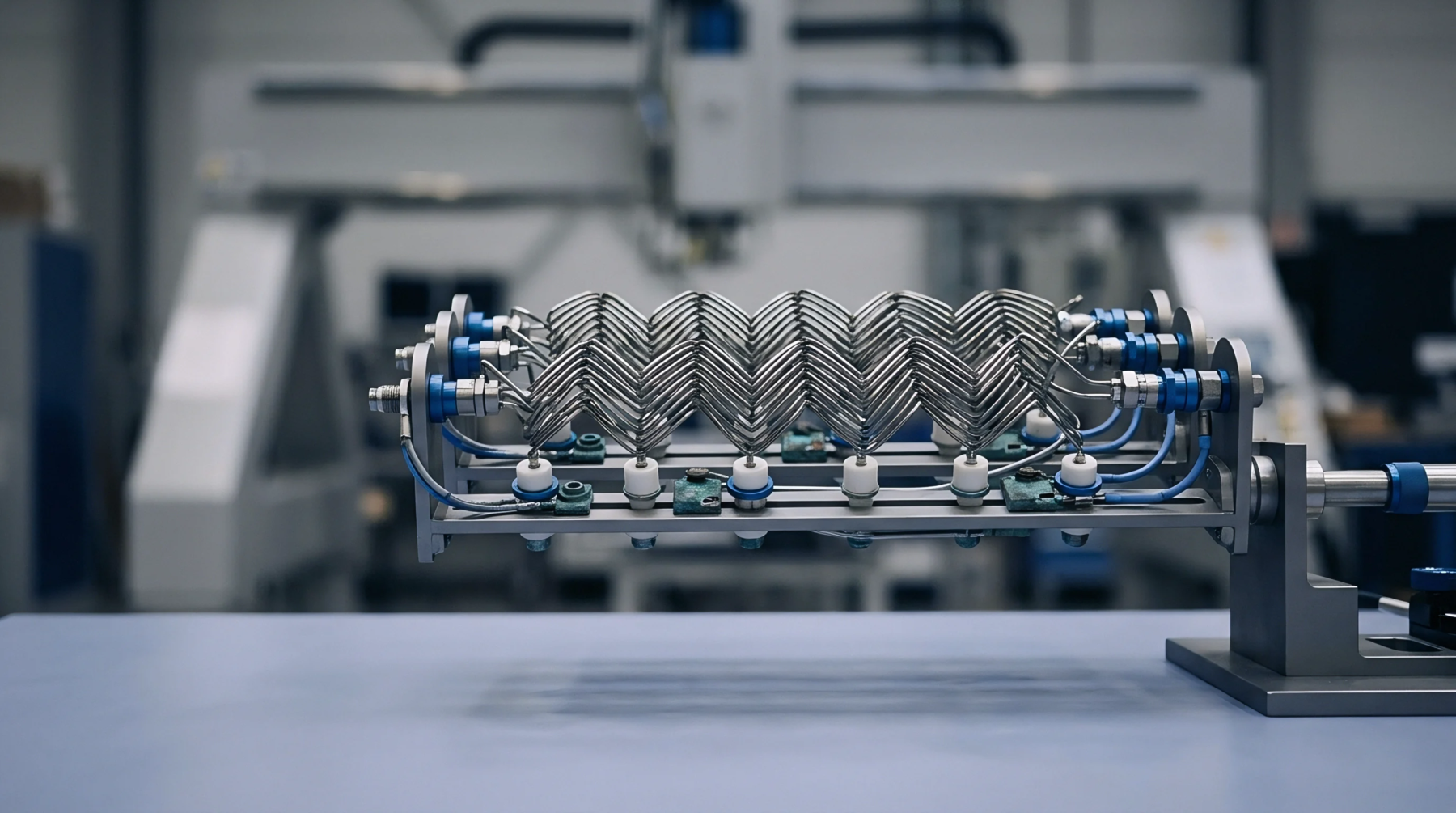
Baseband backoff timers mitigate power spikes by enforcing low-current standby states during carrier roaming rejection sequences.

Host integration changes triggering Class II filings demand targeted chamber re-scans, updated SAR evaluations, and TCB attestation before market release.

Verify modular radio grants, match physical host labels to database records, and test unintentional chassis emissions to secure smooth import clearance.

Precision scale relocation demands staged unpowered thermal soaking and powered warm-up to eliminate chassis gradients before performing span calibration.
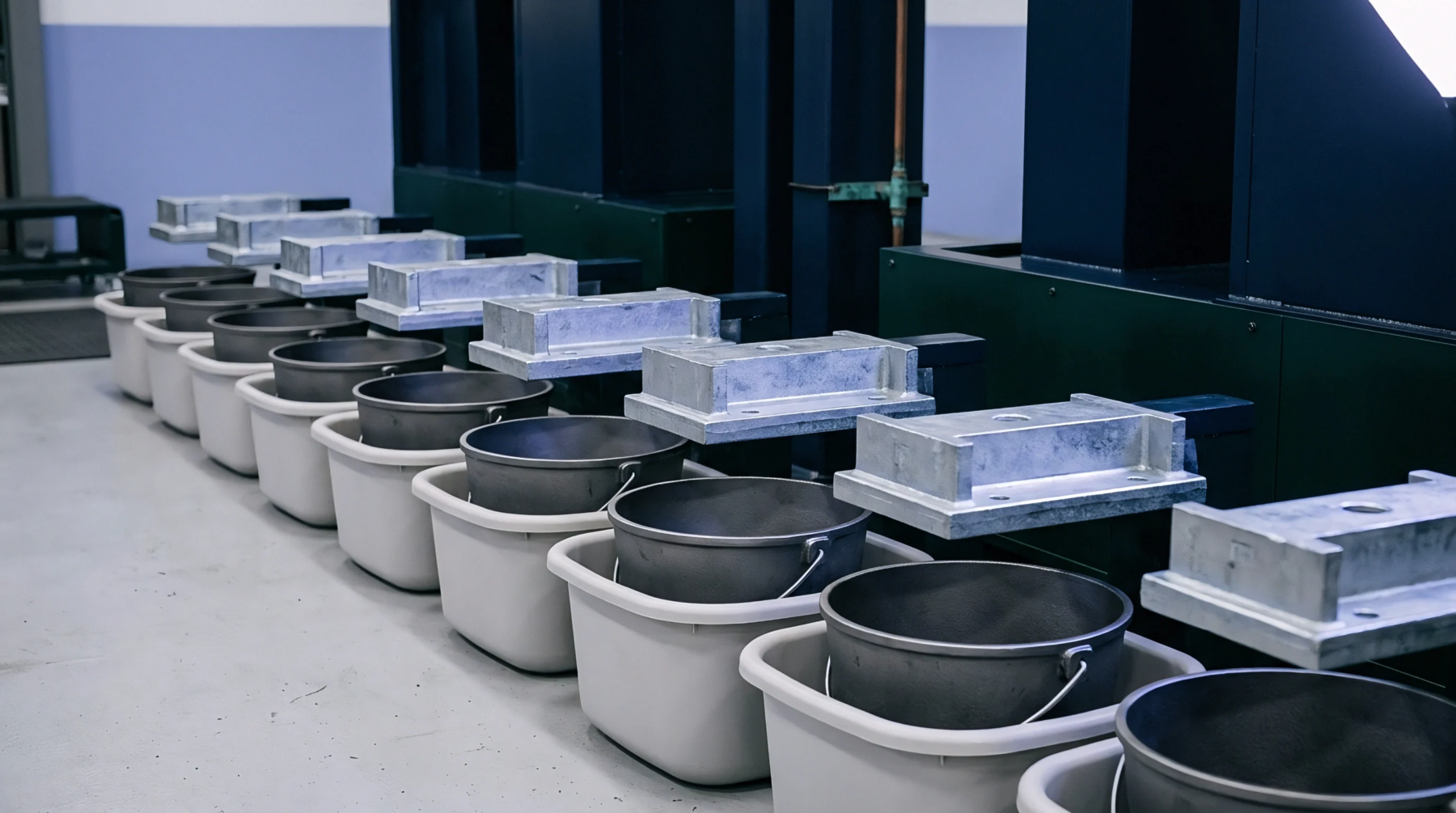
Quantifying CMM transport frame distortion limits requires pre-move laser metrology, tri-axial shock tracking under 2.5 G, and precision re-leveling.

Pre-move ISO 10360 baseline maps isolate transit damage from site errors, preserving coordinate machine volumetric accuracy across facility moves.
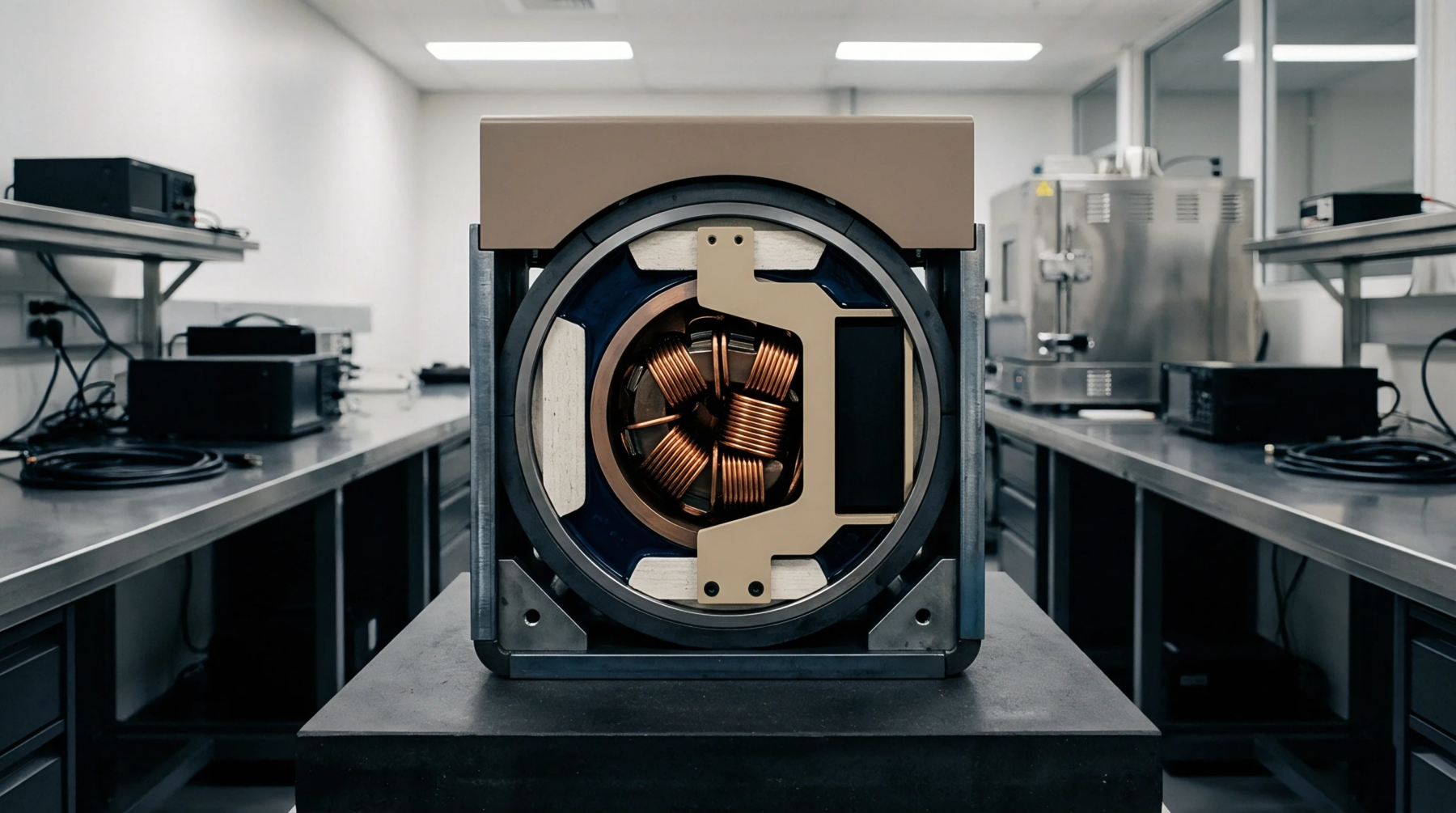
Pre-relocation CMM baseline calibration executes ISO 10360-2 volumetric tests and archives software error maps to establish legal liability before transport.

Contractual toolchain decay liability requires containerized build escrows, bit-for-bit verification covenants, and explicit re-certification indemnities.

Managing anisotropic permittivity drift in high-temperature modular enclosures prevents antenna detuning and costly Class II Permissive Change retests.

Structured retainer allocation models protect long-lifecycle hardware programmes by funding containerized toolchain maintenance and active test jigs.

Dielectric drift from aged radomes alters antenna match and spurious emissions, converting minor enclosure changes into mandatory Class II permissive filings.
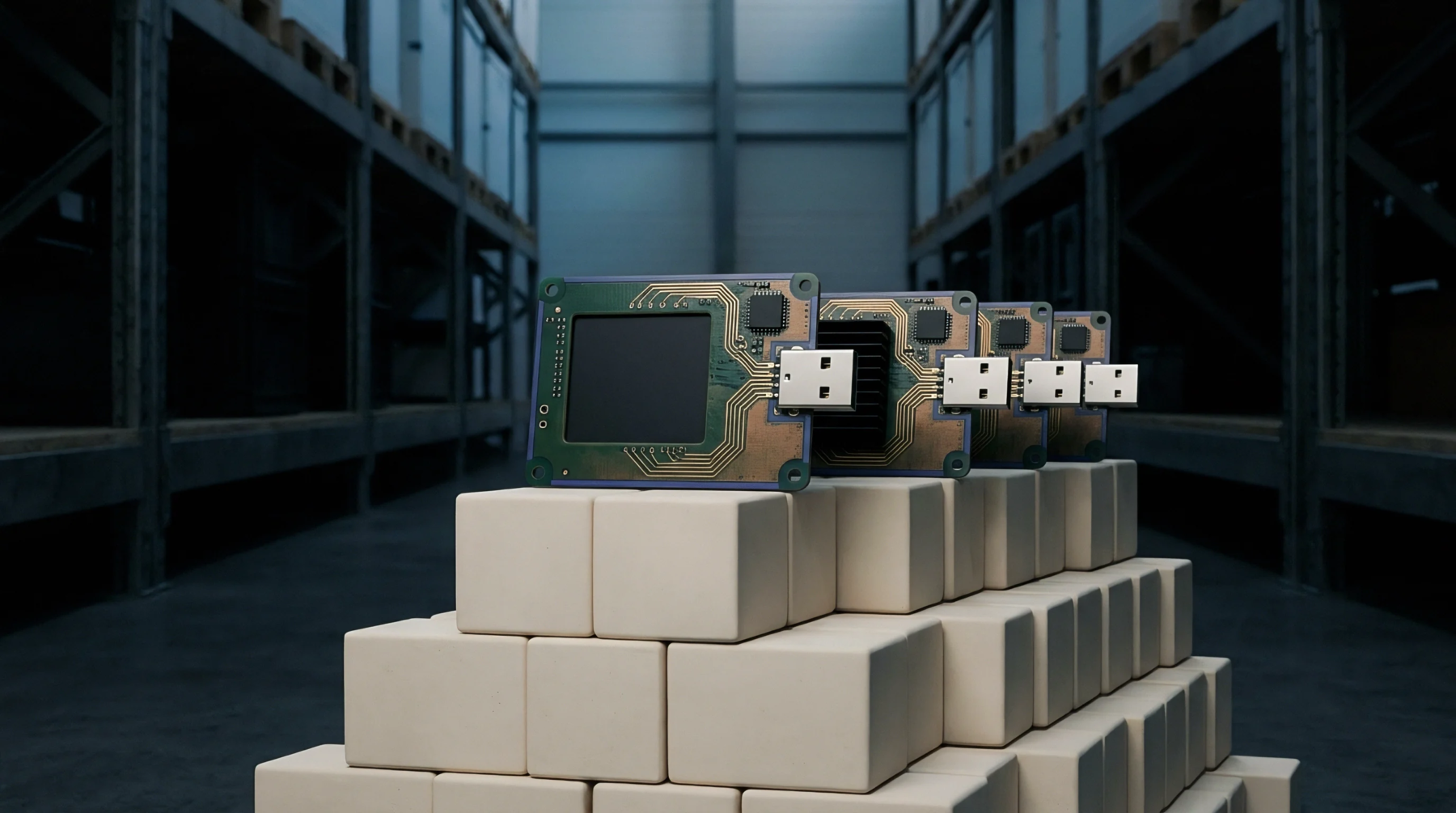
Preserving firmware build environments via containerization ensures multi-decade binary reproducibility and eliminates external dependency collapse during design transfers.

Thermal drift in anisotropic composite substrates causes RF detuning and regulatory non-compliance requiring permissive change re-testing across temperature extremes.

Radome permittivity shifts from polymer environmental aging alter radar spatial masks and EIRP, invalidating type approval grants without permissive change recertification.

Contractual remediation obligates binary blob vendors to provide source escrow, wrapper shims, or fixed SLA delivery for upstream LTS kernel compatibility.

Initial eUICC registration draws sustained peak current during crypto handshakes and band scans, demanding capacitive buffering and limited band search masks.

A contract manufacturer BSP handover succeeds only when delivering complete, containerized source repositories that reproduce bitwise-identical images.

Permittivity budgets at W-band demand tight core tolerances to hold transmission loss and phase shift within regulatory EIRP margins.
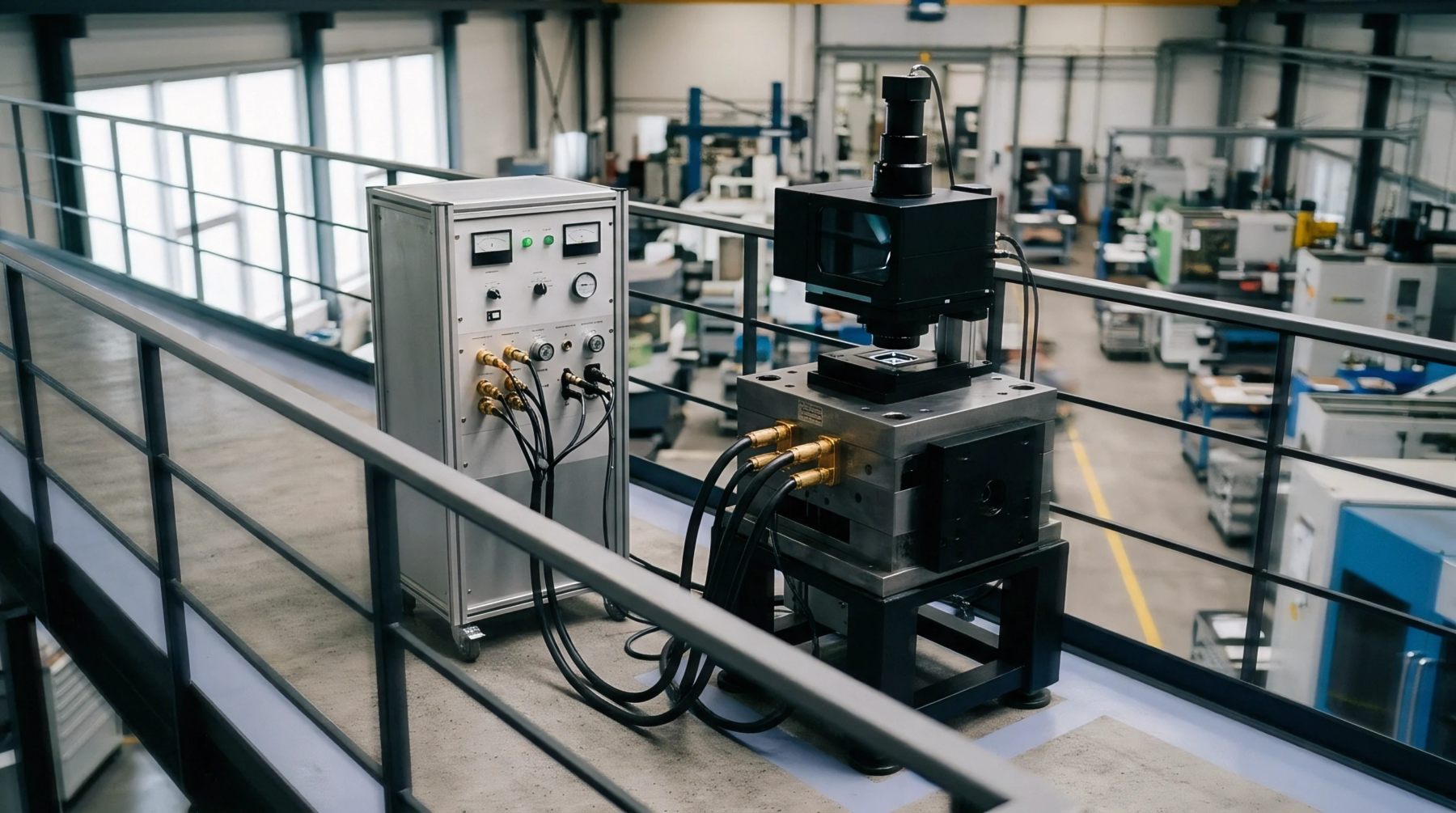
Characterizing automotive radar enclosures demands resonant cavity screening for raw resins and quasi-optical free-space sweeps for painted multilayer fascias.

Low-level driver allocation fixes system latency, flash requirements, and code ownership across semi-custom module hardware boundaries.

Secondary radio module sourcing demands either grantee authorization for a Class II change or a fresh equipment grant under an independent host FCC identifier.

Visited infrastructure overrides force module backoff timers and FPLMN writes that drain batteries unless firmware manages non-volatile state logic.

Harmonize regional test parameters into a unified worst-case test plan to minimize chamber time and maintain cross-border radio grants across platform revisions.

Non-Access Stratum signaling failures during roaming stem from core-level reject codes and timer overrides that deplete device batteries via continuous re-attaches.

Cross-border NAS throttling activates multi-hour back-off timers; blind firmware reset loops trigger catastrophic battery drain and field failure.
Expertise is a utility, not a secret. sentiention™ publishes its working knowledge as open reference: intelligence layer covering the materials it sources, the markets it enters, and the reference that serves both.