Meaning
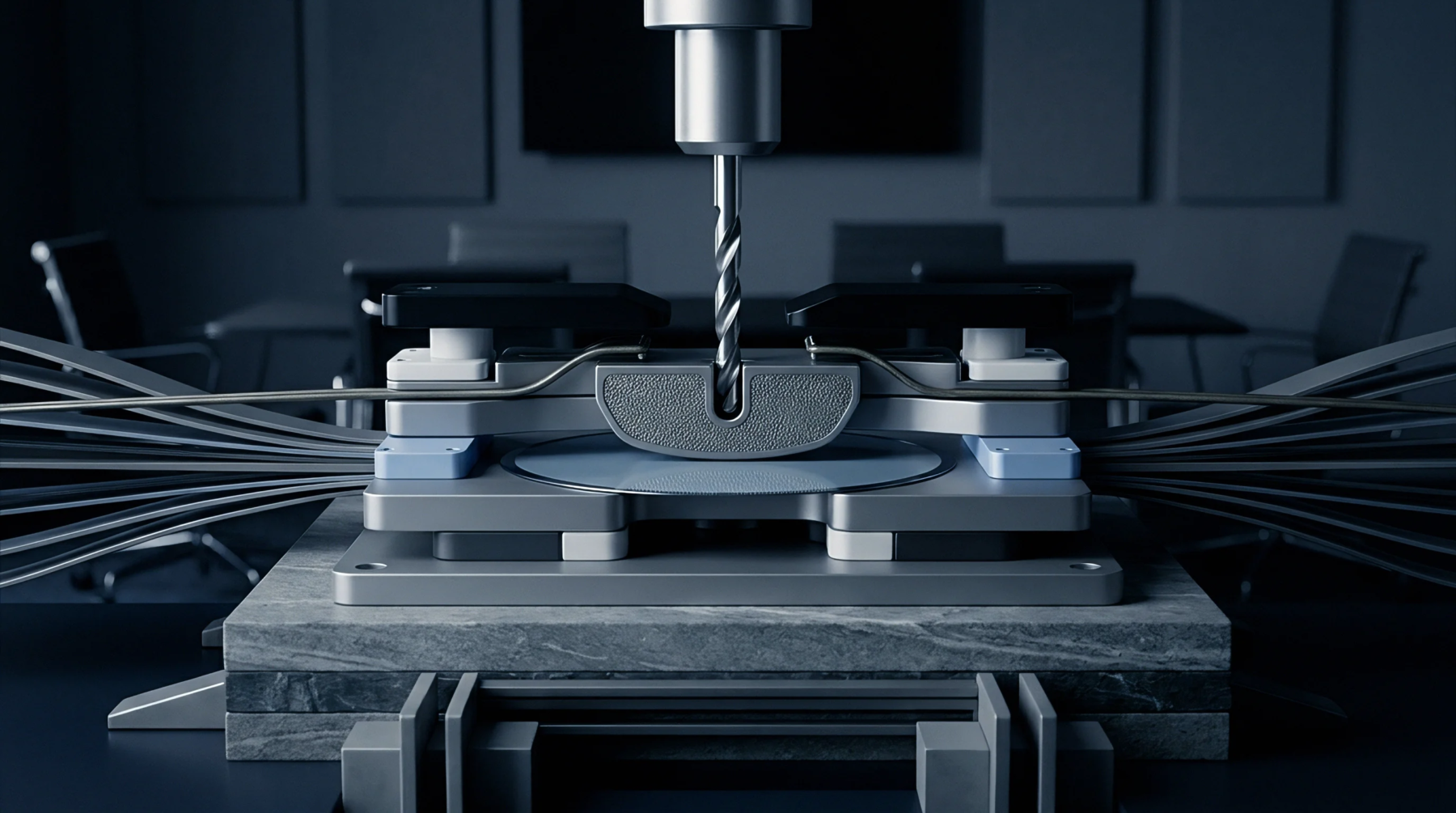
Alphanumeric or machine-readable marking applied directly to individual mold tooling blocks provides structural traceability across multi-cavity injection runs. Fabricating smart device chassis across duplicate tooling nests requires cavity insert serialization to isolate mechanical drift and coordinate dimensional inspection back to the originating core piece. The identification sequence stops governing once an insert undergoes destructive re-machining or structural scrap disposal.
Marking Depth
Direct part identification requires permanent surface alteration via laser engraving or sinker electrical discharge machining. Implementing cavity insert serialization establishes direct line-of-sight identification without altering critical parting line shutoffs or resin flow paths within the impression. Molded plastic components reproduce these recessed marks as raised features, allowing automated optical sortation units to register sub-millimeter defects back to specific cavity numbers.
Thermal stresses during production cycles must not degrade the character relief, maintaining visibility across high-temperature resin runs.
Validation Protocol
First article dimensional inspection reports verify that character geometry matches tooling fabrication drawings across every position in the frame. Metrology personnel log each individual core block code alongside optical measurement data before authorizing tool sign-off. Defective parts identified during qualification can be traced directly to an isolated insert without halting parallel cavity output.
Lineage Retention
Tooling maintenance documentation tracks every cavity block exchange against lifetime shot tallies. Replacing a worn core requires recording the legacy identifier alongside the replacement block code in the production ledger. This continuous tracking routine prevents tooling discrepancies from polluting overall yield data across multi-year manufacturing runs.