Meaning
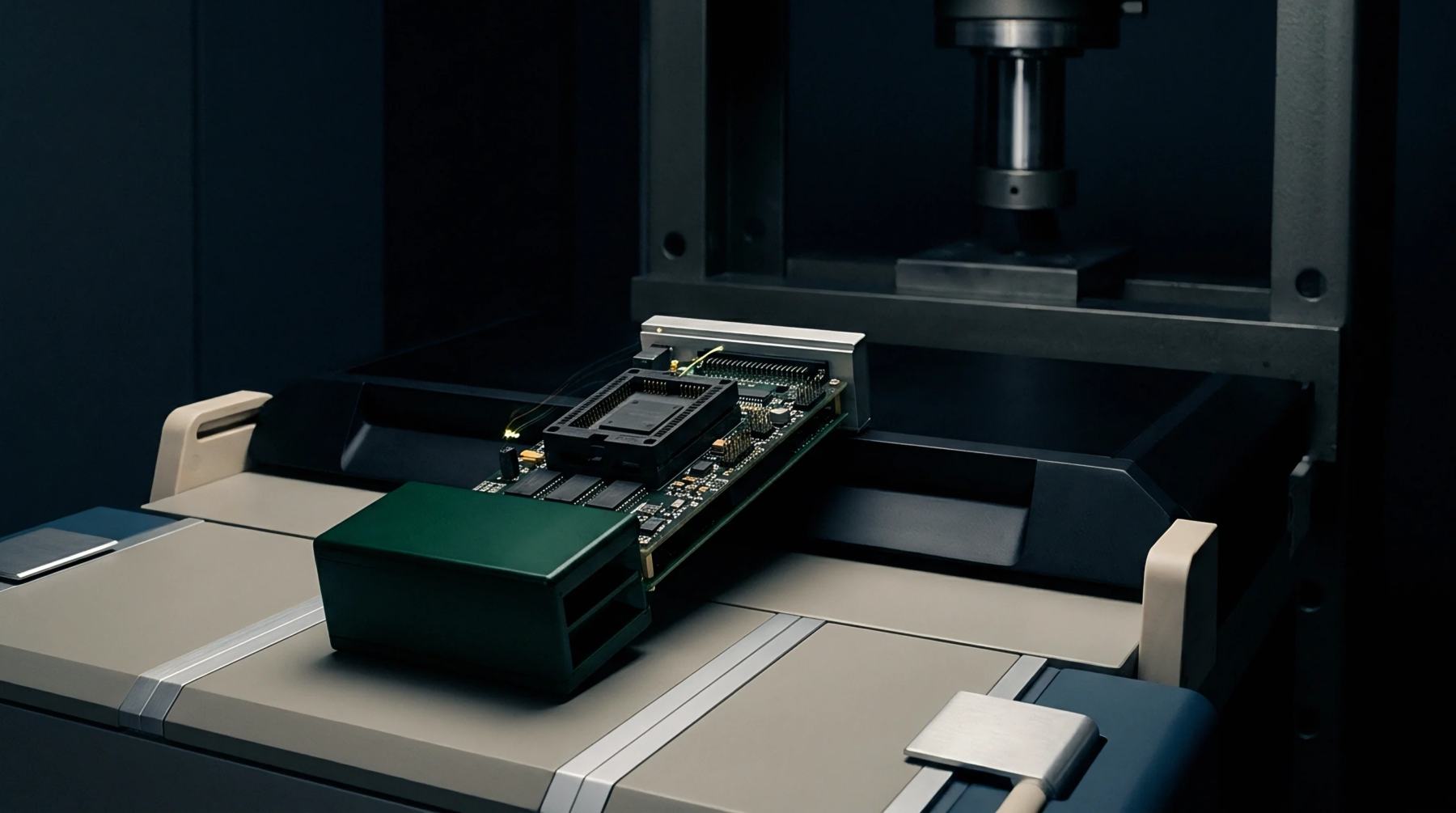
Interconnection methods for electronics utilize mechanical interference to create a gas-tight electrical path between a pin and a circuit board. This press-fit technology eliminates the need for wave soldering or reflow processes, reducing the thermal stress on sensitive components. It is the preferred choice for dense connectors where solder bridging would be a risk.
Mechanical Bonding
Retention relies on the radial force exerted by the deformed pin against the plated walls of the hole. Because press-fit technology creates a cold weld between the metals, the connection is highly resistant to vibration and thermal expansion. The lack of chemical flux also improves the long-term reliability of the assembly.
Design Flexibility
Components can be replaced or repaired without damaging the board by simply pressing out the old part. Engineers using press-fit technology can mix different connector types on the same substrate.
Manufacturing Control
High-precision presses and monitoring software ensure that every insertion meets the specified quality standards. Successful application of press-fit technology requires strict control over the drilling and plating of the PCB holes. When executed correctly, the process results in a cleaner and more durable product than traditional soldering.
This durability is confirmed through cross-sectioning and micro-resistance measurements. Reliability stays high.