
Measurement Uncertainty Mechanics across Accredited Laboratories during Multi Market Radio Retests
Radio measurement uncertainty differences across accredited labs require mandatory 6 dB design guardbands to prevent market surveillance failures.
Radio measurement uncertainty differences across accredited labs require mandatory 6 dB design guardbands to prevent market surveillance failures.

A unified radio test plan executed in accredited chambers minimizes duplicate scans, reduces retest risks, and opens multi-market regulatory approval streams.

Quantifying mmWave radiated spurious uncertainty expansion factors converts raw measurement deviations into defensible ninety-five percent compliance margins.

Low-frequency pre-scan correlation requires analytical transfer functions compensating for enclosure wall reflections, reactive coupling, and antenna factor shifts.
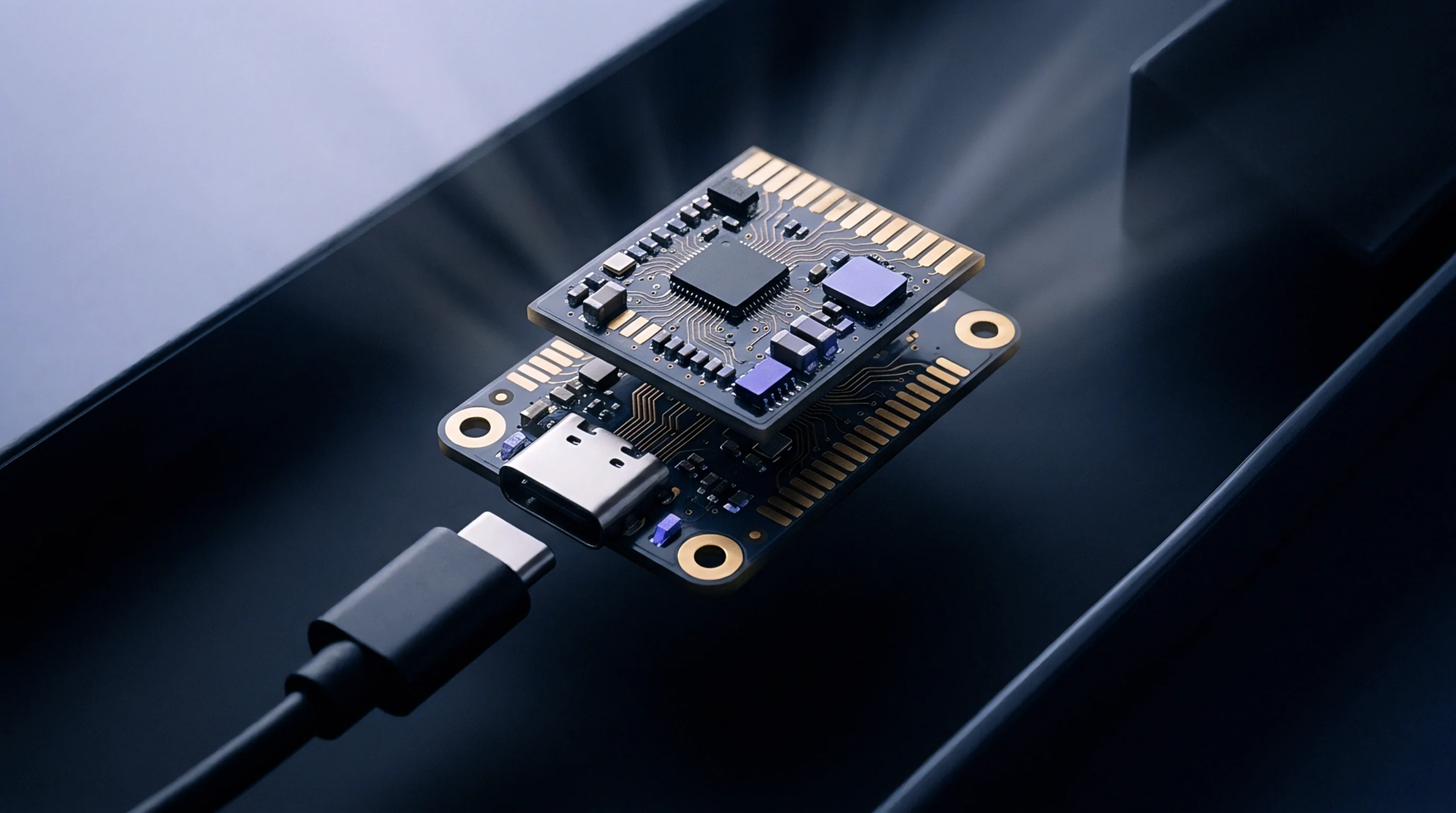
Auditing ISO IEC 17025 test reports against active laboratory scope schedules prevents expensive certification rejections and product market holds.

A test fixture statement of work must specify pin contact physics, calibration traceability, measurement uncertainty budgets, and native design deliverables.

Auditing test laboratory scopes requires matching exact standard versions, frequency limits, and regulatory recognition before filing market entry applications.

Unaccredited test reports and defective declarations expose landed shipments to immediate border detention, mandatory re-testing, and complete inventory writedowns.
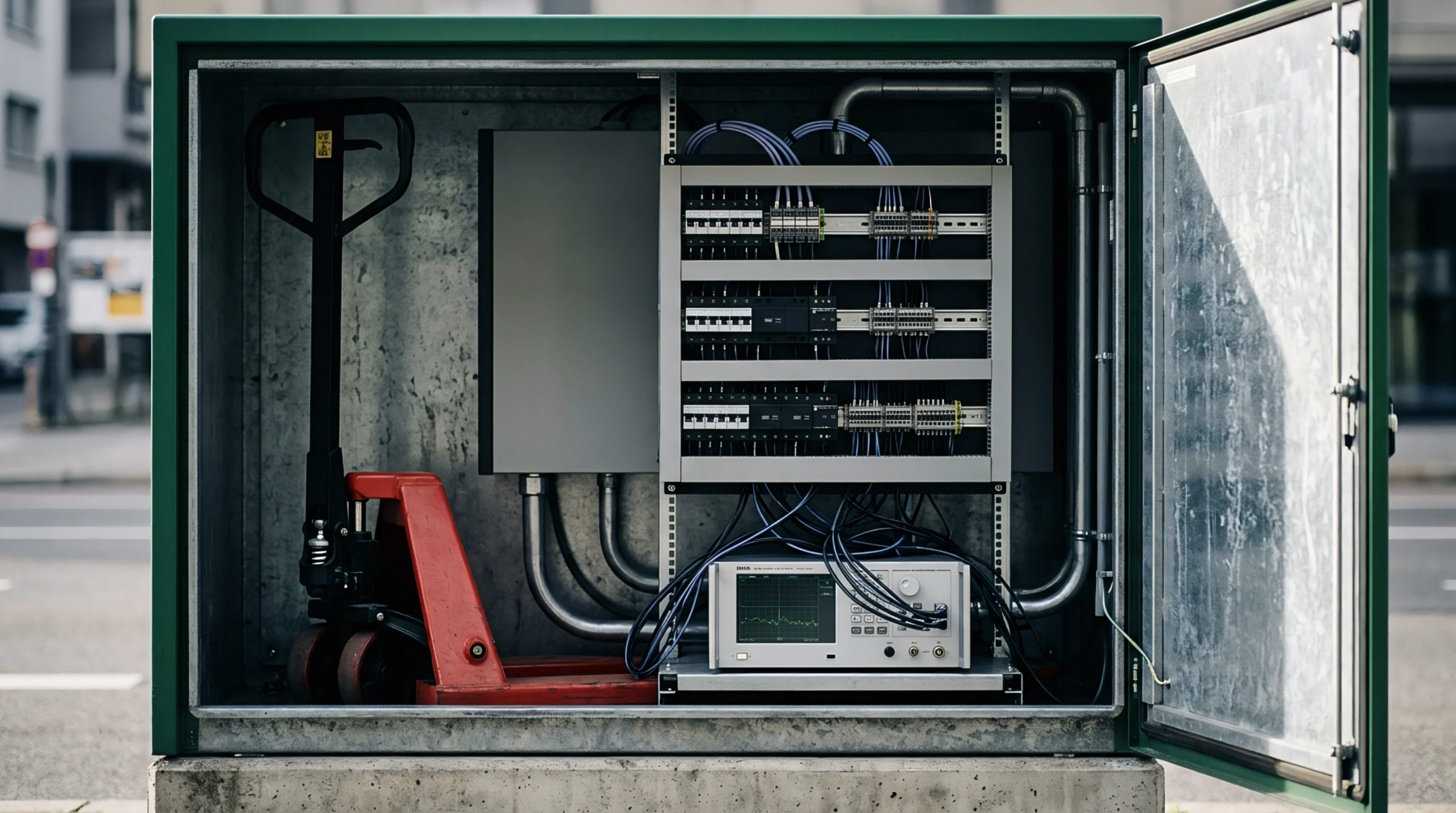
Requalification of relocated multiaxis measurement jigs mandates thermal soak, 21-parameter laser kinematic mapping, and ISO 10360 volumetric acceptance signoff.

Stripping test fixture phase delay and magnitude loss from raw vector network analyzer measurements ensures true S-parameter extraction.

Relocating production fixtures mandates statistical gage re-verification via ANOVA Gage R&R and Type I studies to prove repeatability under new plant dynamics.
Expertise is a utility, not a secret. sentiention™ publishes its working knowledge as open reference: intelligence layer covering the materials it sources, the markets it enters, and the reference that serves both.