
Measurement Uncertainty Mechanics across Accredited Laboratories during Multi Market Radio Retests
Radio measurement uncertainty differences across accredited labs require mandatory 6 dB design guardbands to prevent market surveillance failures.
Radio measurement uncertainty differences across accredited labs require mandatory 6 dB design guardbands to prevent market surveillance failures.

Quantifying mmWave radiated spurious uncertainty expansion factors converts raw measurement deviations into defensible ninety-five percent compliance margins.

Maintain explicit grantee agency agreements and independent grant lineages to execute multi-market permissive changes when module vendors alter hardware.

Verify laboratory regulatory recognition listings rather than general accreditation badges to prevent unbudgeted retesting and market entry delays.
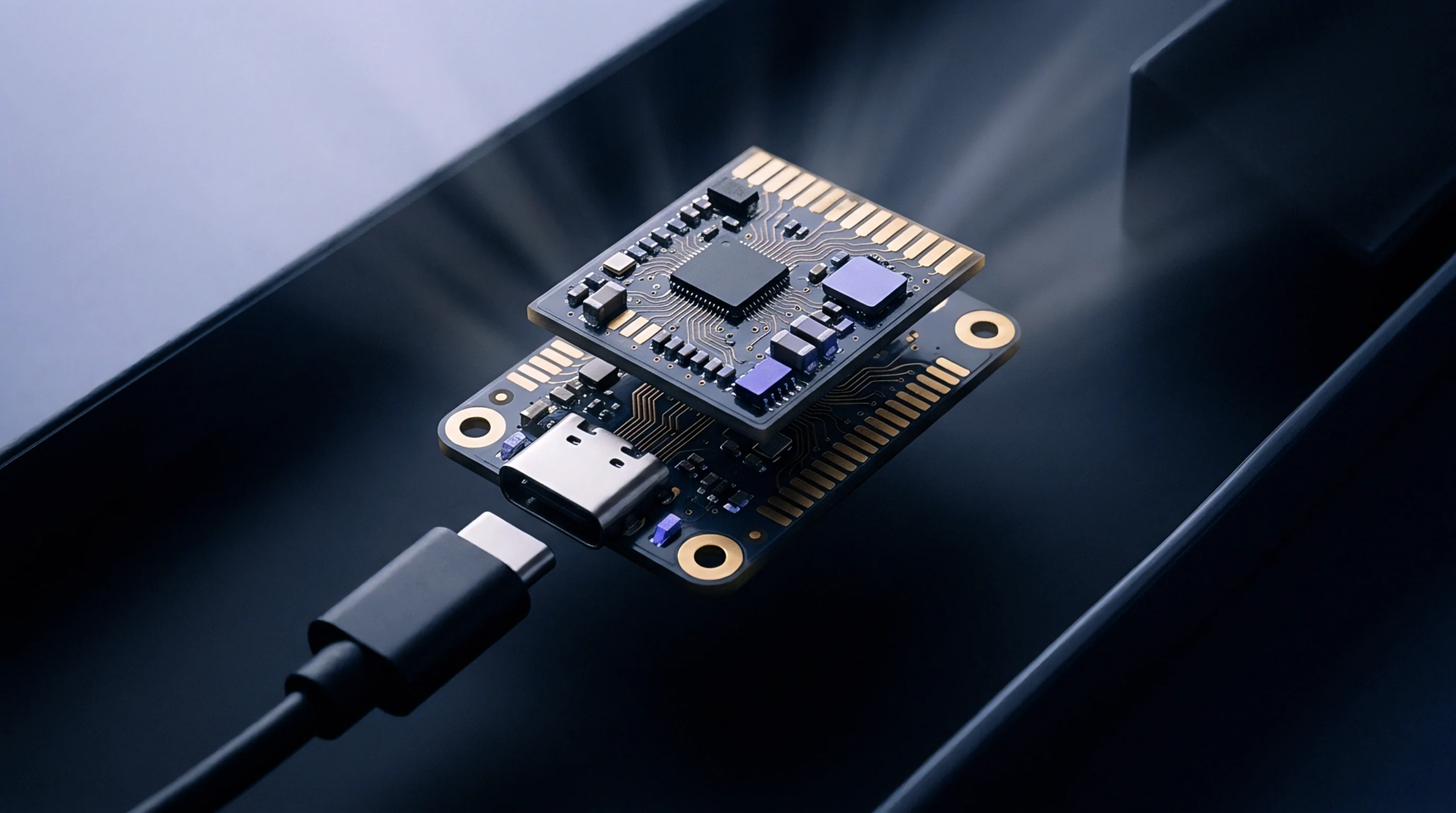
Auditing ISO IEC 17025 test reports against active laboratory scope schedules prevents expensive certification rejections and product market holds.

Unaccredited lab test reports require rigorous audit of calibration chains, resolution bandwidth settings, and firmware parameters to survive regulatory surveillance.
Automated port inspection of depleted imports relies on external capacitive energization to verify radio firmware without unsealing protective customs packaging.
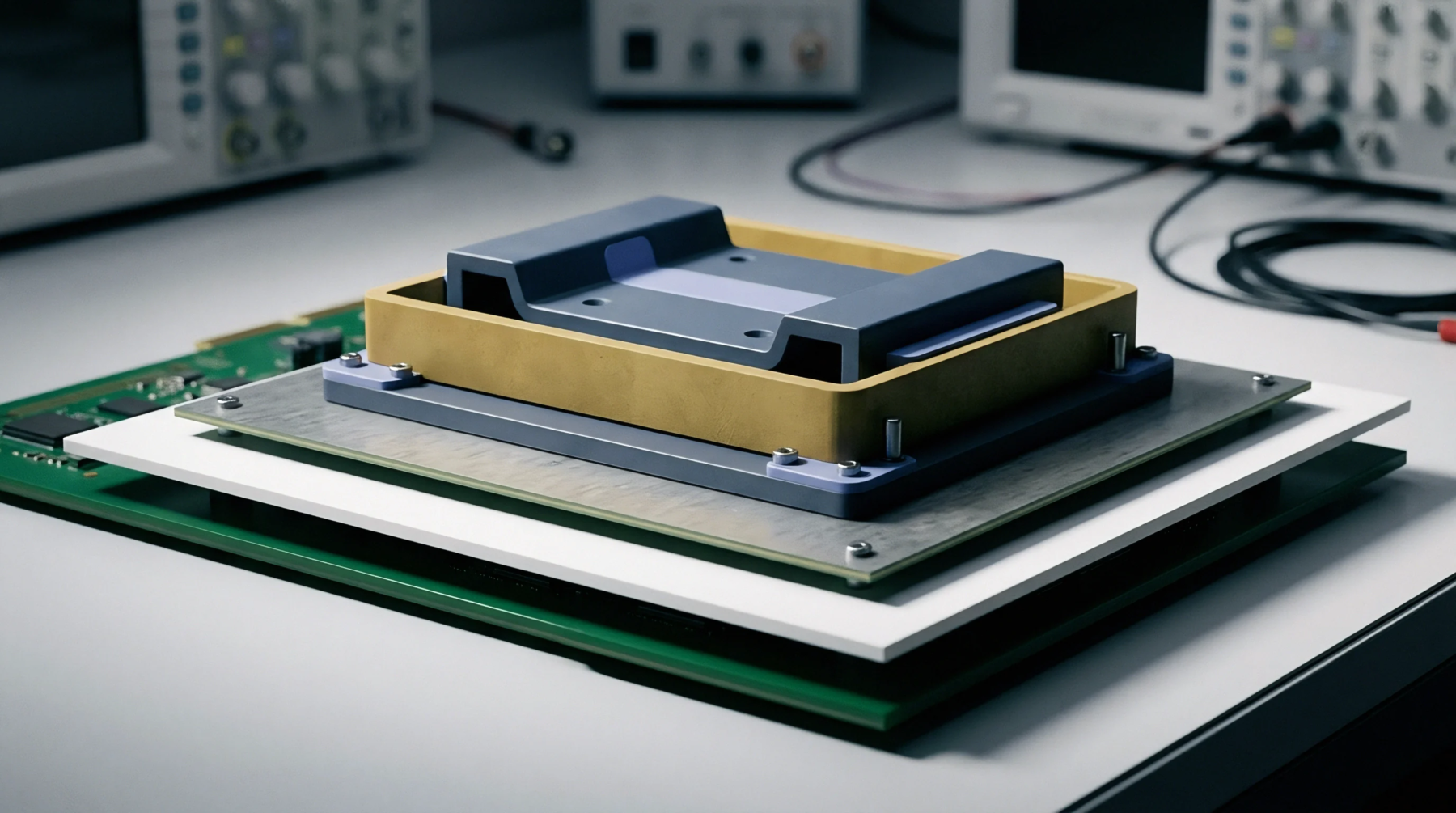
Verifying imported wireless device compliance requires cross-referencing grantee databases, matching host antenna gains, and auditing ISO 17025 test scope.
Tooling drift costs combine line stoppage labor, scrapped assemblies, and re-qualification fees, demanding automated inline sensor verification.
Cross-border radio verification requires accredited laboratory scope validation, standard gap analysis, and cryptographic document provenance at customs.

Unrecoverable field recall losses stem from gaps between tier-one indemnity caps and sub-tier supplier liability waivers during component root cause disputes.
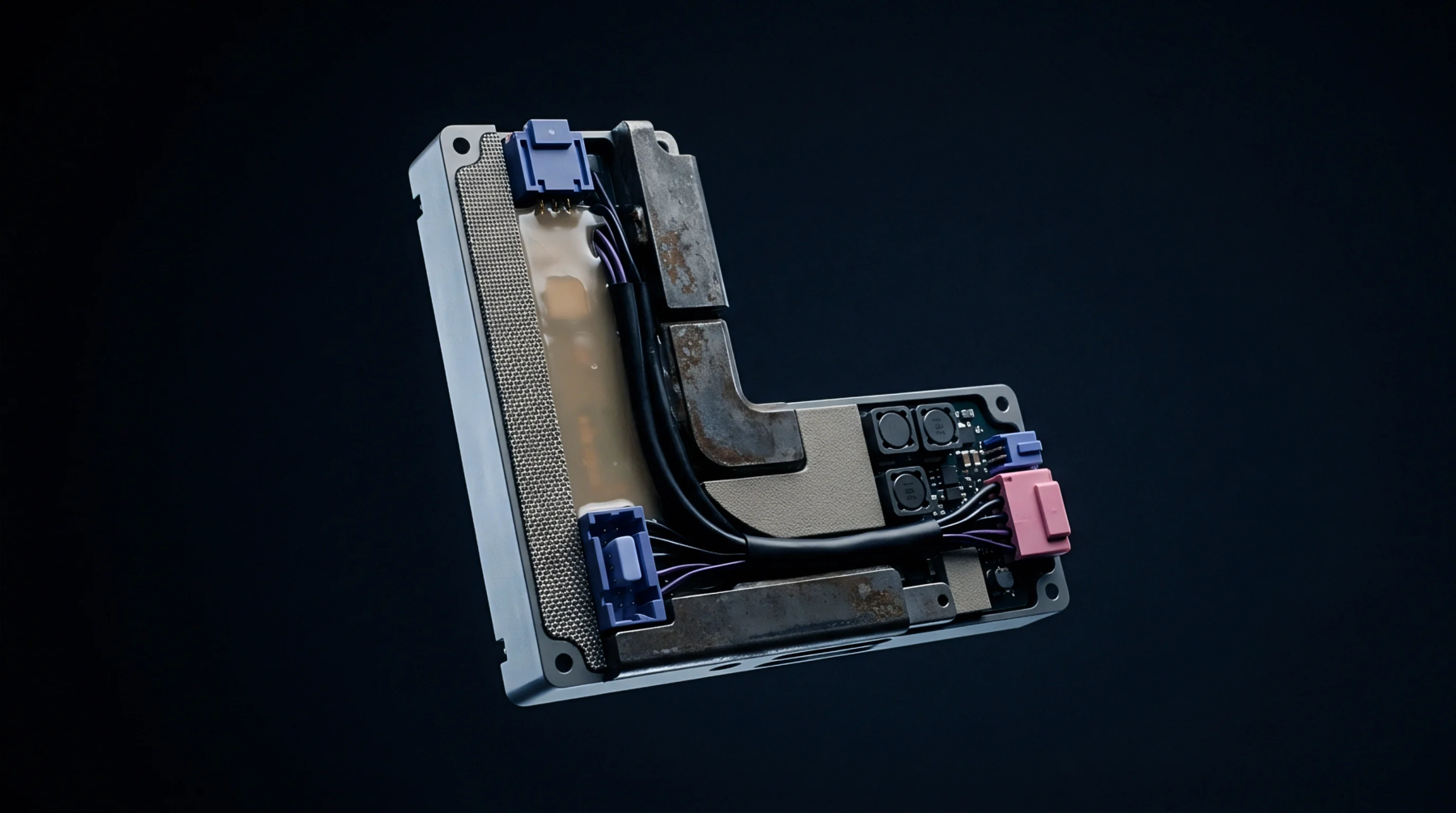
Free-space W-band polymer testing requires precise spot-focused optics, strict sample thickness tolerances, and validated TRL calibration to prevent radome detuning and costly regulatory re-certification delays.

Unbundling engineering deliverables separates physical component supply from native design files, firmware repositories, and test fixtures, ensuring dual-sourcing rights and transparent landed costs.

Regulatory certification failure liability depends on linking contract milestone payments and indemnification clauses to accredited lab test reports.

Auditing test laboratory scopes requires matching exact standard versions, frequency limits, and regulatory recognition before filing market entry applications.

Unaccredited test reports and defective declarations expose landed shipments to immediate border detention, mandatory re-testing, and complete inventory writedowns.
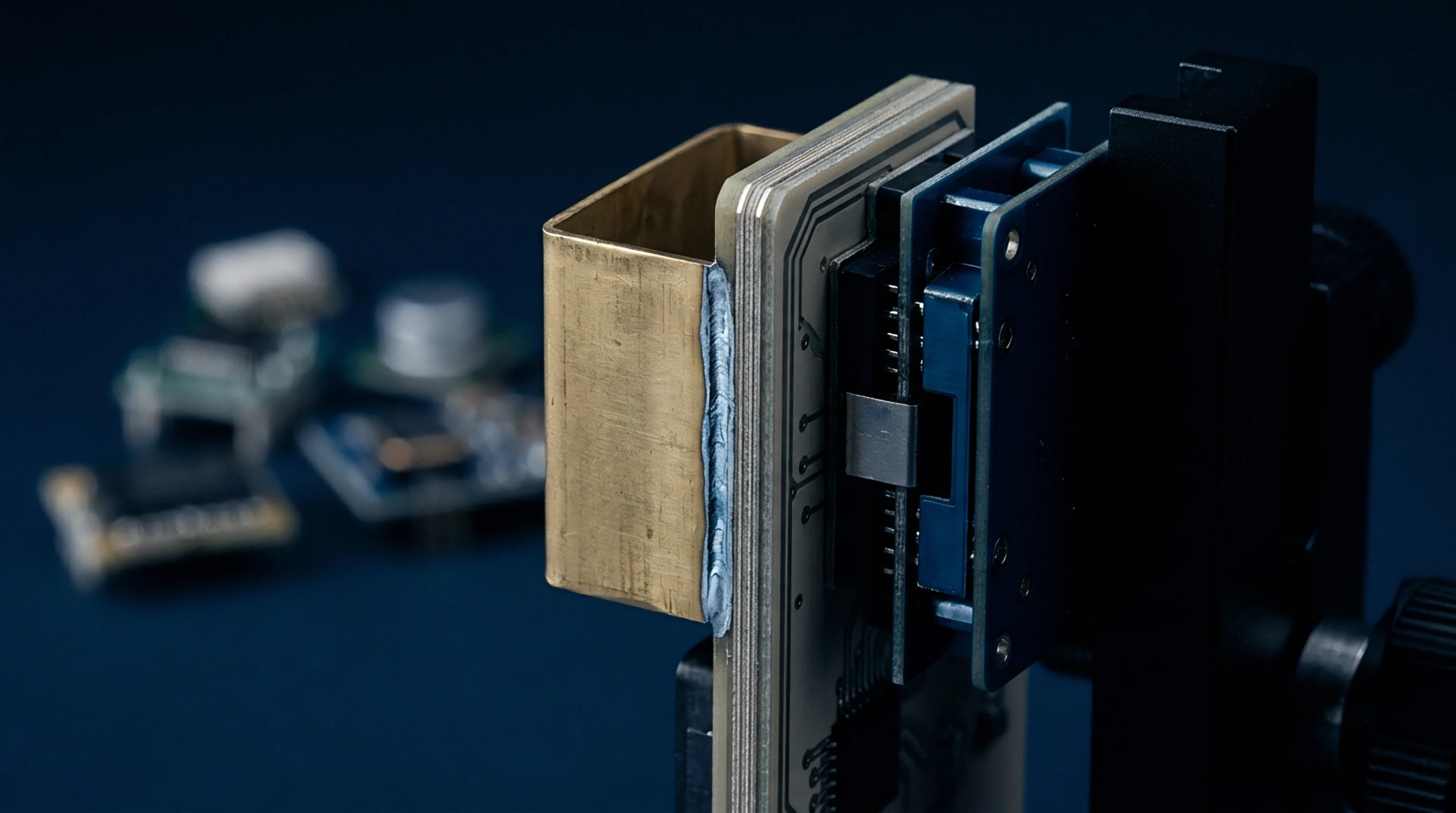
Evaluating supplier test reports against EU radio standards requires verifying ISO/IEC 17025 scopes, standard versions, and host power settings.
Verify import regulatory dockets by matching model identifiers, checking ISO/IEC 17025 lab accreditations, and auditing host modular integration scope.
Expertise is a utility, not a secret. sentiention™ publishes its working knowledge as open reference: intelligence layer covering the materials it sources, the markets it enters, and the reference that serves both.