Distributor Verification Steps for Import Documentation
Verify import regulatory dockets by matching model identifiers, checking ISO/IEC 17025 lab accreditations, and auditing host modular integration scope.
Verify import regulatory dockets by matching model identifiers, checking ISO/IEC 17025 lab accreditations, and auditing host modular integration scope.
Evaluating supplier test reports against EU radio standards requires verifying ISO/IEC 17025 scopes, standard versions, and host power settings.

Unaccredited test reports and defective declarations expose landed shipments to immediate border detention, mandatory re-testing, and complete inventory writedowns.

Auditing test laboratory scopes requires matching exact standard versions, frequency limits, and regulatory recognition before filing market entry applications.

Regulatory certification failure liability depends on linking contract milestone payments and indemnification clauses to accredited lab test reports.
Unbundling engineering deliverables separates physical component supply from native design files, firmware repositories, and test fixtures, ensuring dual-sourcing rights and transparent landed costs.
Free-space W-band polymer testing requires precise spot-focused optics, strict sample thickness tolerances, and validated TRL calibration to prevent radome detuning and costly regulatory re-certification delays.

Unrecoverable field recall losses stem from gaps between tier-one indemnity caps and sub-tier supplier liability waivers during component root cause disputes.
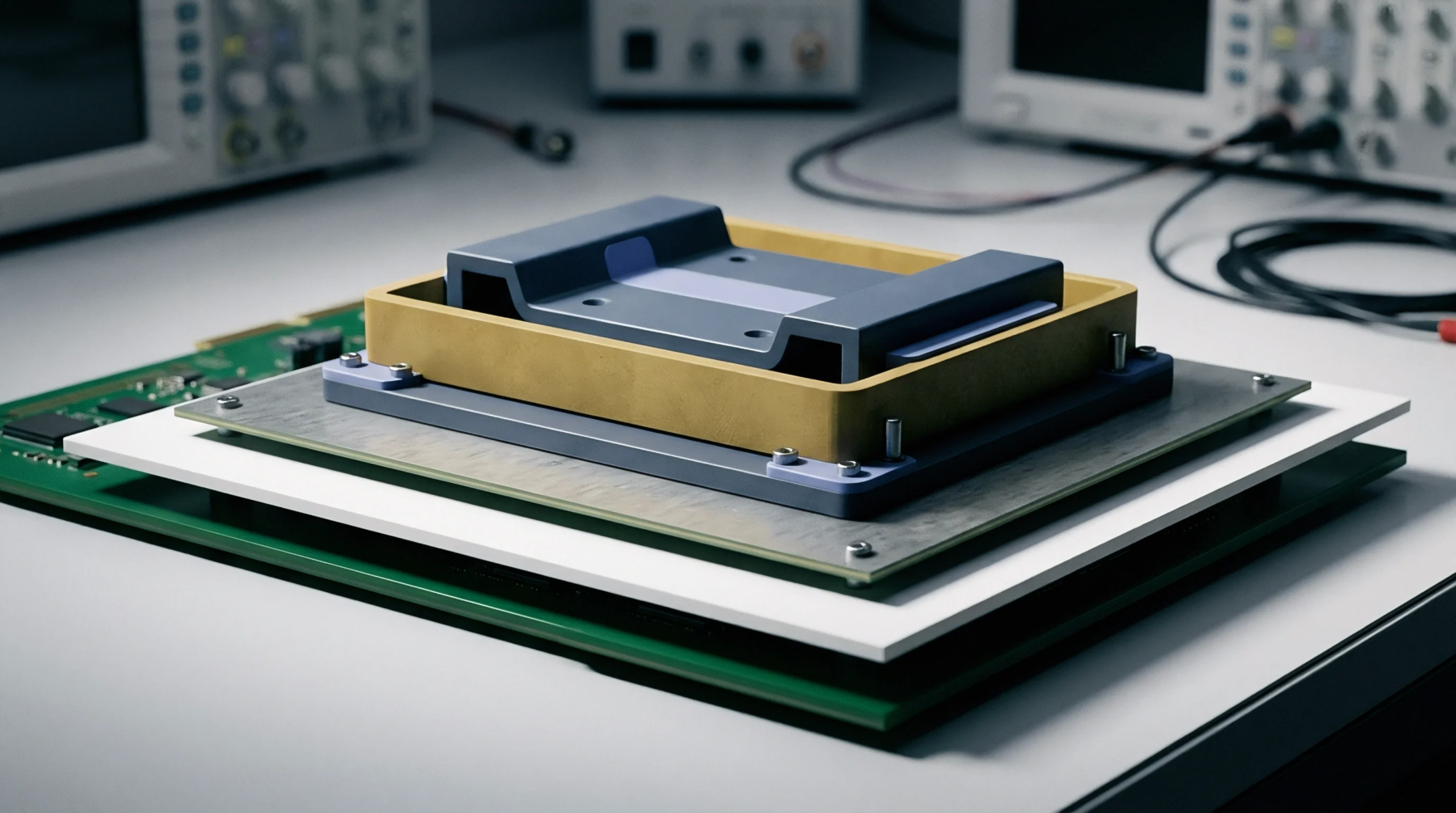
Cross-border radio verification requires accredited laboratory scope validation, standard gap analysis, and cryptographic document provenance at customs.
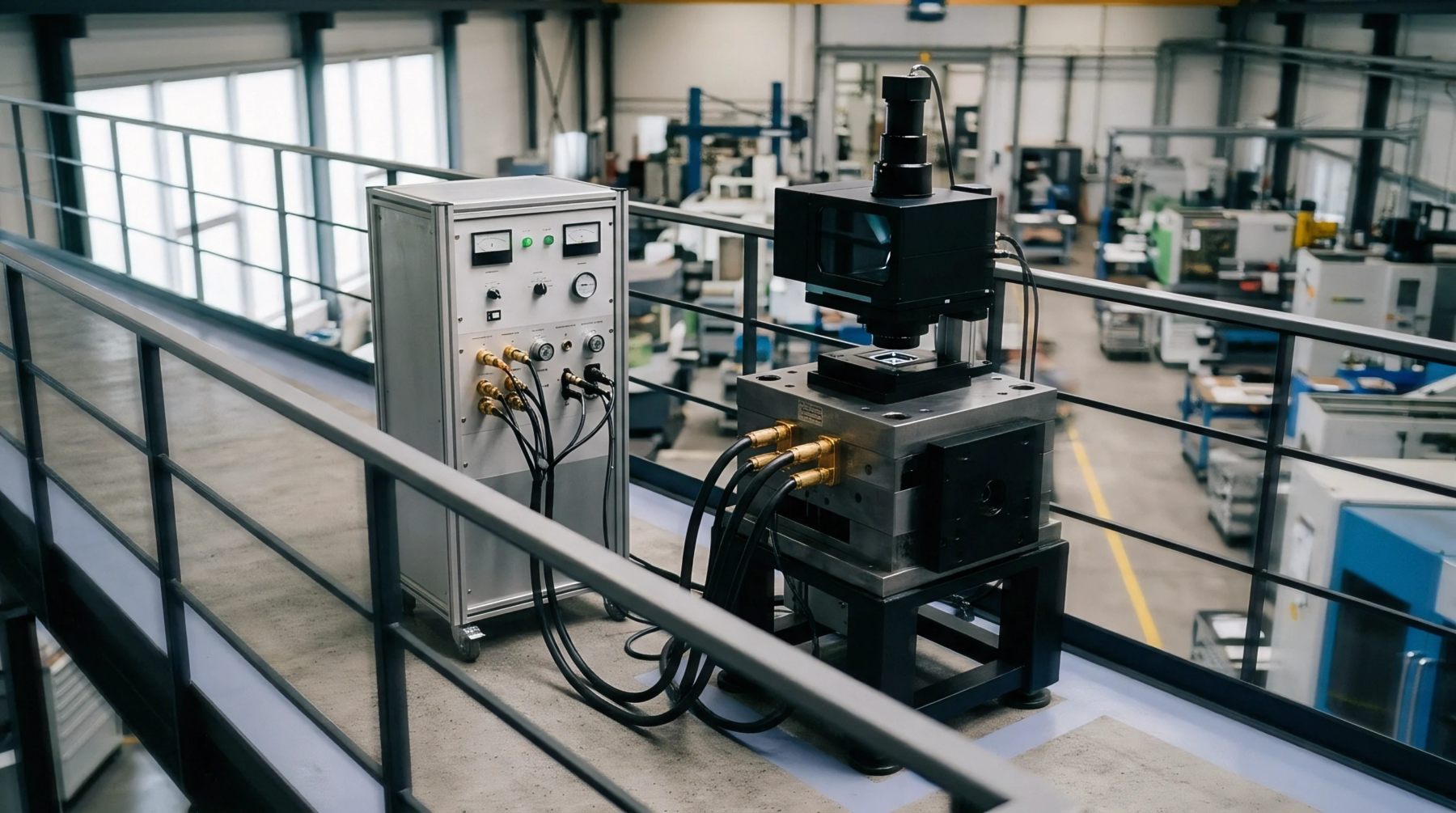
Tooling drift costs combine line stoppage labor, scrapped assemblies, and re-qualification fees, demanding automated inline sensor verification.
Verifying imported wireless device compliance requires cross-referencing grantee databases, matching host antenna gains, and auditing ISO 17025 test scope.

Automated port inspection of depleted imports relies on external capacitive energization to verify radio firmware without unsealing protective customs packaging.

Unaccredited lab test reports require rigorous audit of calibration chains, resolution bandwidth settings, and firmware parameters to survive regulatory surveillance.
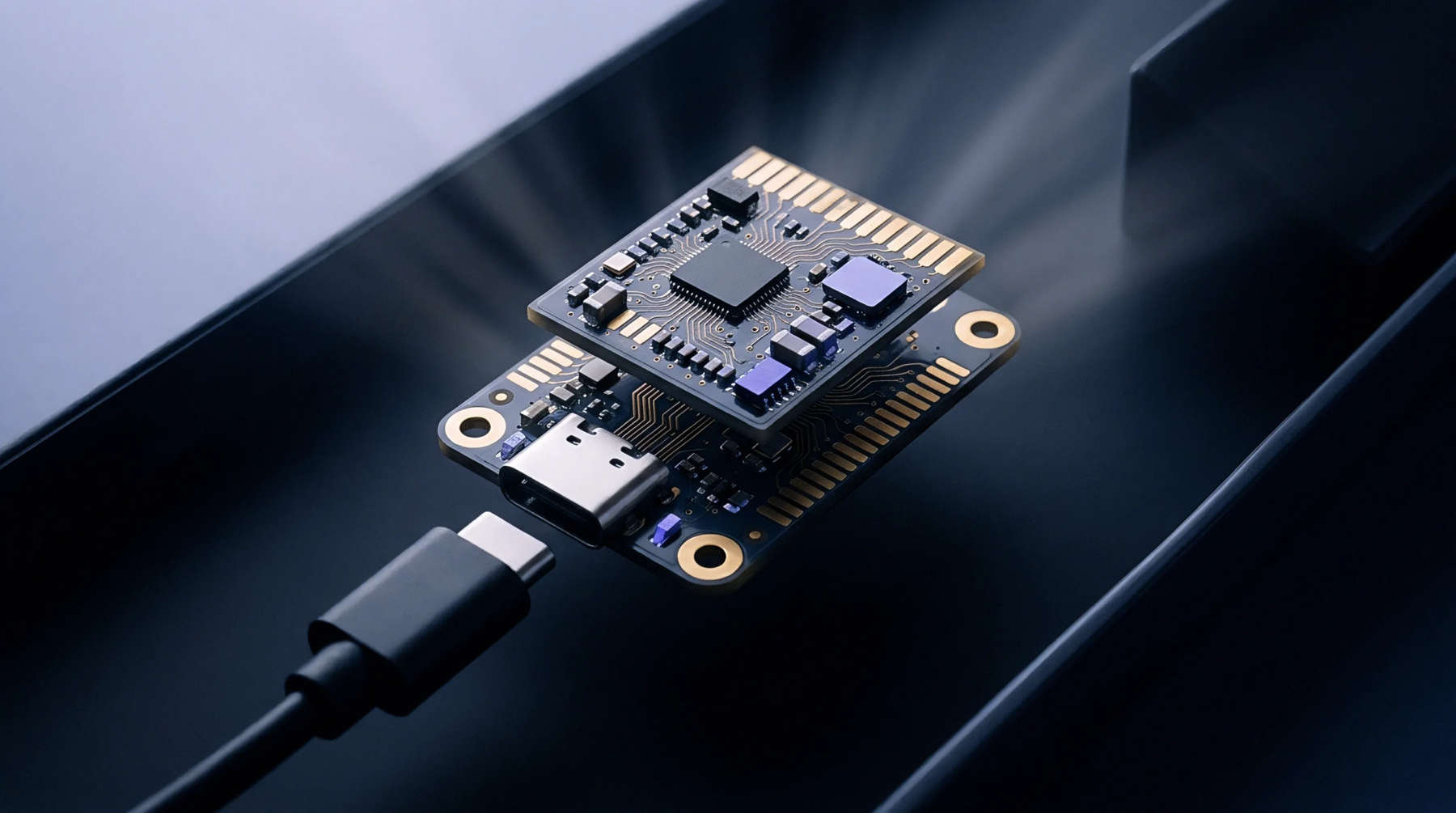
Auditing ISO IEC 17025 test reports against active laboratory scope schedules prevents expensive certification rejections and product market holds.

Verify laboratory regulatory recognition listings rather than general accreditation badges to prevent unbudgeted retesting and market entry delays.
Maintain explicit grantee agency agreements and independent grant lineages to execute multi-market permissive changes when module vendors alter hardware.
Quantifying mmWave radiated spurious uncertainty expansion factors converts raw measurement deviations into defensible ninety-five percent compliance margins.

Radio measurement uncertainty differences across accredited labs require mandatory 6 dB design guardbands to prevent market surveillance failures.
Mutual recognition frameworks eliminate redundant overseas radio testing by allowing accredited domestic bodies to issue valid destination market authorizations.
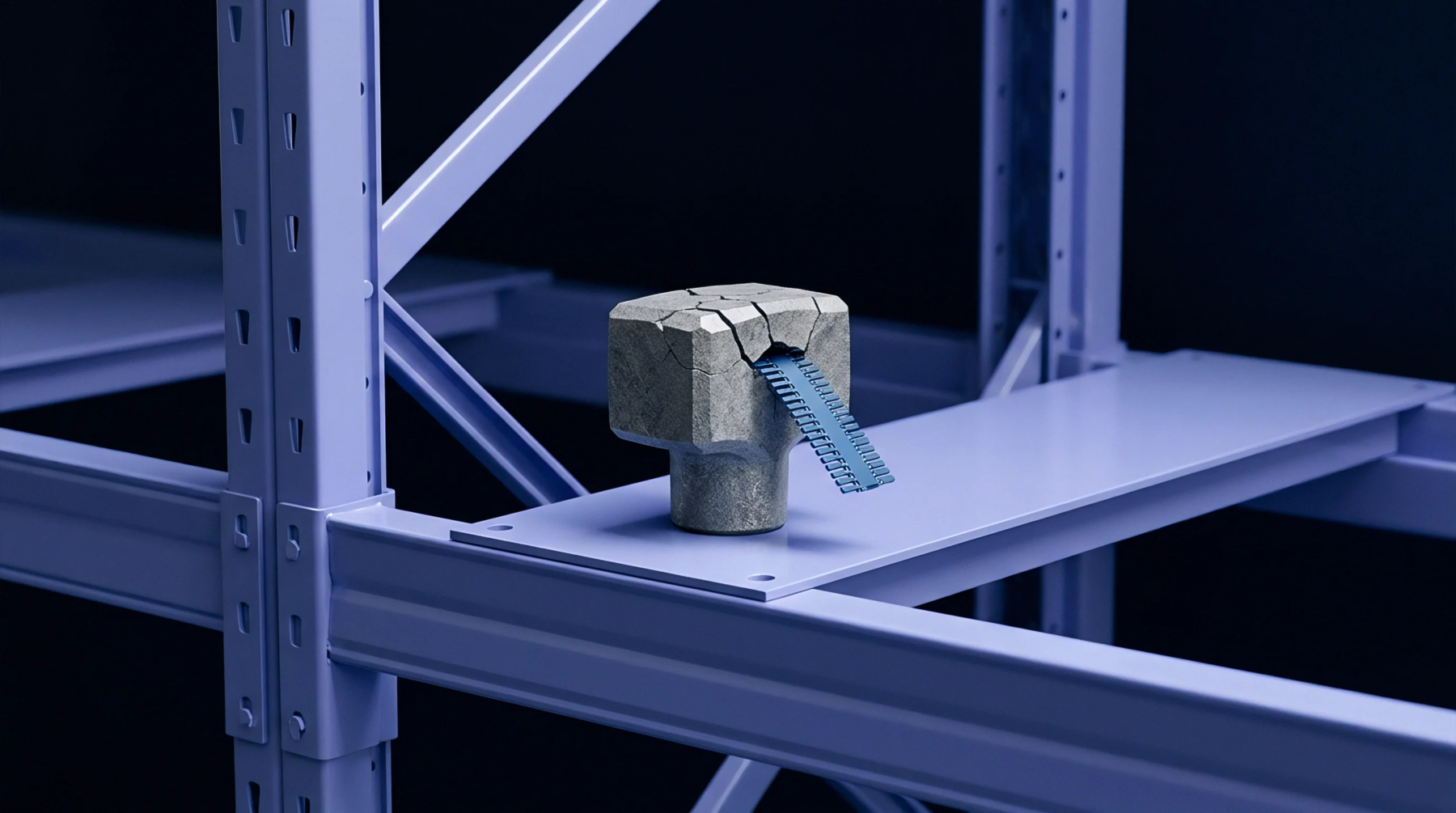
Reconciling radiated spurious discrepancies requires isolating setup mechanics, chamber reflection delta, and antenna calibration offsets under bilateral pacts.

Verify unredacted ISO 17025 test dossiers, local band compatibility, and vendor test-firmware support before purchase to avoid border seizures.
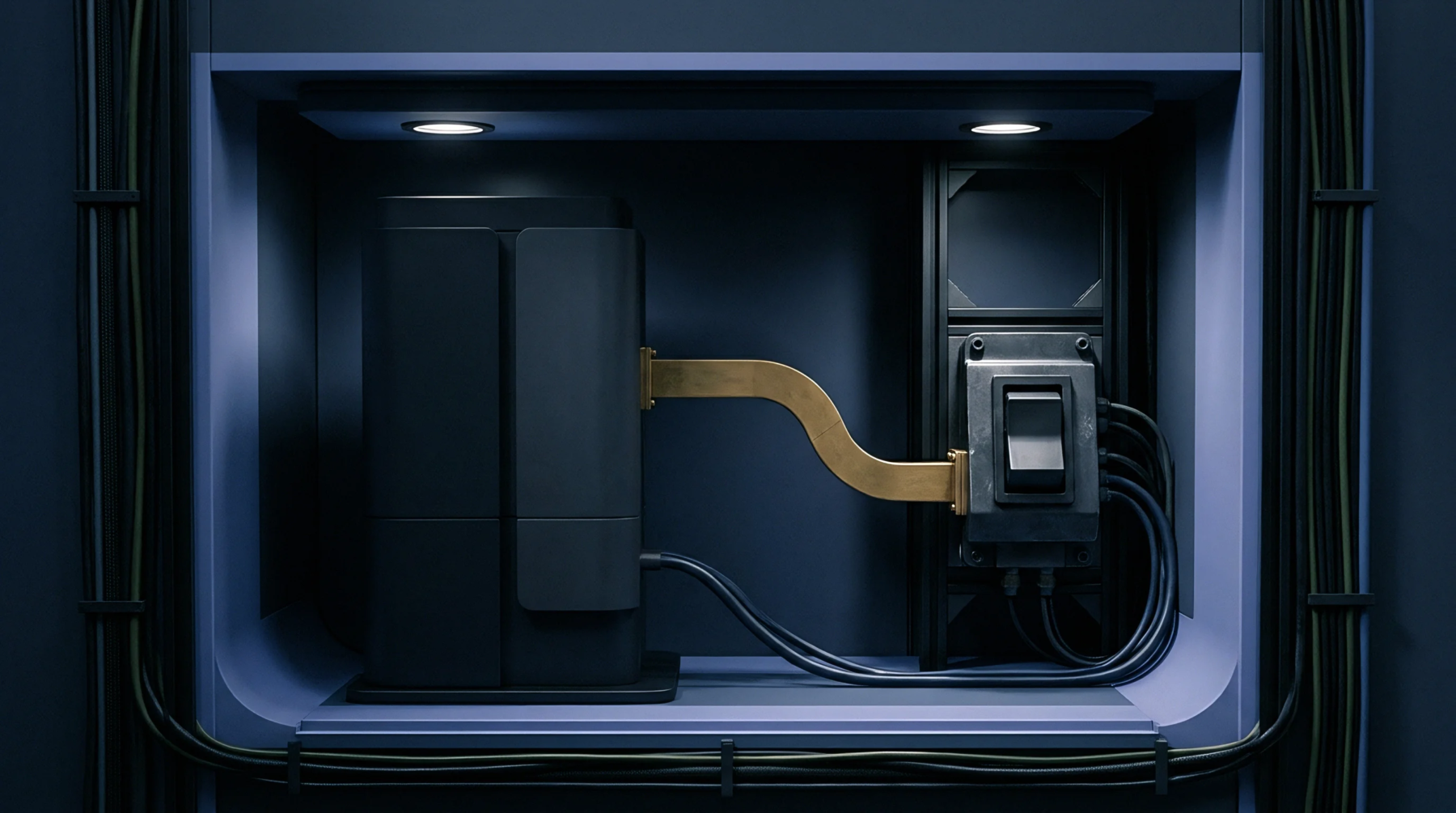
High power radio transmitter harmonic suppression combines active stage symmetry, reactive notch traps, and absorptive diplexers to clear regulatory emission limits.
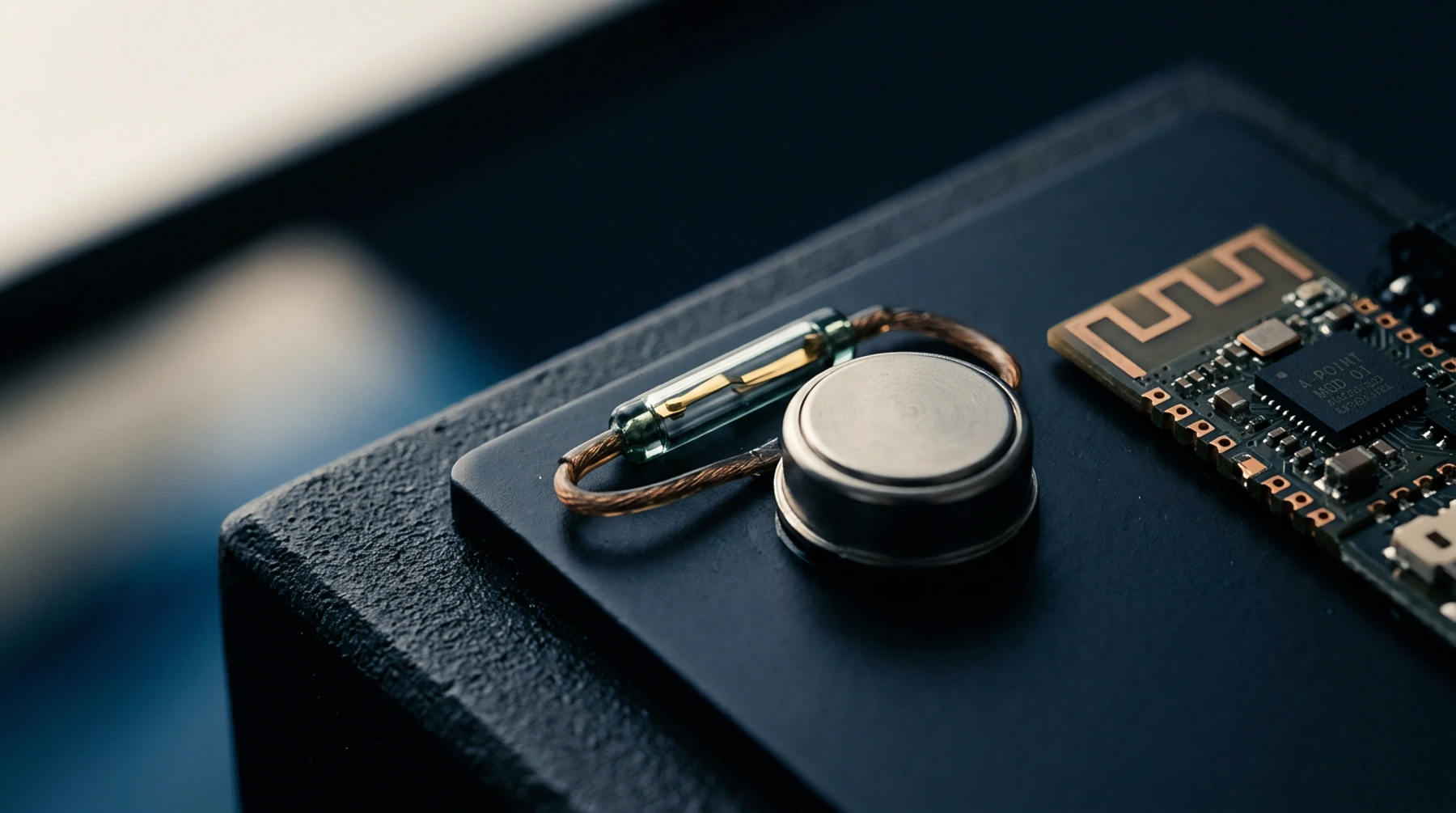
Pre-certified wireless modules bypass intentional radiator testing under 10,000 units, trading higher bill-of-materials cost for immediate regulatory clearance.
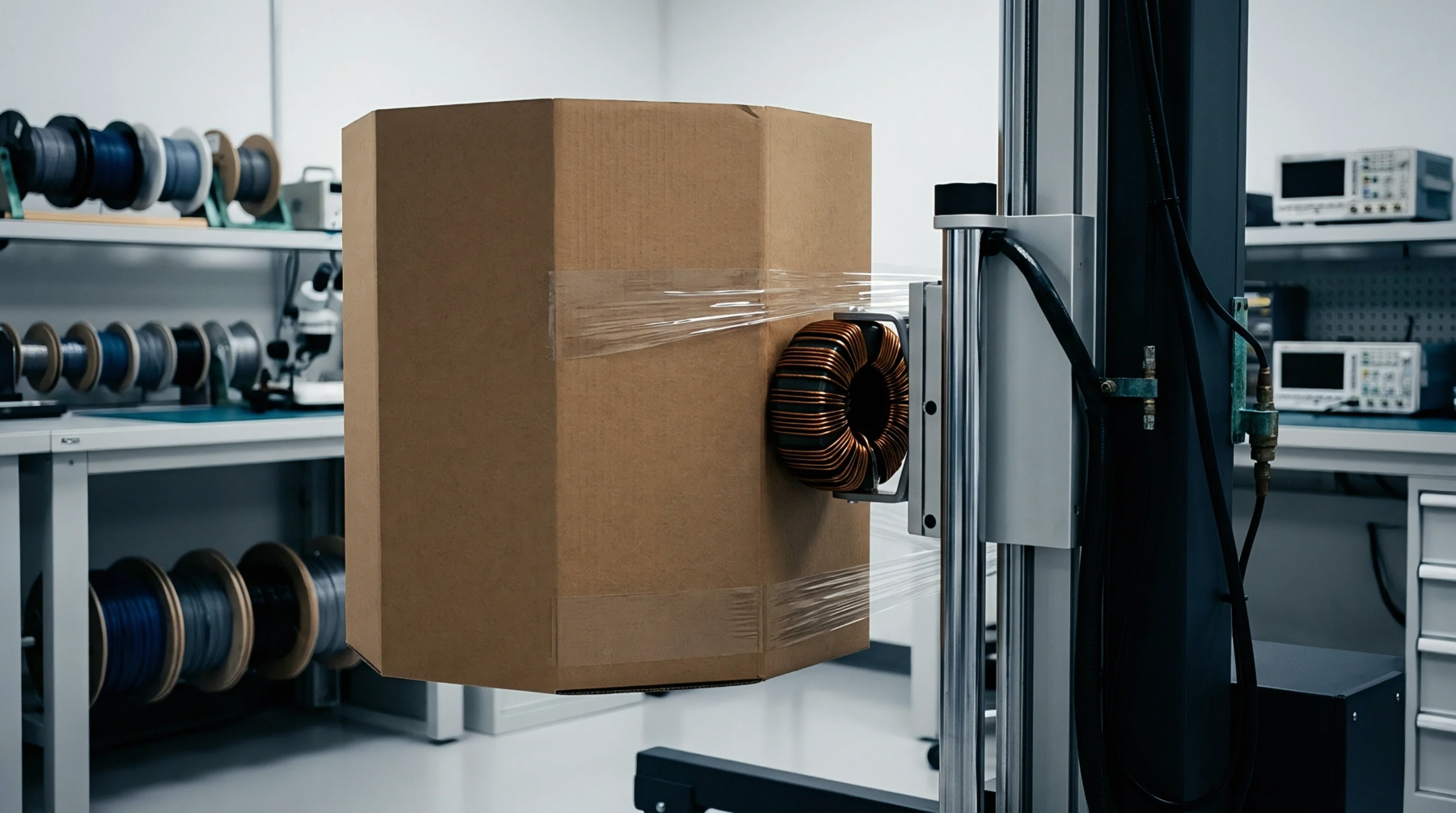
Transfer regulatory grants without retesting through Section 2.933 filings by proving legal chain of custody, BOM parity, and unredacted test report access.
Cryptographic verification locks test jig calibration records to hardware security modules, preventing record falsification across regional contract factories.
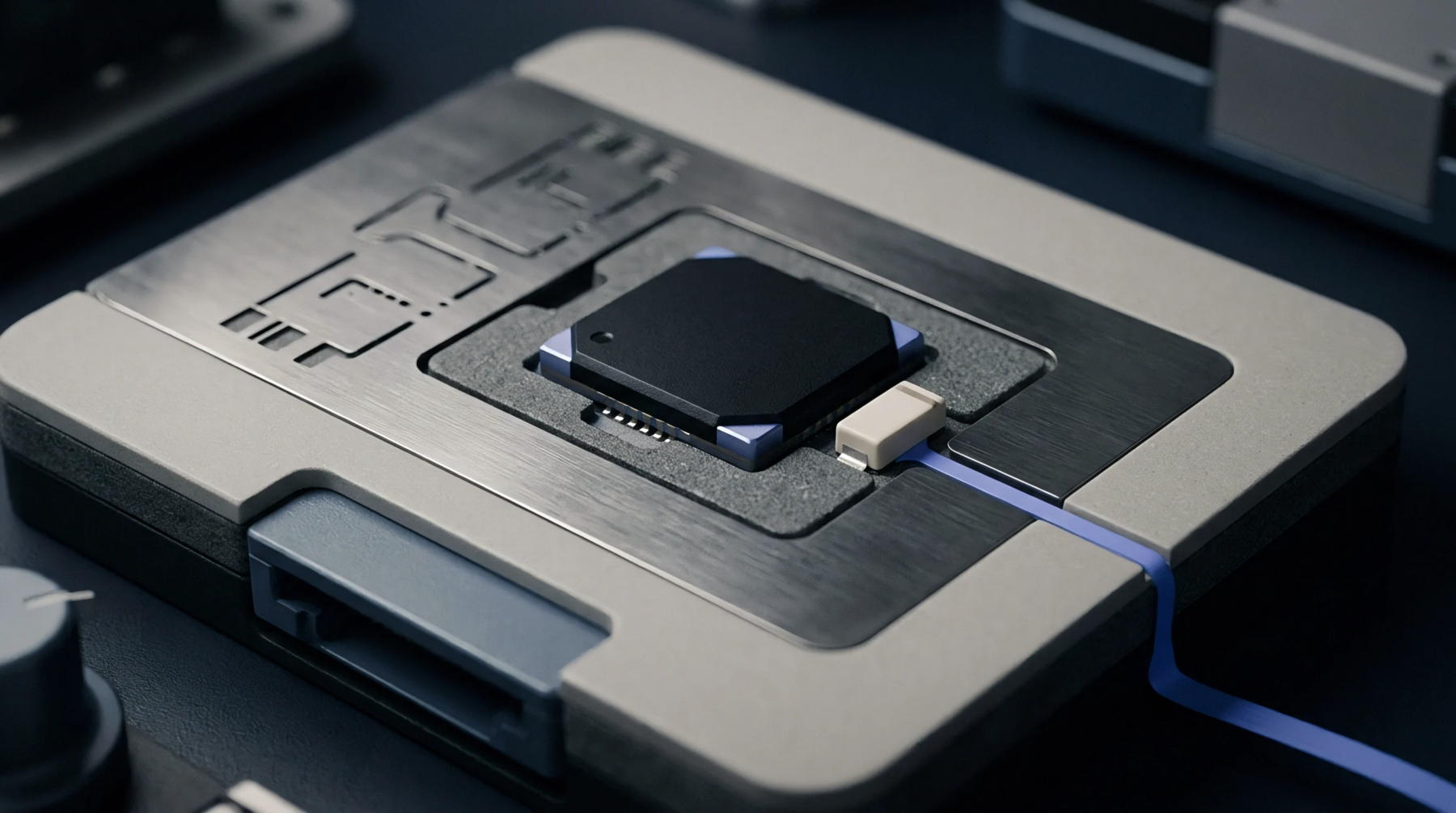
Low power radio SAR compliance relies on calculating source-based time-averaged radiated power against regional exemption limits before committing to phantom tests.
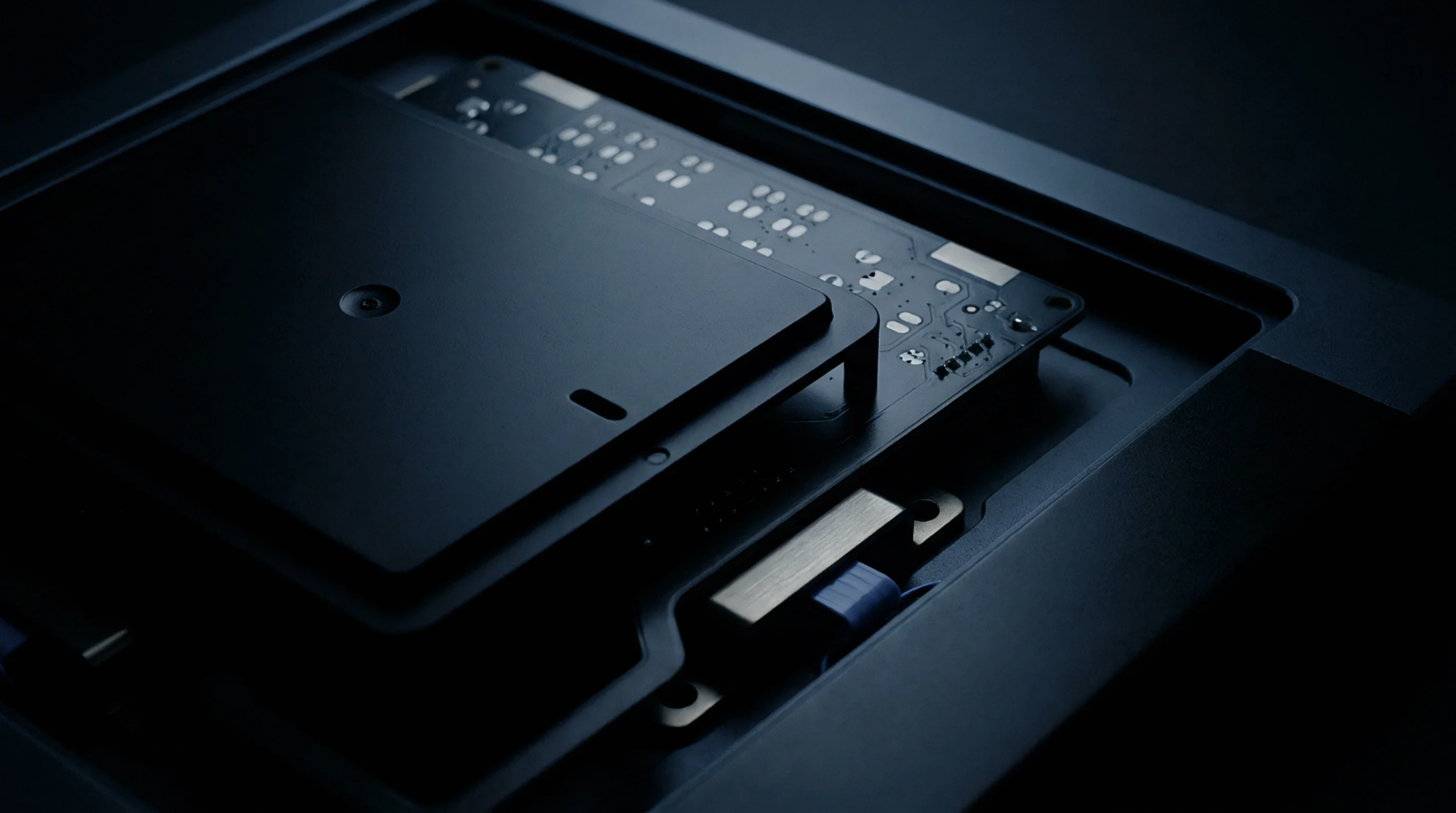
Host integration changes triggering Class II filings demand targeted chamber re-scans, updated SAR evaluations, and TCB attestation before market release.
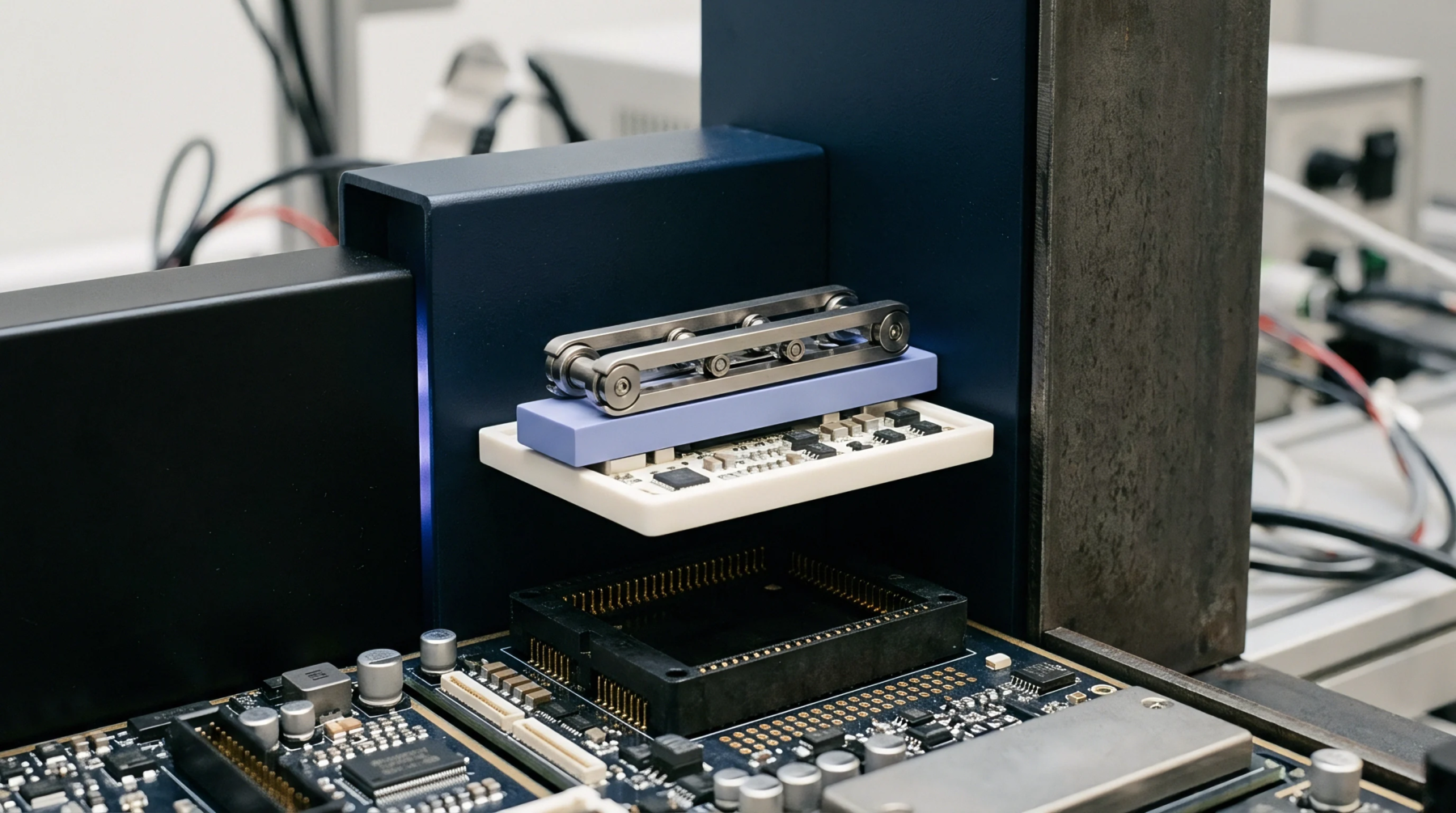
Unresolved mutual recognition rules leave unpowered radio cargo vulnerable to customs gate failures when flat batteries detune antennas and block automated sweeps.
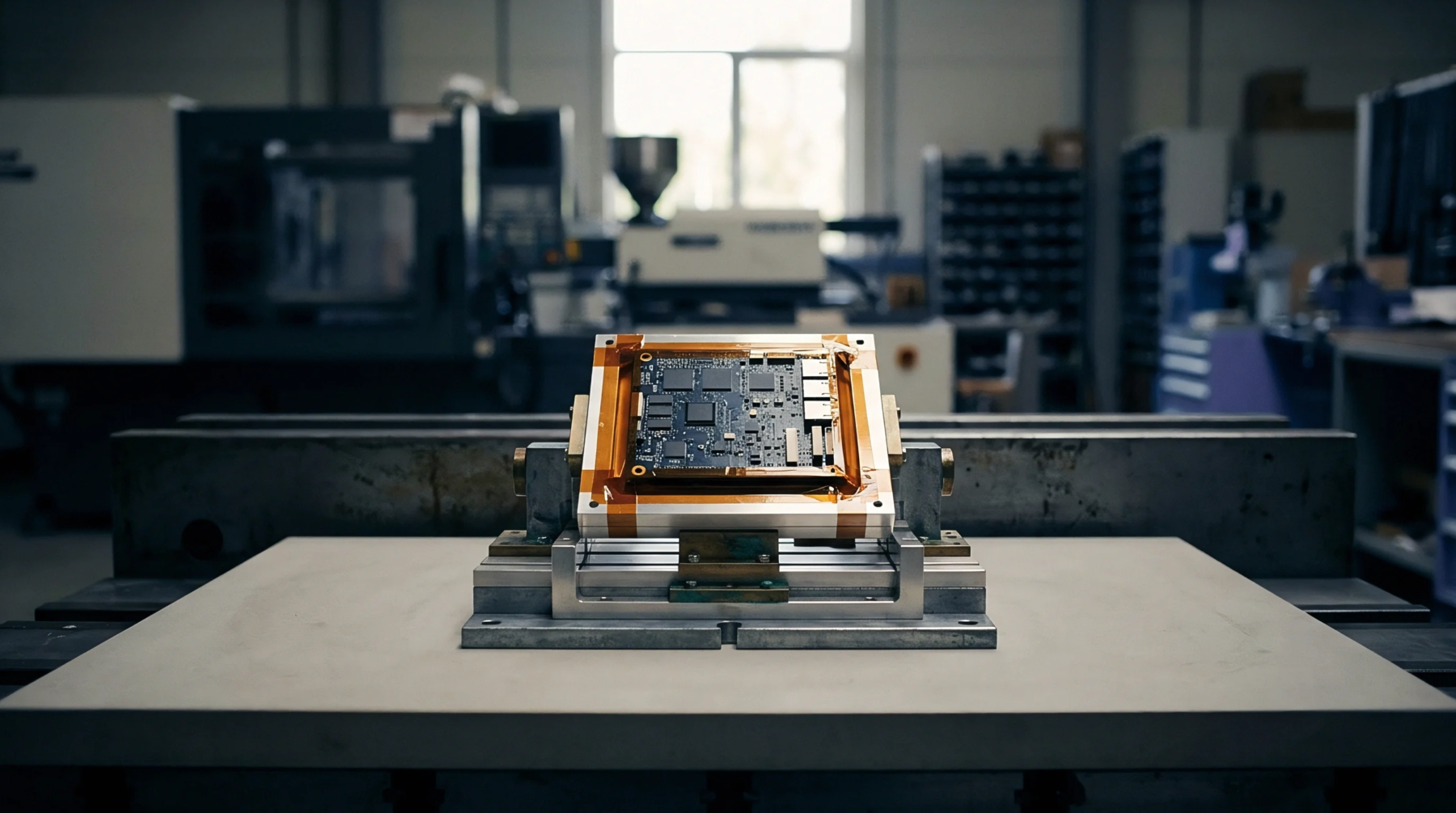
Establishing baseline ambient quiet zones requires isolating background radio noise 10 dB below limit lines to prevent costly external re-test cycles.

Calculate expanded uncertainty using quiet zone spatial deviations to set clear guard bands that ensure first-pass formal compliance testing success.
Expertise is a utility, not a secret. sentiention™ publishes its working knowledge as open reference: intelligence layer covering the materials it sources, the markets it enters, and the reference that serves both.