Automated Port Customs Inspection Workflows for Battery-Depleted Multimodal Electronic Import Consignments
Automated port inspection of depleted imports relies on external capacitive energization to verify radio firmware without unsealing protective customs packaging.

Volt
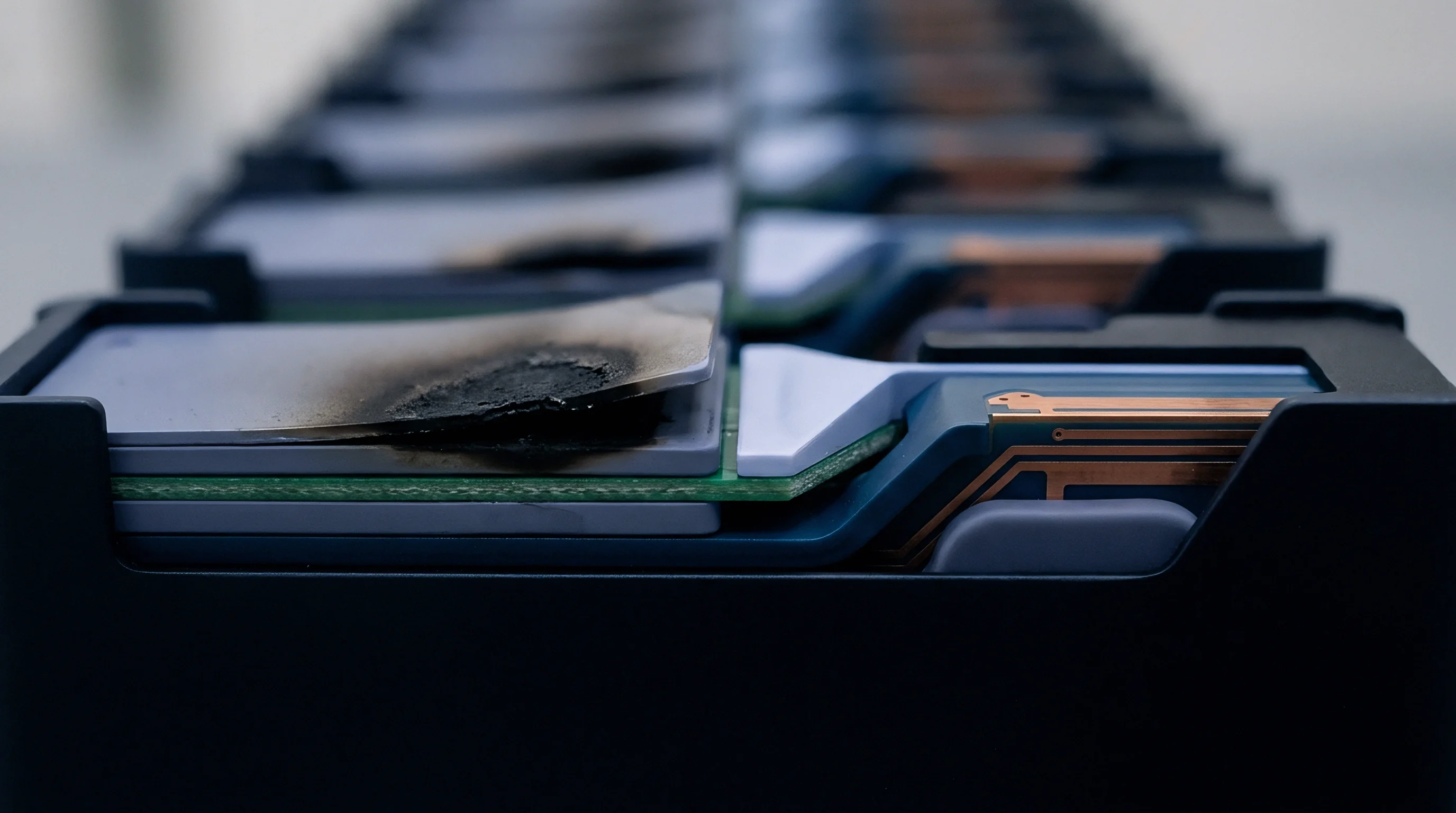
Deep discharge in lithium cells during extended transit alters the internal impedance of multimodal electronic shipments. When cargo sits in shipping containers for thirty to forty-five days, passive BMS drain and thermal swings pull battery cell voltage below the low-voltage cutoff threshold. Automated port inspection systems then encounter hardware that cannot power up independently to answer over-the-air regulatory queries.
Customs clearing workflows rely on non-intrusive energization techniques to evaluate radio integrity without breaching factory seal packaging.
Power Injection at Port Automated Test Stations
Capacitive and inductive energy transfer systems built into customs conveyor lines deliver transient power to idle power management circuits. External excitation coils generate localized magnetic fields calibrated to penetrate corrugated transport packaging and outer device enclosures. These fields excite internal charging coils or primary power rails, providing enough micro-power to boot the device’s secondary micro-controller.
Once energized, the target hardware boots into a restricted regulatory test state, enabling automated RF field instruments to read internal status registers.
Automated test tunnels fail consignments when unpowered devices produce zero RF response during mandatory port emission pre-scans. Importers face extended quarantine holds when customs scanners record passive power-up failures across sample lots.
- Container unsealing and automated optical scanning of master carton shipping labels establish baseline consignment line items.
- Conveyor positioning aligns target master packaging over high-frequency inductive energization pads built into the diagnostic bed.
- Pulsed energy loops deliver micro-power pulses at 13.56 MHz to energize internal power management integrated circuits through chassis shielding.
- Auxiliary diagnostic bootloader code initializes within three hundred milliseconds of initial coil energization.
- Low-power backscatter telemetry transmits device internal state flags, software versions, and regulatory grant hashes back to the port portal receiver.
- Energy injection ceases automatically once diagnostic register readouts confirm identity signatures or report unrecoverable battery fault codes.
Lithium Cell Discharge Limits during Maritime Transit
Shipping regulations governed by dangerous goods frameworks set state-of-charge thresholds at the point of origin loading. UN 38.3 transport safety rules and IATA Packing Instructions 967 and 970 cap lithium-ion cell state-of-charge at thirty percent for air transport, whereas ocean freight protocols permit up to fifty percent. Extended transit durations combined with continuous background sensor polling cause deep discharge down to 2.0 volts per cell or lower.
At these levels, internal protection circuits lock out standard charging paths, requiring specialized micro-current recovery pulses from customs energization equipment.
Consignments held in customs transit beyond forty-five days at ambient temperatures exceeding thirty degrees Celsius experience passive drain down to zero percent state of charge, requiring external induction coupling at five hundred milliwatts to trigger diagnostic bootloaders.
Importers specify custom micro-bootloader wake-up hooks within product firmware to assist automated port clearing. Standard power management routines lock out system buses when battery potential falls below operational floors. Dedicated compliance routines bypass full system boot sequences, powering only the primary radio frequency synthesizer and baseband telemetry circuits to complete port diagnostic cycles within a minimal energy budget.
Maintaining pre-programmed ultra-low-power sleep modes in factory firmware preserves battery health while allowing port scanners to complete diagnostic handshakes without physical enclosure breach.


Spectrum
Automated electromagnetic compatibility assessment tunnels evaluate radiated spurious emissions from imported cargo while units remain inside transport packaging. Diagnostic conveyor lines pass master cartons through shielded anechoic tunnels equipped with multi-antenna sensor arrays. These systems analyze unintentional radiator emissions and active transmitter characteristics, matching live spectral profiles against stored radio grants.
Mismatches between physical emission profiles and certified database records flag cargo for manual physical audit.
Radiated Diagnostic Tunnel Architecture
Anechoic conveyor enclosures integrated into terminal intake lines isolate background radio environment noise to below minus one hundred dBm. Automated port scanners execute rapid frequency sweeps across unlicensed and licensed frequency bands, including 2.4 GHz, 5 GHz, and sub-GHz cellular allocations. Antenna arrays positioned above and alongside the conveyor belt measure effective radiated power, occupied channel bandwidth, and fundamental carrier frequency stability.
The scanning system verifies that radio frequency hardware operates strictly within parameters authorized by local spectrum regulators.
Chamber noise skews test traces, prompting port scanners to query central databases when unapproved modules risk delaying cargo clearance.
| Measurement Metric | Accredited Laboratory Standard (ISO/IEC 17025) | Automated Port Diagnostic Tunnel | Acceptable Tolerance Discrepancy |
|---|---|---|---|
| Frequency Sweep Range | 9 kHz to 40 GHz continuous | 100 kHz to 6 GHz targeted sweeps | Targeted regulatory band coverage only |
| Chamber Quiet Zone Isolation | Greater than 80 dB attenuation | 45 dB to 60 dB operational shielding | Corrected via real-time noise floor subtraction |
| Dwell Time Per Frequency Step | 100 ms to 1000 ms per step | 2 ms to 10 ms fast Fourier transform burst | Calibrated against statistical sampling profiles |
| Radiated Power Accuracy | ±1.5 dB measurement uncertainty | ±3.8 dB transport carton coupling uncertainty | Bounded by packaging attenuation models |
| Sample Condition Requirement | Unpackaged individual unshielded host | Fully packaged master carton or pallet level | De-embedded via packaging path-loss matrix |
Near-Field Electromagnetic Signature Verification
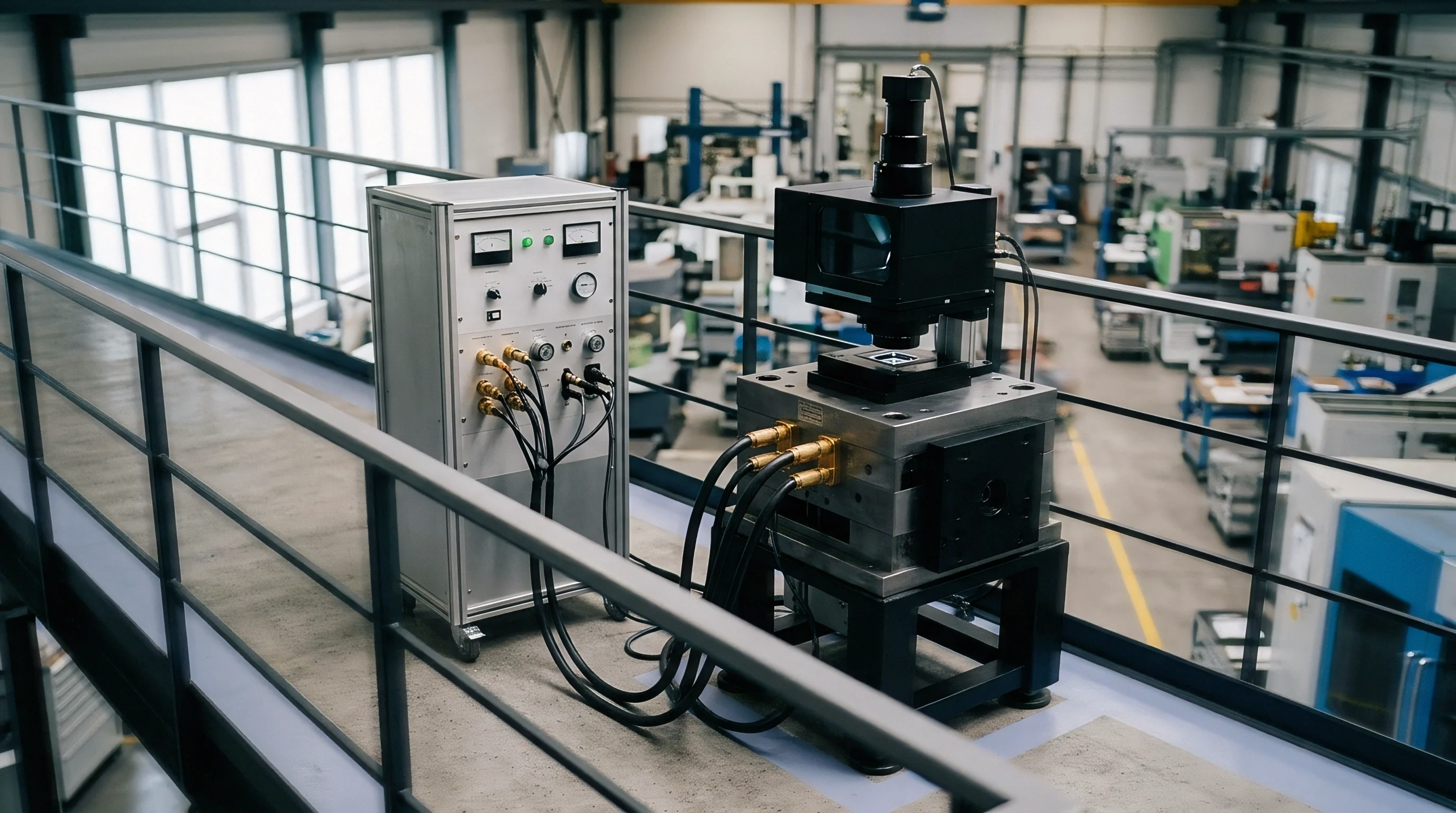
Close-proximity magnetic flux sensors detect local oscillator leakage from integrated radio modules without physical enclosure disassembly. Passive spectral finger-printing identifies specific chipset implementations based on distinct harmonics generated during initial power-up transients. Port automation platforms compare these measured harmonic ratios against manufacturer-submitted type-approval documentation.
Discrepancies indicate unauthorized hardware component substitutions made at origin assembly facilities.
Compliance under ETSI EN 300 328 Clause 4.3.2.2 dictates that automated customs pre-scans evaluating occupied channel bandwidth must account for path loss variation introduced by transport shielding.
Radio grants cover specific hosts. Integrating an approved radio module into an unapproved host enclosure invalidates modular grants under FCC Part 15.212 guidelines and RED Article 3.2 requirements. Automated port inspection systems verify that host shielding design does not generate unexpected spurious emissions or alter original modular grant antenna radiation patterns.
Under Clause 5.1 of ISO/IEC 17025 certification guidelines, an automated port diagnostic report carrying accredited laboratory cross-referencing shifts the burden of proof from the importer back to the origin manufacturer during regulatory hold disputes.

Manifest
Customs declaration data cross-referencing links physical scan measurements directly to regulatory compliance repositories. Automated clearance engines pull electronic shipping manifests, parsing line items for embedded wireless functionality, dangerous goods declarations, and Harmonized System classifications under subheadings 8517.62 and 8517.70. The system queries national spectrum database registries, including the FCC Equipment Authorization System, EU DoC repositories, SRRC approval databases, and Japan Giteki certificate registries, validating that certified product models match imported physical inventory.

Automated Regulatory Identifier Resolution
Optical scanners reading outer carton labels parse regulatory identification strings to query national grant databases. High-resolution cameras capture alphanumeric text, QR codes, and regulatory logos, feeding data into automated parsing pipelines. The platform verifies FCC IDs, CE marks, UKCA symbols, SRRC IDs, and KC certificate numbers against origin country filings.
If carton markings fail optical validation, automated sorters divert the container to secondary physical inspection berths.
Optical scanners read printed marks while firmware hashes verify internal radio code.
- Unlinked Modular Approvals occur when imported finished hosts reference a radio module grant without filing required permissive changes or local representative declarations of conformity.
- Mismatched Firmware Hash Signatures arise when automated port energization queries reveal active radio code that deviates from version filings declared in regulatory grant documentation.
- Incomplete HS Code Sub-headings cause automated risk engines to flag electronic shipments under broad consumer goods classifications rather than specific radio apparatus sub-categories.
- Expired Local Representative Attestations trigger automated port holds when foreign manufacturers fail to maintain active in-country responsible person filings within regional compliance portals.
Customs Database Synchronization Protocols
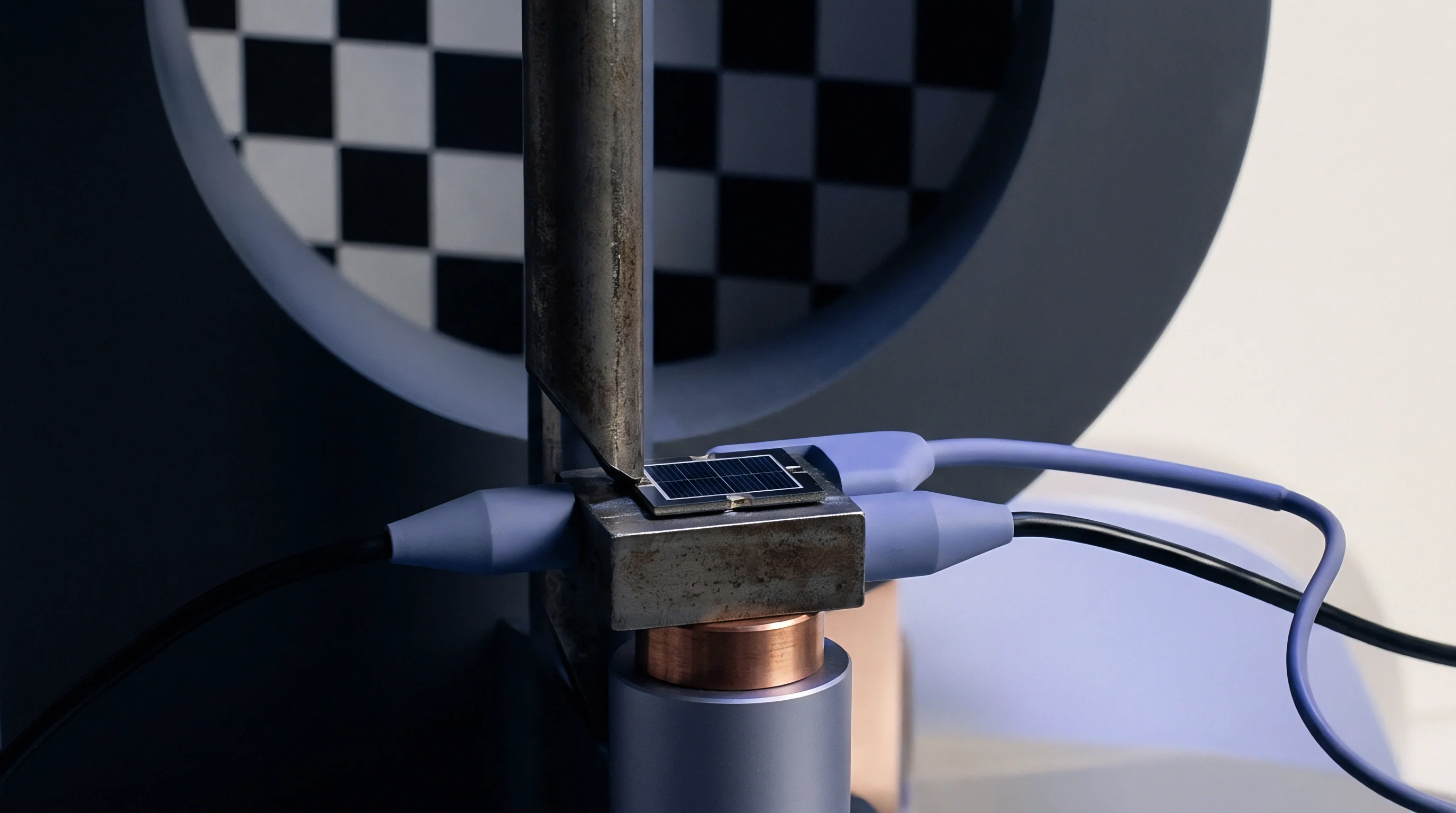
API integrations connecting port clearance authority systems with foreign certification directories enable real-time validity checks. Automated clearance engines verify that grant holder names match entity records listed on commercial invoices and bills of lading. The database validation pass confirms that grant scope covers specific frequency bands and output power levels detected during automated conveyor tunnel radiated emission scans.
Battery depletion during ocean transport often invalidates port scan results when radio power tables fail to initialize.


Gate
Automated physical triage bays separate compliant consignments from units displaying electromagnetic or documentary discrepancies. High-speed conveyor switch gates divert containers and pallet master cartons into distinct processing tracks based on real-time scan analysis. Compliant cargo moves immediately to port outbound logistics staging areas, while flagged shipments route directly into sealed diagnostic hold zones for non-destructive physical sampling.
Automated Robotic Handling in Diagnostic Tunnels
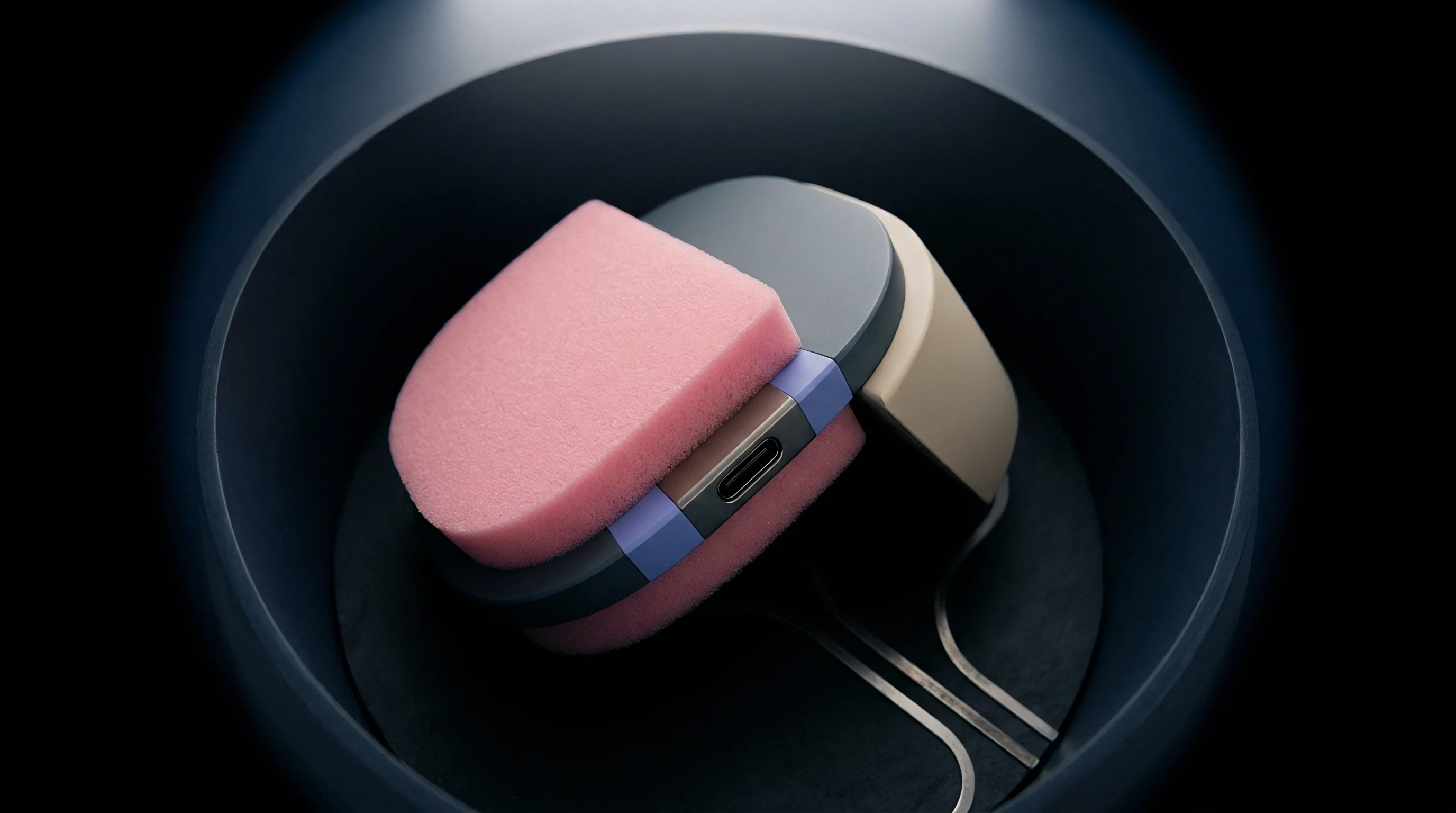
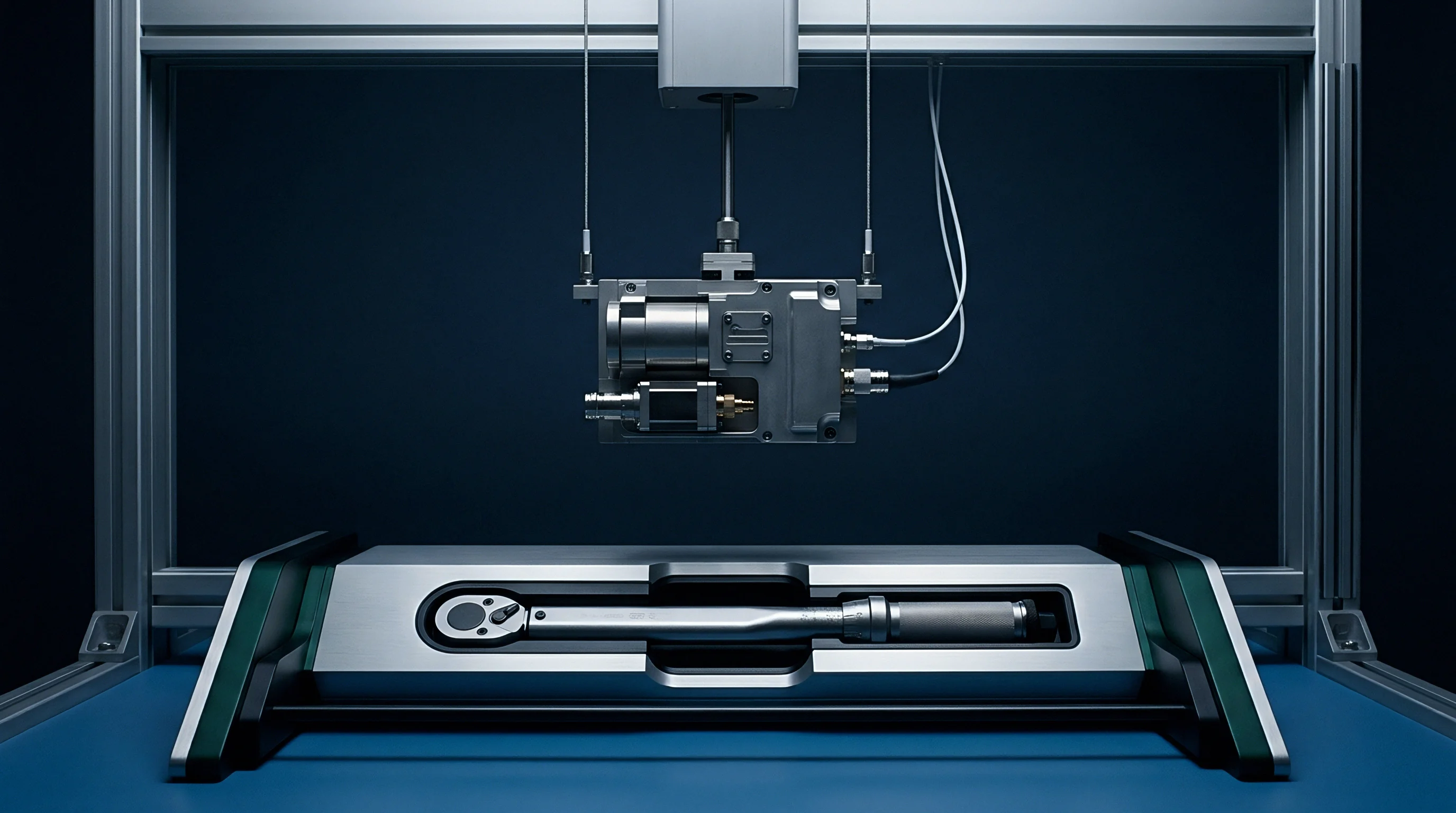
Articulated industrial arms extract sample master cartons from cargo pallets to present target devices to sensor arrays. Automated unboxing mechanisms remove outer protective stretch wrap and corrugated carton flaps without damaging product packaging. Robotic grippers position individual electronic units on diagnostic test beds, aligning device antenna zones with near-field coupling probes and capacitive energization interfaces.
When dead batteries trigger port holds, importers absorb demurrage fees that quickly erode commercial margins.

What Discrepancies Trigger Automated Physical Discharge Testing?
Unexpected radio frequency attenuation levels measured during conveyor passage force automated intervention systems to route cargo into physical evaluation lanes. When packaged consignments fail non-intrusive induction power-up attempts, port automation software commands robotic systems to open designated sample cartons. The system performs localized contact energization to determine whether failure stems from simple cell depletion or complete power management circuit defects.
| Diagnostic Trigger Parameter | Measured Condition Floor | Automated System Severity Code | Mandatory Triage Action |
|---|---|---|---|
| Optical Mark Read Failure | OCR confidence score below 85% | Code 1: Documentary Discrepancy | Reroute to high-resolution optical re-scan berth |
| Inductive Power Boot Failure | Zero RF response after 500 ms injection | Code 2: Power State Fault | Divert to robotic pin-probe physical energization bay |
| Spurious Emission Exceedance | Emissions > 6 dB over regulatory mask | Code 3: Radiated Non-Compliance | Quarantine container; notify regulatory authority |
| Firmware Hash Mismatch | Hash value deviates from grant file | Code 4: Identity Mismatch | Hold shipment; require origin supplier attestation |
| Packaging Attenuation Deviation | Path loss > 12 dB expected baseline | Code 5: Shielding Anomaly | Perform automated x-ray packaging inspection |
Miscalculating the parasitic drain rate during multimodal transit leads to container quarantine, automated physical destruction of unidentifiable electronics, and complete forfeiture of port entry rights.

Diagnostics
Automated functional verification loops execute specialized firmware routines to evaluate radio transmitter performance in under thirty seconds per consignment sample. When energized by auxiliary port sources, host power management integrated circuits route energy directly to the primary system micro-controller. Diagnostic routines execute pre-compiled test sequences stored in non-volatile flash memory, commanding the integrated radio module to transmit standardized test packet bursts across key operational channels.

Inductive Power Transfer Efficiency Dynamics
Primary transmitter coils embedded within conveyor belts generate alternating magnetic fields that penetrate corrugated outer packaging. Energy transfer efficiency depends on alignment geometry, chassis shielding construction, and distance between conveyor charging pads and internal device receiving coils. Coupling efficiency drops significantly when metallic structural elements or dense battery cells sit directly between the external excitation source and internal pickup loops.
Automated test bays adjust driving frequencies between 110 kHz and 300 kHz to find optimal resonant coupling points, maximizing power delivered to deeply discharged devices.
Automated RF scanning accuracy improves when inductive energization coils align precisely with internal receiving antennas before triggering diagnostic transmission.

Worked Throughput and Power Consumption Calculation
Assume a multimodal import lot of 10,000 smart asset trackers arriving at a container terminal with cell state-of-charge dropped below boot thresholds. Each individual tracker contains a cellular LTE-M module and a 3.7 volt, 1200 mAh lithium-polymer battery. The passive BMS protection circuit has open-circuited due to extended transit cell voltage dropping to 2.3 volts.
To execute automated port clearing diagnostics, each device must consume 150 milliamperes at 3.3 volts for a duration of six seconds to complete regulatory firmware verification and radiated power telemetry transmissions.
Total energy required per device boot cycle equates to 3.3 volts multiplied by 0.150 amperes multiplied by 6 seconds, yielding 2.97 Joules of energy. Accounting for a packaging inductive coupling efficiency of 12 percent through thick corrugated master cartons, the external port excitation system must deliver 24.75 Joules of electromagnetic energy per device. The automated conveyor line processes master cartons containing 100 devices each, requiring total energy delivery of 2,475 Joules per carton over a 30-second dwell window.
The energization array must deliver a continuous baseline radio frequency power output of 82.5 watts to the carton surface during the diagnostic cycle.
Line capacity calculations demonstrate that an automated diagnostic tunnel operating with a 30-second carton dwell time handles 120 master cartons per hour, translating to 12,000 individual units per hour per inspection lane. A single automated port tunnel processes the entire 10,000-unit consignment in 50 minutes of continuous conveyor throughput. If 2 percent of the lot fails initial non-intrusive energization due to extreme coil misalignment inside packaging, automated pneumatic sorters divert 200 units to secondary robotic pin-probe stations.
Secondary pin-probe processing at 12 seconds per unit adds 40 minutes of offline triage time, completing full consignment verification within 90 total operational minutes without opening remaining compliant master cartons.
Signal power determines pass rates, and non-destructive RF probing avoids unboxing fees.
- Firmware Flag Configuration requires setting internal register flags that allow low-power diagnostic boots without initiating full system sensor initialization or display backlight activation.
- Packaging Shielding Minimization demands selecting carton material densities that keep total electromagnetic attenuation below 8 dB across active diagnostic frequency ranges.
- Coil Alignment Standards mandate placing internal charging and diagnostic pickup coils within 15 millimeters of outer housing surfaces to maintain inductive coupling efficiency.
- Grant Hash Embedding involves flashing cryptographic hashes of certification certificate numbers directly into read-only memory registers accessible via automated RF backscatter commands.
Whether international customs authorities will establish unified over-the-air energization standards for battery-depleted cargo remains an open dispute among global port logistics consortiums.

Outlay
Financial losses incurred during customs holds compound rapidly through accumulated terminal storage charges and container demurrage rates. When automated inspection tunnels flag shipments for power depletion or unverified radio identity, port authorities move containers out of automated clearing streams into physical examination yards. Daily container demurrage surcharges scale exponentially after standard free-time allowances expire, transforming minor compliance gaps into major financial liabilities.

Demurrage and Tariff Surcharge Mechanics
Port terminal operators impose daily fee schedules once container free-time allowances expire during regulatory holds. Standard ocean freight arrangements allocate three to five free days at destination container terminals. If automated port diagnostics fail to clear a shipment due to battery depletion or modular grant verification errors, container storage fees escalate from an initial baseline of one hundred dollars per TEU per day up to five hundred dollars per TEU per day after seven days of quarantine.
Financial Tradeoffs in Pre-Shipment Battery Conditioning
Incorporating specialized sleep modes into device firmware mitigates the financial risk of customs quarantine. Importers weigh the initial unit cost of installing pre-shipment charging protocols against the prospective expense of port laboratory testing surcharges and manual physical audit fees. Allocating capital to origin factory conditioning ensures cargo moves through automated clearing channels without triggering expensive secondary triage intervention.
| Inspection Workflow Outcome | Average Clearance Duration | Direct Port Surcharges Per Container | Total Landed-Cost Impact Per Unit |
|---|---|---|---|
| Automated Pass (Non-Intrusive) | 2 hours to 6 hours | $0 additional port fees | Baseline landed cost |
| Inductive Energization Hold | 12 hours to 24 hours | $150 diagnostic handling fee | +$0.15 per unit (10k lot) |
| Robotic Unboxing Audit | 2 days to 4 days | $850 handling & re-wrapping fee | +$0.85 per unit (10k lot) |
| Full Quarantine & Retest Hold | 10 days to 21 days | $4,500 demurrage + lab test fees | +$5.20 per unit + launch slip |
| Assumes standard 40-foot high-cube container holding 10,000 integrated wireless devices arriving at major ocean port terminals with 4 days standard free-time allowance. | |||
Importers who incorporate non-intrusive wake-up loops into product designs avoid manual customs holds, keeping demurrage fees predictably low across high-volume container corridors.