
Antenna Coupling Interference and Substrate Attenuation in Unlicensed Radio Modules
Host proximity near unlicensed module antennas degrades total efficiency and shifts harmonics over emissions thresholds requiring re-certification.
Host proximity near unlicensed module antennas degrades total efficiency and shifts harmonics over emissions thresholds requiring re-certification.
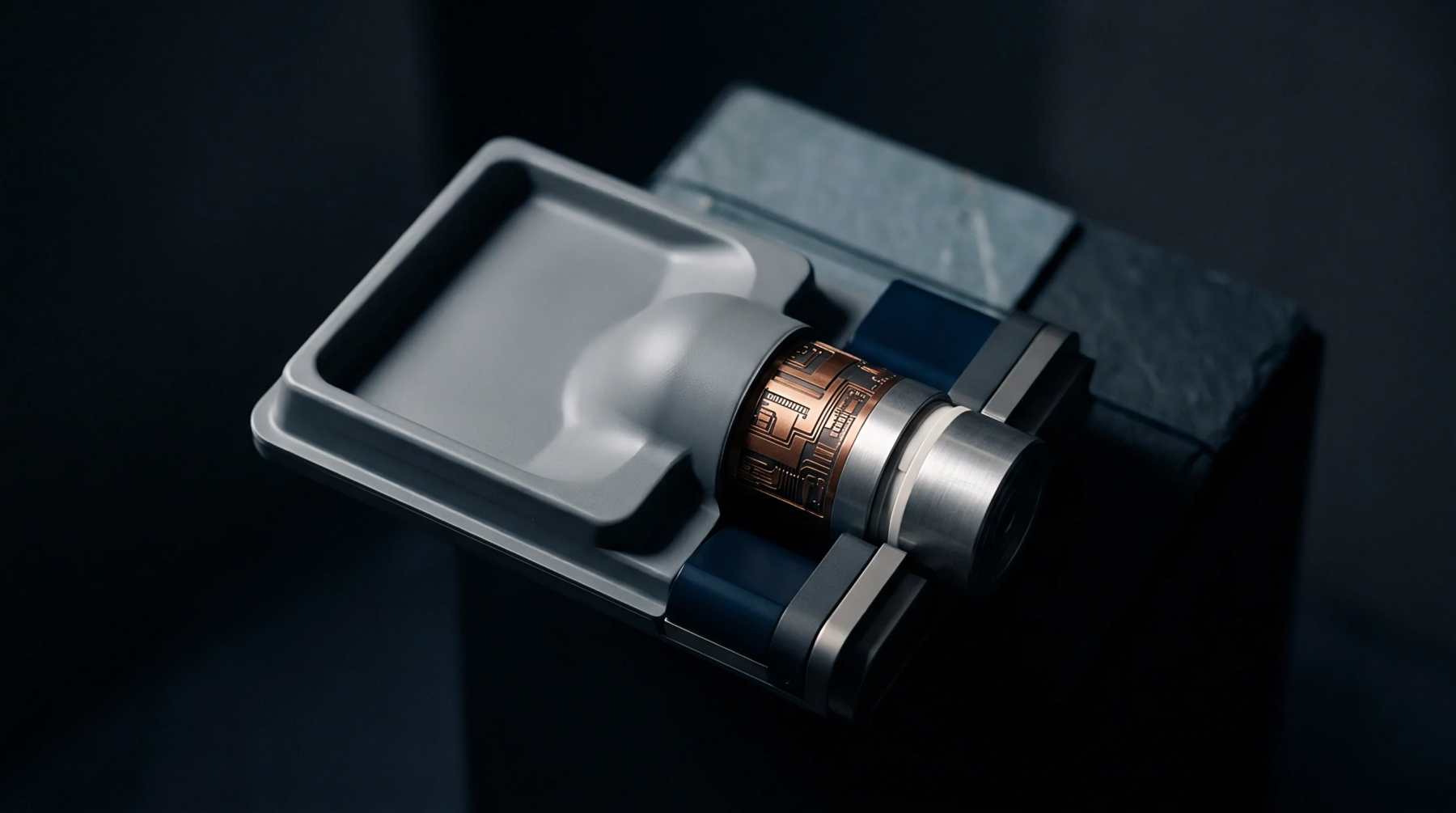
Conductive polymer composite absorption depends on balancing complex permittivity and skin depth to eliminate surface reflection and satisfy radiated emission limits.

Modular radio approvals cover baseline standalone performance, requiring host radiated spot checks to prevent spurious emission failures upon enclosure integration.

Modifying enclosure materials or geometry shifts near-field coupling and radiated emissions, triggering mandatory global re-testing and permissive change refilings.

FCC modular class changes require Class I audit logs for minor zero-increase emissions shifts and Class II filings for higher gain, host SAR, or altered spurious profiles.
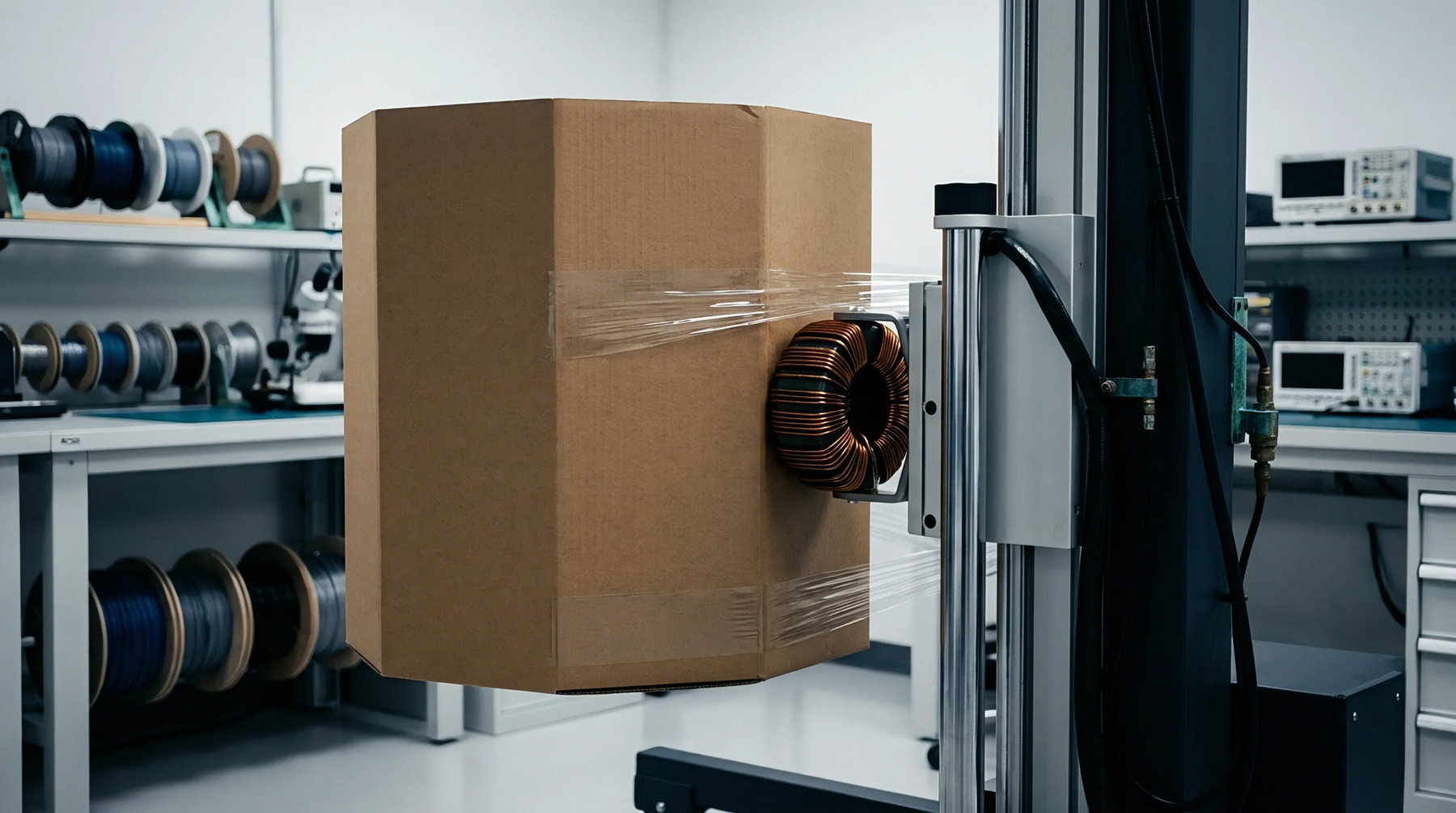
Multijurisdictional co-location SAR evaluation requires host-level total exposure ratio analysis and spatial decoupling to ensure global market clearance.

Mitigate third-party radio grant revocations through mandatory design escrow clauses, independent host verification testing, and dual-footprint layout strategies.

Modular radio approvals transfer strict radiated compliance obligations to host builders, requiring rigorous change classification and trace stackup control.

FCC rule changes governing modular radios demand precise classification of trace, antenna, and proximity shifts to prevent illegal radiated emissions.
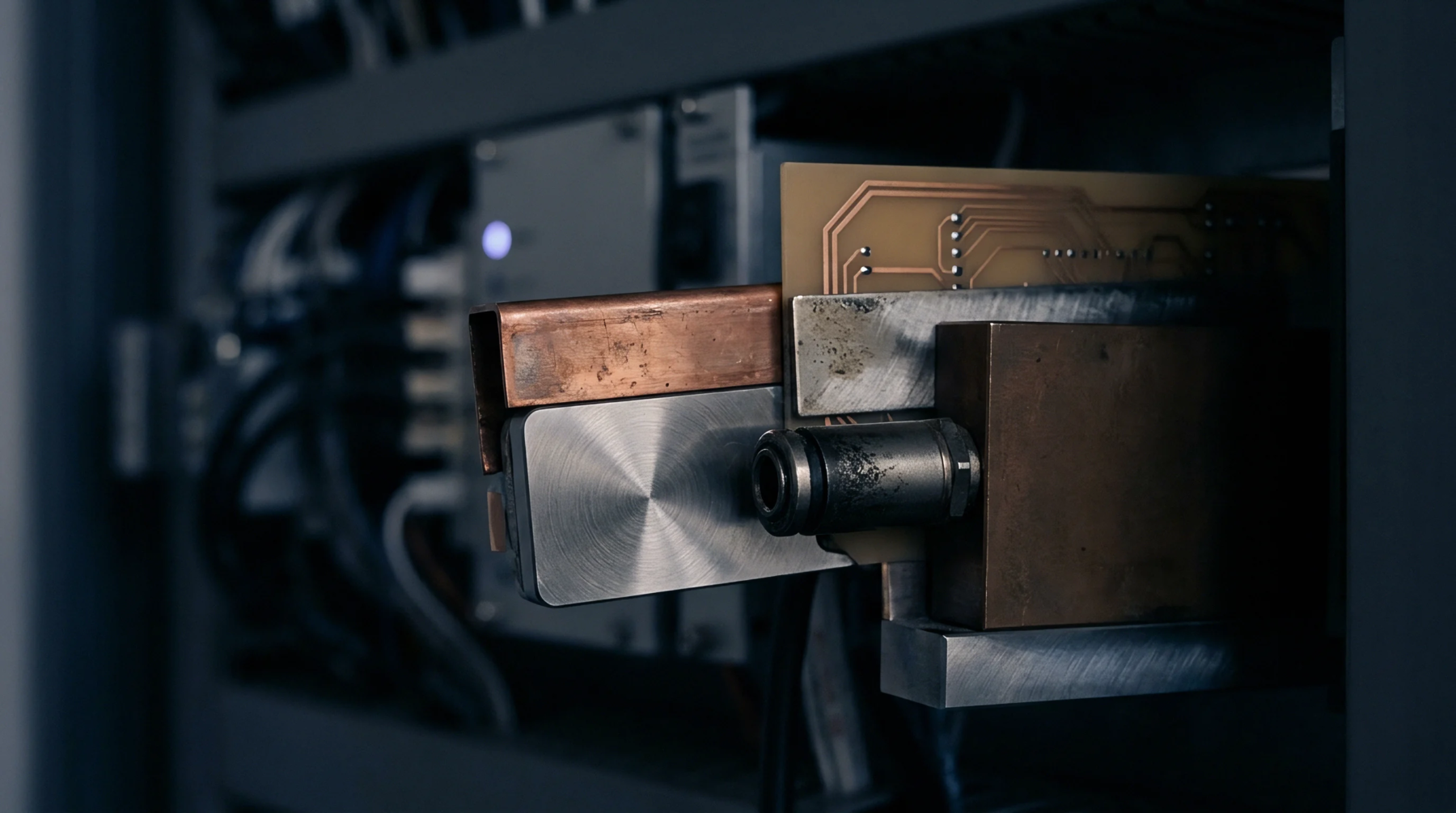
Verify import regulatory dockets by matching model identifiers, checking ISO/IEC 17025 lab accreditations, and auditing host modular integration scope.
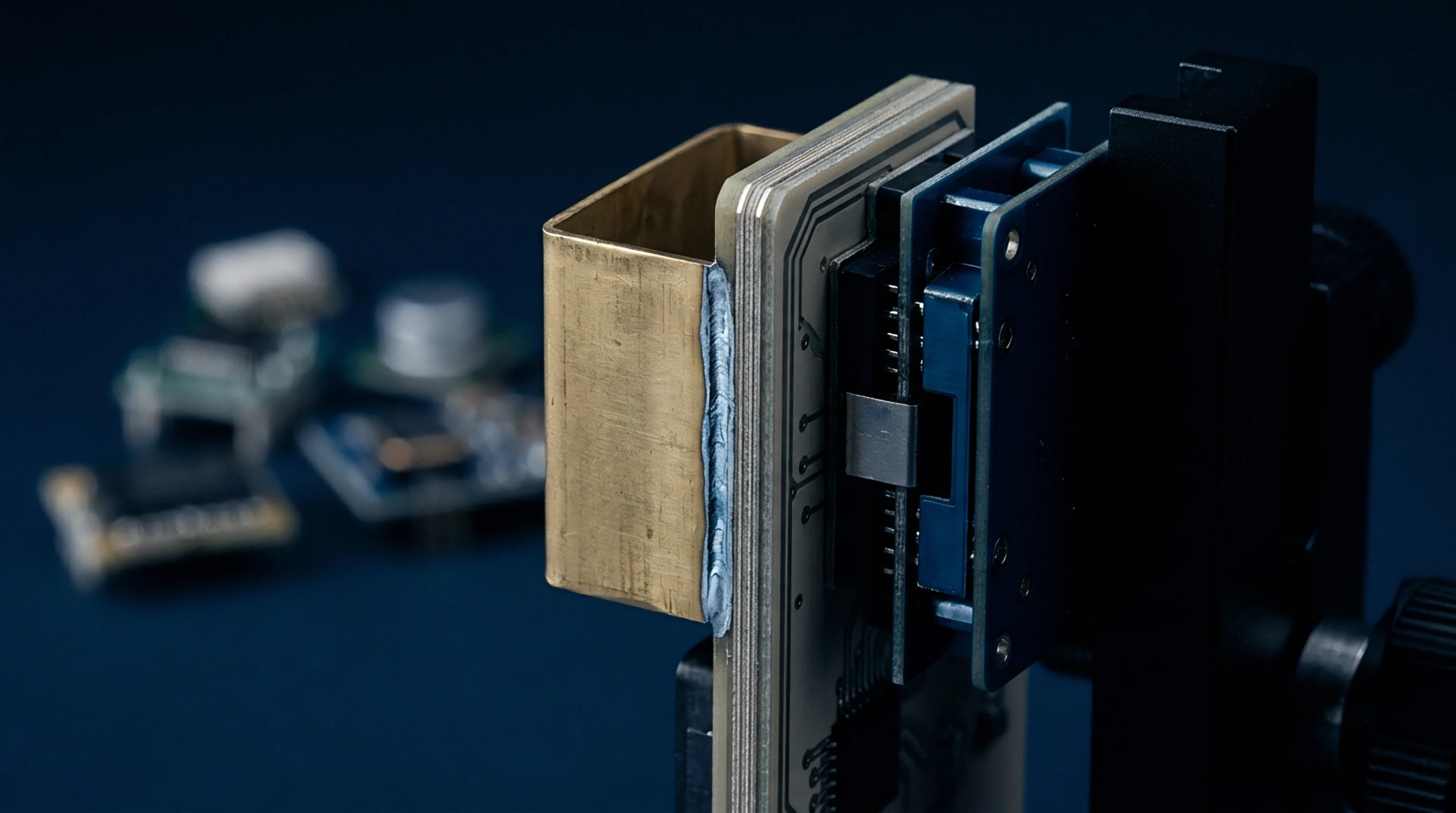
Evaluating supplier test reports against EU radio standards requires verifying ISO/IEC 17025 scopes, standard versions, and host power settings.

Co-located portable host radios require simultaneous SAR ratio summation or dynamic backoff validation when separation distance drops below twenty centimeters.

Modular radio grants only protect host products when integration documentation, antenna parameters, and Class II permissive change filings match final hardware.
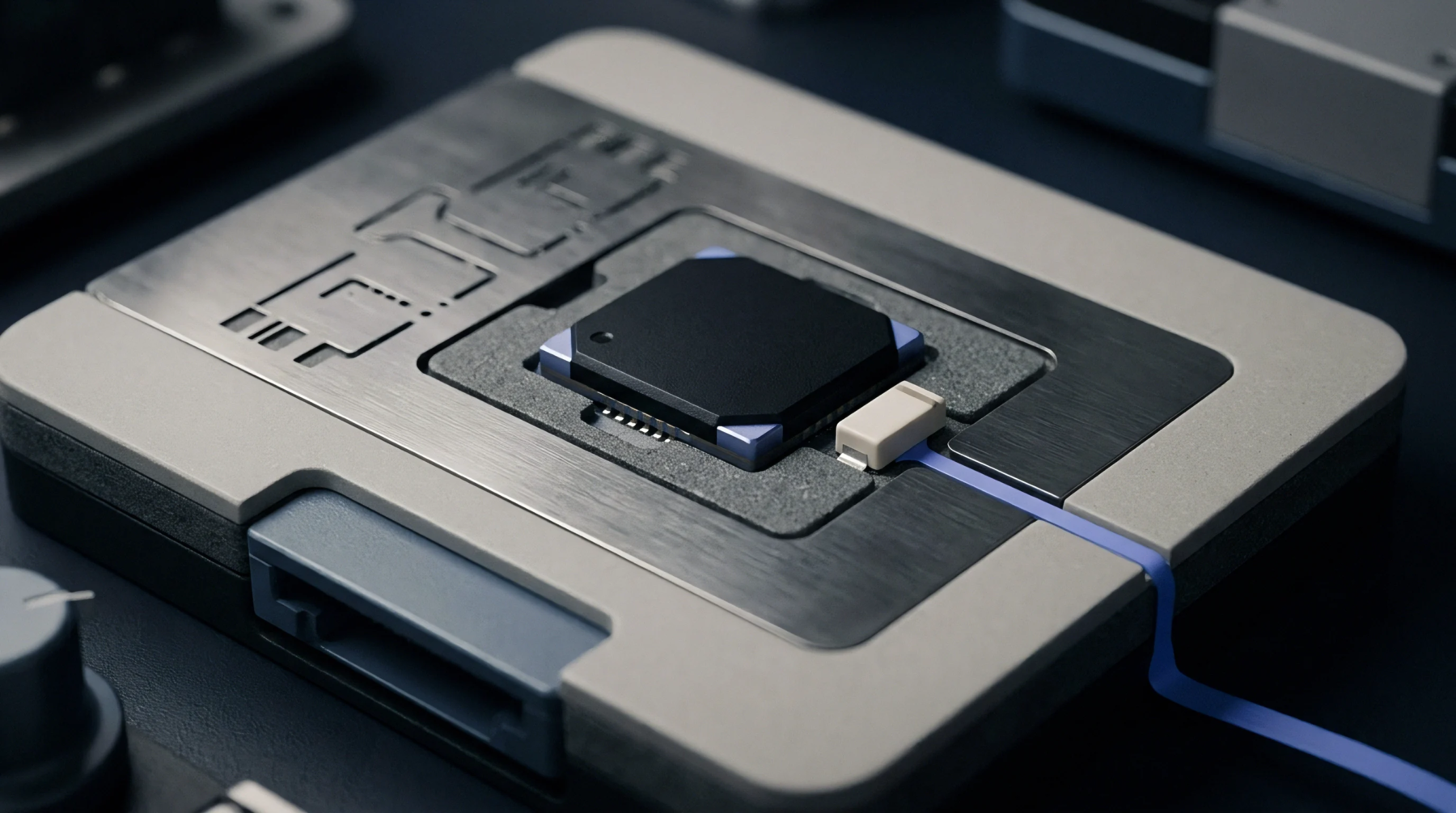
Standalone SAR exclusion allows portable wireless hosts to bypass laboratory phantom testing when time-averaged power falls below frequency-scaled distance thresholds.

Coordinating multi-radio permissive changes requires early intermodulation scanning, proactive grant transfers, and simultaneous SAR sum calculations before filing.

Handheld exposure filings demand unified 1g and 10g spatial SAR test plans, tight proximity sensor power backoff logic, and deterministic firmware controls.

Dynamic array field reconstruction must dynamically compensate for near field dielectric detuning to preserve link margin while verifying spatial exposure compliance.

Host enclosure modifications invalidating embedded radio grants require fresh host-level testing and updated labeling prior to customs clearance.

Modifying host enclosure materials demands FCC permissive change evaluation when dielectric properties or metallic proximity alter radiated emissions or SAR values.

Co-located modular SAR permissive change compliance depends on distance, combined transmit power, and SPLSR calculations to avoid Class II testing.
Reconciling customs import valuations with radio type approval scopes requires aligning declared hardware assists and software royalties with granted technical limits.

Modular approval requires eight statutory hardware conditions; host integrators must perform spot checking and unintentional radiator evaluation before market entry.

Modular grant validity depends on maintaining strict antenna gain, separation distance, and trace impedance bounds within host product enclosures.

Mitigate co-located spurious emissions by maximizing inter-antenna isolation, placing steep acoustic wave filters at transceiver ports, and verifying concurrent transmission under KDB 996369 rules.

Early co-simulation of enclosure dielectric loading and counterpoise geometry prevents costly mold tooling revisions and regulatory recertification delays.
Pre-certified FCC modular grants eliminate fundamental radio testing but require strict host trace adherence, exposure compliance, and Part 15B verification.
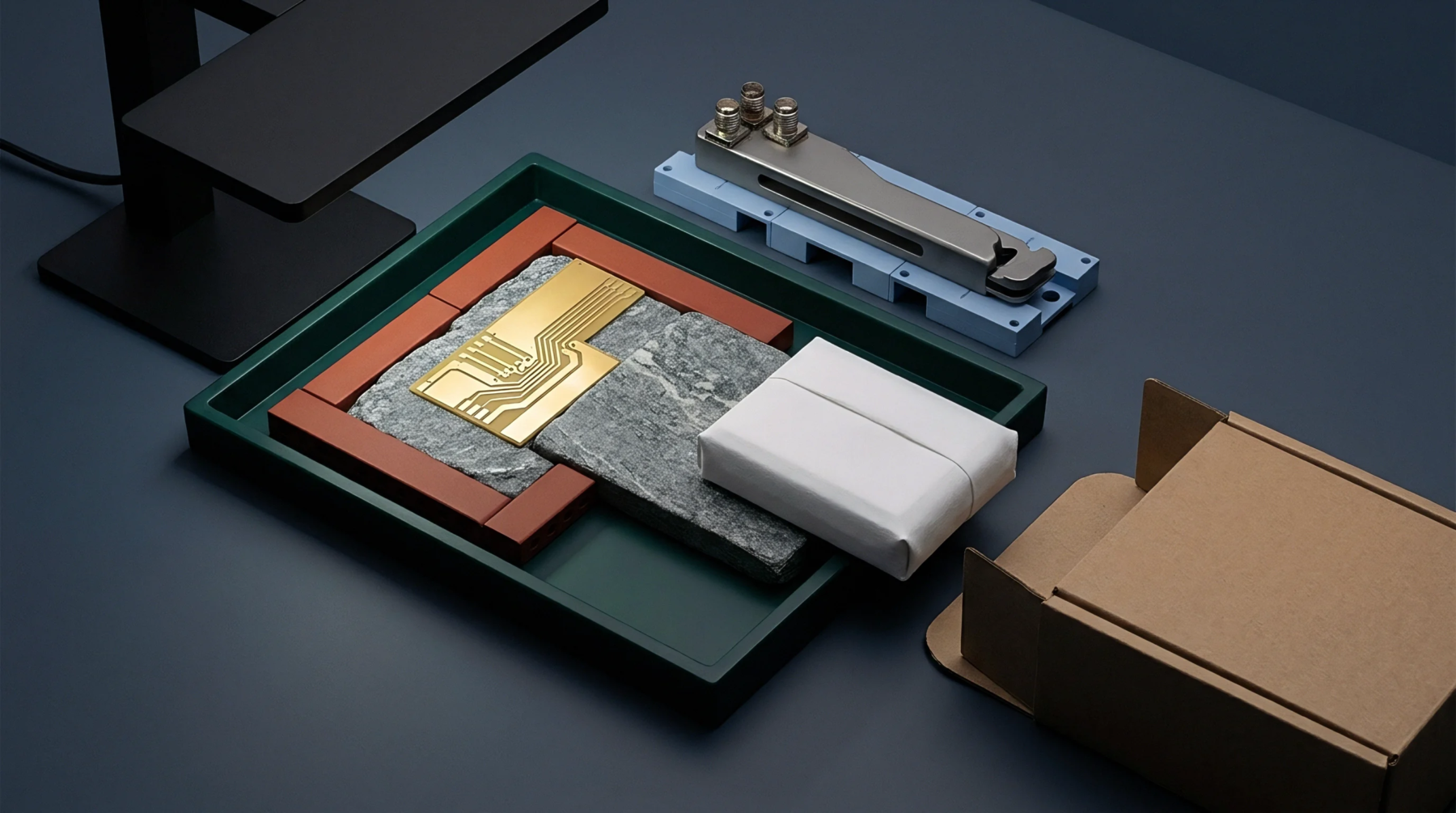
Foreign radio manufacturers avoid South Korean customs lockouts by filing RRA conformity applications under their own corporate name rather than a distributor.
Cross-border white-label radio sourcing requires contractually binding Class II Permissive Change filing rights and strict regulatory indemnity provisions.

Simultaneous transmission SAR evaluation demands spatial ratio summation, proximity sensor backoff calibration, and time-averaged power tracking across radios.
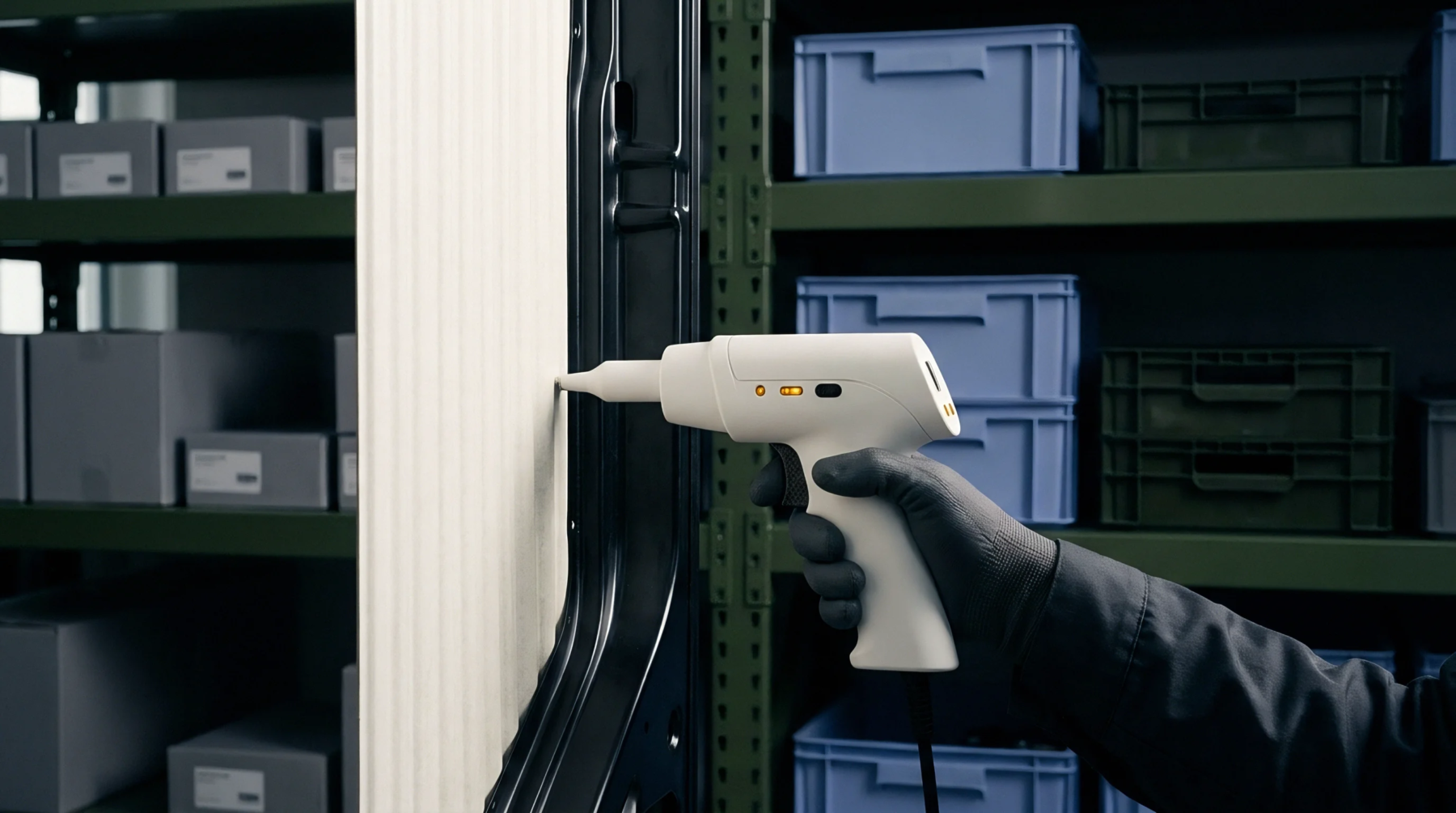
Multi-radio handheld exposure compliance requires summing normalized SAR values across concurrent transmitters to verify the total exposure ratio stays below unity.
Expertise is a utility, not a secret. sentiention™ publishes its working knowledge as open reference: intelligence layer covering the materials it sources, the markets it enters, and the reference that serves both.