Meaning
An electronic device that is not specifically designed to emit radio frequency energy but does so as a byproduct of its internal operation. This unintentional radiator category includes products like computers and televisions that use high speed electrical signals. The internal oscillators and the digital switching circuits inside these devices can create electromagnetic noise that may interfere with nearby wireless services.
Regulatory agencies like the federal communications commission set limits on the amount of radiated energy these products can produce to ensure they do not disrupt the radio spectrum. Every digital device must be tested for compliance with these limits before it can be legally sold to the public. This classification covers almost all modern electronic hardware that contains a clock or a processor.
Noise Generation
The physical mechanism behind this radiation involves the rapid movement of electrical charges within the conductive traces of a printed circuit board. When a digital signal switches from a low to a high state, it creates a current spike that radiates a small amount of electromagnetic energy into the air. These traces act like miniature antennas, and their efficiency as radiators depends on their length and their proximity to a ground plane.
In an unintentional radiator, this energy is unwanted and can lead to failures in electromagnetic compatibility testing if not properly managed. The noise is often concentrated at the fundamental frequency of the internal clock and its higher harmonics. High speed data buses and switching power supplies are common sources of this unintended radio frequency emission in complex electronic assemblies.
Mitigation Technique
Engineers use several design strategies to minimize the amount of energy that escapes from a digital device. Proper grounding is the most effective method, as a continuous reference plane provides a return path for currents and reduces the loop area of the signals. Adding decoupling capacitors near the power pins of microchips helps to filter out high frequency noise before it can reach the traces on the board.
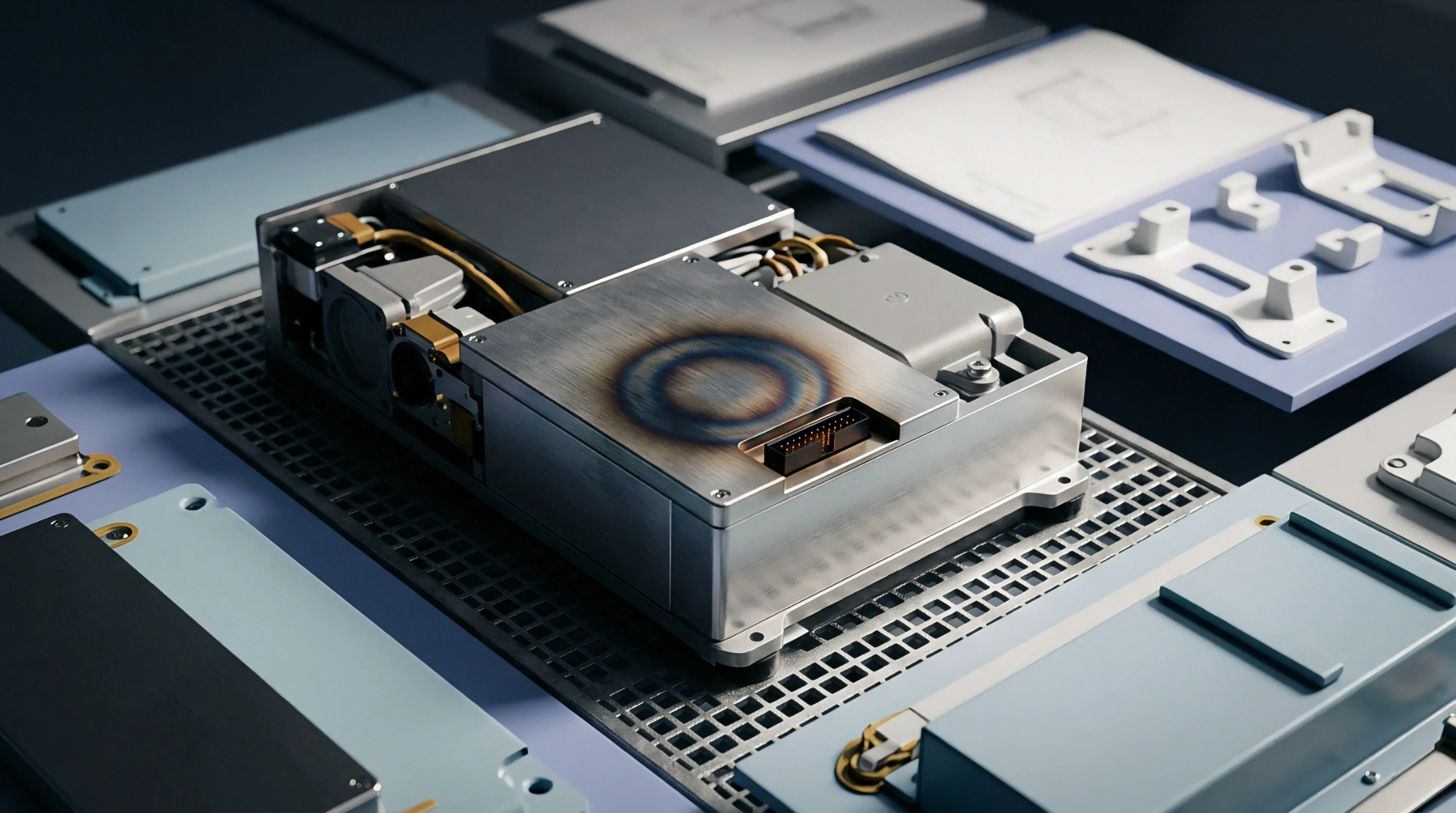
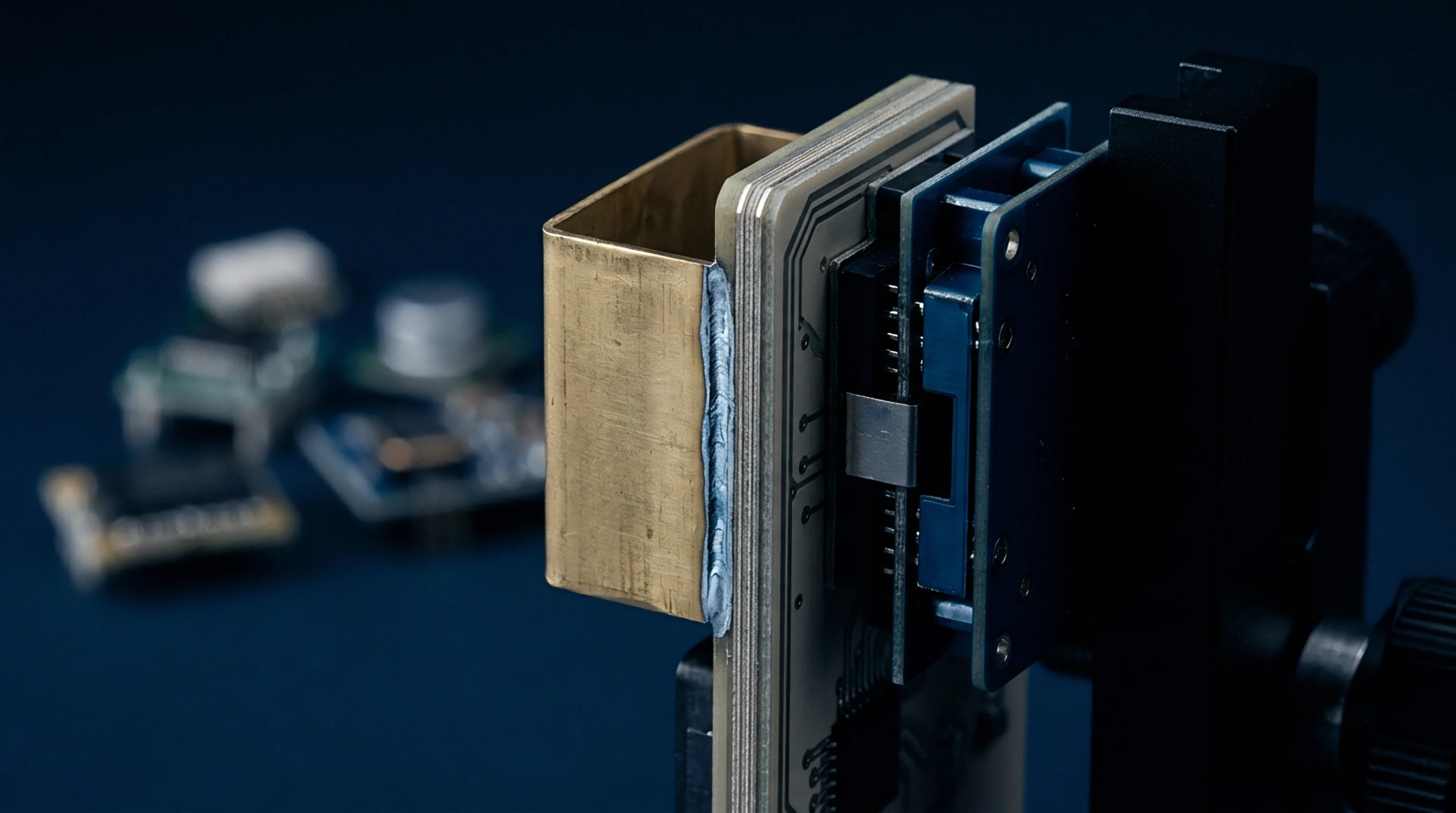
In some cases, a metal shield is placed over the noisy components to contain the radiation within a small area. The use of ferrite beads and low pass filters on the external cables can also prevent the device from using its wiring as a large radiating antenna. These techniques are refined during the prototyping phase based on the results of preliminary emission scans.
Regulatory Verification
To confirm that a product meets the legal requirements, it must undergo testing in a specialized facility known as an electromagnetic compatibility lab. This process involves placing the unintentional radiator on a turntable inside a shielded chamber and measuring its radiated emissions across a wide range of frequencies. The laboratory also tests the conducted emissions that are sent back into the power lines to ensure they do not affect other devices connected to the same grid.
If the measured levels are below the specified limits, the manufacturer can issue a declaration of conformity and apply the appropriate marks to the product. This testing is a final quality gate that ensures the hardware is safe for use in residential and commercial environments.