
Selecting CIoT EPS Optimizations for Low Power Wide Area Hardware
Selecting CIoT EPS optimizations requires balancing Control Plane signaling overhead against User Plane resume costs based on payload size and timer settings.
Selecting CIoT EPS optimizations requires balancing Control Plane signaling overhead against User Plane resume costs based on payload size and timer settings.

Extended 3GPP PSM sleep thickens primary battery passivation layers, risking modem brownout during peak wake-up pulses unless buffered or pre-pulsed.
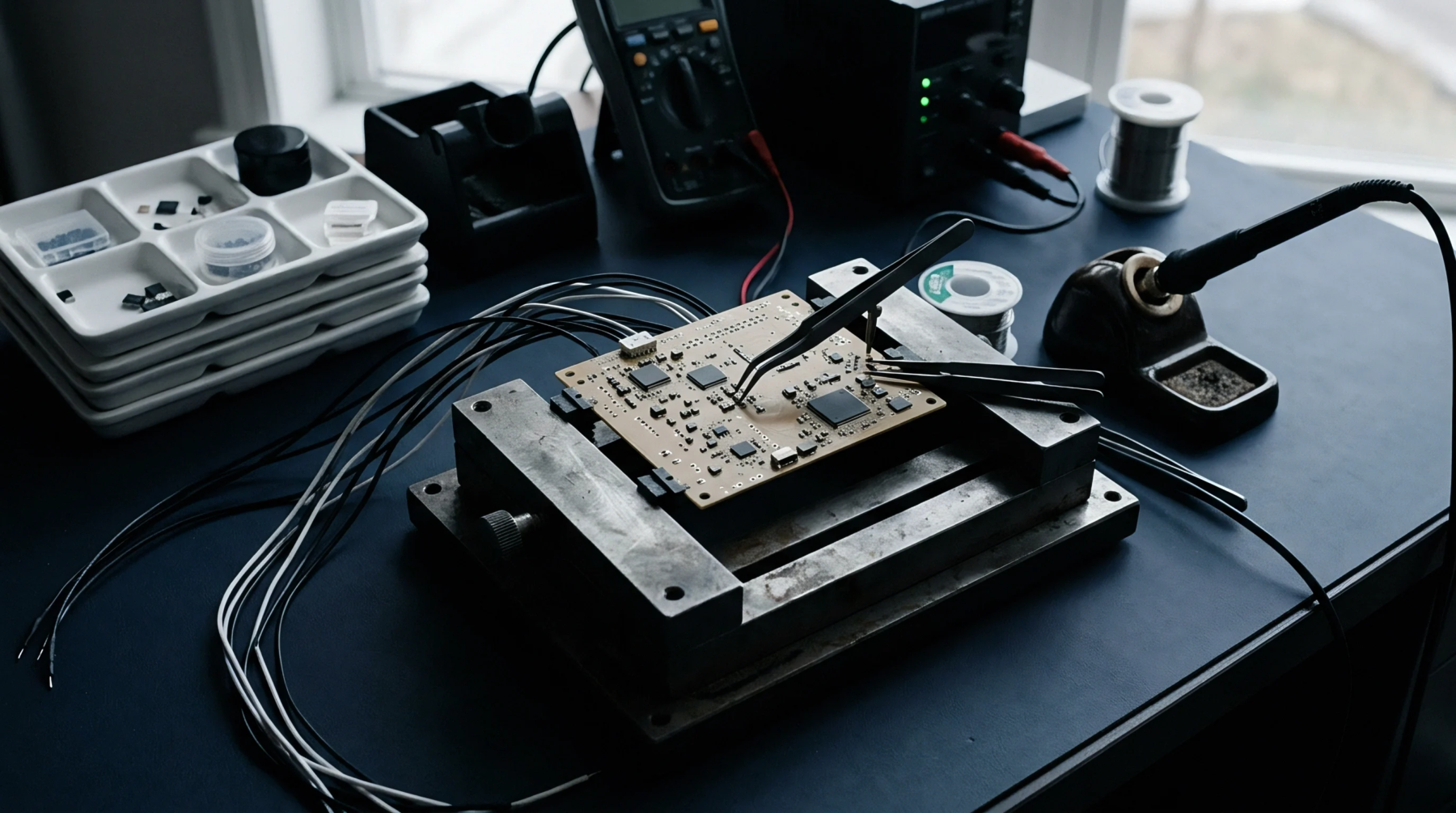
Dynamic passivation and cathode pore choking degrade thionyl chloride pulse capacity, requiring hybrid capacitor buffering to guarantee sub-zero meter uplinks.

Cryptographic current surges collapse high-impedance battery rails, causing chamber scan aborts that trigger hardware redesigns and eight-week retest delays.

Lithium thionyl chloride cells under smart card proactive polling require parallel capacitor buffering or firmware pre-pulsing to prevent transient brownout resets.

Antenna detuning from container steel forces power amplifiers into low-efficiency load states, quadrupling peak current draw and collapsing primary battery voltage.

Optimizing baseband search timers bounds frequency sweeps and extends exponential backoff to preserve primary battery cells during coverage outages.

Algorithmic clock compensation trims sub-GHz receiver listen windows from milliseconds to microseconds, doubling node battery life under wide thermal swings.
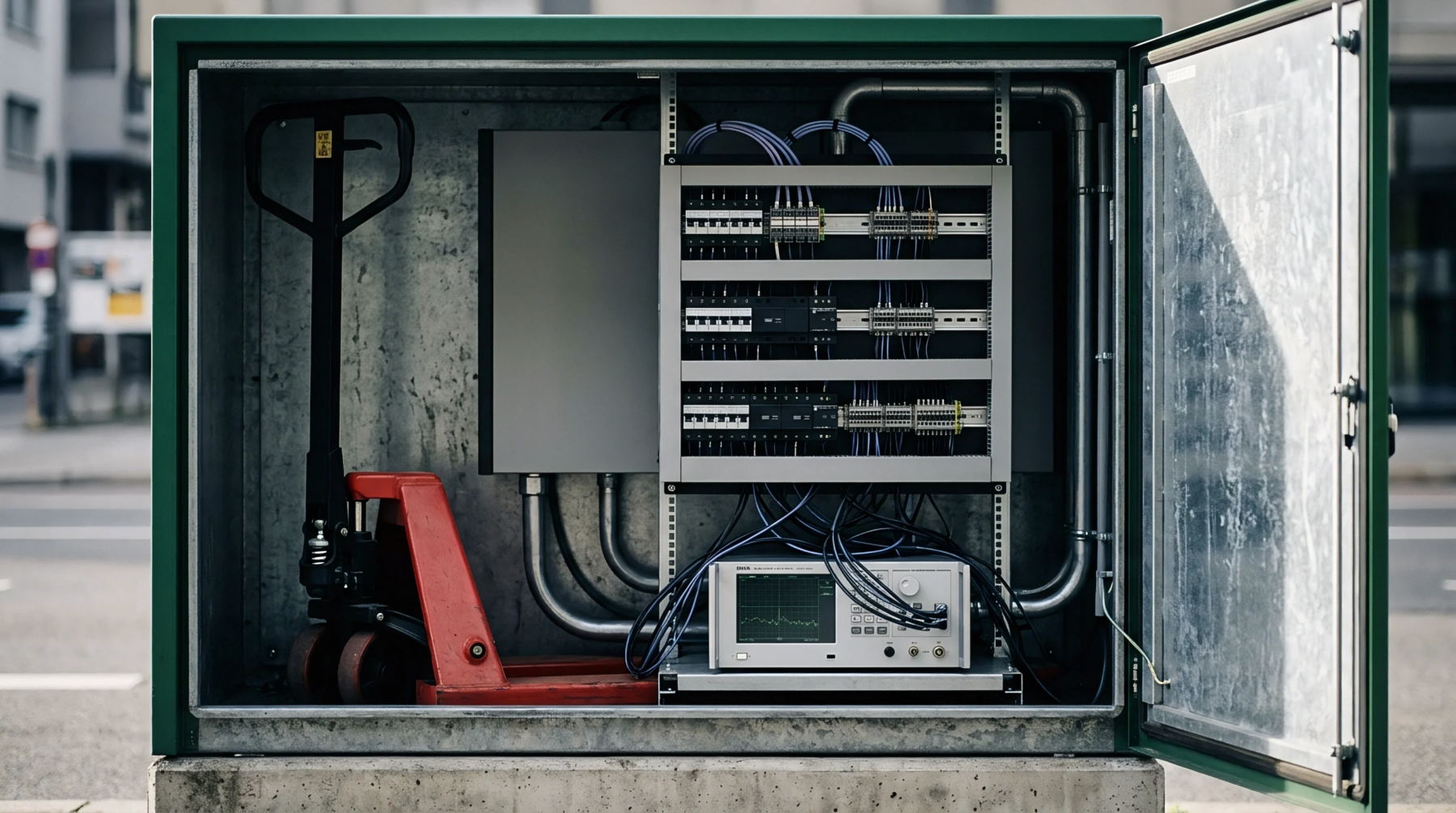
Dynamic power bus decoupling and hardware packet arbitration prevent supply rail collapse and receiver desensitization in multi-band edge radios.

Finite state machine edge buffer offload balances primary high-speed flush links against secondary fallback radios to preserve energy and guarantee telemetry delivery.

Optimize LTE-M battery life by pairing binary CoAP payloads with sub-second T3324 timers and negotiated long-interval T3412 PSM parameters.

Sub-GHz radio current drain increases up to eighty percent under severe antenna load mismatch and extreme ambient heat requiring dynamic backoff profiles.

High VSWR doubles transmit current spikes, triggering severe battery internal voltage drops that cause brownout resets before cell capacity drains.
Front end antenna mismatch shifts power amplifiers into low-efficiency load pull states, spiking transmit current and causing early battery brownout reset.
Antenna mismatch spikes cellular amplifier current, forcing battery voltage collapse and brownout during remote eSIM profile provisioning.

Matching radio pulse duty cycles to battery ion diffusion relaxation time constants prevents concentration polarization sags and avoids premature device resets.

Subterranean cellular upload bursts trigger localized overpotentials that clog porous cathode pore mouths, requiring buffered capacitors and rest intervals.

Parallel hybrid layer capacitors eliminate transient voltage dips in passivated primary lithium cells by supplying peak currents during cellular transmit pulses.
Expertise is a utility, not a secret. sentiention™ publishes its working knowledge as open reference: intelligence layer covering the materials it sources, the markets it enters, and the reference that serves both.