Primary Battery Passivation Dynamics under Extended 3GPP Power Saving Mode Sleep Profiles
Extended 3GPP PSM sleep thickens primary battery passivation layers, risking modem brownout during peak wake-up pulses unless buffered or pre-pulsed.

Anode
Placing metallic lithium in active thionyl chloride solvent instantly forms a protective crystalline film across its exposed physical surface. This solid-electrolyte interphase layer consists primarily of lithium chloride crystals. Acting as an electronic insulator while remaining an ionic conductor, the film halts rapid self-discharge and gives lithium thionyl chloride primary cells an unpowered shelf life exceeding ten years.
Chemical equilibrium governing film formation relies on continuous chemical interactions between the metallic substrate and the liquid depolarizer.
When an Internet of Things module enters 3GPP Power Saving Mode, baseline current draw drops from tens of milliamperes down to a continuous floor between 800 nanoamperes and 3.5 microamperes. Under continuous microampere loads, crystal growth proceeds unimpeded. Lithium ions migrate slowly through the lattice structure, causing coarse, dense crystal structures to precipitate on top of the initial thin film.
Extended sleep profiles lasting several weeks or months allow these salt structures to thicken significantly, raising the internal ionic resistance of the cell.
Solid Electrolyte Interphase Formation
Microampere discharge profiles alter the physical topography of the crystalline barrier. Continuous high-current discharge fractures salt crystals as rapidly as they form, maintaining a porous, low-resistance boundary layer. Deep sleep states lack the ion flux needed to disrupt crystal growth, producing a dense lattice structure that restricts ion mobility during sudden load transitions.
Storage duration directly alters film thickness. A primary cell resting in Power Saving Mode for 180 days accumulates a passivating structure several times thicker than a cell discharged under a steady 10 milliampere load. The growth rate follows parabolic kinetics over time, driven by temperature and trace impurities in the electrolyte solution.
Sub-microampere sleep currents fail to disrupt this growth, creating a high-impedance state inside the primary cell.

Temperature Influences on Salt Crystallization
Thermal conditions dictate the kinetics of crystalline precipitation at the electrode boundary. Elevated ambient storage temperatures accelerate chemical reaction rates, increasing the thickness of the passivating layer during extended idle periods. A cell stored at 50 degrees Celsius develops high internal resistance far faster than a cell resting at room temperature.
Low temperatures impose a different operational penalty on passivated cells, reducing ionic conductivity through the electrolyte and the passivating film simultaneously. When an outdoor asset monitor wakes from Power Saving Mode at sub-zero temperatures, the combination of a thick passivating film and cold electrolyte creates severe transient voltage drops.
Extended microamp storage always thickens passivating salt layers regardless of nominal cell capacity ratings.
Cell capacity ratings printed on datasheets reflect continuous discharge down to a cutoff voltage under room temperature conditions. These figures obscure the transient response of the battery when subjected to intermittent high-power network events. A cell rated for 8.5 ampere-hours may fail to deliver even 50 milliamperes if the passivating film causes terminal voltage to collapse below the cellular modem shutdown threshold on the very first transmission burst.
Passivating salt layers inevitably thicken during prolonged microampere storage, irrespective of nominal cell capacity ratings.

Interval
Rel-13 specifications define sleep profiles where cellular field devices remain dormant for months between network synchronization events. The 3GPP Power Saving Mode relies on two main timers negotiated between the User Equipment and the core cellular network: the T3324 Active Timer and the T3412 extended periodic Tracking Area Update timer. T3412 values reach up to 413 days, allowing remote sensors to sleep almost indefinitely to conserve primary battery energy.
Longer sleep durations compound passivation risks. While extended sleep conserves capacity by keeping average current draw near the self-discharge floor, it guarantees that the primary cell remains in a zero-disruption state for long periods. The solid-electrolyte interphase layer grows uninterrupted throughout the extended T3412 duration.
Upon timer expiry, the modem exits deep sleep and immediately demands peak current to execute network random access procedures.

Power Saving Mode Timers and Idle Currents
Timer configurations establish the balance between network responsiveness and battery degradation dynamics. Short T3412 values force frequent wake-up cycles that periodically break down the passivating film, preventing extreme high-impedance states from developing. This frequent depassivation consumes active energy through repeated RF handshakes, reducing overall operational life.
Extending T3412 to several thousand hours preserves milliampere-hour capacity but increases the probability of severe transient voltage sag during wake-up. The modem must execute cell selection, system information acquisition, and physical random access channel preambles within milliseconds of exiting sleep.
| Sleep Duration (Days) | Baseline Current (µA) | Equivalent Resistance (Ω) | Instantaneous Voltage Dip (V) | Modem Status (2.8V Cutoff) |
|---|---|---|---|---|
| 7 | 1.5 | 4.2 | 3.30 | Operational |
| 30 | 1.5 | 12.8 | 3.05 | Operational |
| 90 | 1.5 | 28.5 | 2.65 | Brownout Reset |
| 180 | 1.5 | 45.0 | 2.20 | Brownout Reset |
| 365 | 1.5 | 72.0 | 1.60 | Unrecoverable Lockup |
Link Budget Transmit Spikes during Sleep Exit
Network coverage conditions dictate the transmit power required when exiting sleep. A Narrowband IoT device deployed deep indoors or at the edge of a cell operates in Extended Coverage Mode C, demanding maximum RF output power of +23 dBm. Transmitting at +23 dBm requires power amplifier currents between 220 milliamperes and 450 milliamperes depending on module power supply efficiency and antenna impedance matching.
A 3.6V bobbin-type cell subjected to 180 days of continuous 2.5 microamp PSM sleep exhibits an initial voltage drop to 2.3V under a 300 mA RF preamble burst at 25 °C.
High peak currents drawn across an elevated internal resistance produce an immediate voltage drop. If terminal voltage falls below the modem baseline operating voltage—typically 2.8 volts for LTE-M and NB-IoT chipsets—the internal brownout circuit triggers a hardware reset. The device fails to complete its network registration, clears its system memory, and re-enters cold boot routines that consume more energy while failing continuously in a loop.
Selecting an extended sleep profile without matching the pulse delivery capacity leads directly to unrecoverable field brownouts and permanent network disconnection.

Breakdown
Preamble transmissions executed by NB-IoT modules instantly demand high current from primary cells upon exiting deep sleep modes. Depassivation represents the physical process of breaking down the resistive crystalline salt layer to restore metallic ion conductivity. When a high current load applies to a passivated cell, the intense electric field across the thin film forces lithium ions through the salt lattice, generating localized mechanical stresses that fracture the crystalline structure.
Lattice fracturing requires specific energy thresholds. If the current draw is too low, the film remains intact and continues restricting ion flow. If the current draw is extremely high, the instantaneous voltage drop drops terminal potential below the hardware brownout point before mechanical fracturing lowers the cell internal resistance.
Transient Voltage Dips during Random Access
Random access channel execution represents the most vulnerable operational phase during sleep exit. The modem executes physical layer preamble transmissions with precise timing windows mandated by 3GPP standards. During this phase, the current steps from microamperes to hundreds of milliamperes in under 10 microseconds.
Transient voltage response during this step-change displays a characteristic shape: an immediate drop to a minimum voltage valley, followed by a gradual voltage recovery as ion channels clear through the passivating film. The duration of this recovery valley ranges from 50 microseconds to over 200 milliseconds, depending on chemical composition, temperature, and prior idle duration. If the valley dips beneath the modem reset limit for longer than the modem decoupling capacitance can buffer, execution halts instantly.
Will Hybrid Layer Capacitors Eliminate Voltage Brownout?
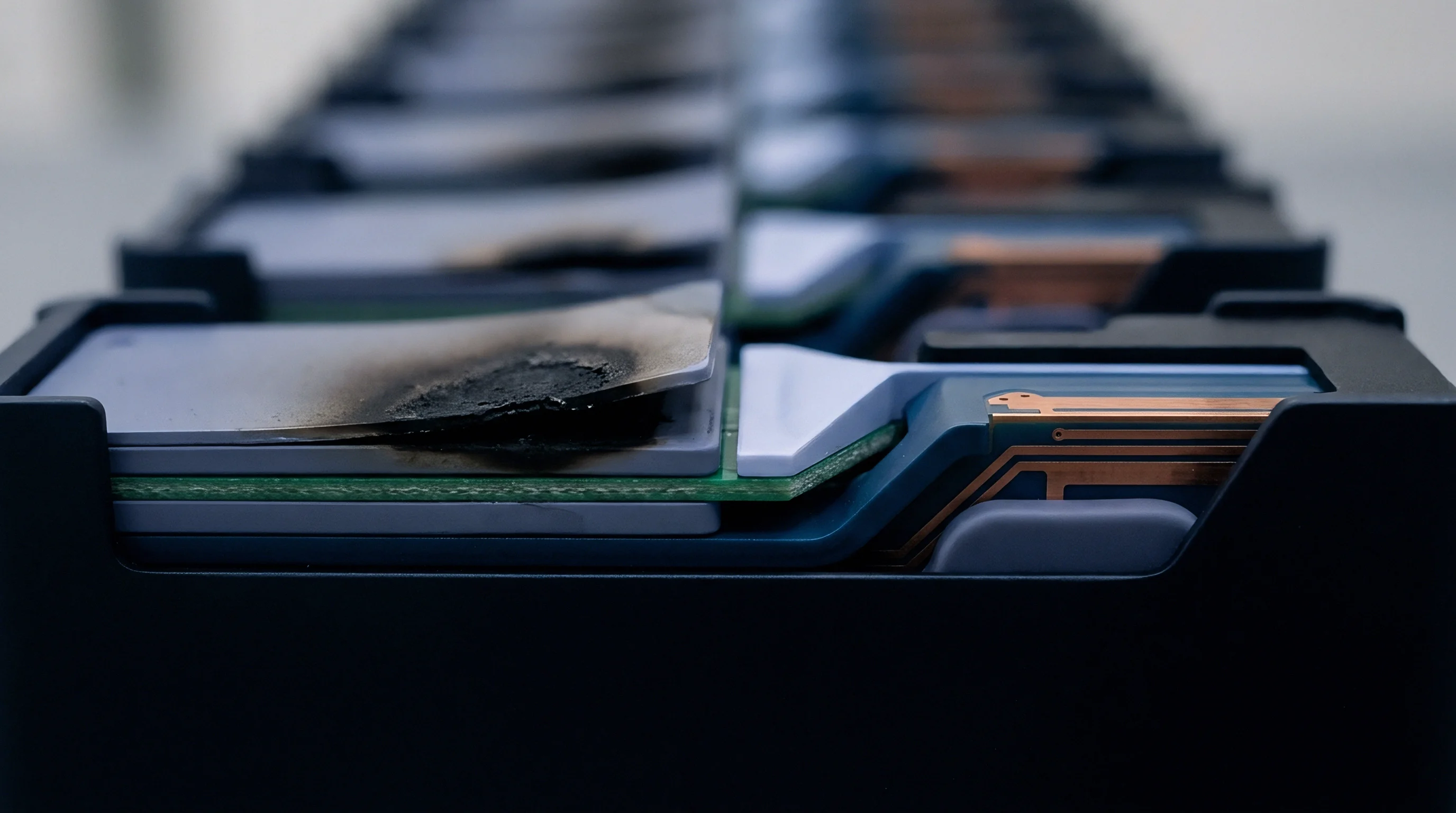
Parallel storage components buffer instant current spikes while preserving battery terminal potential above operational thresholds. A Hybrid Layer Capacitor combines electrostatic double-layer capacitance with electrochemical lithium intercalating electrodes, offering low equivalent series resistance alongside high pulse discharge capacity. When wired in parallel with a primary lithium thionyl chloride cell, the capacitor supplies the instantaneous peak current required for cellular transmissions while the primary battery recharges the capacitor at a moderate, sustained rate.
Integrating pulse-buffering components alters the discharge economics of the power system. Hybrid capacitors exhibit self-discharge currents ranging from 1 to 5 microamperes at room temperature, doubling the total idle power consumption of a device resting in Power Saving Mode. Over a ten-year operational target, this additional continuous leakage current consumes a substantial fraction of total battery capacity, narrowing the runtime advantage gained by using extended sleep profiles.
- Determine worst-case peak transmit current and preamble duration required by the modem under minimum coverage conditions.
- Measure minimum terminal voltage dip of the primary cell across maximum expected storage temperatures using a high-speed storage oscilloscope.
- Calculate the total charge in microcoulombs needed during the transmission phase prior to chemical depassivation of the primary cell.
- Select a parallel capacitor rating capable of supplying peak transmission charge without dropping output voltage below 3.0 volts.
- Add total capacitor self-discharge leakage over the projected operating life to the total energy budget calculation.
Pre-pulsing routines consume usable battery capacity to buy transient voltage stability.
Firmware-driven pre-pulsing strategies offer a software alternative to hardware capacitors. Before initiating cellular network registration, firmware activates an internal resistive load or non-volatile memory write sequence to draw moderate currents between 10 milliamperes and 30 milliamperes. This sustained moderate draw gradually breaks down the passivating layer without pulling cell voltage below the brownout limit.
Once depassivation completes, the firmware engages the high-power RF transceiver.
Field brownouts often stem from unapproved modem firmware profiles rather than baseline chemical passivation kinetics.

Screening
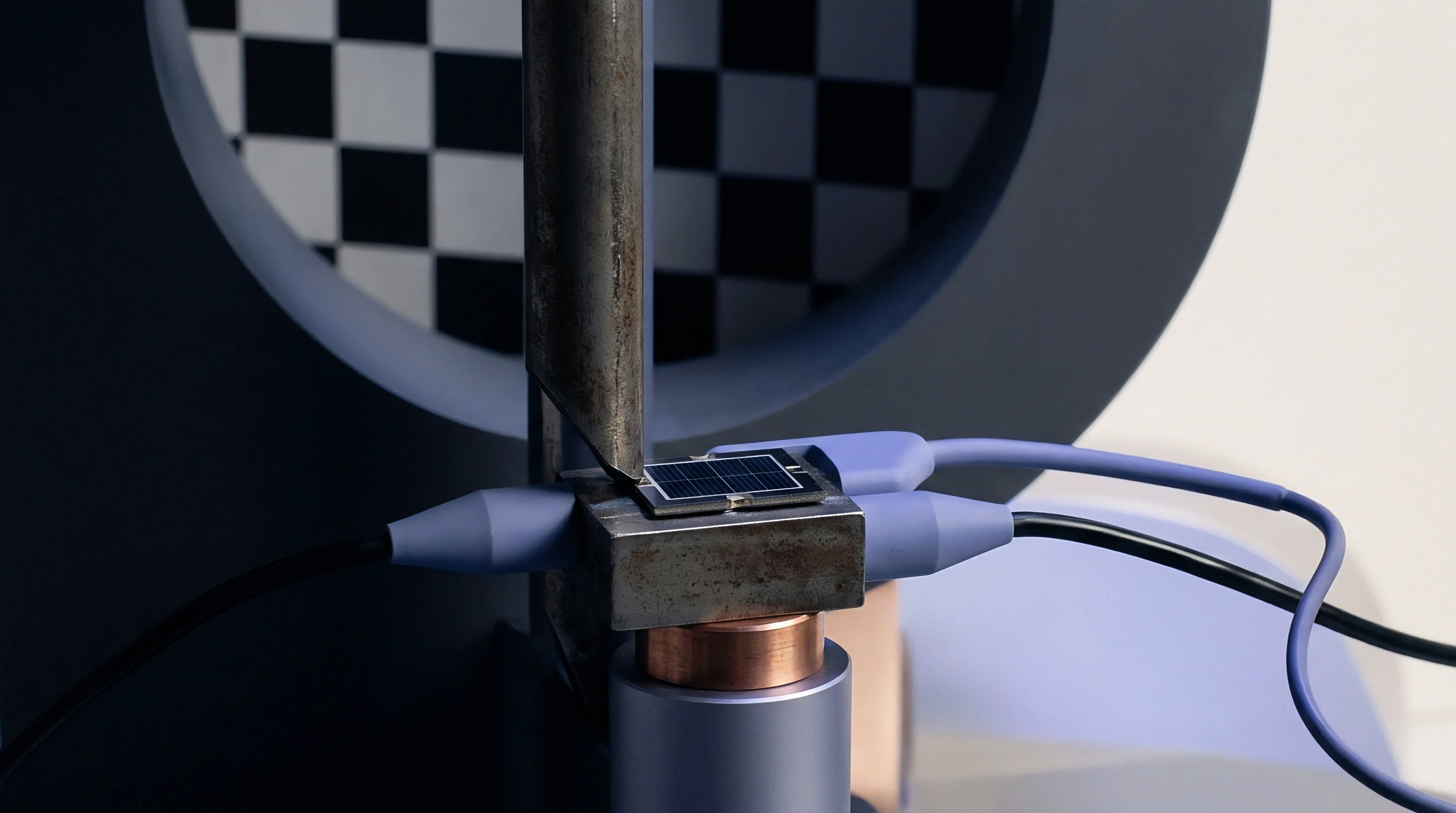
Laboratory qualification of primary cells targeted for cellular IoT hardware requires transient pulse profiling under worst-case thermal baselines. Standard constant-current continuous discharge tests published by battery manufacturers provide no usable data regarding transient voltage stability under 3GPP Power Saving Mode profiles. Testing procedures must replicate microampere sleep baselines interrupted by multi-hundred-milliampere pulses.
Oscilloscope profiling setups measure cell terminal voltage at microsecond resolution during simulated network wake events. A programmable current sink applies a pulse train mimicking an NB-IoT random access procedure: short 250 milliampere preamble bursts spaced by 5-millisecond receive windows, followed by a sustained 300 milliampere transmission payload. The voltage waveform reveals the precise depth and duration of the passivation valley.
Pulse Profile Oscilloscope Evaluation Methods
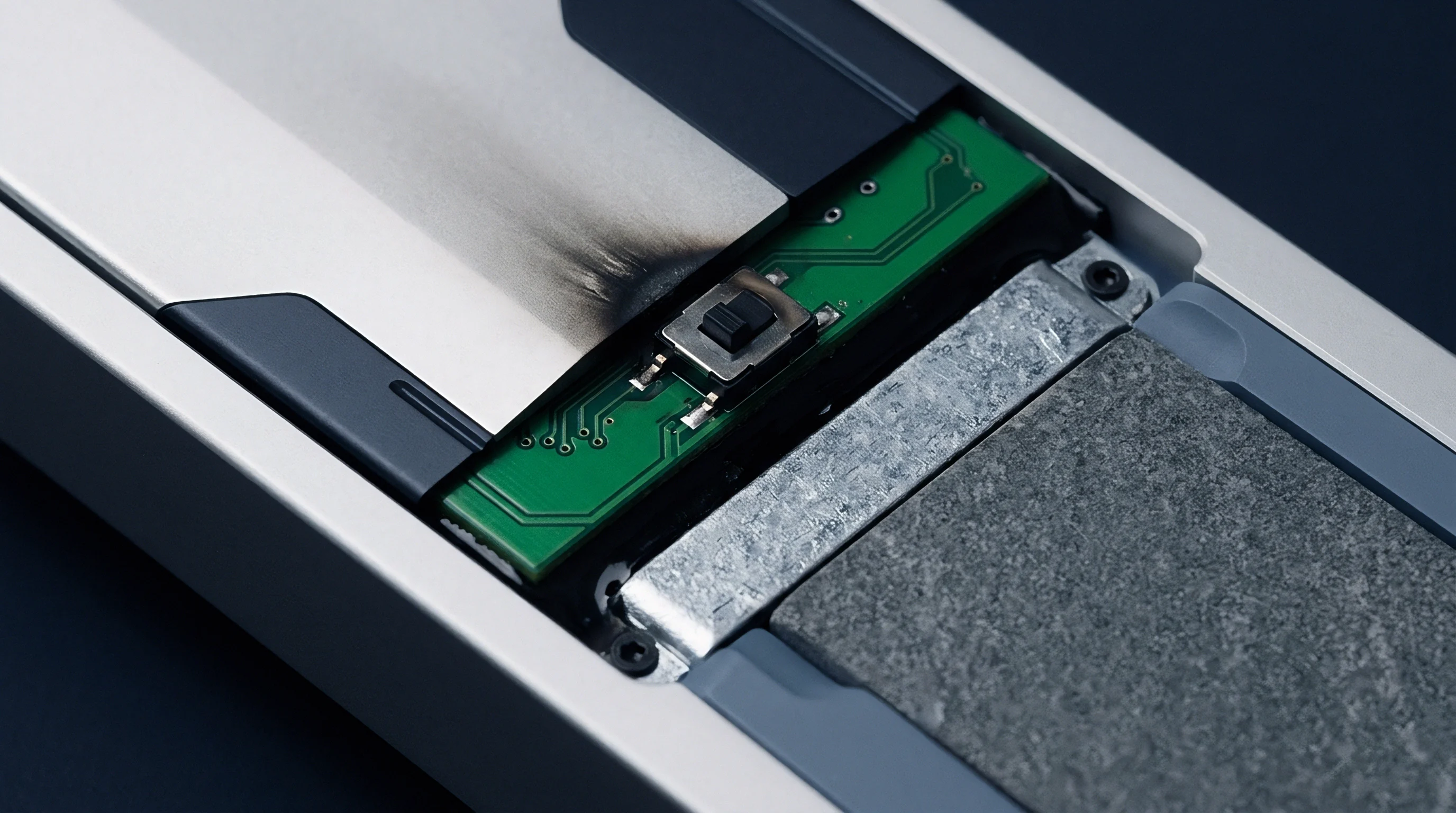
Automated test fixtures evaluate cell performance across varying states of charge and shelf storage times. Testing fresh cells off the production line yields overly optimistic voltage profiles, as fresh cells have not developed the thick passivating films formed after months of field deployment. Accelerated aging protocols store cells at 60 degrees Celsius for 14 days to simulate extended sleep periods prior to pulse testing.
Data acquisition systems record transient parameters including minimum transient voltage, time to 90 percent voltage recovery, and total internal impedance growth. Cells exhibiting transient voltage dips below 2.9 volts during simulated preamble execution fail qualification for extended PSM deployments.
| Chemistry Type | Nominal Voltage (V) | Energy Density (Wh/kg) | Passivation Propensity | Peak Pulse Current without HLC |
|---|---|---|---|---|
| Li-SOCl2 (Bobbin Construction) | 3.6 | 650 | High | Low (< 50 mA) |
| Li-SOCl2 (Spiral Construction) | 3.6 | 450 | Moderate | High (< 1000 mA) |
| Li-SOCl2 + Parallel HLC | 3.6 | 550 | Managed by HLC | Very High (< 2000 mA) |
| Li-MnO2 (Coin / Cylindrical) | 3.0 | 280 | Low | Moderate (< 300 mA) |
| Li-FeS2 (Cylindrical) | 1.5 | 300 | Negligible | High (< 1500 mA) |
Environmental Thermal Chamber Testing Sequences
Thermal chamber profiling exposes cells to cycling between -40 degrees Celsius and +85 degrees Celsius while maintaining microampere background loads. Low-temperature phases test minimum voltage floor margins during peak RF bursts, while high-temperature phases accelerate film growth and chemical self-discharge kinetics.
Testing reveals distinct functional boundaries for each primary cell chemistry. Bobbin-type lithium thionyl chloride cells achieve maximum total energy density but exhibit severe passivation, failing without parallel buffer capacitors under pulsed cellular loads. Spiral-wound cells offer larger active surface areas to reduce passivation resistance, but trade off higher internal self-discharge rates that shorten operational life during extended sleep profiles.
- Chemistry Selection verifies cell formulation against target sleep duration and minimum deployment temperature limits.
- Pulse Capability Audit measures minimum transient voltage under 300 milliampere loads after 30 days of elevated temperature storage.
- Buffer Integration Check assesses whether parallel capacitor leakage currents compromise ten-year operational requirements.
- Firmware Pulse Timing validates that depassivation software routines successfully clear cell impedance before RF transmission starts.
Compliance with IEC 60086-4 clause 6.2 mandates that primary lithium cells retain open-circuit voltage stability after extended discharge, failing which suppliers bear full replacement costs for field-installed modules.
Contractual purchase specifications incorporating mandatory 150-millisecond pre-pulse validation clauses prevent vendors from shipping batches prone to severe initial passivation sag.


Procurement
Sourcing teams purchasing energy storage components for remote telemetry hardware weigh initial unit expenses against total ten-year field deployment risks. The unit price of a primary battery cell represents a small fraction of the landed cost of a field asset. A battery batch failure resulting in premature voltage collapse requires manual field technician intervention, unit replacement, and lost data service, exceeding cell procurement costs by orders of magnitude.
Cellular module choice directly impacts battery selection parameters. High-power NB-IoT modems operating without extended coverage features demand lower peak currents, allowing simpler cell choices. Devices operating across extended coverage profiles require high-capacity cells paired with pulse capacitors, shifting the power supply system bill of materials from a single component to a multi-element subsystem.
Cell Chemistry Selection Guidelines for Cellular Devices
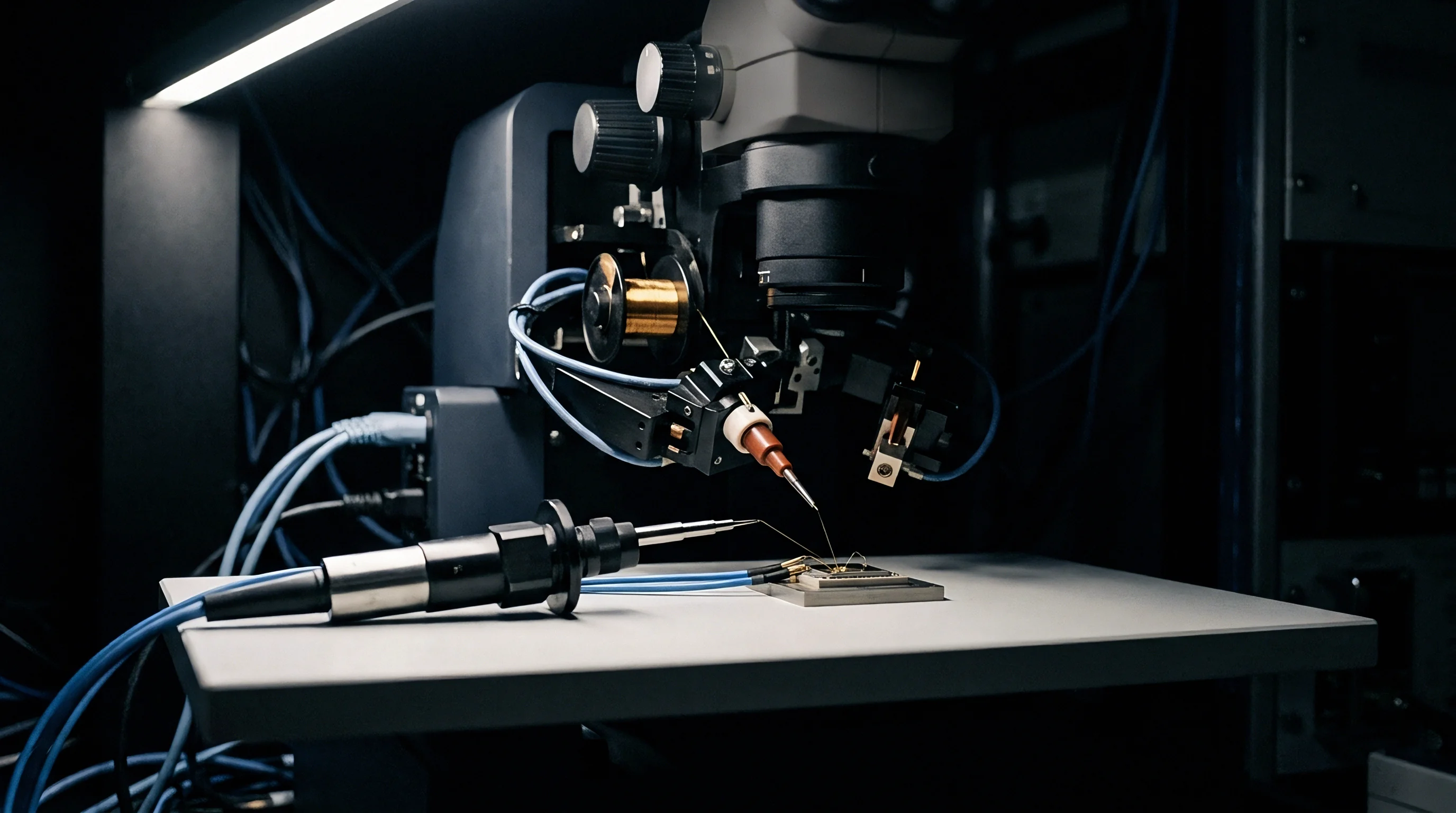
Supplier quality auditing must trace cell chemistry down to precursor material purity. Trace metallic contaminants within thionyl chloride electrolyte solutions accelerate local lithium crystal nucleation, leading to rapid, unpredictable passivation growth during sleep cycles. Sourcing contracts require vendors to provide certified chemical composition data and batch-level impedance distribution curves.
Establishing clear delivery inspection procedures prevents sub-standard lots from entering manufacturing streams. Incoming quality control steps must include pulse testing on sample cells drawn from every production shipment.
- Impurity Contamination causes rapid crystal lattice formation that triggers early field brownout failures.
- Electrolyte Dry-Out accelerates internal resistance growth and reduces total delivered capacity in hot climates.
- Capacitor Degradation increases parallel leakage current, draining primary cell capacity years ahead of scheduled replacement.
- Weld Tab Separation introduces intermittent series resistance spikes that mimic severe passivation sag under vibration.
Uncontrolled lot-to-lot electrolyte purity variance creates unpredictable passivation rates across identical hardware field revisions.
The exact long-term interaction between trace electrolyte additives and continuous sub-microampere PSM leakage currents under fluctuating seasonal ground temperatures remains unquantified across standard multi-vendor qualification matrices.