
Evaluating Multi IMSI Applet Power Penalties in Roaming Telemetry Hardware
Multi-IMSI applet polling introduces background current floors that halve telemetry battery life without optimized baseband power-saving mode configurations.
Multi-IMSI applet polling introduces background current floors that halve telemetry battery life without optimized baseband power-saving mode configurations.

Cross-border cellular registration drains tracking batteries through blind frequency scanning, network steering rejections, and coverage extension airtime.

Transconductance collapse in sub-threshold sleep oscillators introduces microsecond phase jitter that expands receiver guard windows and depletes node batteries.

Milled PCB trenches and necked thermal traces isolate sub-microamp sleep crystals from radio amplifier heat to prevent frequency drift and window dilation.

Characterizing real-time clock drift under low power conditions demands measuring negative parabolic thermal curvature, ESR climbs, and guard-time airtime penalties.

Predictive thermal clock estimation bounds sub-GHz radio drift to under 4 ppm, shrinking RX listen windows by 90 percent and extending battery life to ten years.

Phase tracked guard windows shrink receiver active listen time to tens of microseconds, cutting wakeup energy by eighty percent.
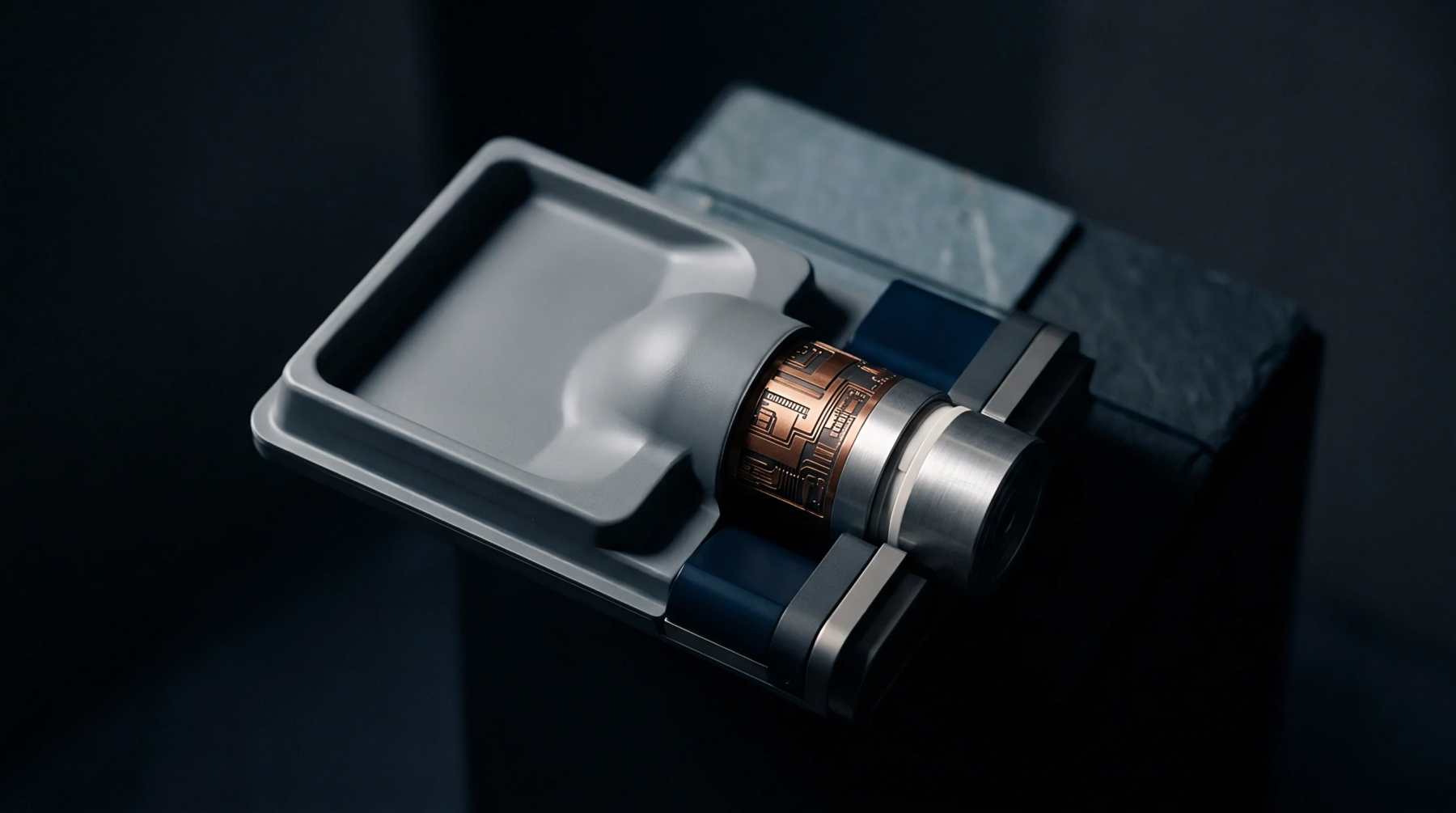
Oscillator drift forces wider receiver listen windows in low duty cycle radios, multiplying active energy consumption and degrading battery lifespan.

Trap retention in RF-SOI substrates degrades above 1000 C through grain coarsening, requiring millisecond anneals to preserve resistivity and harmonic suppression.
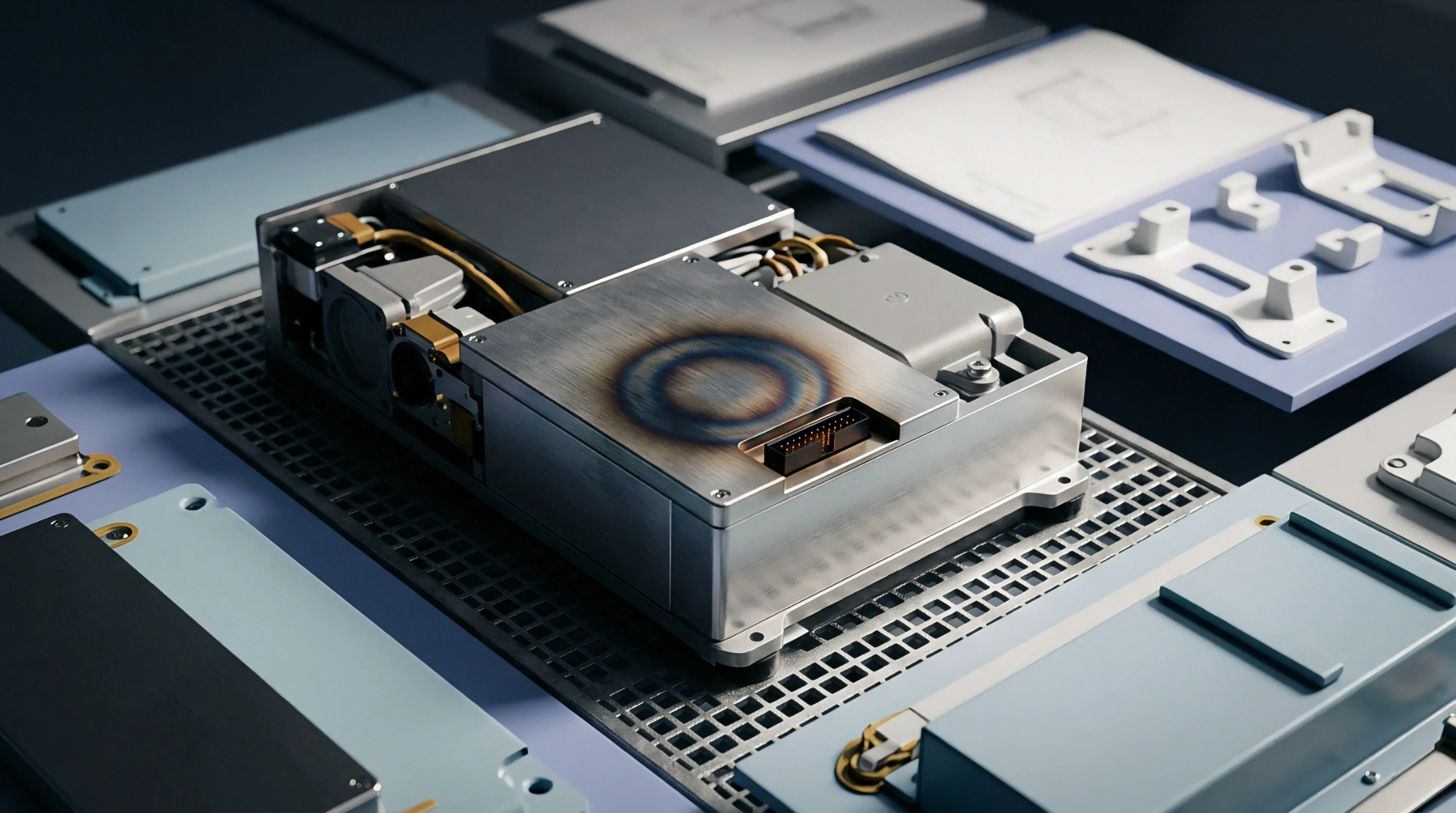
RF SOI switch FET stacking ratio and negative substrate biasing set second and third harmonic suppression below mandatory carrier acceptance ceilings across mismatch.

Trap-rich polysilicon layers beneath buried oxide pin interface carriers to eliminate parasitic conduction and lower sub-6 GHz harmonic generation.

Volumetric spatial SAR overlap evaluation prevents non-compliant hotspot aggregation in multi-transmitter assemblies through antenna spacing or power backoff.

Dynamic time-averaged SAR algorithms maintain peak RF power burst capabilities by managing continuous output power against rolling regulatory exposure ledgers.

Simultaneous SAR evaluations require summing standalone SAR or estimated values to prove combined exposure remains below regulatory limits.
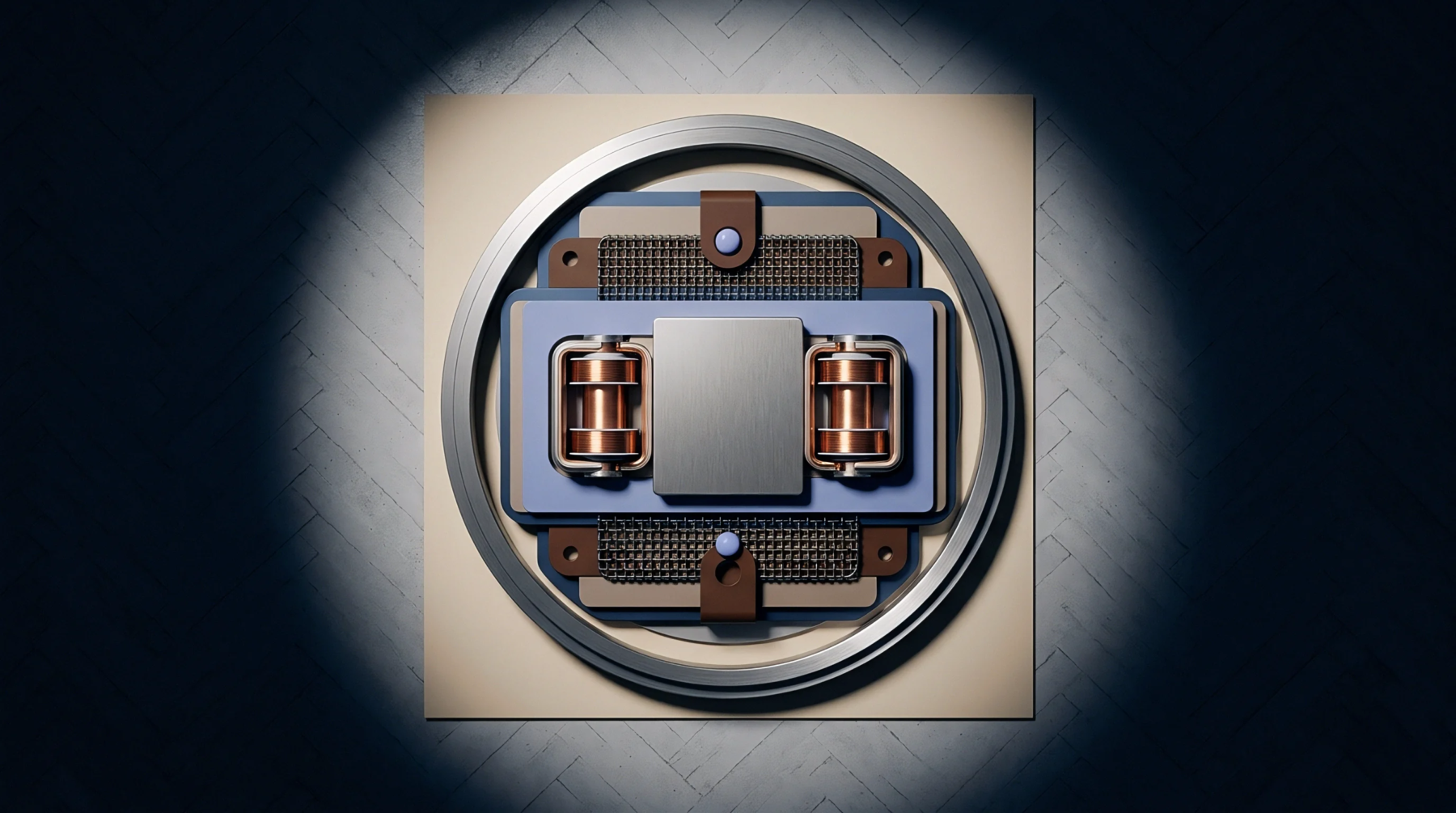
Dynamic memory access delays during mesh key rotation increase microcontroller active time, causing battery voltage droop and lost frame acknowledgments.

Dynamic heap exhaustion in Thread gateways occurs when concurrent EC-JPAKE handshakes and packet retries overwhelm unmanaged RAM; static pools fix the risk.

Wireless mesh node RAM calculations require summing static link map data with dynamic scaling allocations for neighbor tables, queues, and security states.

Optimize SGP.32 execution timers by capping handshakes to 35s on LTE-M and 75s on NB-IoT while enforcing immediate baseband deep sleep after transmission faults.

eUICC fallback timers for unsolicited detachments require hysteresis windows and backoff algorithms to prevent energy depletion and carrier SLA penalties.

Manage cellular baseband rejections across borders by parsing EMM cause codes, clearing SIM FPLMN files via AT commands, and optimizing T3402 backoff timers.
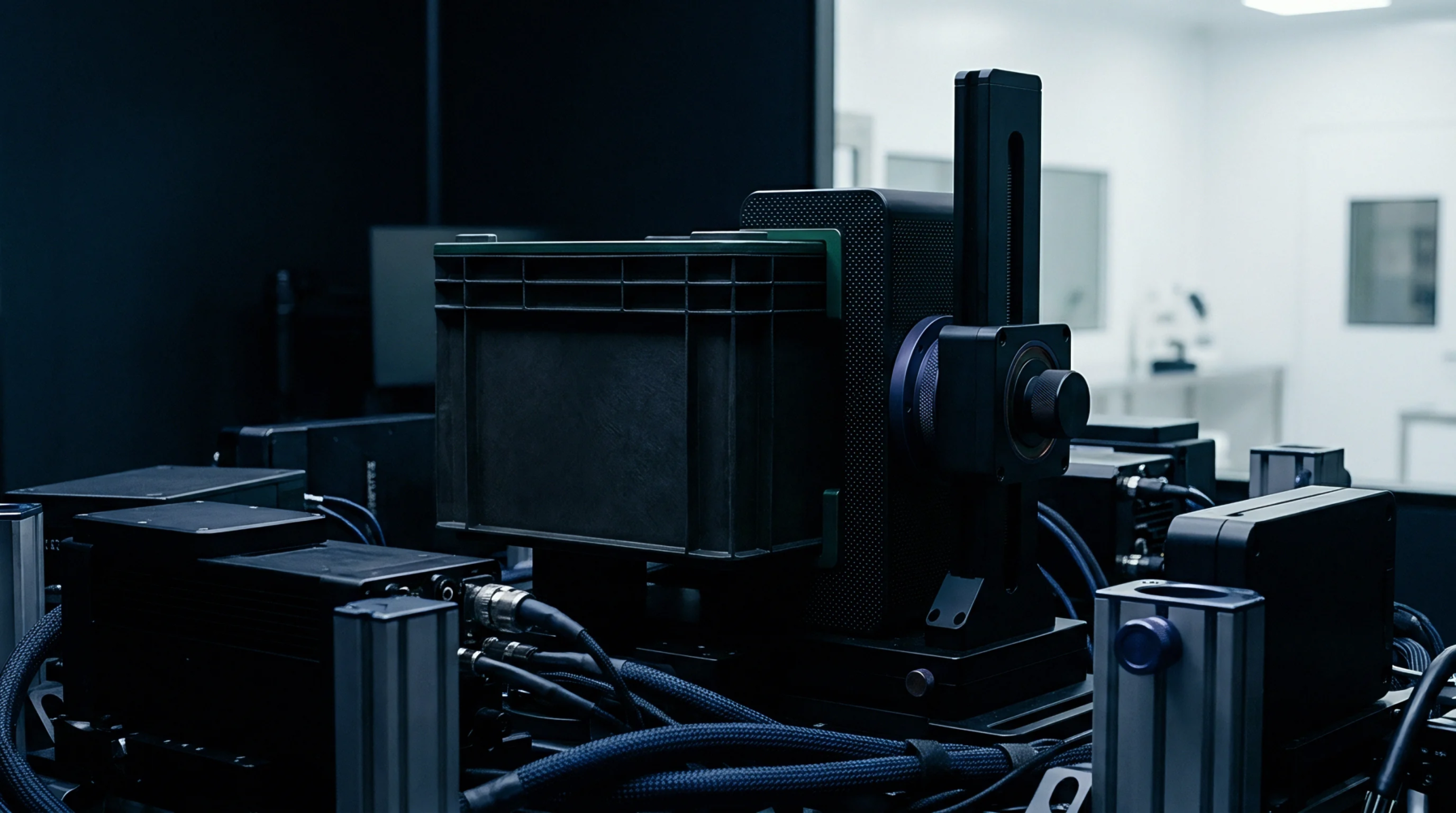
Edge-triggered dual-radio buffer architecture staging fast edge interrupts into local non-volatile RAM prevents data loss during link state handoffs.

High-bandwidth industrial condition monitoring offloads raw waveform data via local local-area radios, using edge signal processing and cellular fallback to cut carrier costs.
Statutory duty cycle limits capping airtime at 0.1 to 10 percent govern sub-GHz telemetry, requiring precise packet timing to avoid legal non-compliance.
Plastic deformation at 100 GHz contact asperities expands effective skin depth and adds up to 1.8 dB flange loss, collapsing sub-THz radio link margins.
Micro-asperity deformation and mechanical wipe breach insulating surface oxides to preserve low socket contact resistance during peak radio transmit bursts.
Surface roughness forces high-frequency current through isolated micro-asperities, increasing contact resistance and insertion loss as skin depth shrinks.

Synchronizing gateway payload aggregation with cellular modem and carrier inactivity timers eliminates micro-bursts that trigger exponential overage billing.

PDP context session rounding inflates cellular IoT data charges by applying minimum billing floors upon link release, requiring persistent sockets or aggregated tariffs.
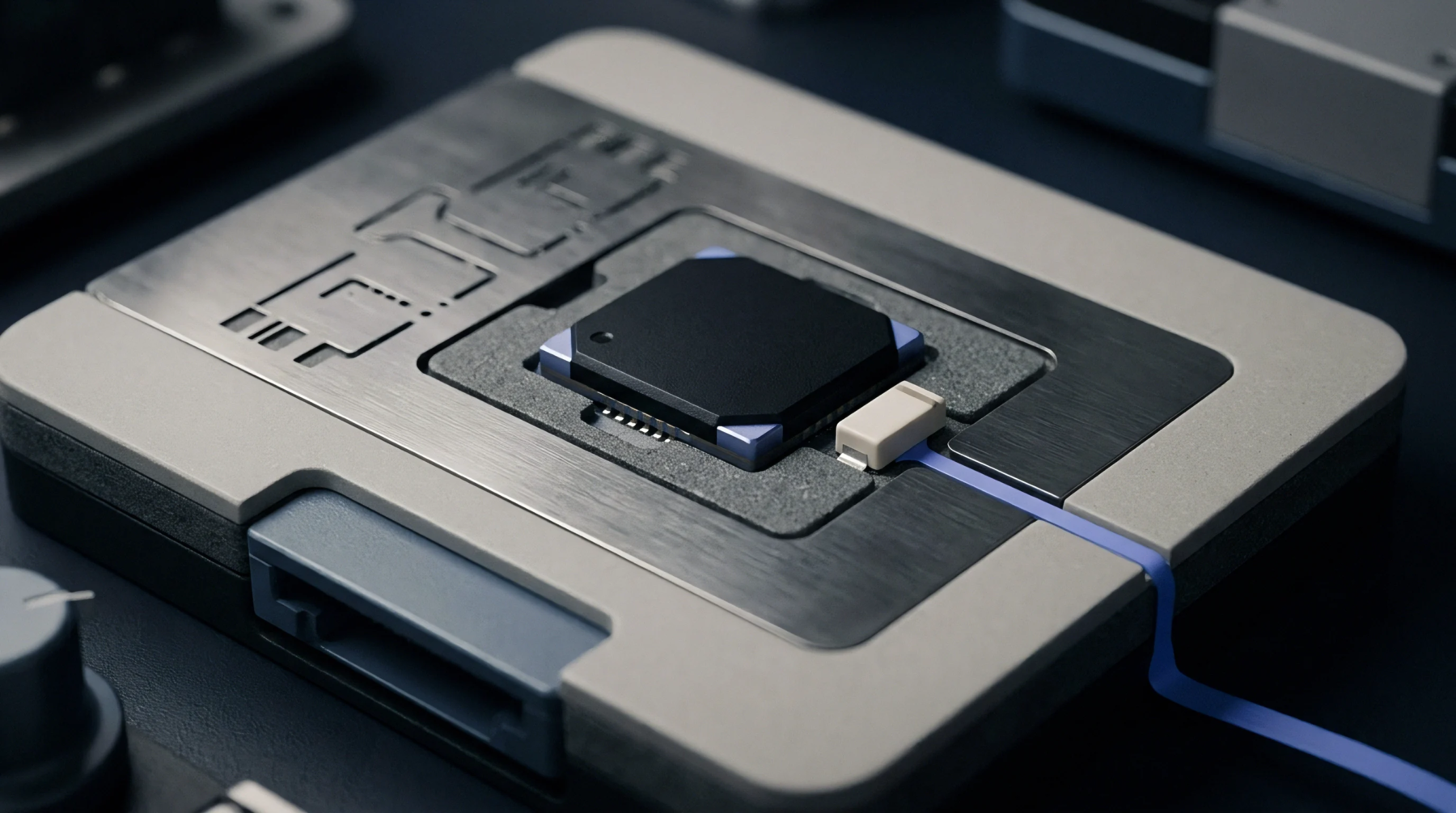
Evaluate cellular IoT data plans by measuring session rounding floors, protocol encapsulation overhead, and transceiver radio attachment current on the test bench.
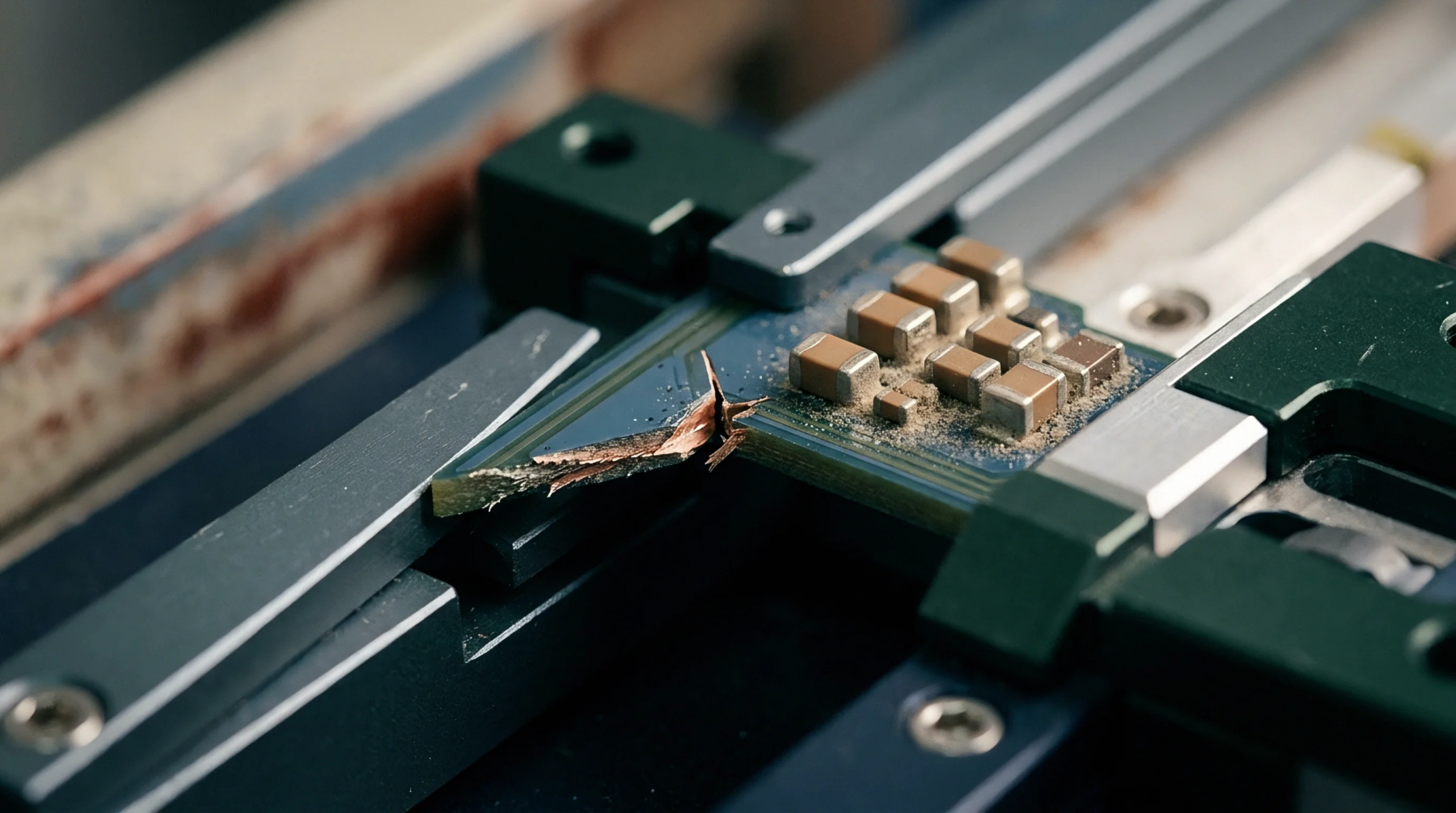
Closed-loop sub-GHz tuners degrade net radiated power unless antenna mismatch loss exceeds the two-decibel threshold of switch and sensor insertion dissipation.
Expertise is a utility, not a secret. sentiention™ publishes its working knowledge as open reference: intelligence layer covering the materials it sources, the markets it enters, and the reference that serves both.