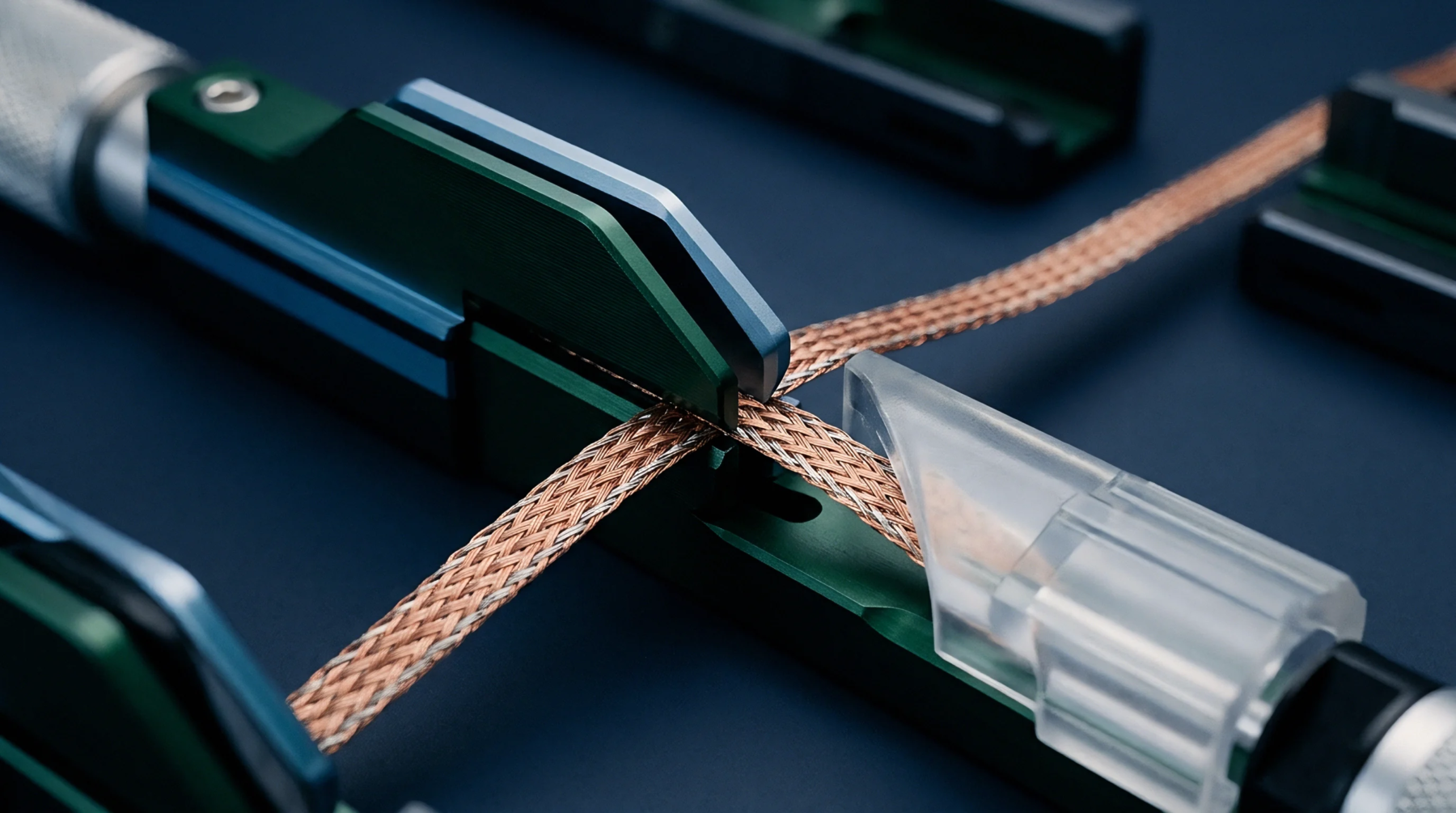
Pulsed Battery Drain Profiles under Sub-GHz Mismatched RF Loads
Sub-GHz antenna detuning increases transmit current over eighty percent, triggering severe battery voltage droop that demands hybrid capacitor buffering.
Sub-GHz antenna detuning increases transmit current over eighty percent, triggering severe battery voltage droop that demands hybrid capacitor buffering.

Antenna detuning shifts transmitter power amplifier load impedance away from nominal conjugate match, slashing power added efficiency and draining battery reserves.
Aggressive dynamic CCA elevation trades spatial isolation for medium concurrency, raising co-channel interference floors and forcing MCS drops on distant stations.

IEEE 802.11ax OBSS-PD threshold scaling elevates preamble detection up to -62 dBm while mandating a proportional 1:1 transmit power back-off to balance reuse.
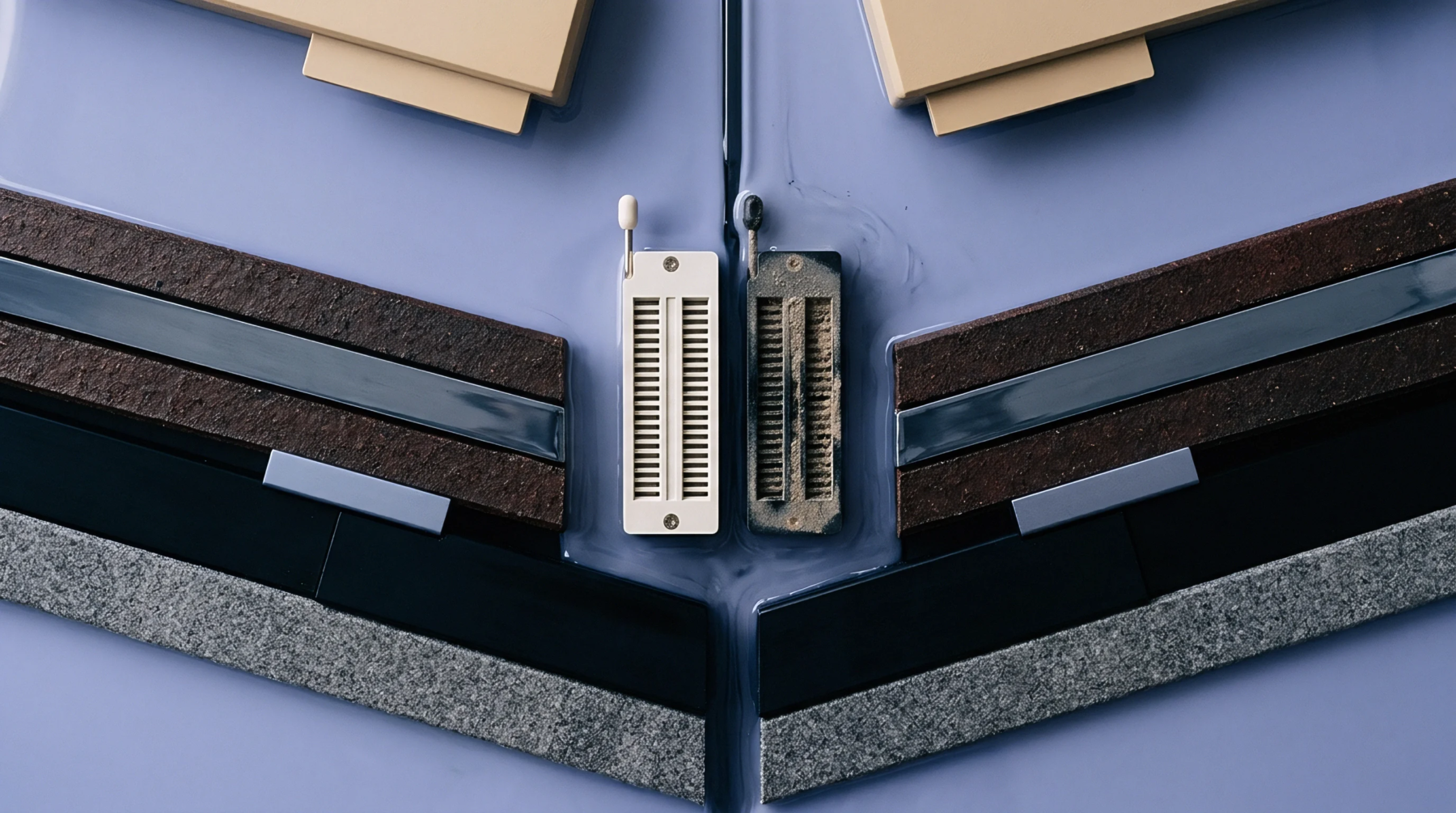
Dynamic Clear Channel Assessment adjusts signal detection thresholds to suppress deferral and restore airtime in high-density Wi-Fi networks.

Severe antenna detuning elevates power amplifier current and airtime during profile reselection, driving battery voltage below shutdown limits.
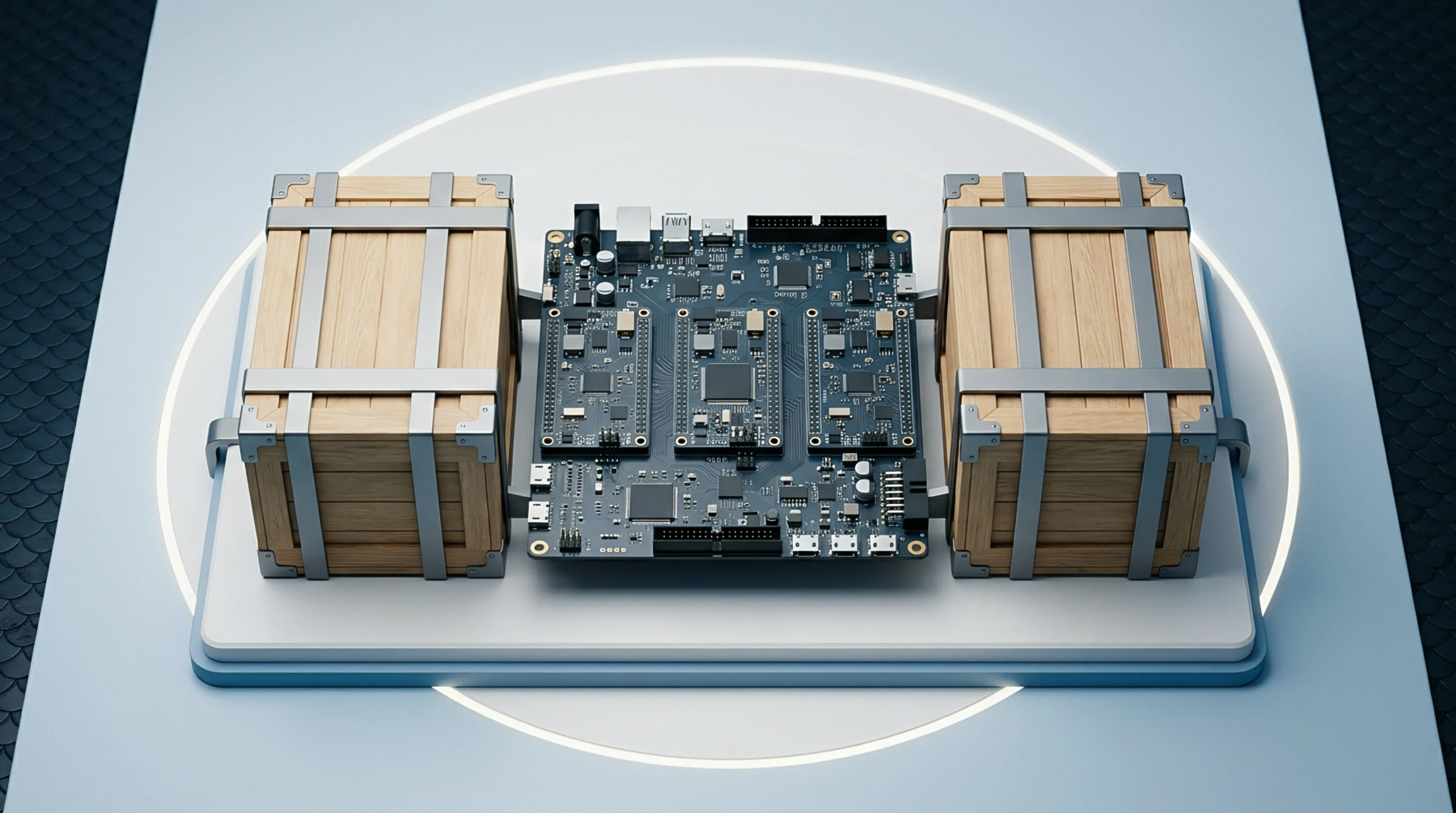
Mitigating board noise desense requires unbroken ground planes, filtered switching stages, and RF shielding cans to preserve receiver sensitivity margins.
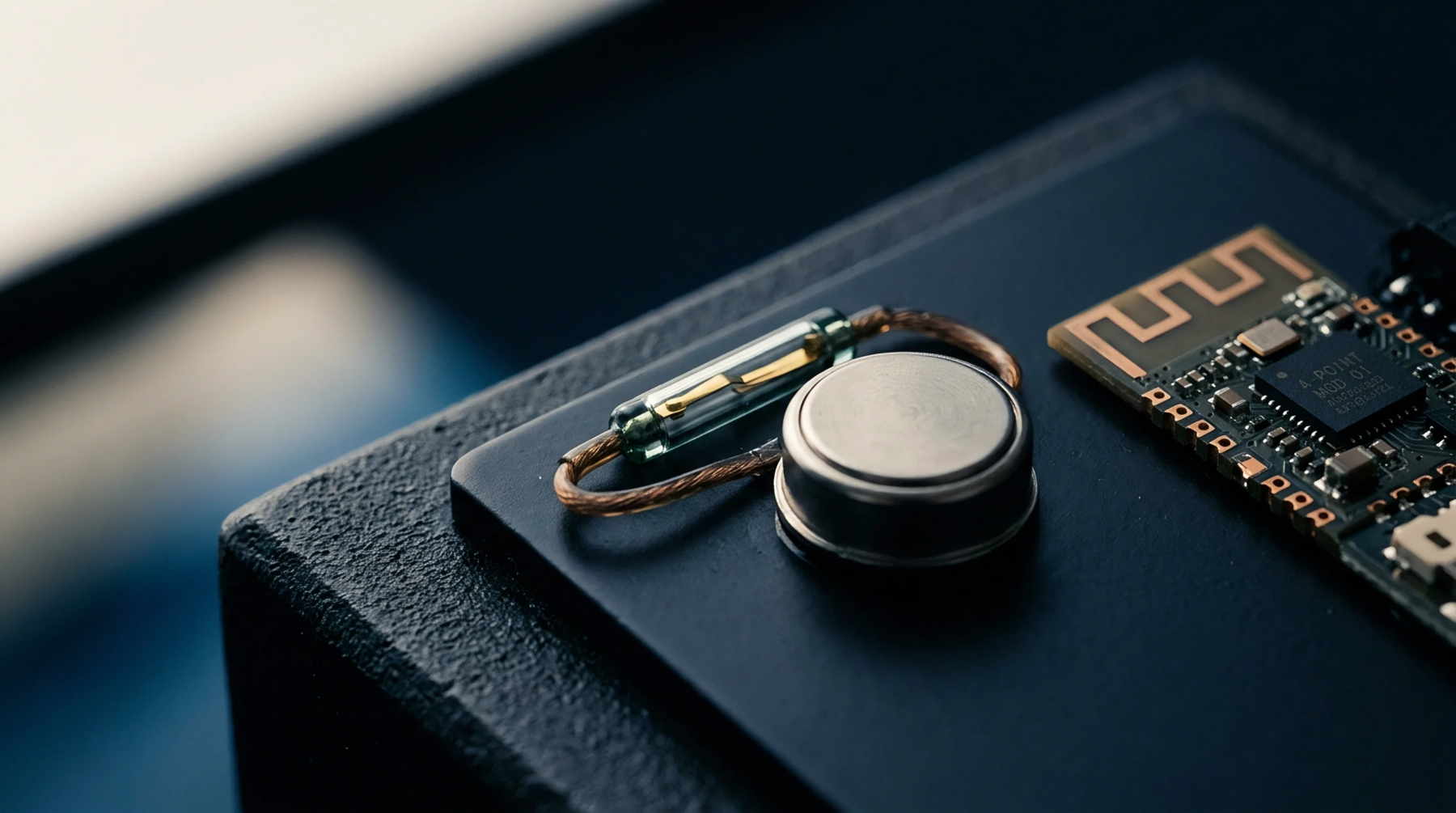
Nanolaminate ALD passivations resist cyclic shear stress during RF transmit bursts when individual sub-layer thicknesses remain below critical slip limits.
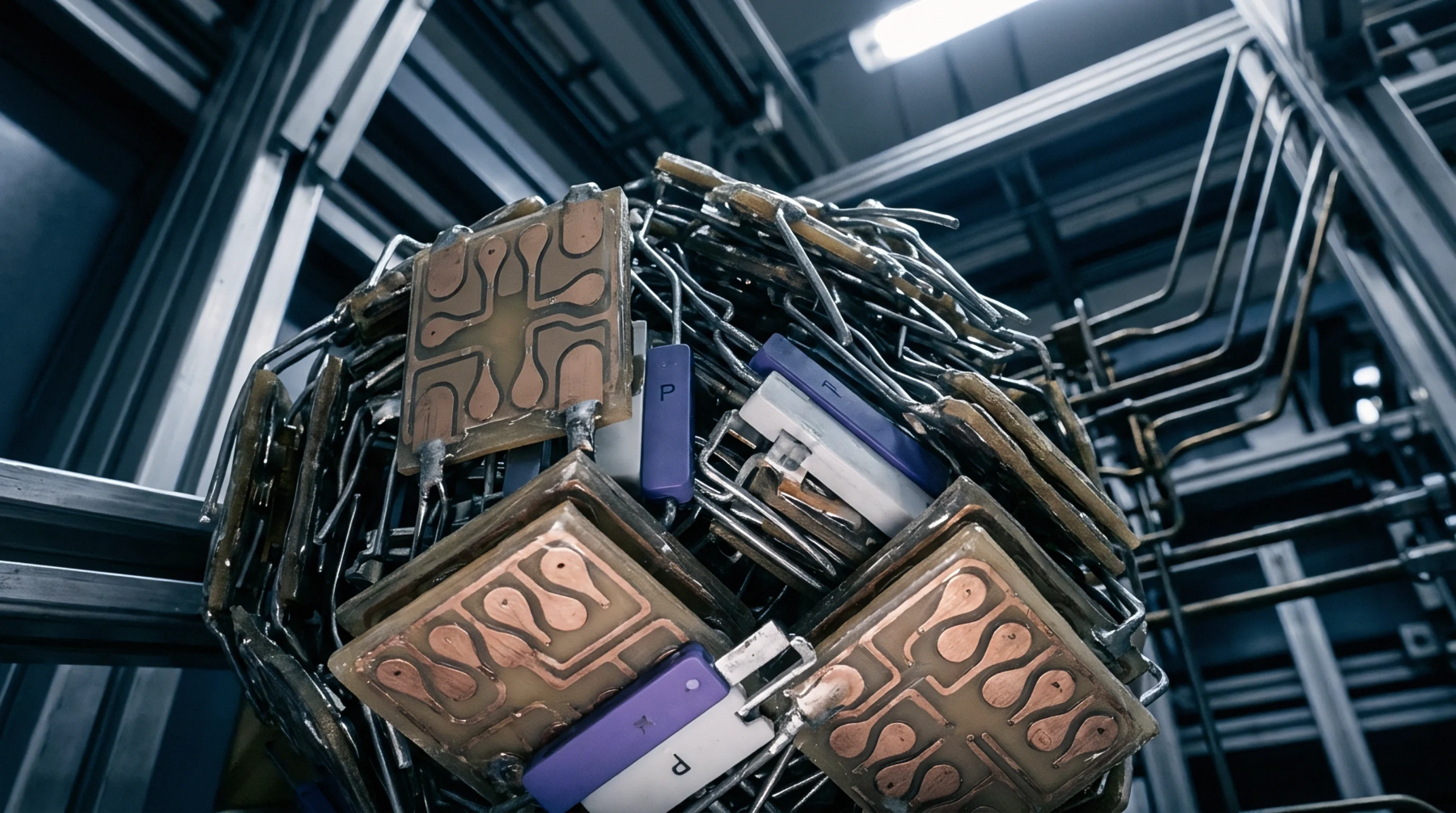
Atomic layer oxide passivation on sub-GHz transceiver crystals eliminates low-drive resistance spikes, preventing oscillator startup stalls and link margin loss.
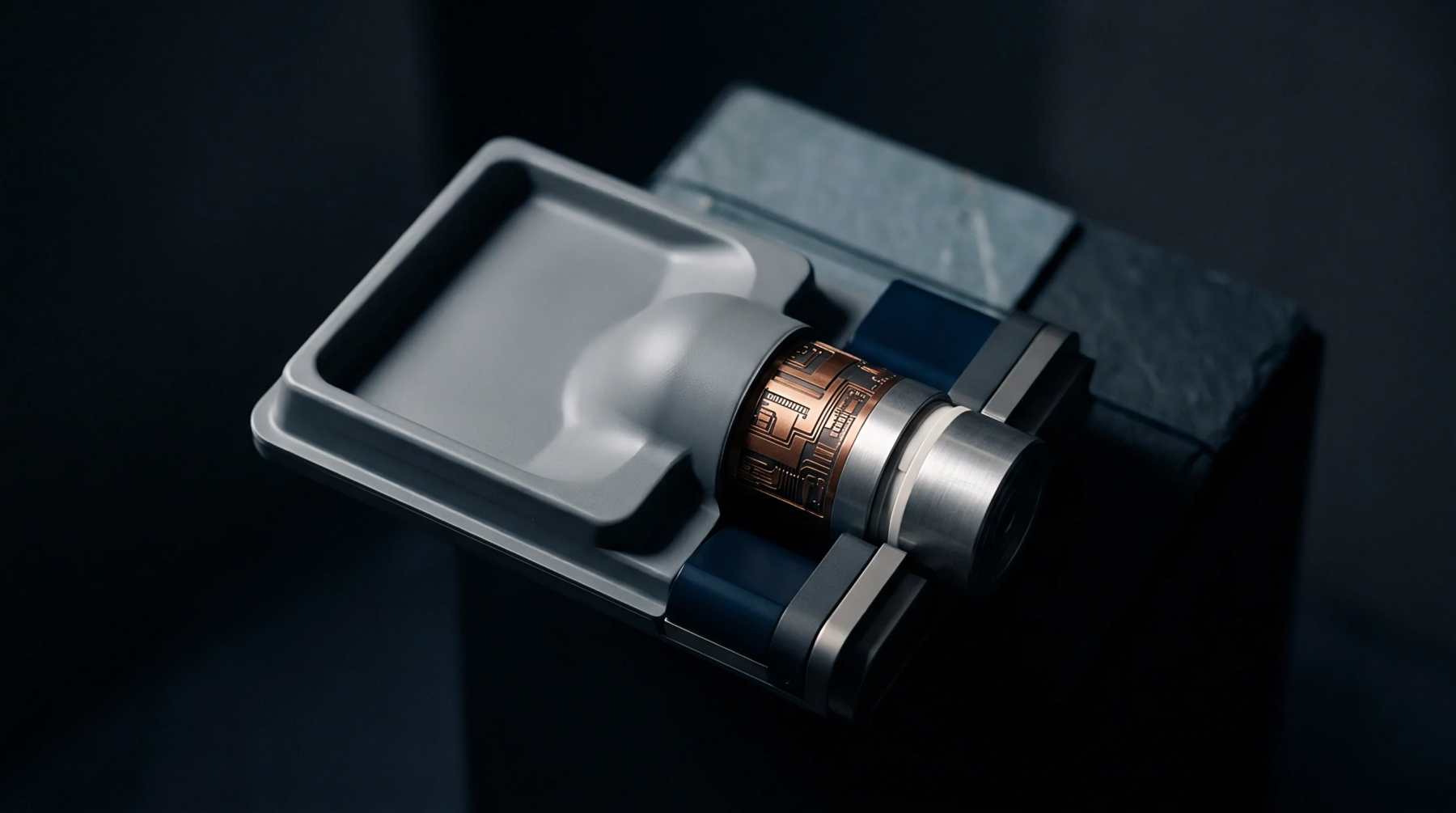
Sub-nanometer ALD alumina passivation prevents quartz electrode oxidation and surface adsorption, capping decade frequency drift below two parts per million.

Primary cell pulse recovery depends on solute diffusion rates inside cathode pores, requiring managed rest intervals or hybrid capacitors to prevent premature cutoff.
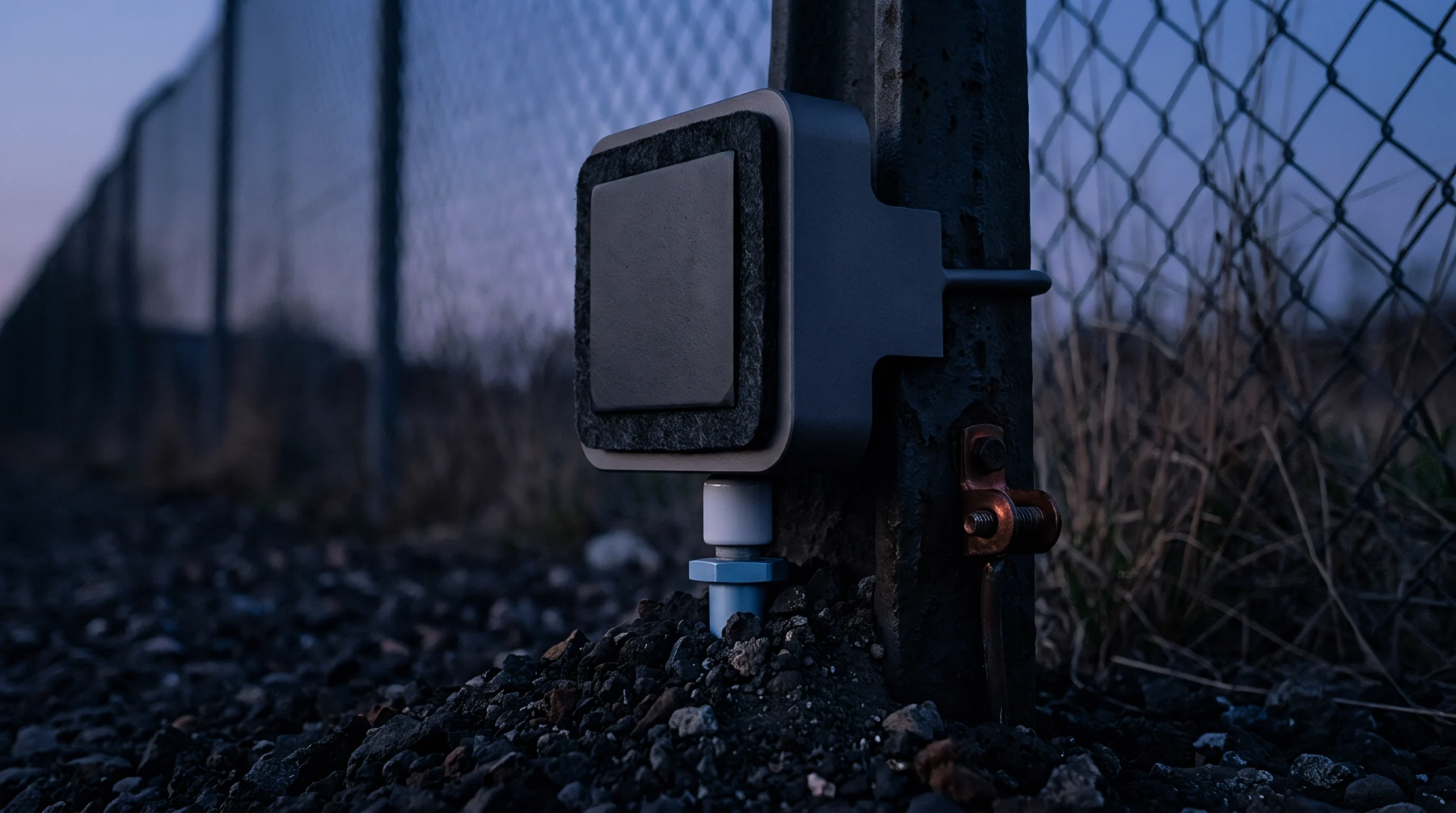
Subterranean RF attenuation forces high-power repetition modes that choke LiSOCl2 cathode pores with LiCl precipitate, demanding hybrid capacitor buffers.

Continuous multi-second cellular repetition bursts pull battery voltage below brownout limits unless buffered by low-ESR capacitors.
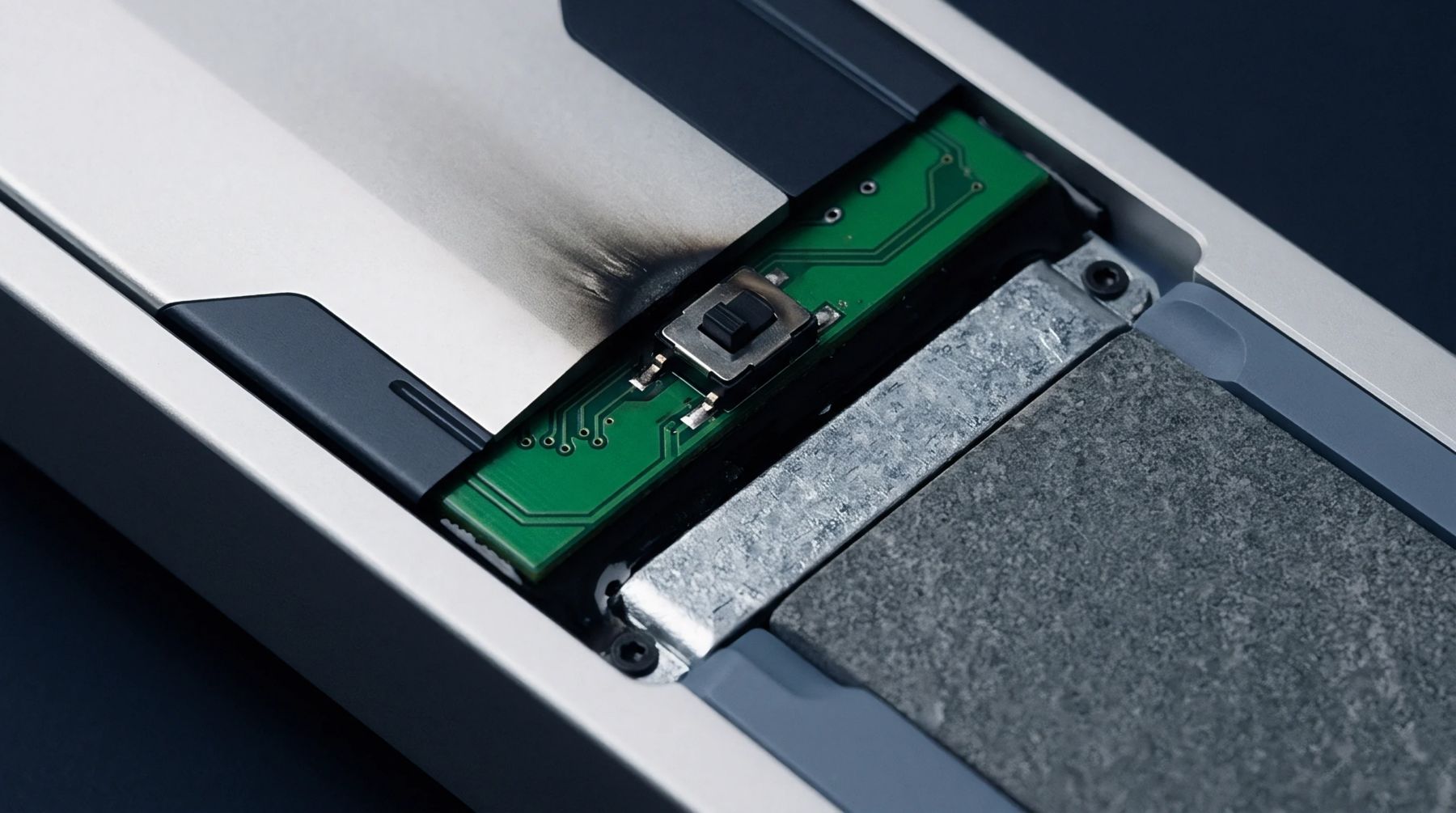
Network-assisted clock recalibration restores high-temperature relaxation oscillator timing precision, preserving energy budgets without crystal hardware.
Sub-THz intermodulation trajectories shift dynamically as cyclic mechanical stress plastically deforms contact asperities, altering non-linear tunneling paths.

Thermal compensation curve failure stems from quartz aging, solder strain, and thermal gradient tracking lag, widening LPWAN receive windows and draining batteries.
Physical silicon degradation shifts internal relaxation oscillator frequencies by shifting gate threshold voltages, widening wireless sleep receiver guard windows.

eUICC profile localization eliminates permanent roaming penalties in restricted regions, offsetting hardware premiums within six months of operation.
Mathematical modeling of sensor fleets integrates Poisson queuing, lognormal link margin decay, and battery discharge dynamics to prevent fleet brownouts.
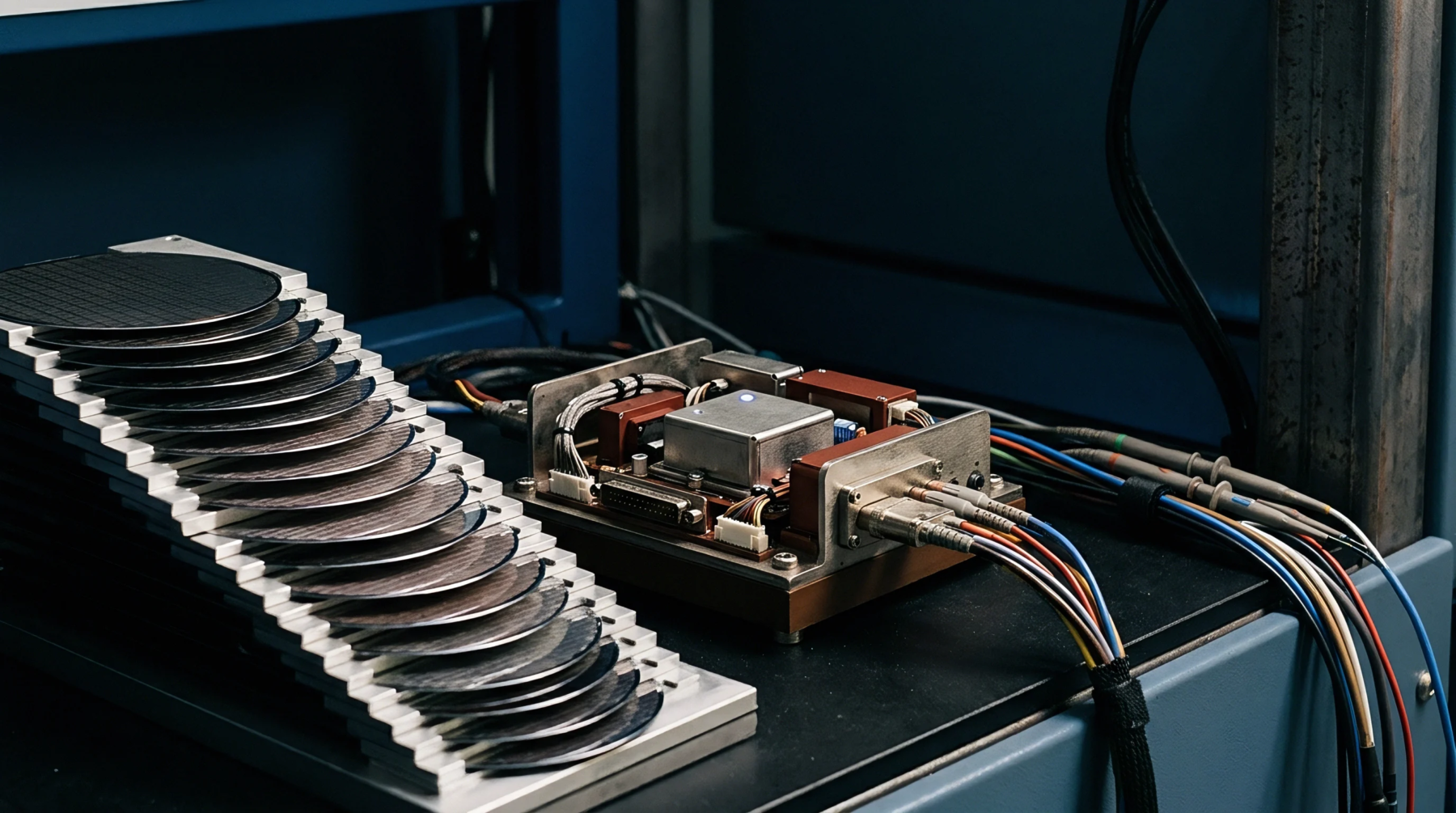
Dynamic impedance matching stabilizes RF power amplifier load lines during battery voltage droop to prevent signal distortion and premature device shutdown.

Dynamic preamble threshold calibration balances OBSS spatial reuse against transmit power backoff to prevent packet collisions and retransmission spikes.
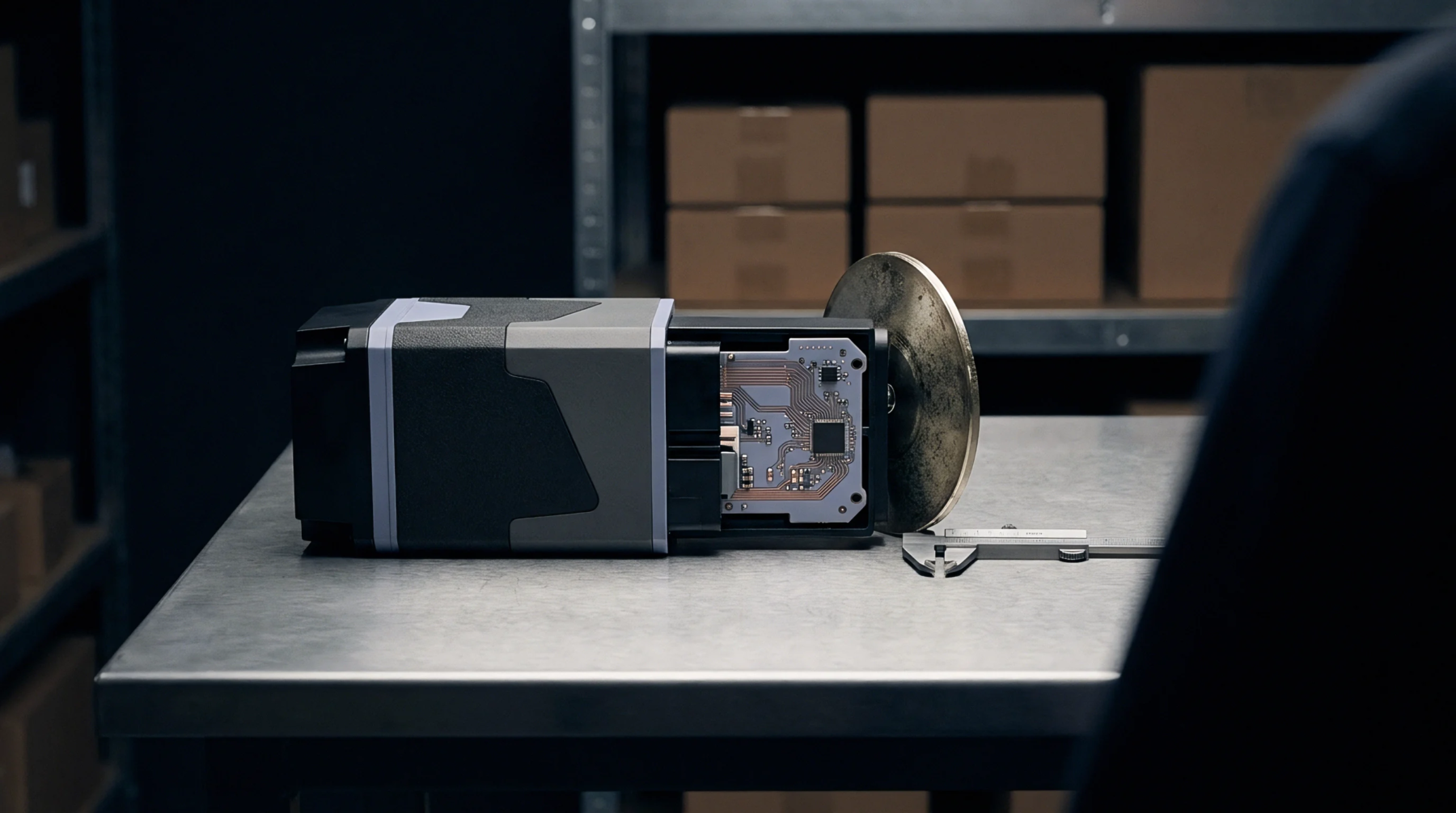
Raising default clear channel assessment thresholds boosts aggregate Wi-Fi network throughput in high-density deployments by trading client SINR for spatial reuse.

Landed cost penalties in cellular deployments compound through regional certification surcharges, carrier profile fees, tariff codes and roaming airtime multipliers.
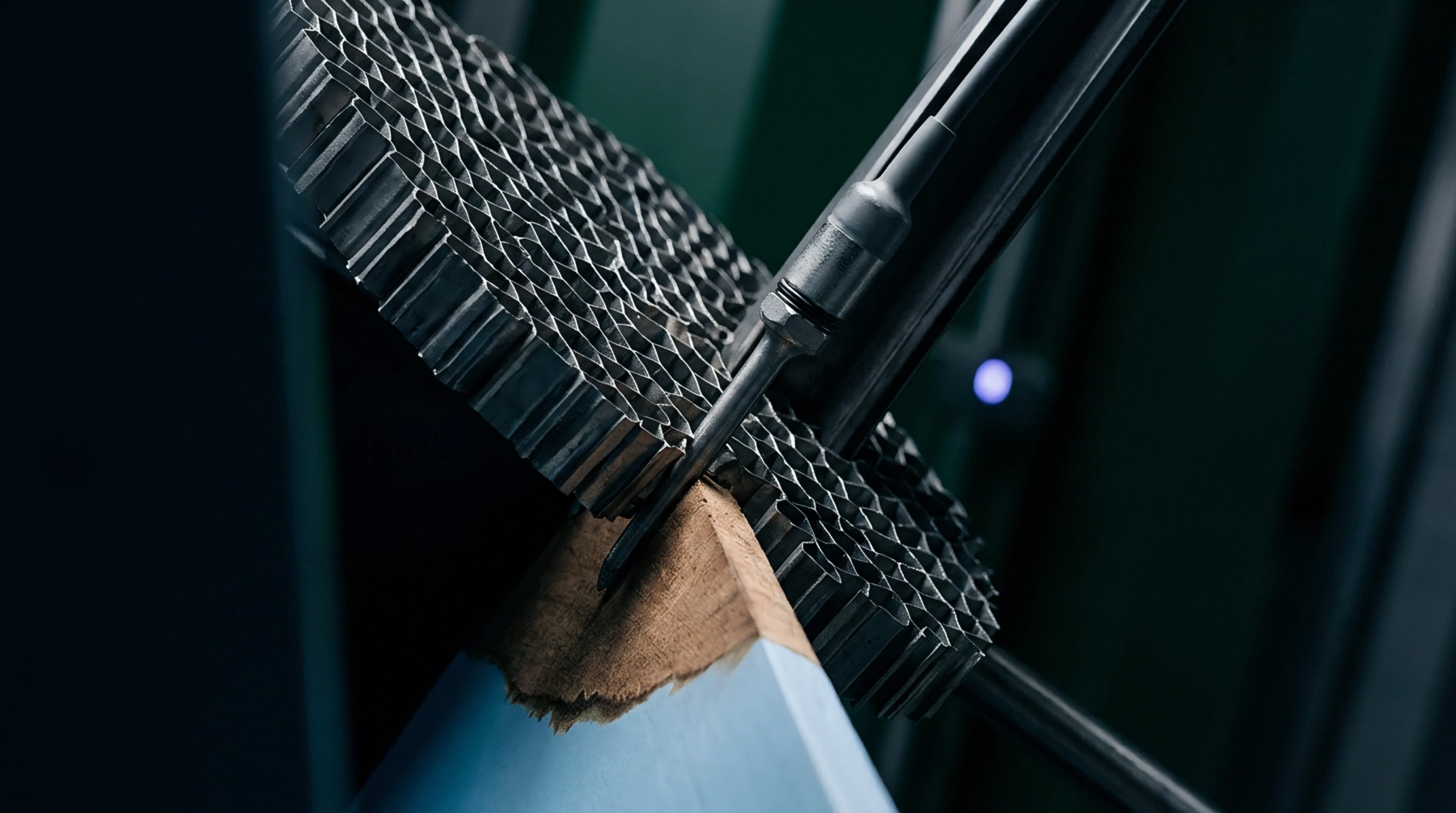
Carrier conformance testing demands strict optimization of radiated performance and protocol signaling to prevent costly hardware re-qualification delays.
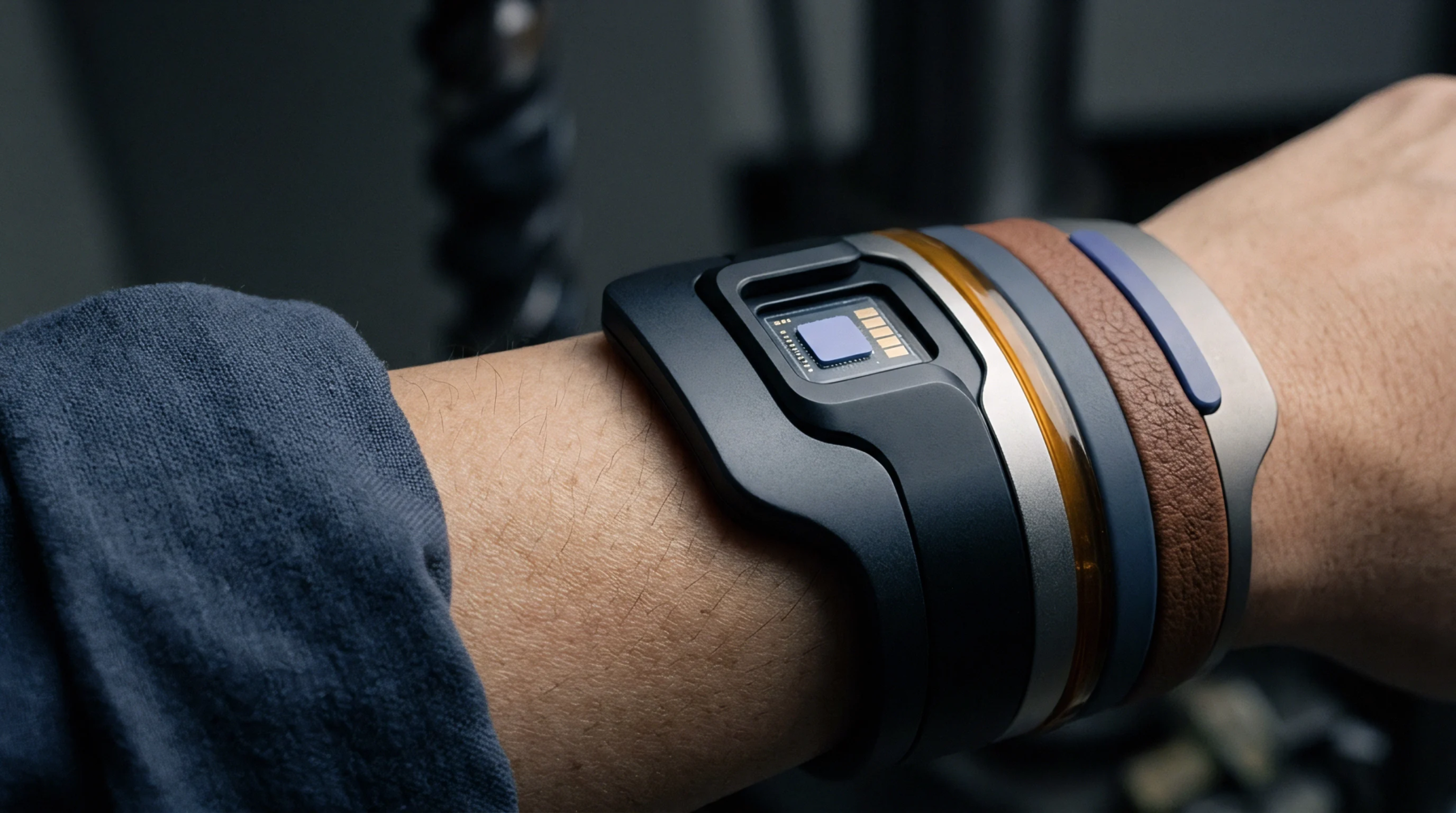
LPWAN end node longevity relies on dynamic state-machine energy integration multiplied by chemical passivation and thermal capacity derating factors.
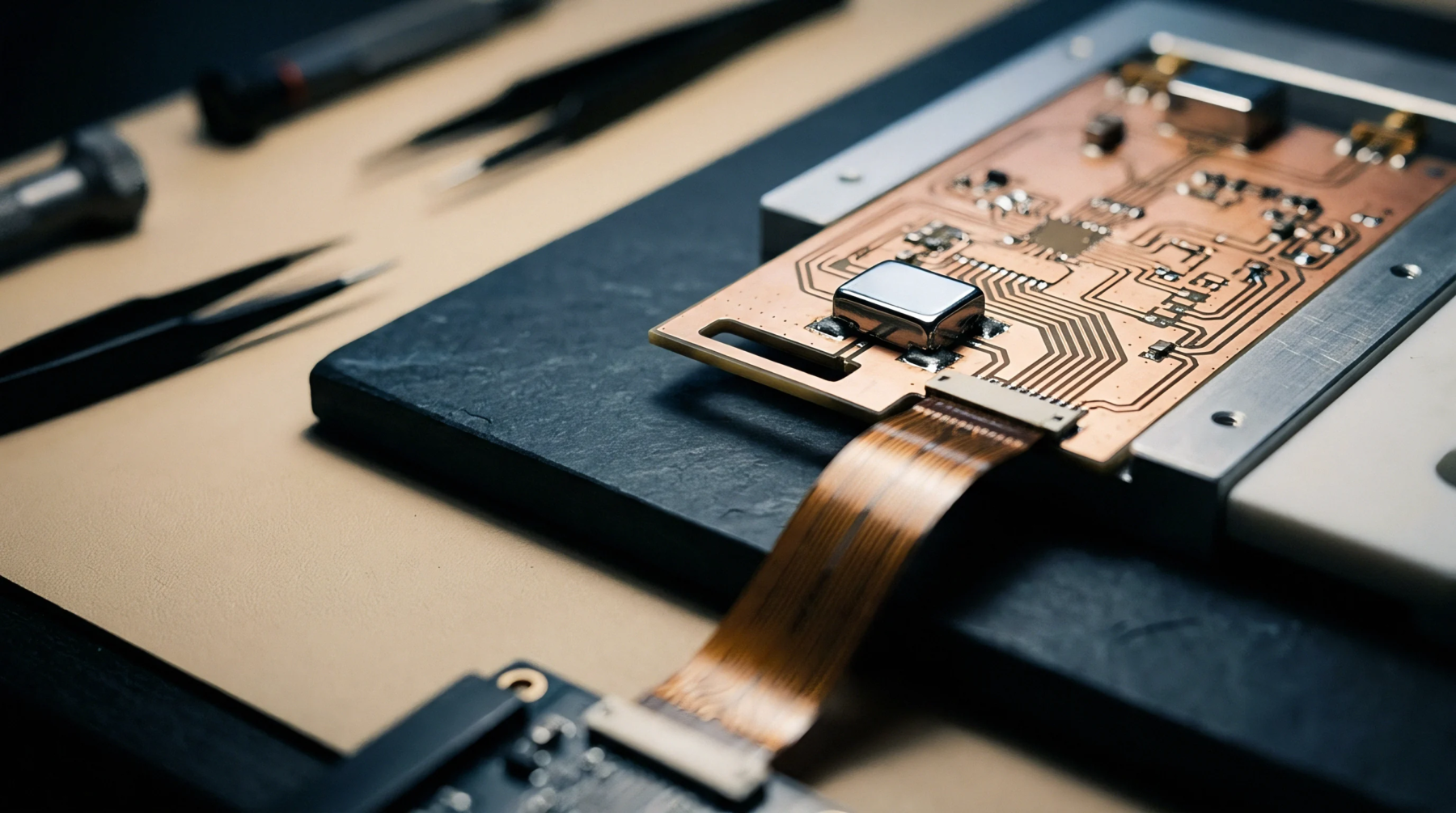
High transmit current bursts shift crystal drive levels, causing motional resistance jumps and frequency pulling that degrade wireless packet transmission.
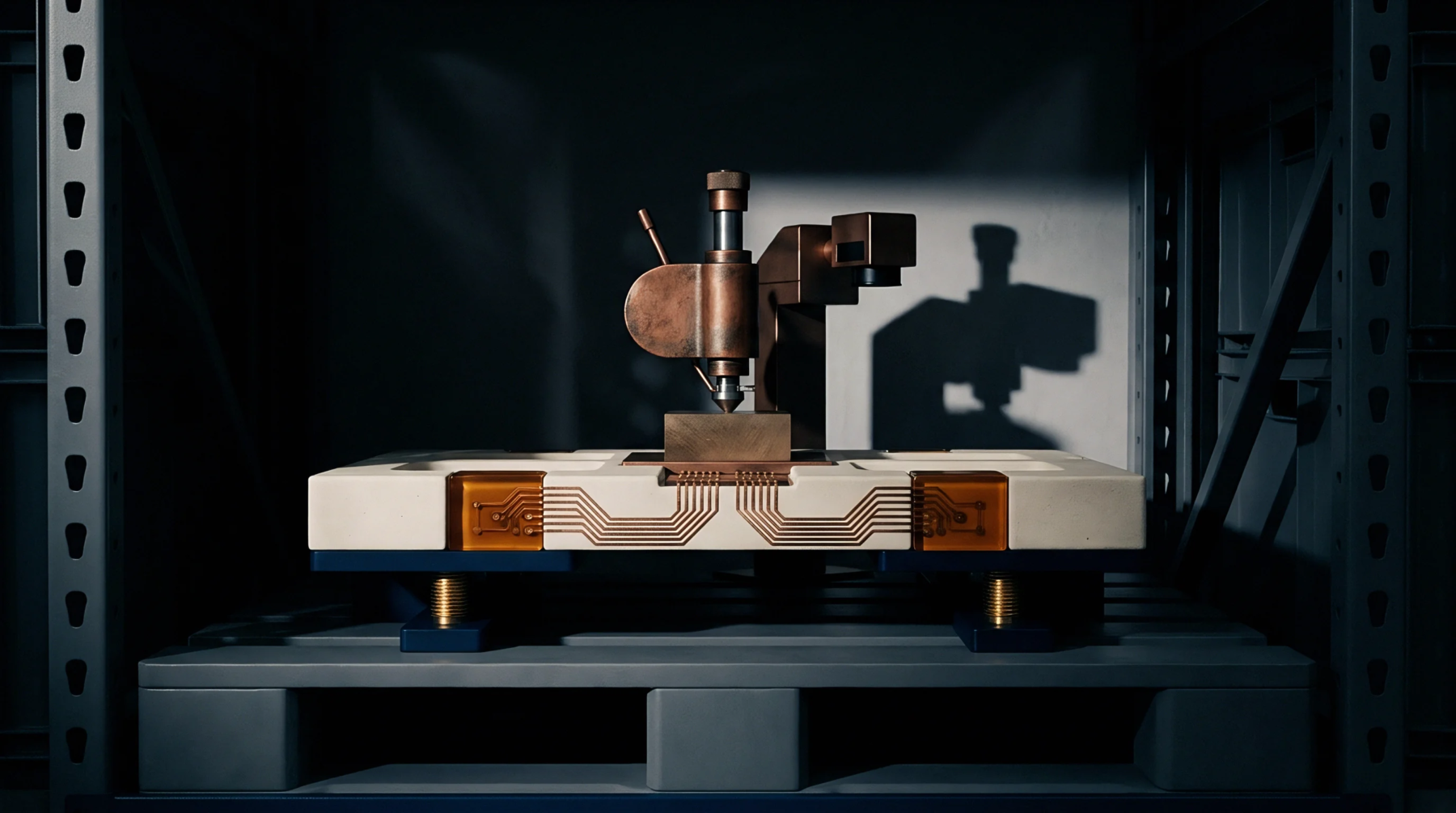
Sub-GHz PA power bursts generate micro-Kelvin crystal thermal gradients that shift carrier frequency, demanding thermal isolation and tight TCXO specification.
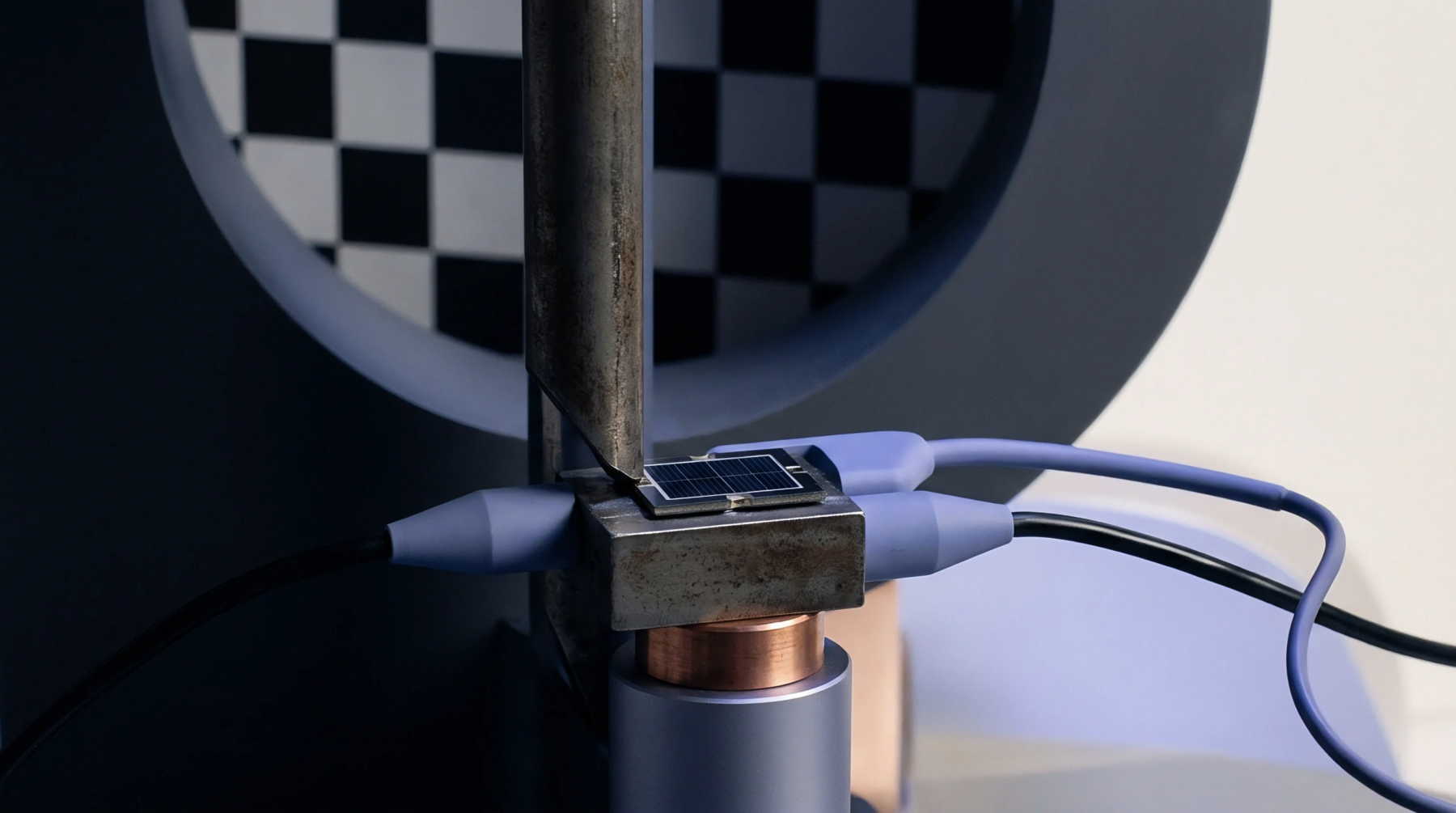
Sizing receiver guardbands to worst-case crystal thermal drift prevents slot collisions and preserves battery endurance in dense sub-gigahertz networks.
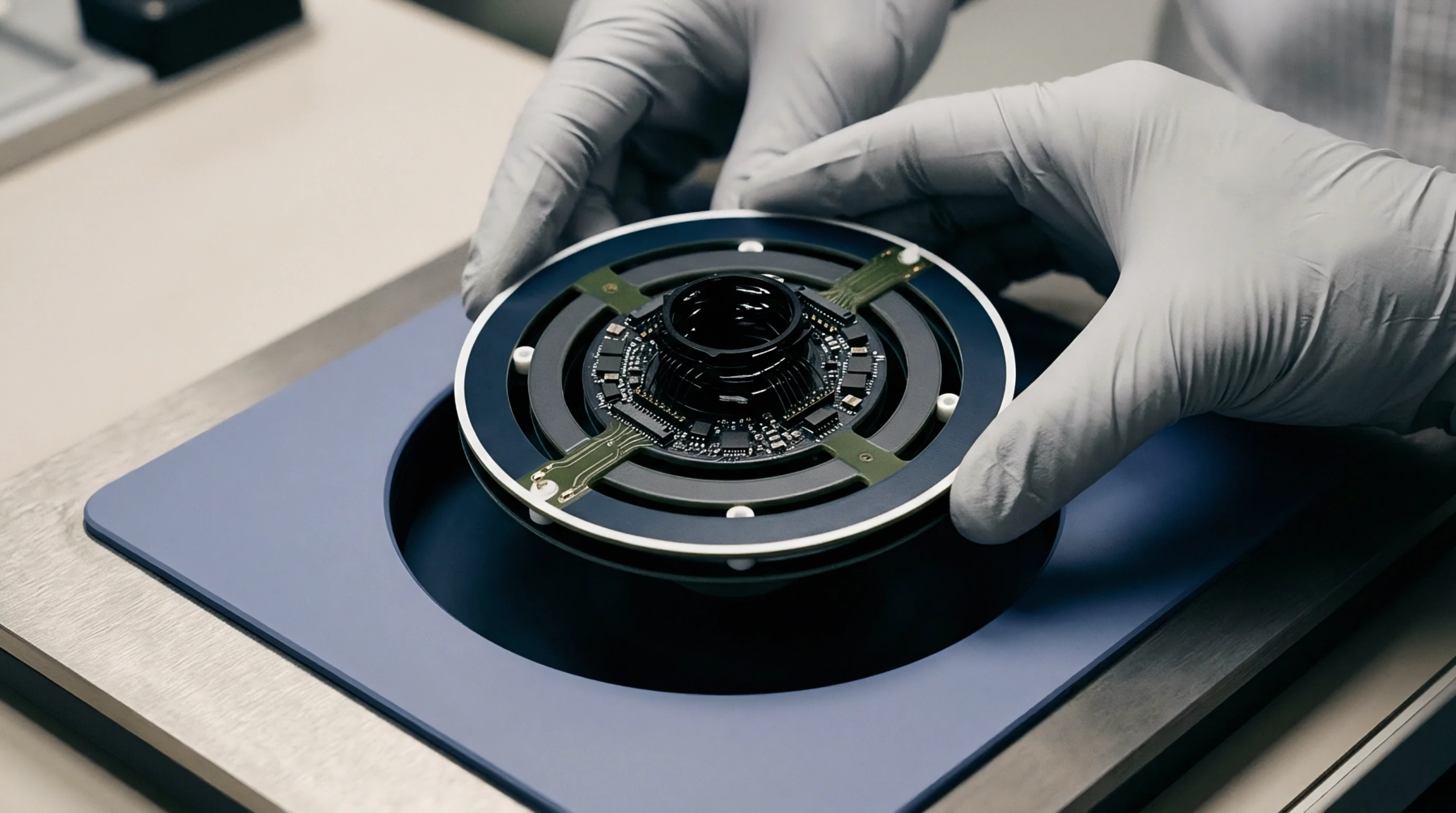
Polynomial compensation reduces sub-GHz receiver preamble listen windows by converting crystal thermal drift into predictable fixed-point timer corrections.
Passivation voltage collapse in coverage extension mode is prevented by pairing primary cells with hybrid layer capacitors sized for peak frame repetitions.
Expertise is a utility, not a secret. sentiention™ publishes its working knowledge as open reference: intelligence layer covering the materials it sources, the markets it enters, and the reference that serves both.