Real Time Clock Drift Mechanics in Uncompensated Outdoor Sub-GHz Nodes
Uncompensated 32.768 kHz outdoor sub-GHz clock drift expands receive guard windows, draining primary batteries and risking channel filter loss under thermal extremes.
Uncompensated 32.768 kHz outdoor sub-GHz clock drift expands receive guard windows, draining primary batteries and risking channel filter loss under thermal extremes.
Dynamic preamble tracking and thermal mass matched hardware RTC compensation recover 6 dB sensitivity and align sleep windows under extreme thermal shock.
Un-steered roaming profiles eliminate SIM applet rejection sweeps, preserving cellular tracker battery capacity across international borders.
Dynamic thermal gradients across sub-microamp sleep clocks induce transient frequency drift exceeding static crystal parabolic tolerances by 150 ppm.
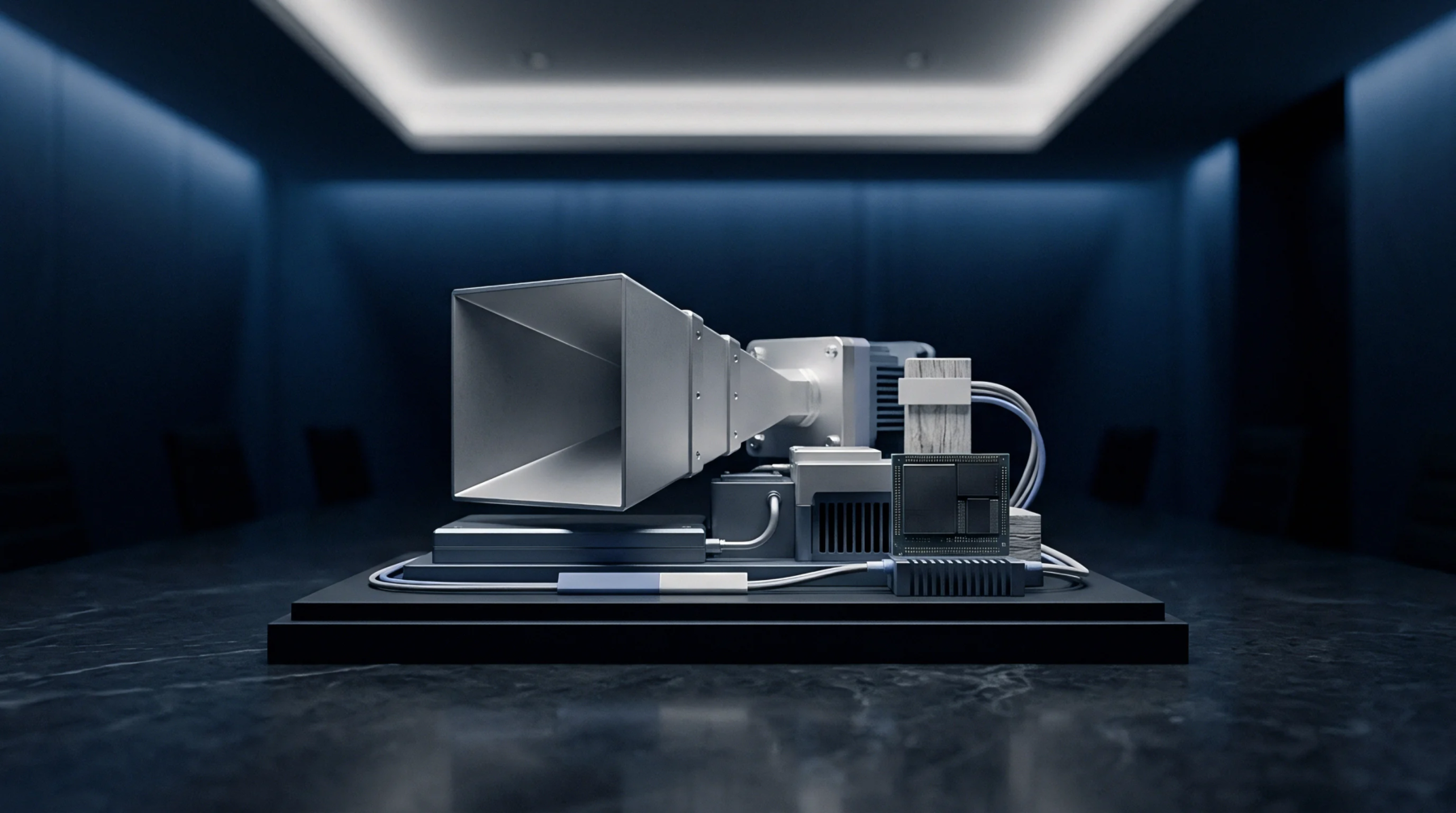
Drift-compensated guard windows reduce active receiver wake duration by narrowing timing margin based on tracked phase offset and thermal variance.

Trap rich polysilicon layers freeze interface charges to hold high resistivity and suppress switch harmonics below minus eighty dBc.
Co-located modular SAR permissive change compliance depends on distance, combined transmit power, and SPLSR calculations to avoid Class II testing.
Provisioner memory exhaustion during large mesh commissioning is prevented by sizing SRAM to hold concurrent DTLS context peaks plus routing table expansion
Cross-border eUICC reliability depends on host-managed exponential backoff timers, FPLMN cache management, and local offline profile switching rules.
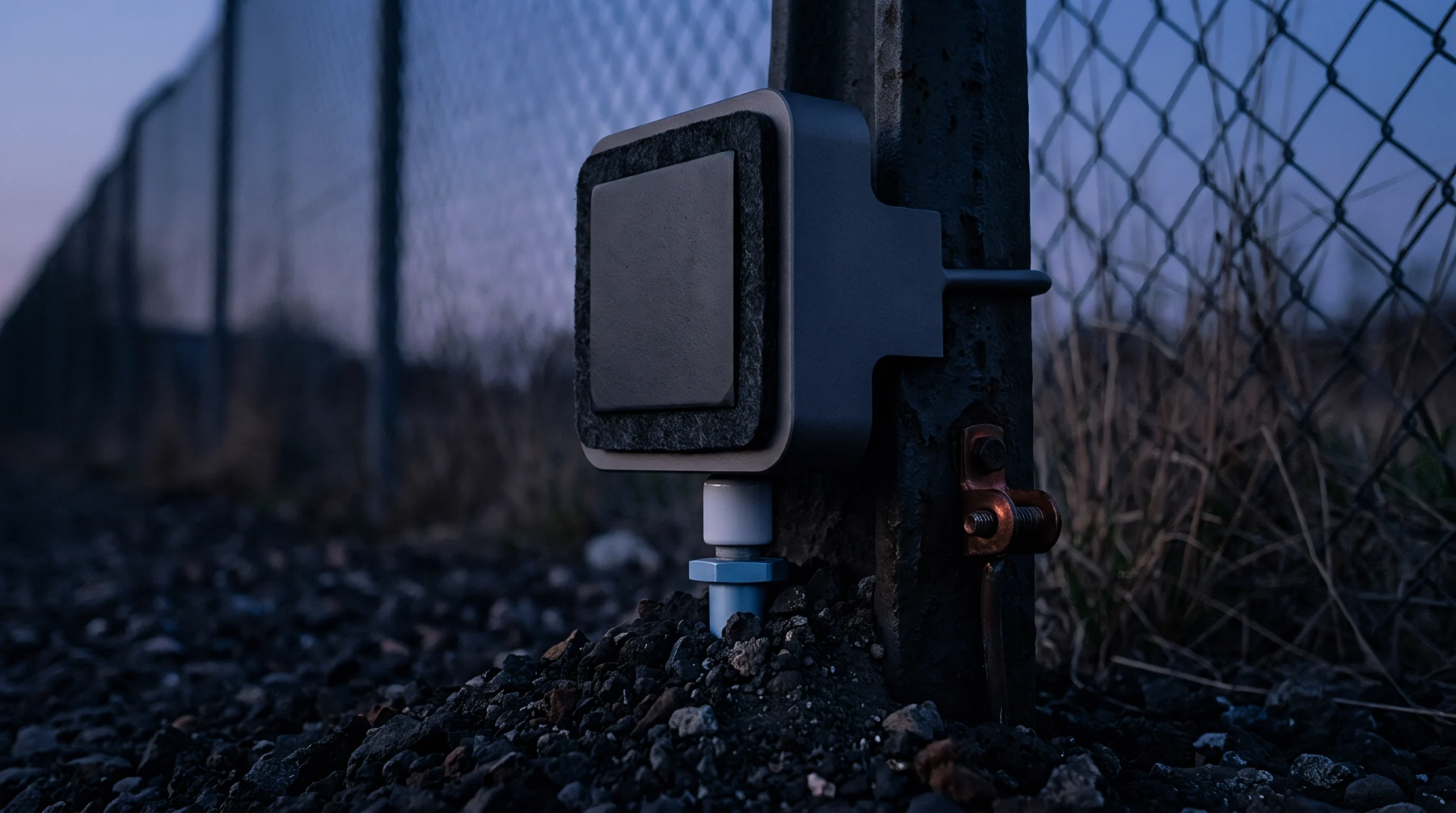
Exceeding sub-GHz statutory duty cycles requires hybrid dual-radio architectures that trigger high-speed cellular or Wi-Fi offloads for high-frequency telemetry.
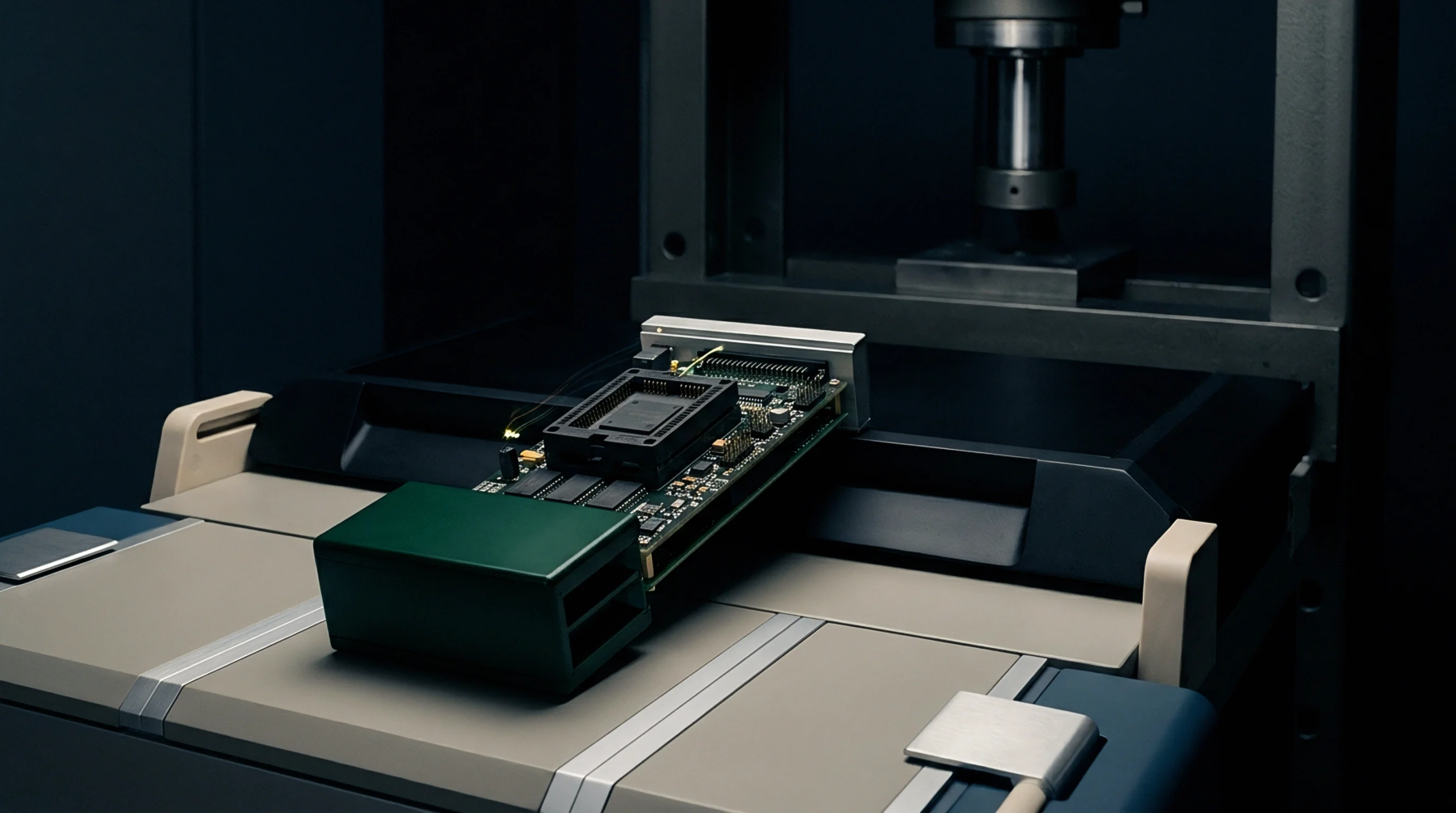
Mechanical preload across socket micro asperities defines insertion loss stability and constriction resistance in millimeter wave automated device testing.
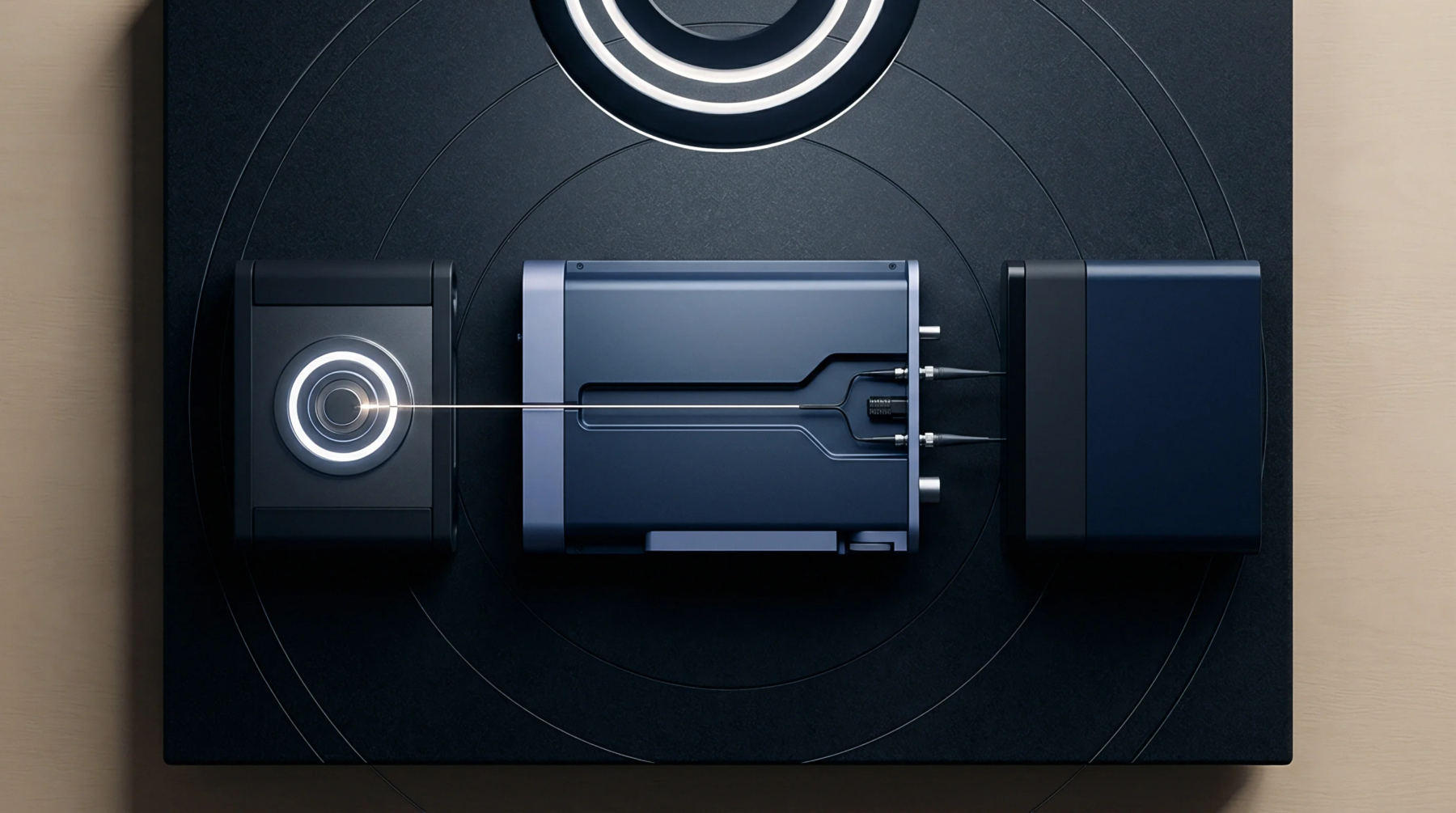
Cellular IoT session rounding increments can multiply billable data volumes by twenty times, turning raw sensor updates into severe monthly carrier overage charges.
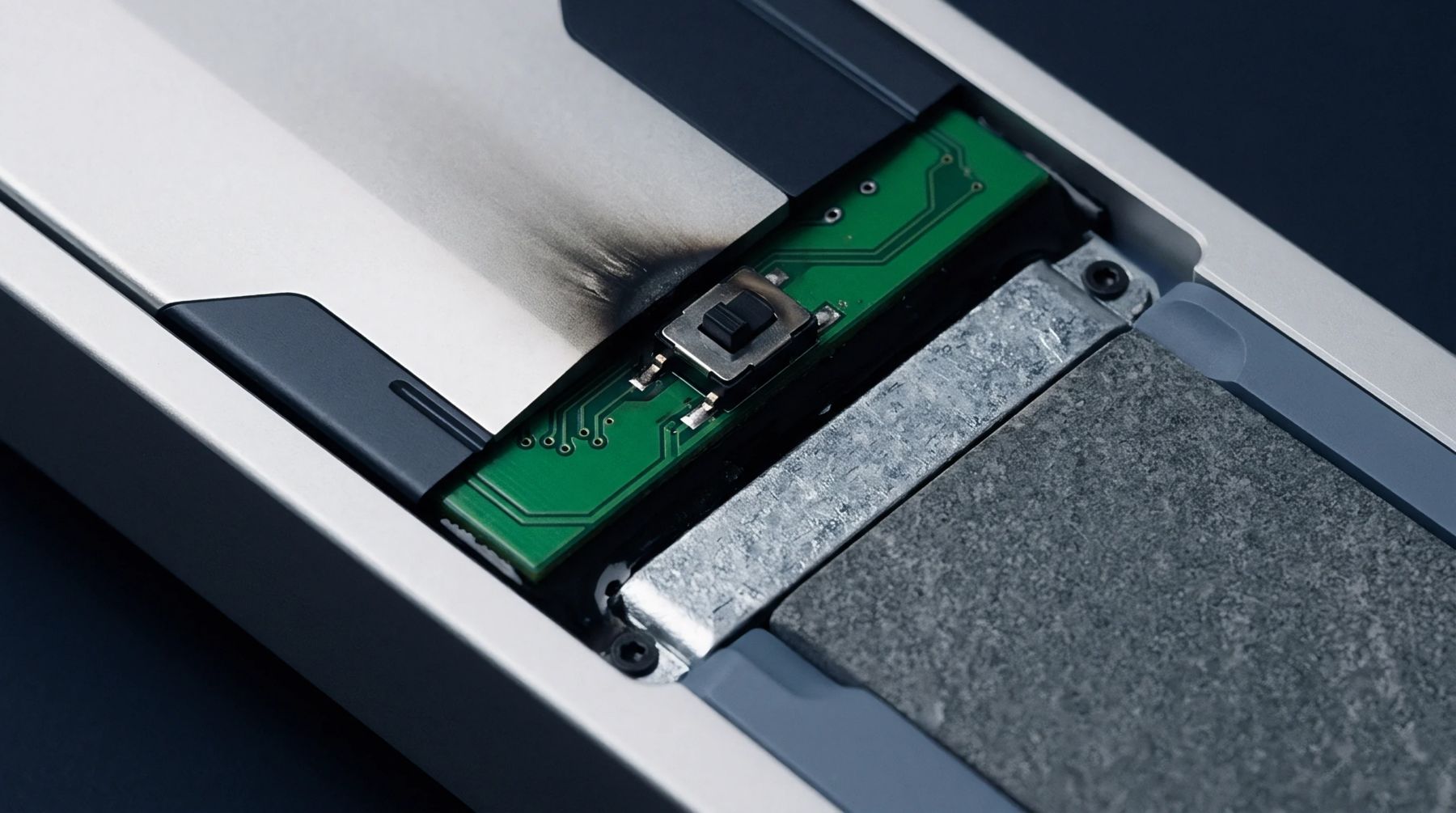
Dynamic impedance matching losses double RF current draw and accelerate battery internal resistance growth, cutting endpoint service life by over fifty percent.
Dynamic clear channel assessment optimizes Wi-Fi spatial reuse by elevating OBSS preamble thresholds while proportionally scaling transmit power to isolate co-channel cells.
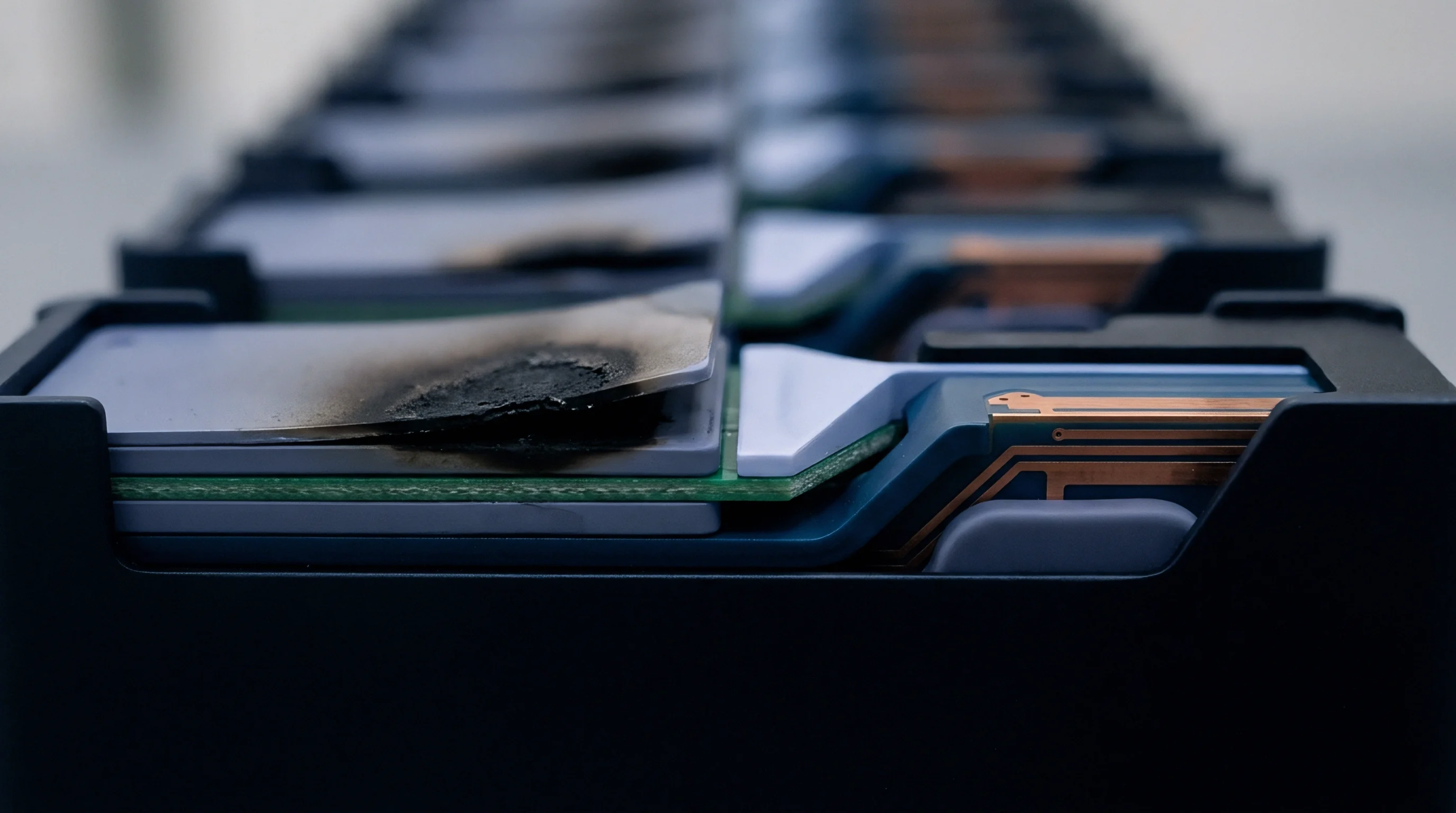
Resolving cellular hardware radiated margin loss requires isolating internal digital board noise and stabilizing multi-band antenna matching under real deployment conditions.

Atomic layer deposition passivation seals sub-GHz crystal blanks against pulse-induced gas desorption, maintaining clock stability and link margin.
Multi-second cellular pulse trains deplete hybrid buffer capacitors and induce concentration polarization in subterranean primary cells, collapsing terminal voltage.
Silicon aging distorts internal relaxation oscillator thermal compensation curves over time, requiring dynamic runtime recalibration to prevent network failure.

Micro-asperity tunneling across oxide barriers drives dynamic intermodulation shifts in millimeter-wave test sockets, demanding strict scrub and force control.
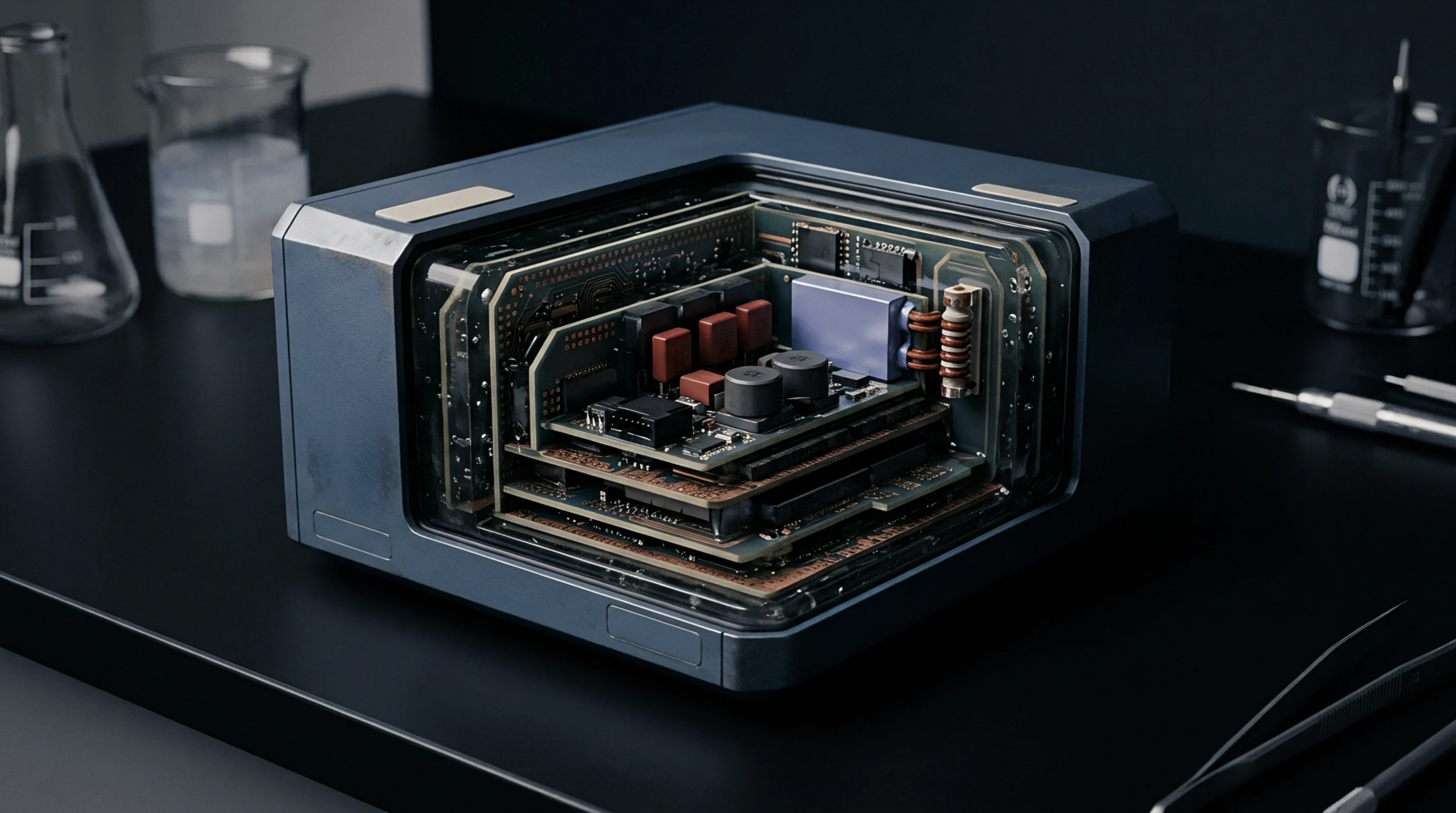
Cellular IoT pricing models rely on dynamic aggregated data pooling and strict protocol optimization to eliminate carrier session rounding penalties across fleets.
Dynamic impedance matching mitigates RF power amplifier reflection losses, preserving battery voltage stability and operational lifespan in wideband radios.
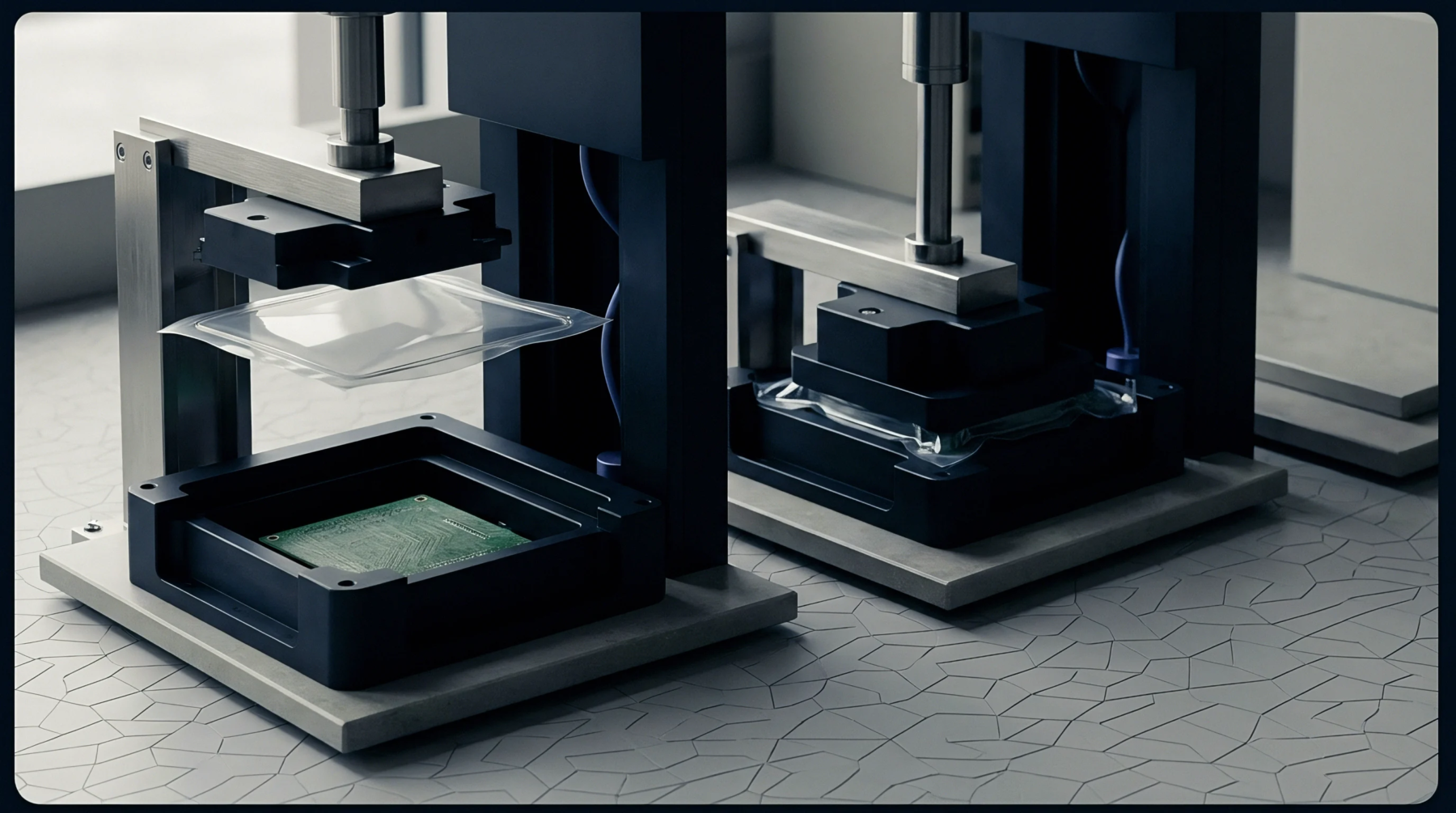
Configure CCA thresholds 6 dB above adjacent cell beacon power while enforcing transmit power control to prevent co-channel frame deferral and packet collapse.
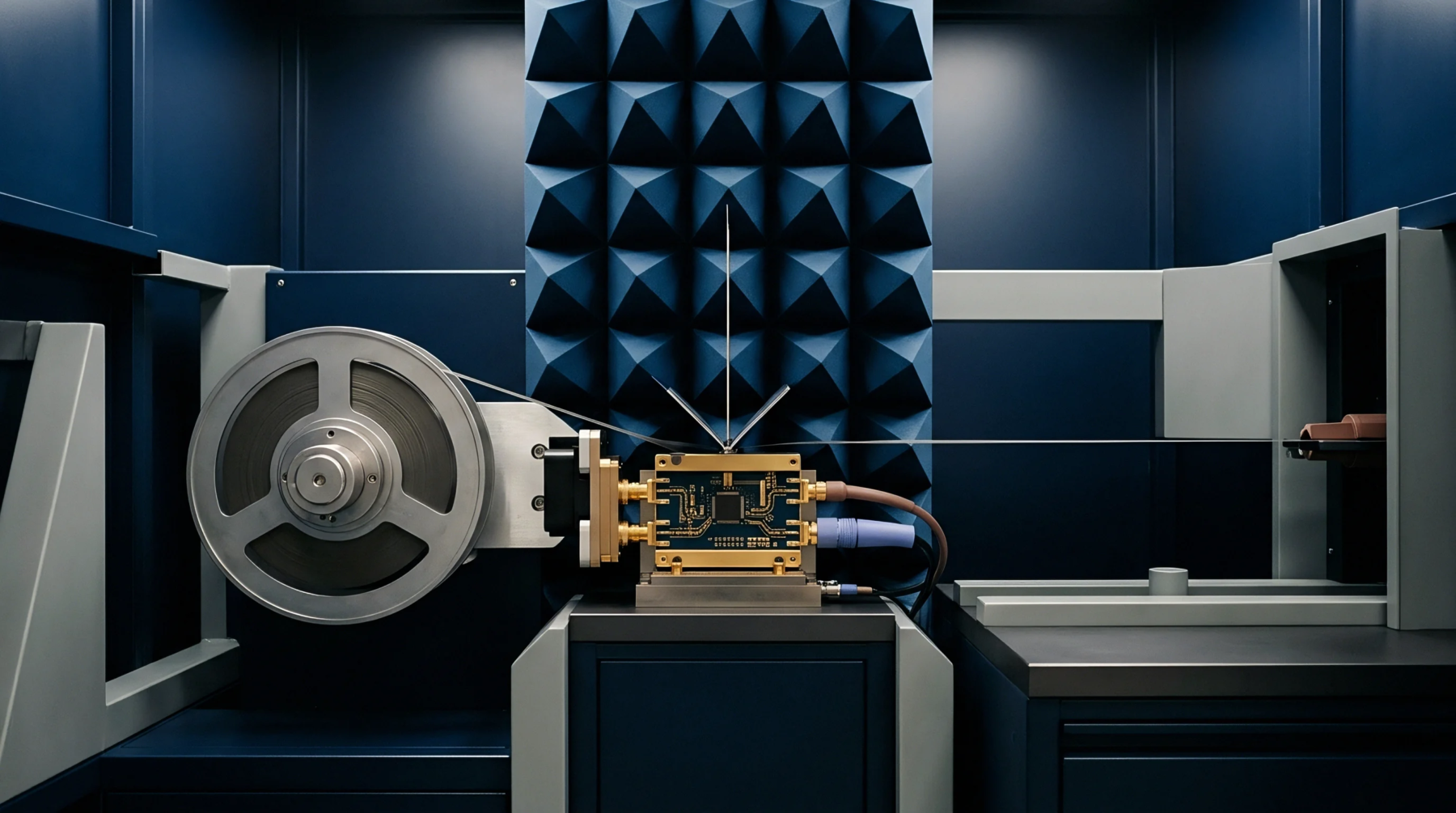
Carrier acceptance testing costs can increase unit landed expenses significantly if antenna integration failures force laboratory re-test cycles.
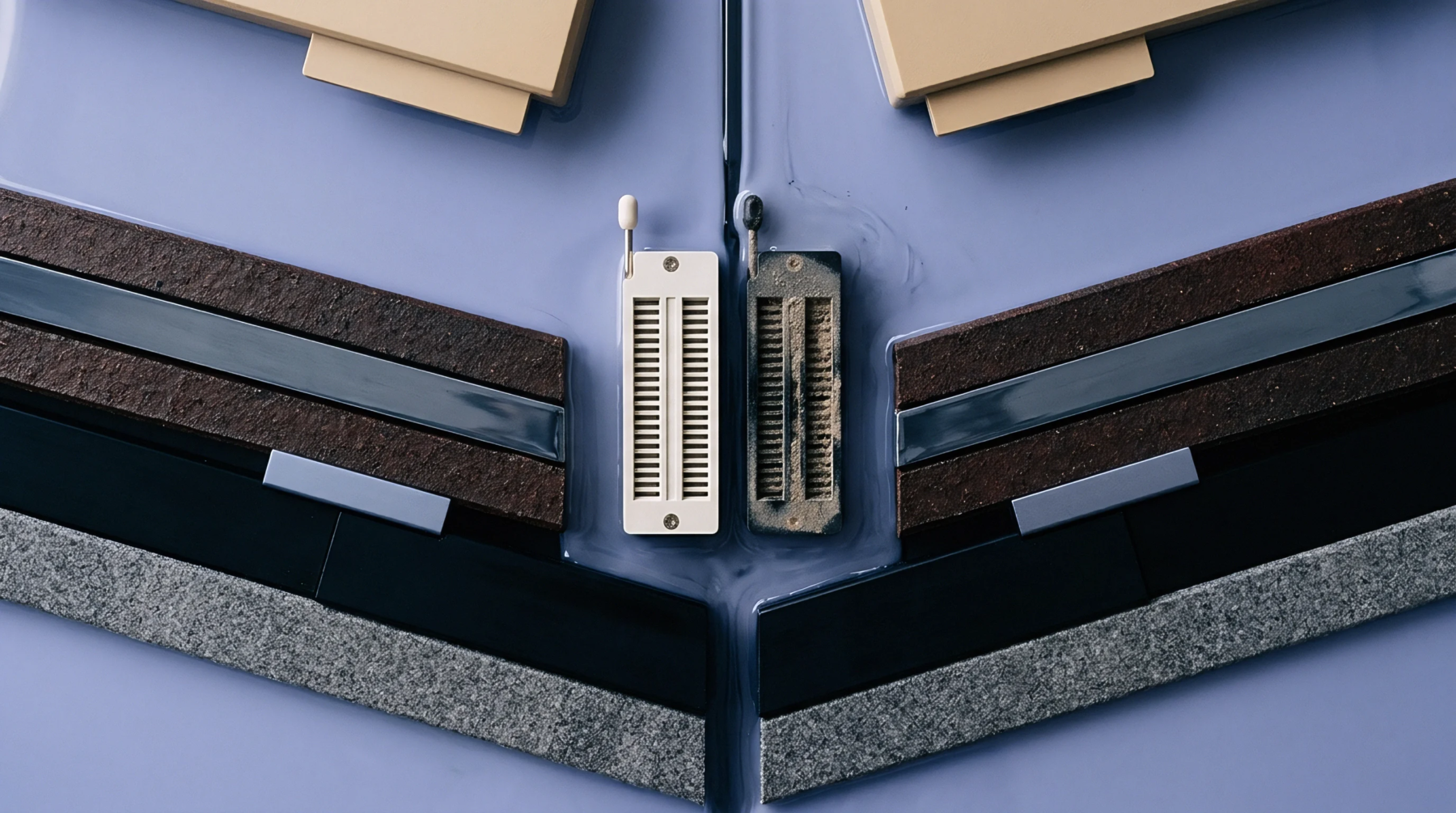
LoRaWAN Class A achieves 10-year life on single AA cells for hourly reporting; NB-IoT requires larger batteries or lower transmit frequencies due to network tail states.
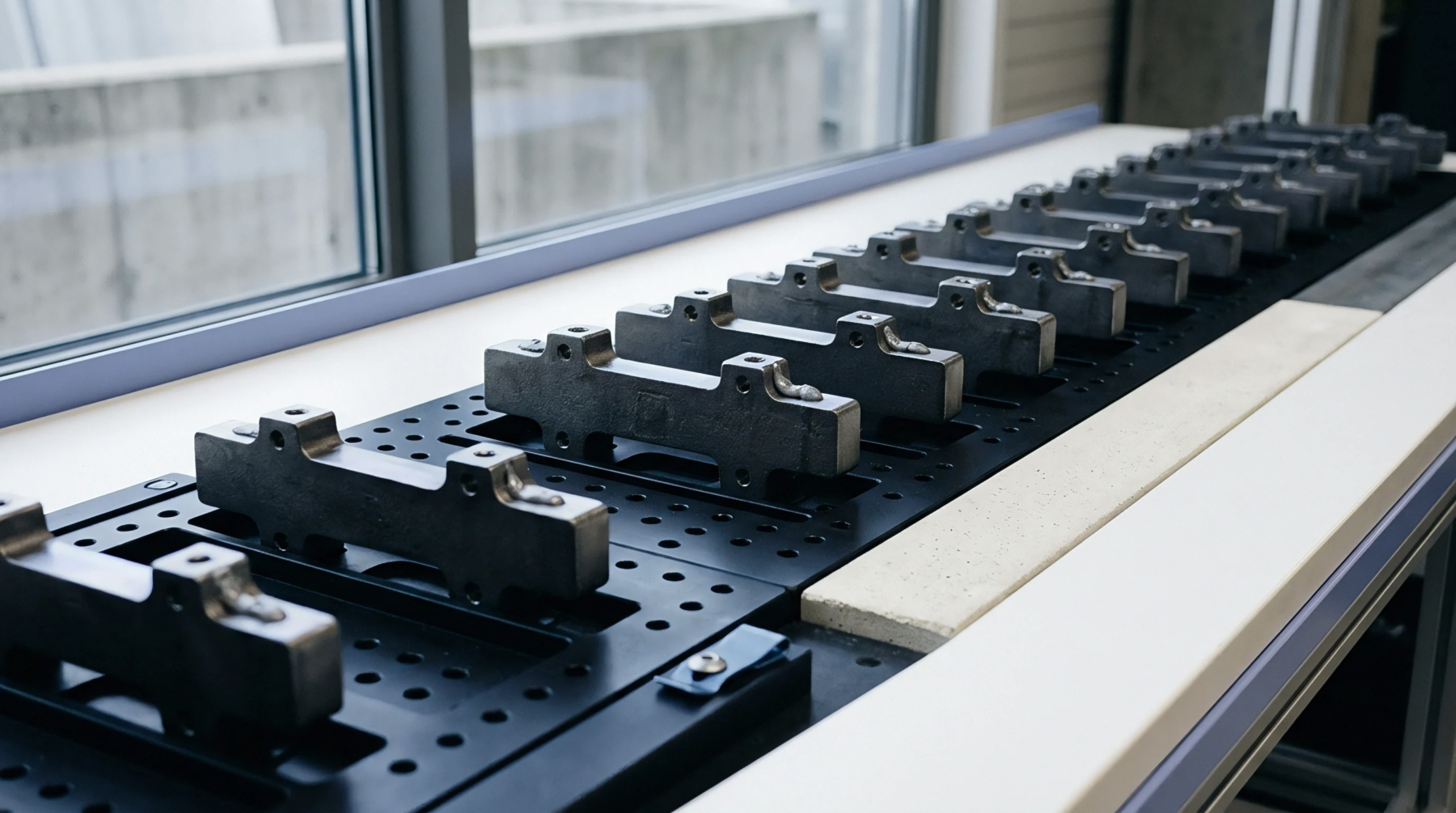
Sub-GHz transceiver crystal passivation prevents drive-level dependency shifts and frequency pulling during extended high-current power amplifier transmit pulses.
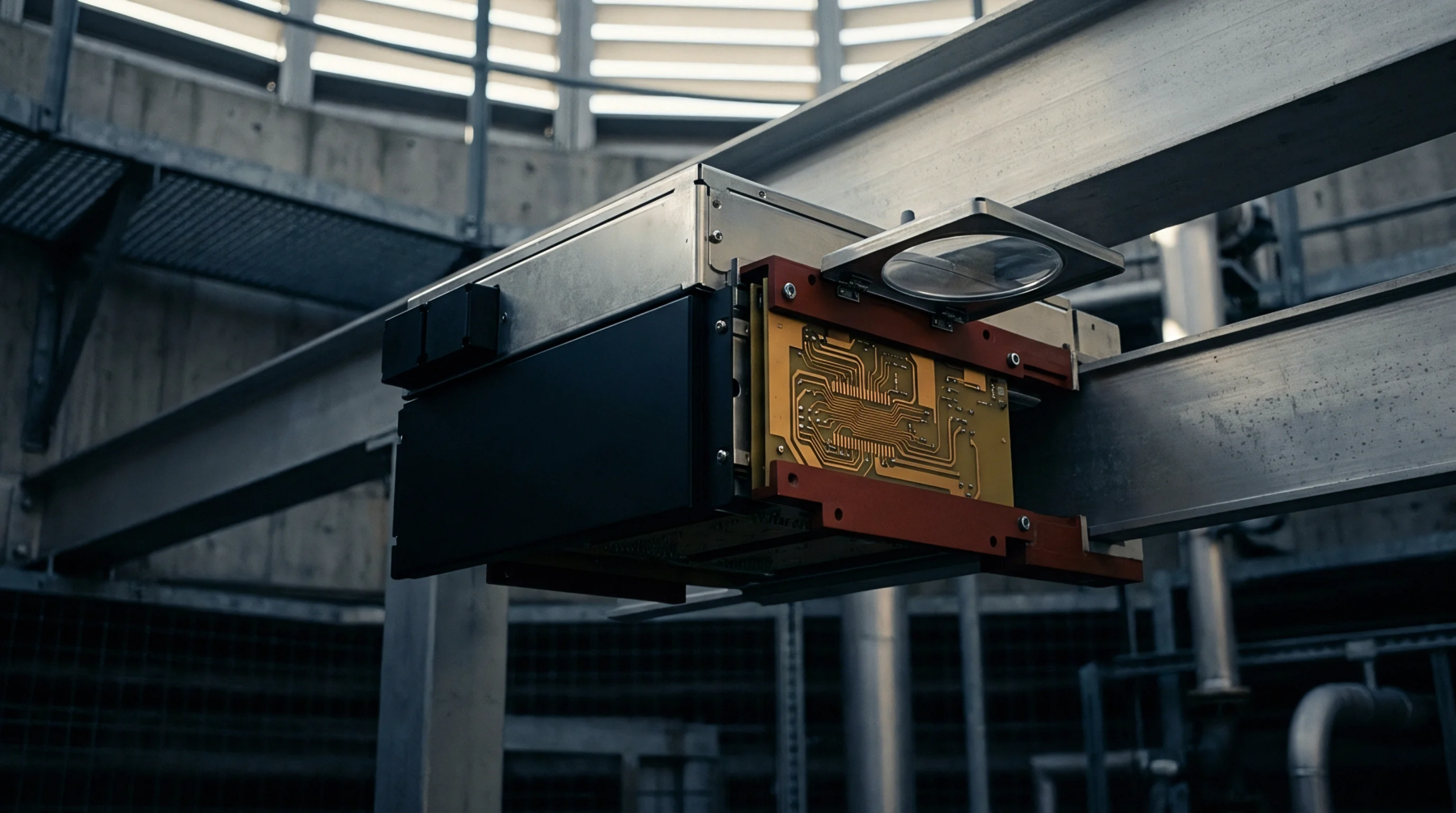
Uncompensated 32.768 kHz RTC drift in outdoor sub-GHz sensors expands receiver listen windows, accelerating battery depletion and causing frame drop failures.
Subterranean cellular attachment triggers extreme 3GPP repetition modes that expand signaling duration from milliseconds to seconds, causing massive battery drain.
Uncompensated RTC thermal drift requires expanded MAC guardbands that drastically degrade battery life in wide-temperature sub-GHz wireless deployments.
Autonomous cellular IoT power recovery relies on host firmware enforcing adaptive back-off and dynamic band locking during border network rejection loops.

Cross-border cellular acquisition consumes up to 10 mAh per registration cycle due to carrier steering rejections and exhaustive full-band frequency scans.
Expertise is a utility, not a secret. sentiention™ publishes its working knowledge as open reference: intelligence layer covering the materials it sources, the markets it enters, and the reference that serves both.