
LoRa Duty Cycle Ceilings That Decide Payload Frequency
LoRa duty cycle ceilings restrict packet frequency by limiting hourly transmission airtime, forcing trade-offs between spreading factor, payload size, and battery life.
LoRa duty cycle ceilings restrict packet frequency by limiting hourly transmission airtime, forcing trade-offs between spreading factor, payload size, and battery life.

A silicon end-of-life notice demands an immediate audit of last-time-buy volumes against redesign lead times to prevent production gaps during recertification.

Non-volatile duty cycle accumulators preserve airtime state across power cycles, preventing illegal spectrum over-transmission in unlicensed sub-GHz hardware.
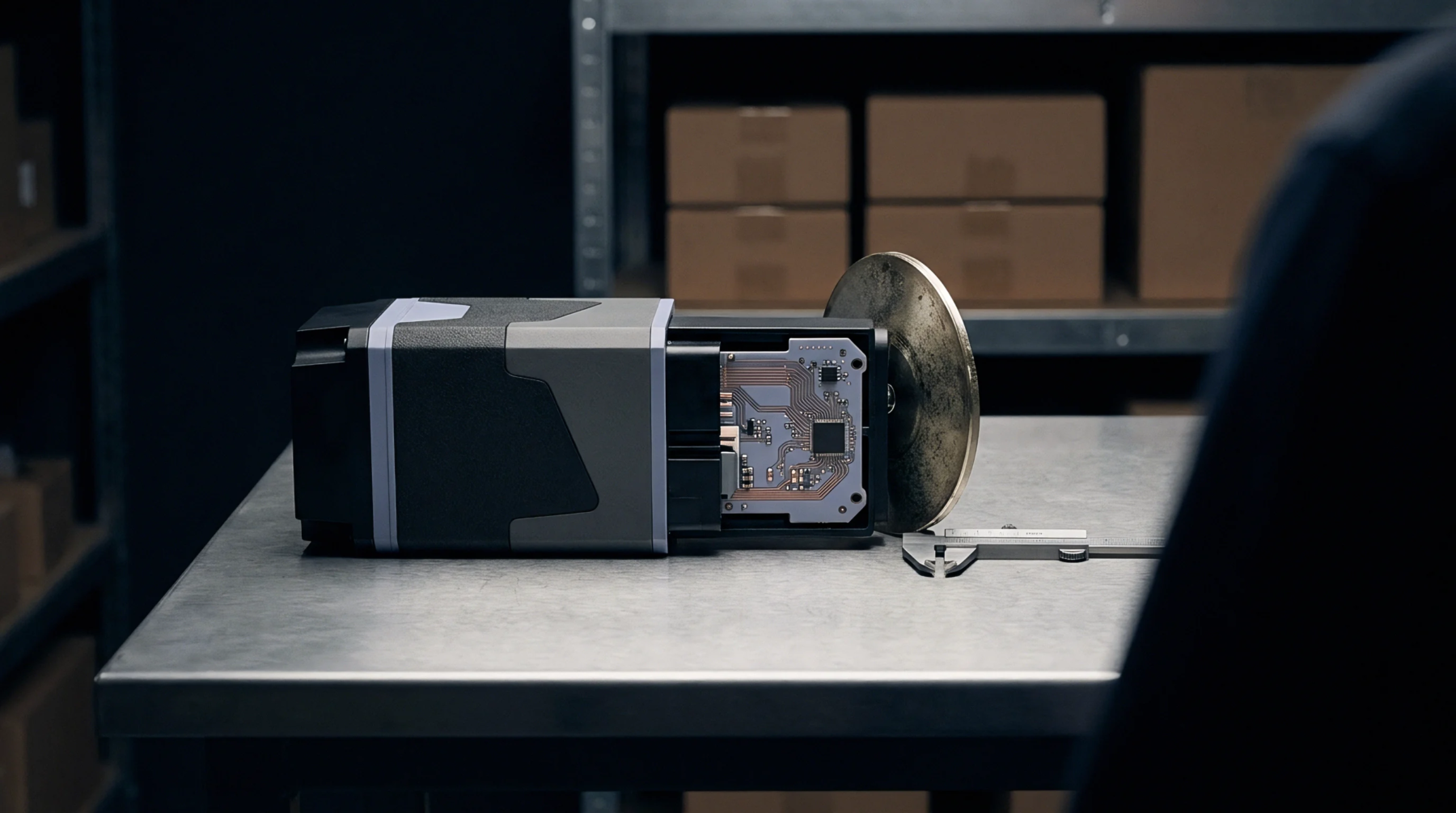
Automated RF parameter validation bench testing requires exact S-parameter de-embedding, continuous guardbanding, and rigorous SCPI execution protocols.
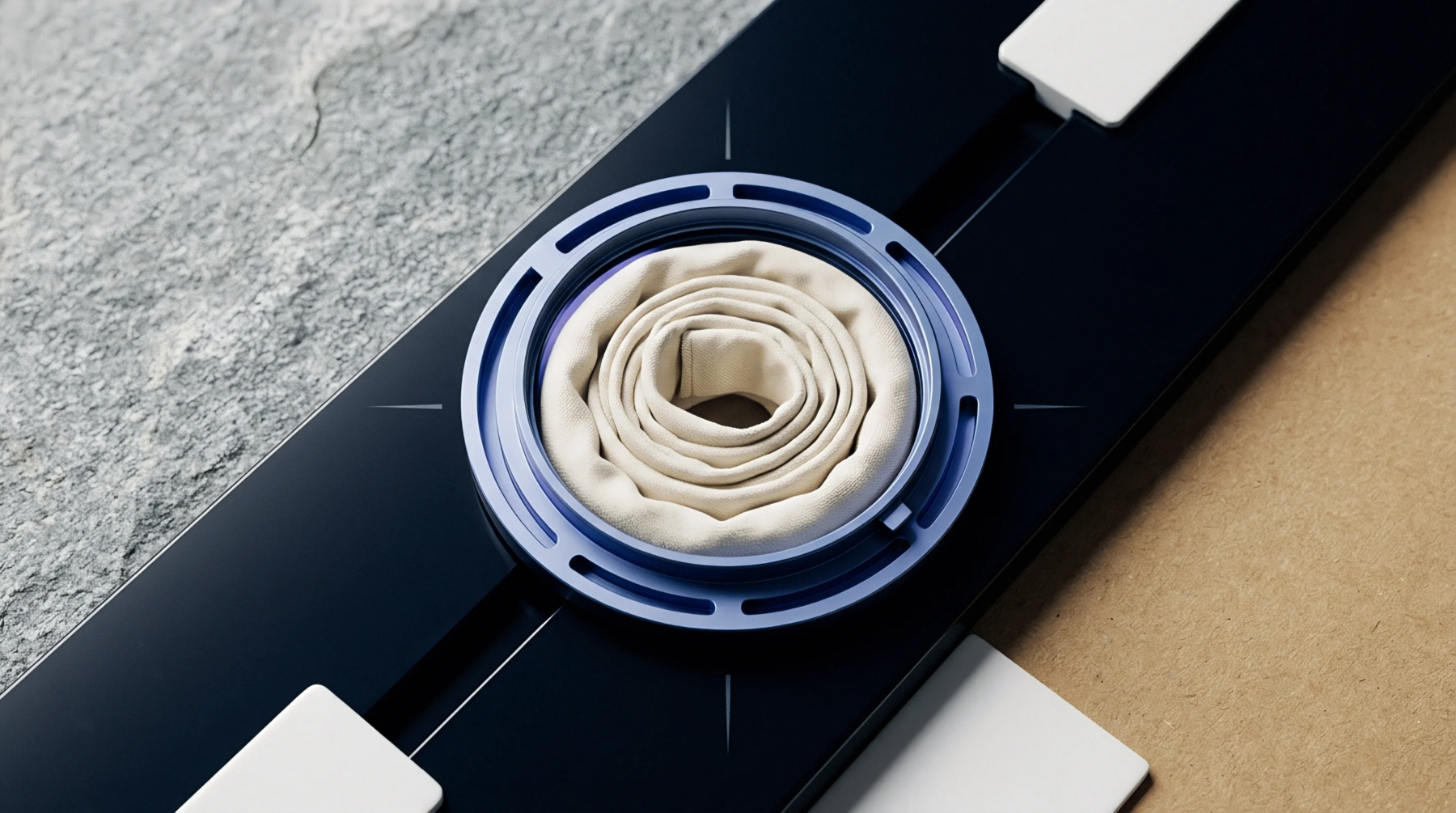
Stripping test fixture phase delay and magnitude loss from raw vector network analyzer measurements ensures true S-parameter extraction.

Wireless protocol selection fixes physical range, payload boundaries, power draw profiles, regulatory approvals, and landed hardware costs across target markets.
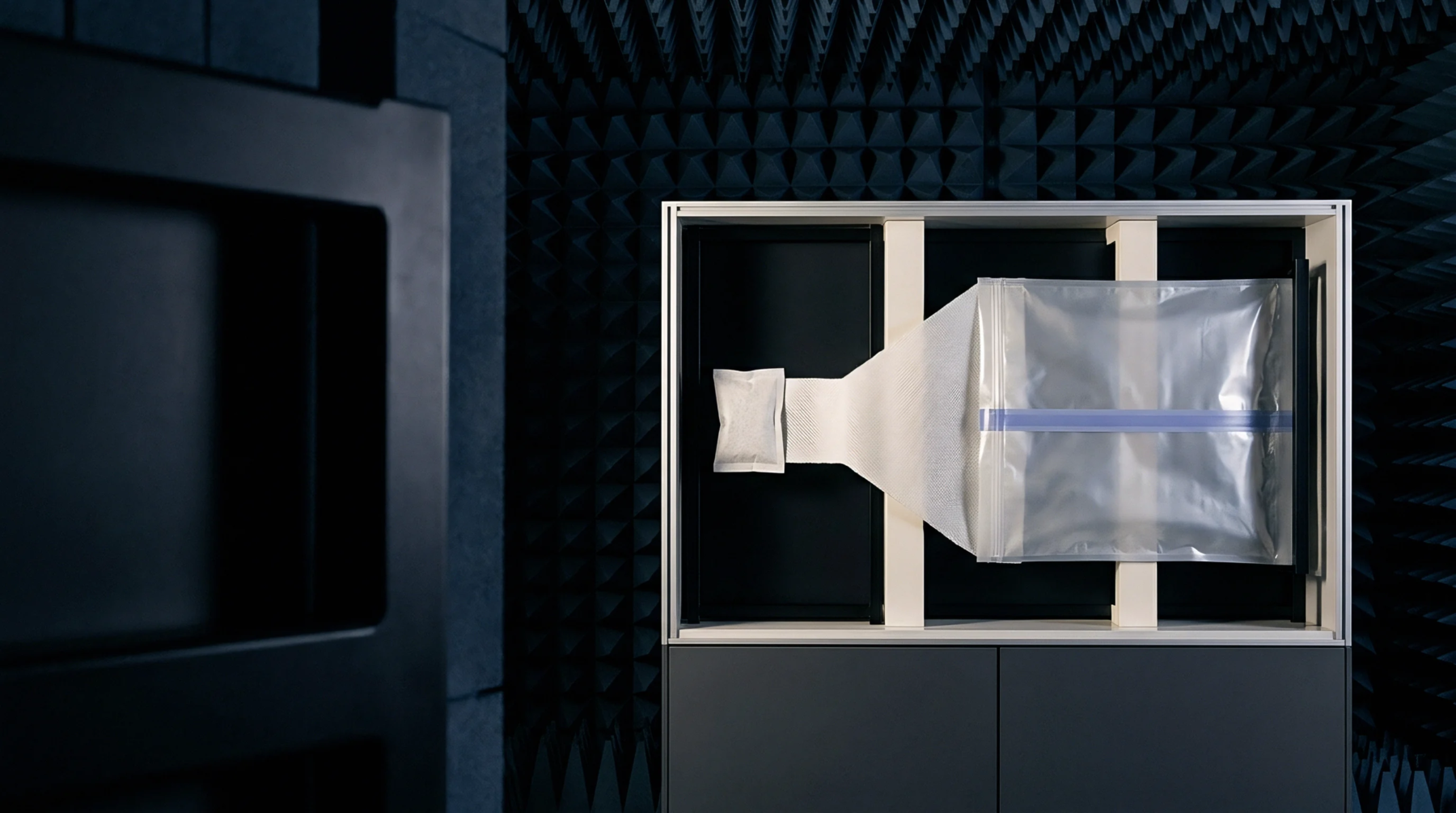
NB-IoT offers superior signal penetration and lower single-mode hardware costs, but LTE-M delivers seamless global cross-border roaming and continuous mobility.

Wi-Fi throughput collapses in dense deployments when preamble misses and conservative energy detection thresholds trigger retry storms and modulation rate decay.

Zigbee mesh commissioning hides heavy battery current spikes and technician labor costs behind oversimplified radio datasheet duration claims.
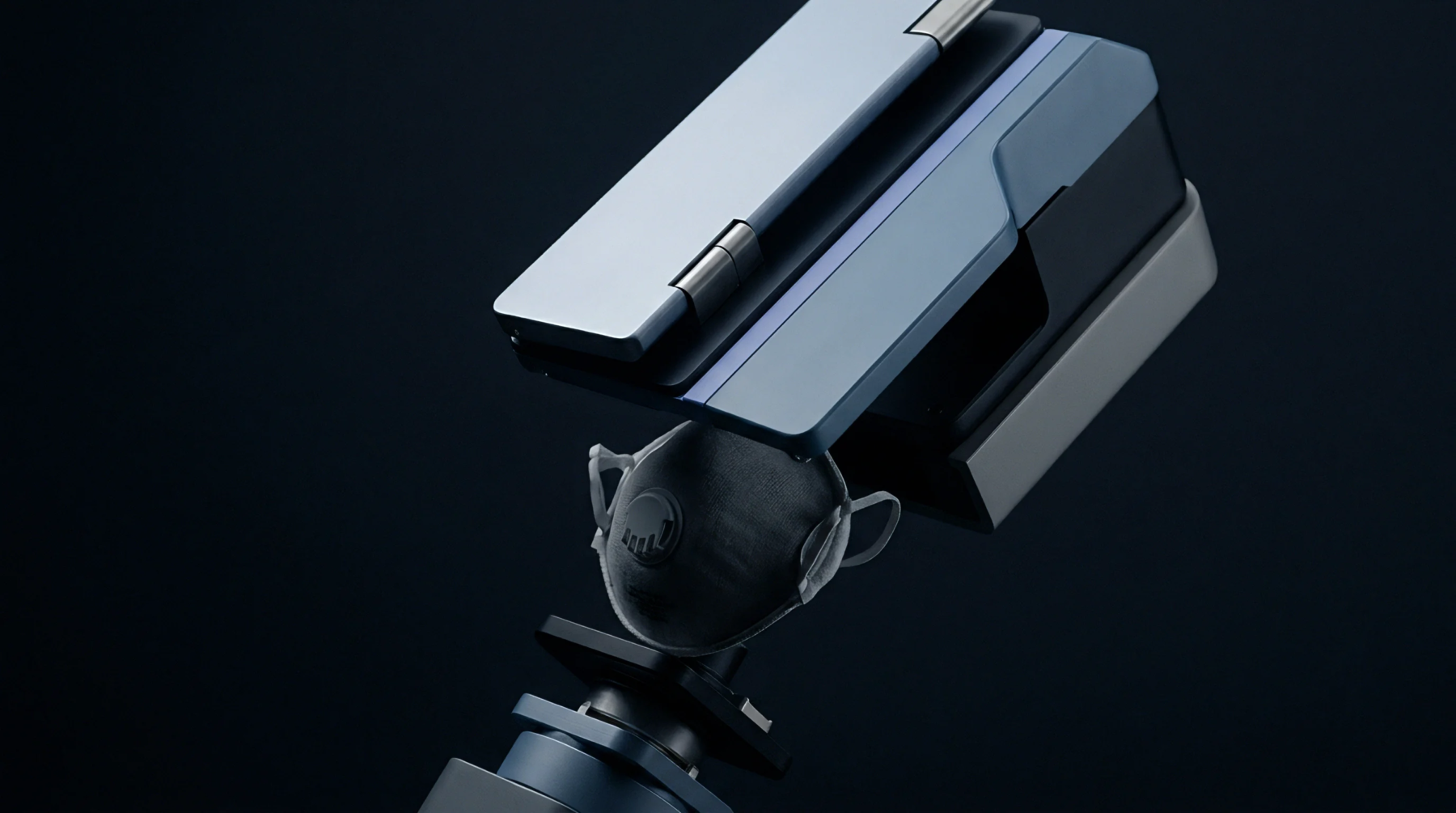
Regional spectrum rules force sub-GHz IoT hardware into three distinct SKU builds to optimize front-end matching, maintain link budget, and pass certification.

Cellular IoT data plans over seven years require accounting for platform fees, payload overhead, and roaming surcharges beyond raw baseline megabyte costs.

Modular permissive change rules limit host modifications; crossing trace, antenna, or power boundaries forces costly multijurisdictional re-certification.
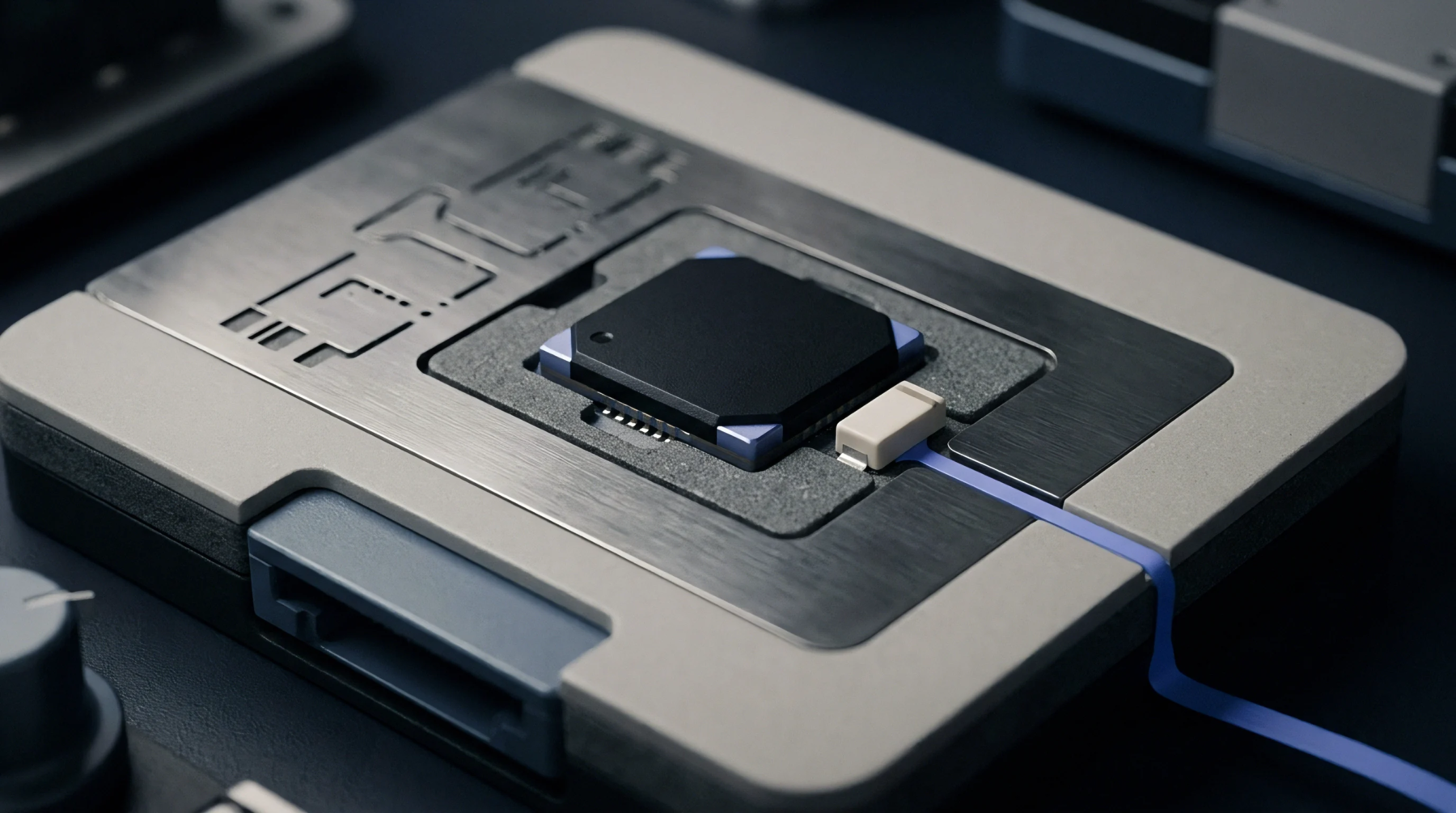
Substrate dielectric degradation reduces RF transceiver link budgets over time, requiring a minimum four-decibel margin allowance during module procurement.
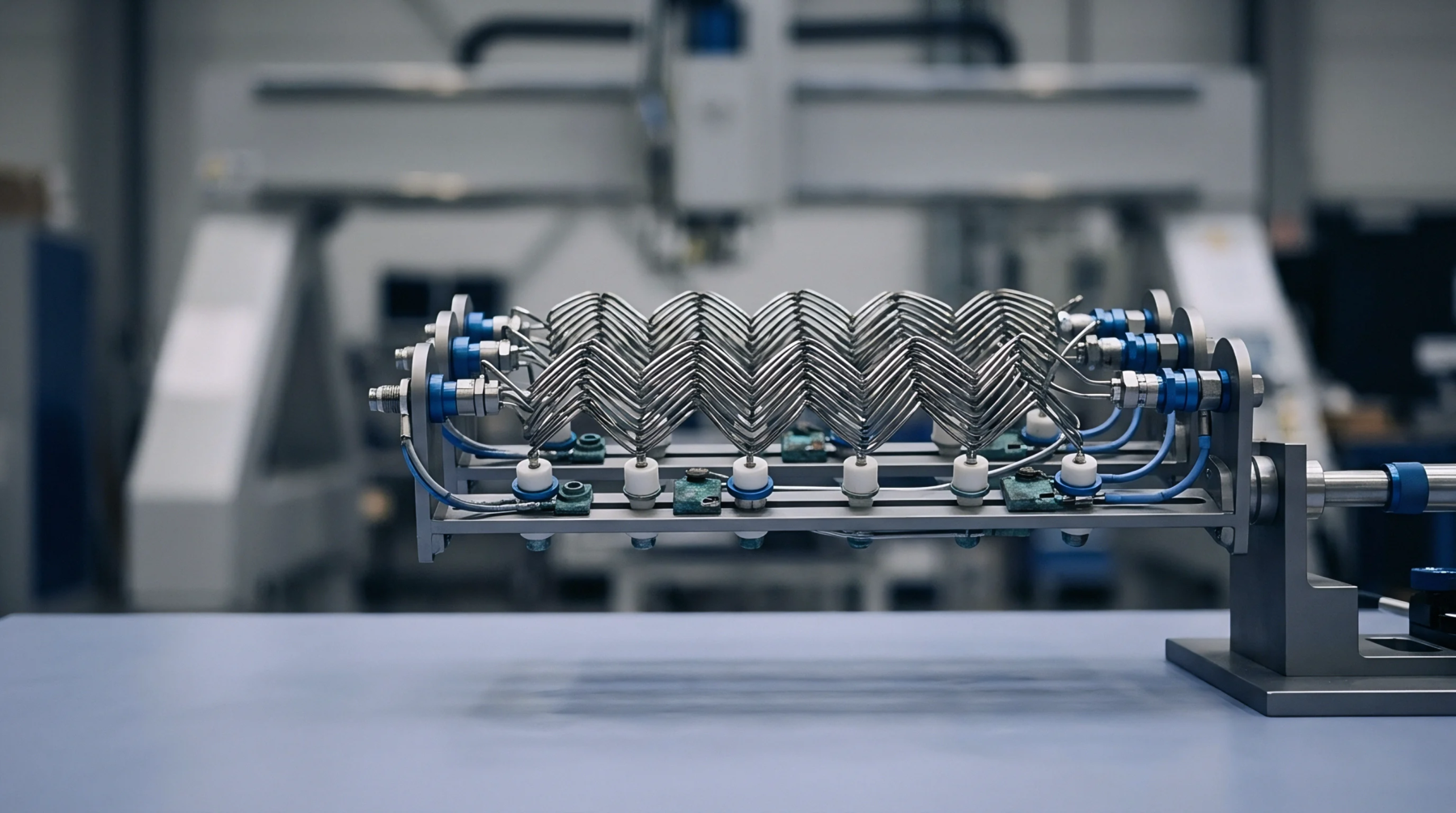
Precision sub-GHz power fail protection requires early unregulated rail detection, low-ESR holdup arrays sized for DC bias loss, and atomic FRAM session writes.
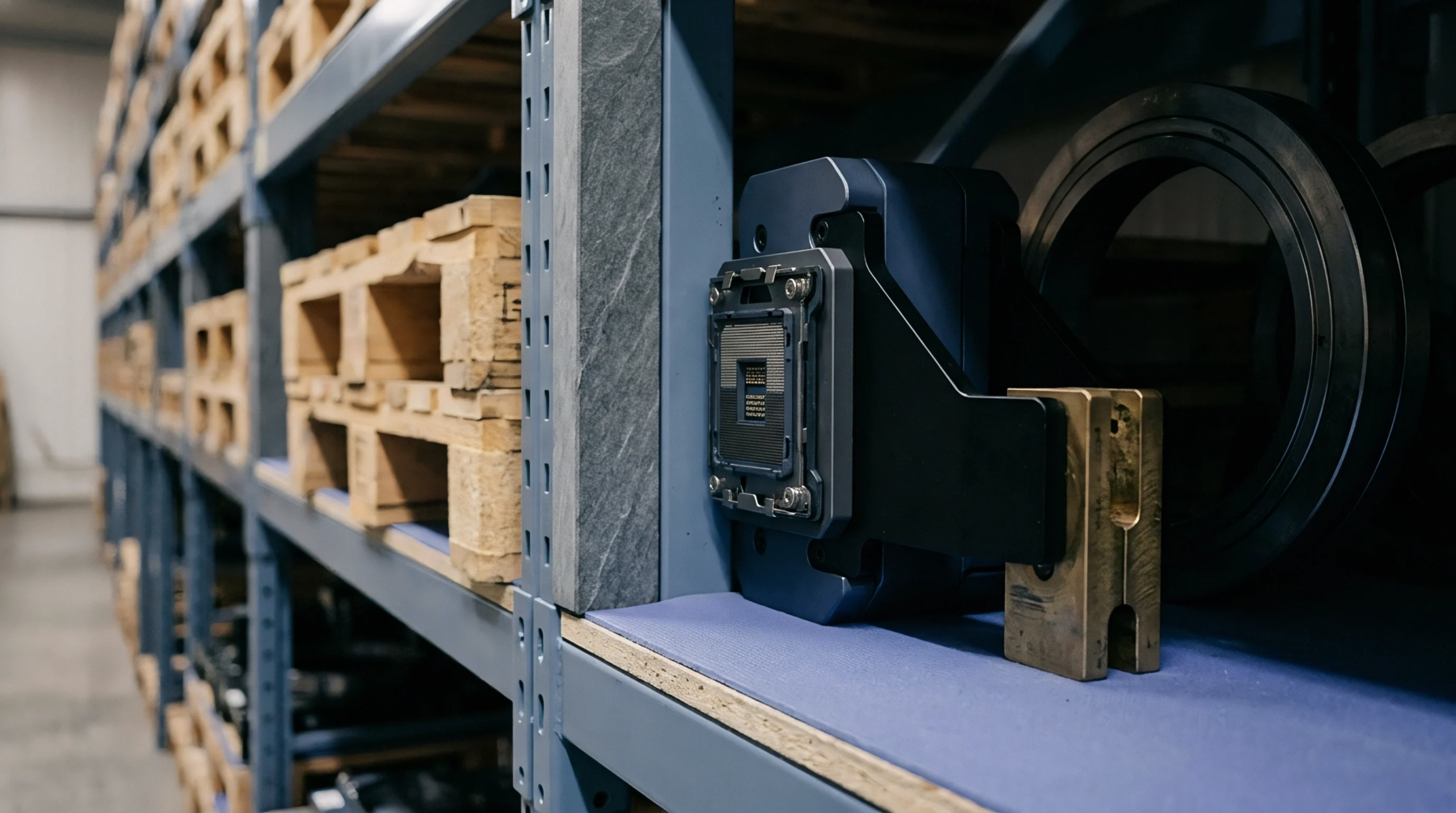
Verify crystal-less sleep synchronization by combining dynamic polynomial thermal compensation with scaled receiver guard windows to maintain sliding time buckets safely.

High actuation frequency RF test sockets experience contact resistance instability through micro-fretting and oxide growth, corrupting signal integrity and yield.

FCC modular class changes require Class I audit logs for minor zero-increase emissions shifts and Class II filings for higher gain, host SAR, or altered spurious profiles.
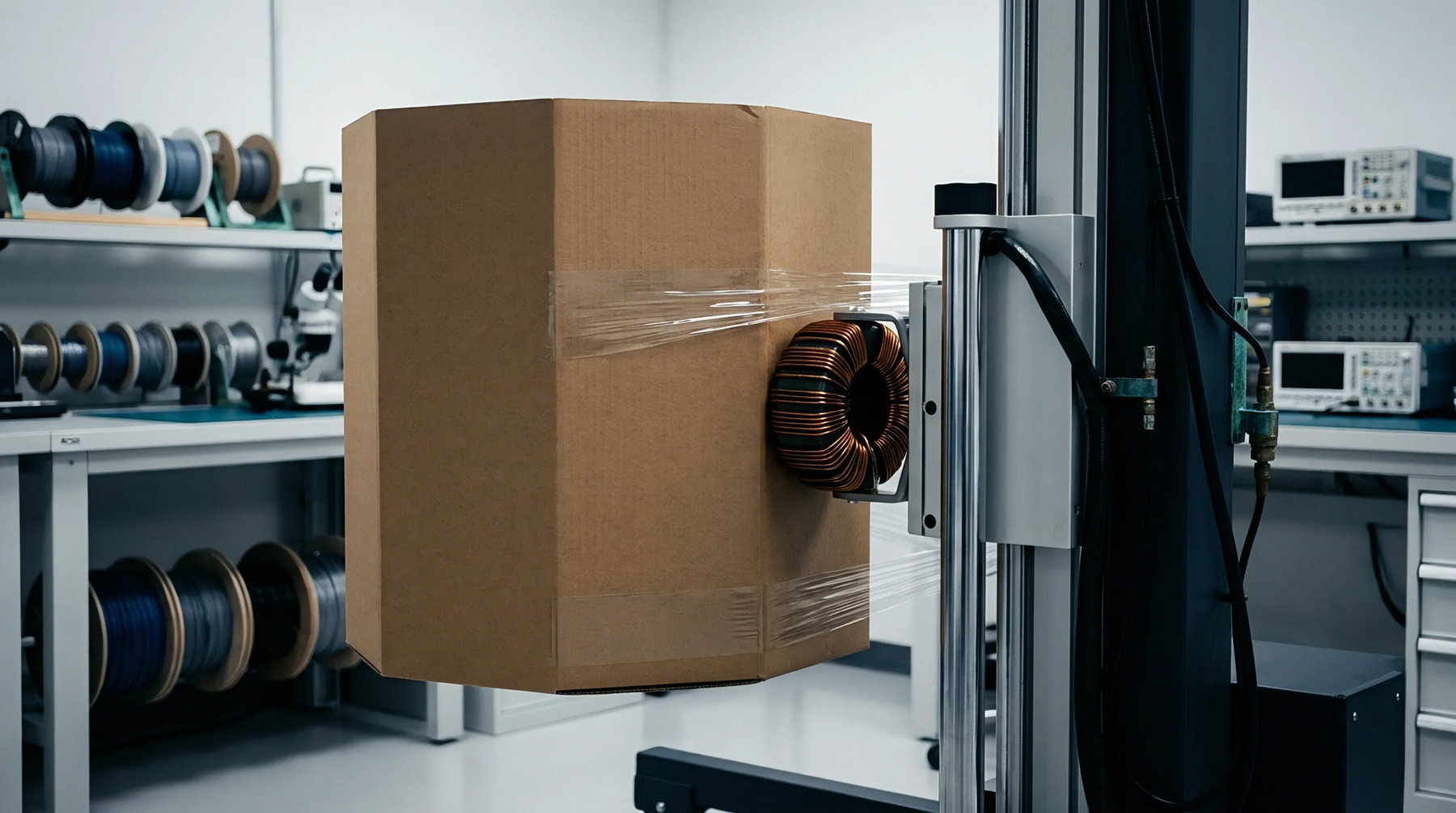
Multijurisdictional co-location SAR evaluation requires host-level total exposure ratio analysis and spatial decoupling to ensure global market clearance.

High thermal stress accelerates floating node leakage via Poole-Frenkel emission and trap-assisted tunneling, requiring Grade 0 silicon and active firmware refresh.
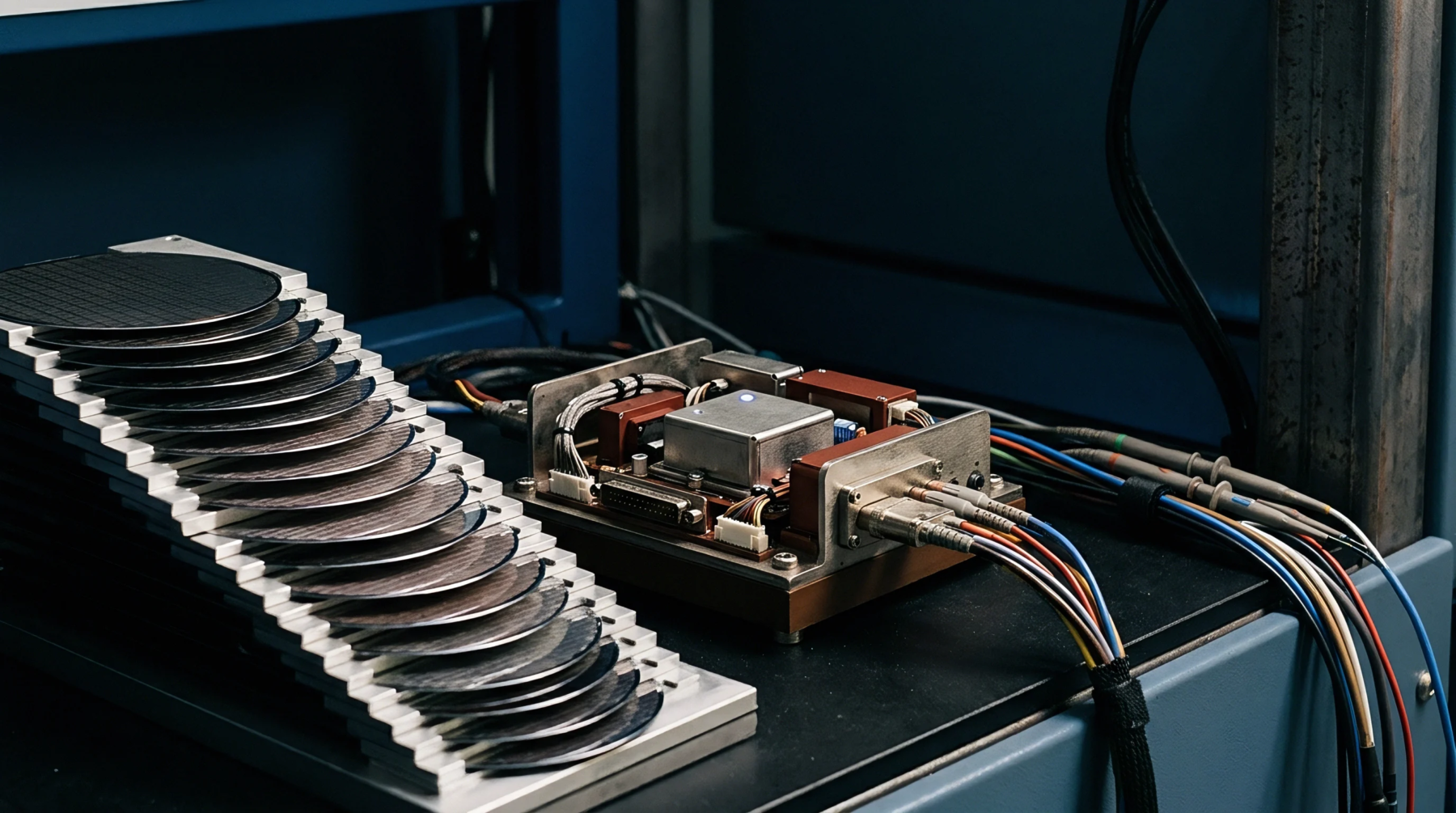
Inter-carrier cellular roaming power optimization depends on strictly controlled PLMN scan intervals, 3GPP timer negotiation, and payload retries.

Industrial Wi-Fi module selection demands matching OFDM guard intervals to measured hall delay spread while isolating 5 GHz spatial streams from local noise.

Trap-rich polysilicon passivation pins interface charges on high-resistivity silicon, suppressing surface conduction and harmonic spur spikes across RF switches.
Evaluating internal RC drift requires mapping temperature and voltage sags to expanded radio receive windows that drain battery reserves.

Dynamic receiver guard window sizing balances oscillator frequency drift against active receive current to maximize sleep duration in crystal-less wireless nodes.

FCC rule changes governing modular radios demand precise classification of trace, antenna, and proximity shifts to prevent illegal radiated emissions.
Dynamic management of network timers, search back-off routines, and coverage enhancement parameters protects cellular IoT battery life during inter-carrier roaming.

Optimize 3GPP T3324 and T3412 timer configurations to minimize battery drain caused by visited network overrides during cellular IoT roaming.
Internal low-frequency relaxation oscillator drift forces dynamic receiver guard time expansion during deep sleep, requiring software recalibration.

Dynamic guard window sizing calculates clock offset history to shrink receiver listen windows and extend low-power sub-GHz battery life
Modem attach power scaling depends on coverage enhancement levels and raster pruning, where degraded signal paths elevate registration energy from 0.68 to 14.2 joules.
Expertise is a utility, not a secret. sentiention™ publishes its working knowledge as open reference: intelligence layer covering the materials it sources, the markets it enters, and the reference that serves both.