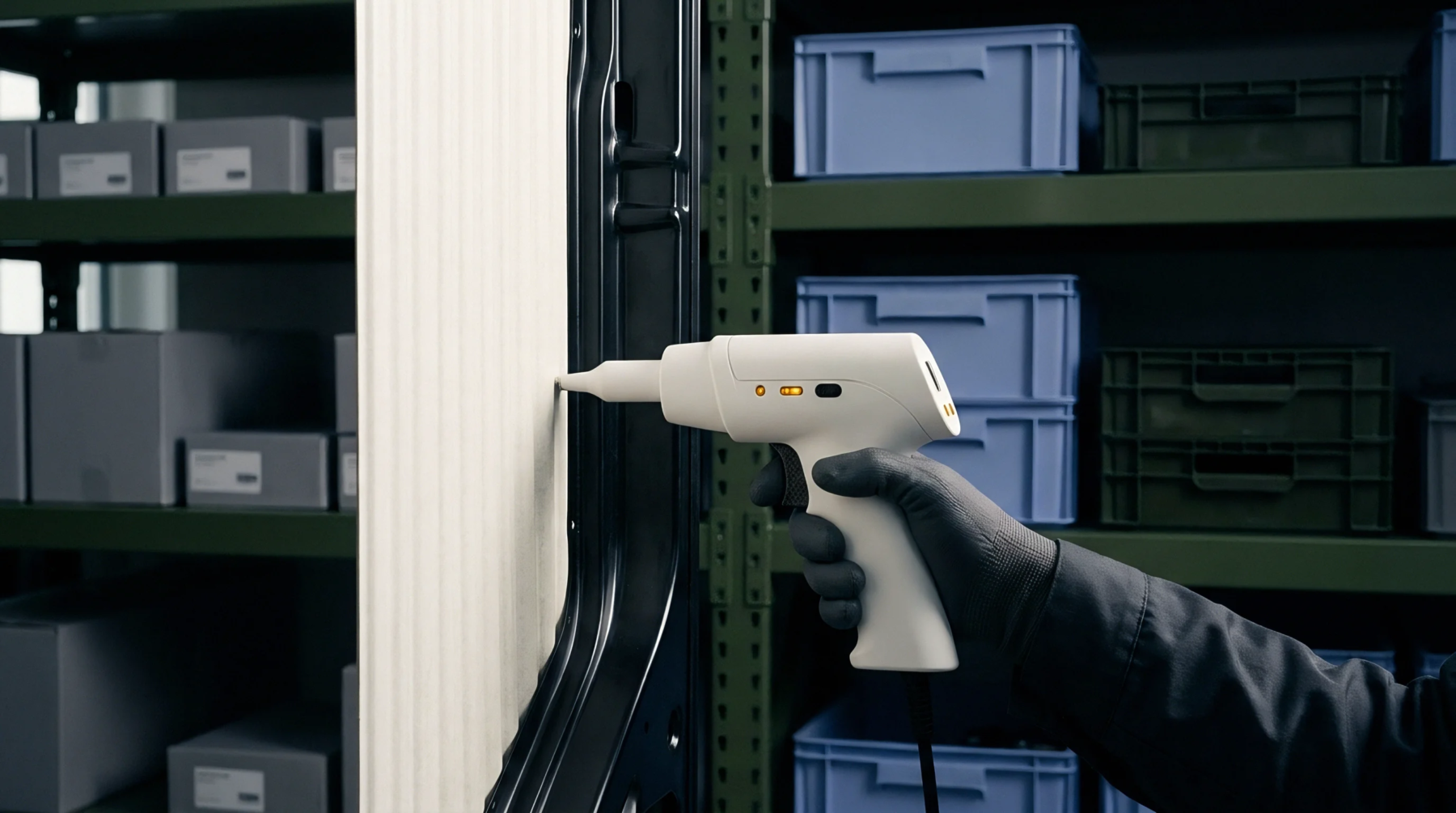
Calculating Total Exposure Ratios for Co Located Transmitters in Handheld Equipment
Multi-radio handheld exposure compliance requires summing normalized SAR values across concurrent transmitters to verify the total exposure ratio stays below unity.
Multi-radio handheld exposure compliance requires summing normalized SAR values across concurrent transmitters to verify the total exposure ratio stays below unity.

Simultaneous transmission SAR evaluation demands spatial ratio summation, proximity sensor backoff calibration, and time-averaged power tracking across radios.

Intermediate host integration requires Class II Permissive Changes when antenna gain, trace layout, or RF exposure separation distances change from original grant conditions.
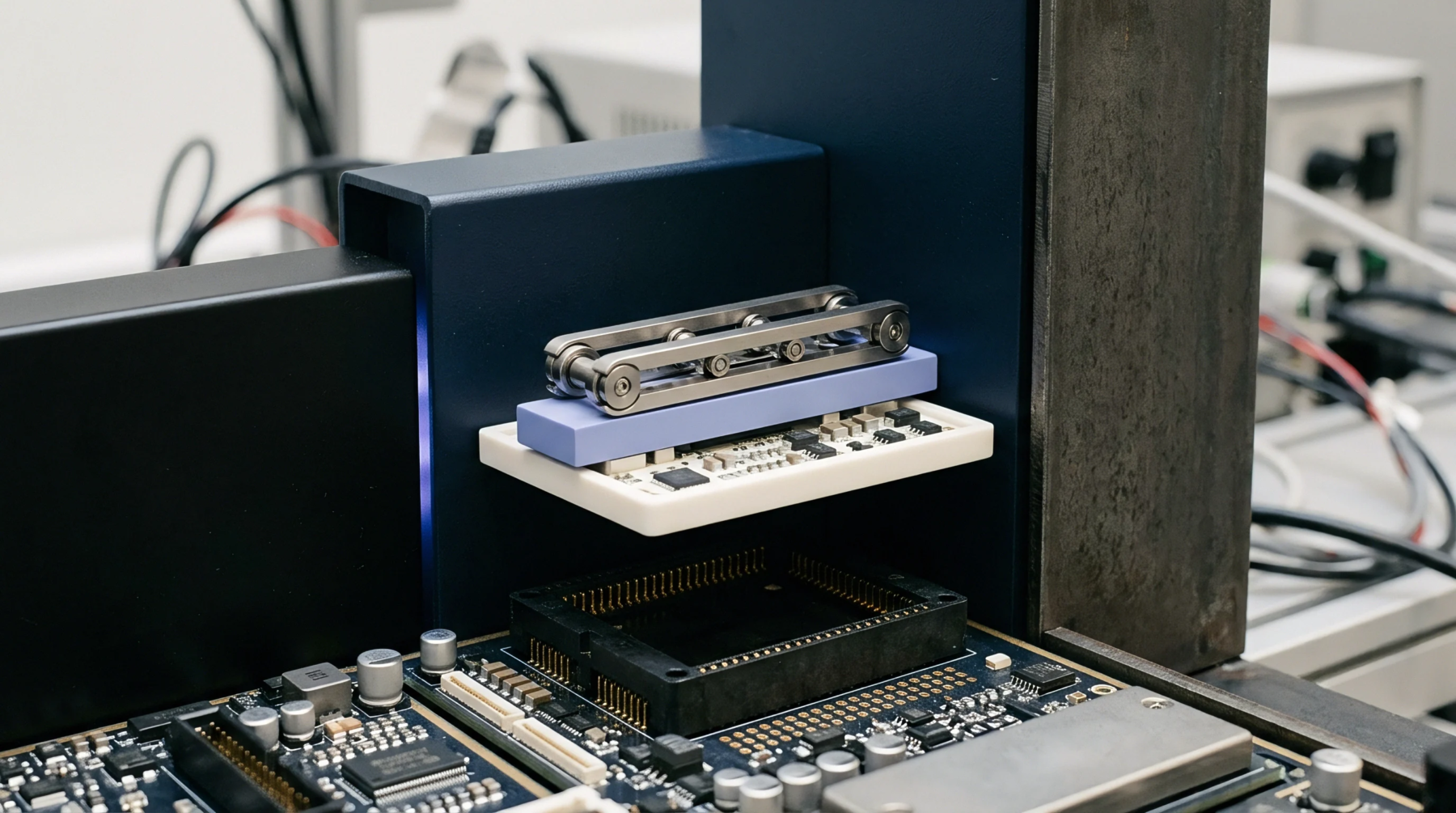
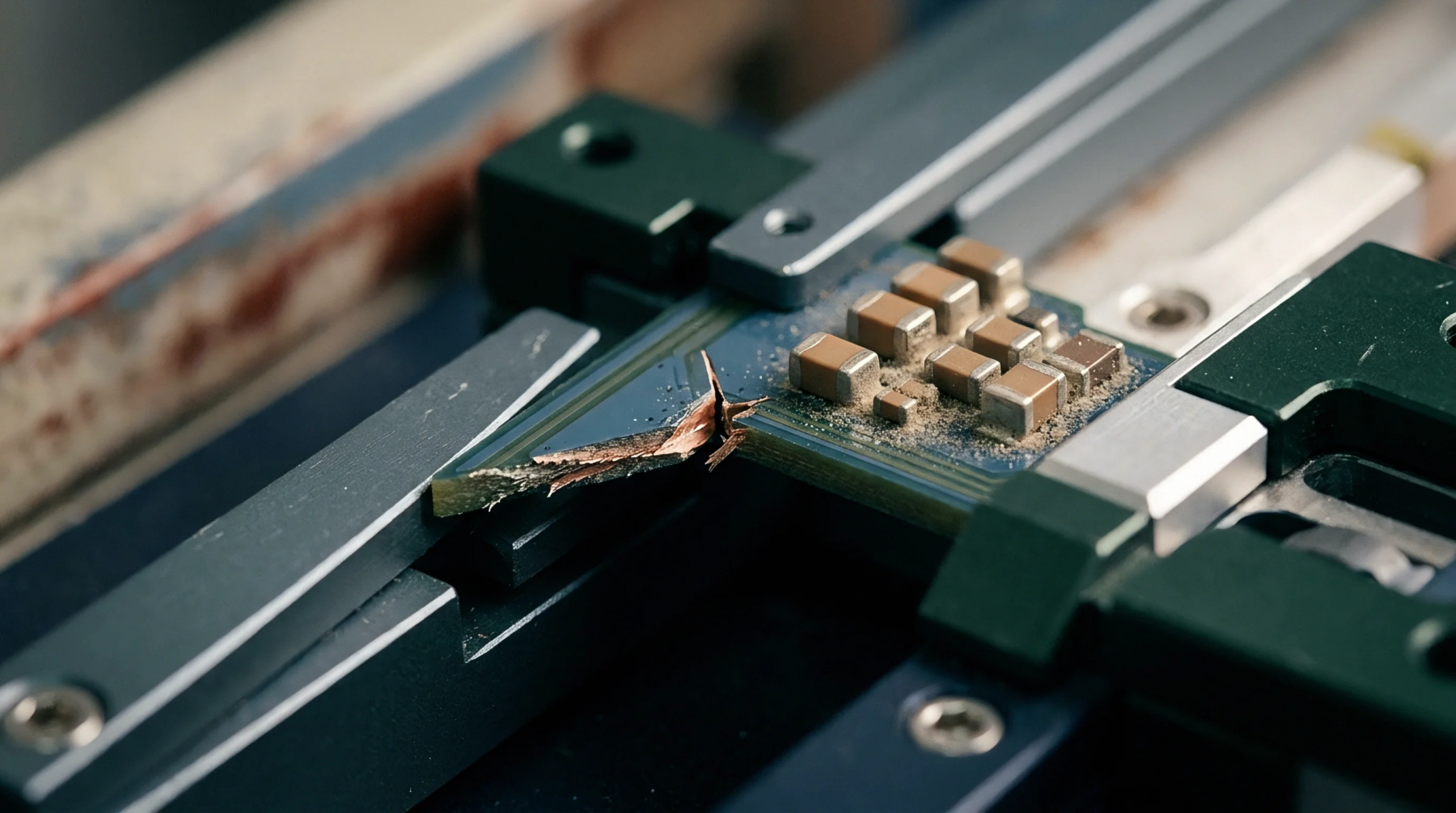
Contact oxide growth adds up to 3 dB insertion loss in RF interconnects, degrading link margin and driving retransmissions unless wiping force exceeds 0.3 N.
Initial contact resistance degradation in RF test sockets increases insertion loss and alters impedance matching, requiring dry-circuit Kelvin monitoring.

Persisting polynomial thermal compensations in non-volatile registers maintains multi-year radio synchronization without exceeding low-power current limits.

Microsecond voltage fall rates above 5 V/µs bypass brownout monitors, corrupting RAM session keys and triggering costly network re-joins.
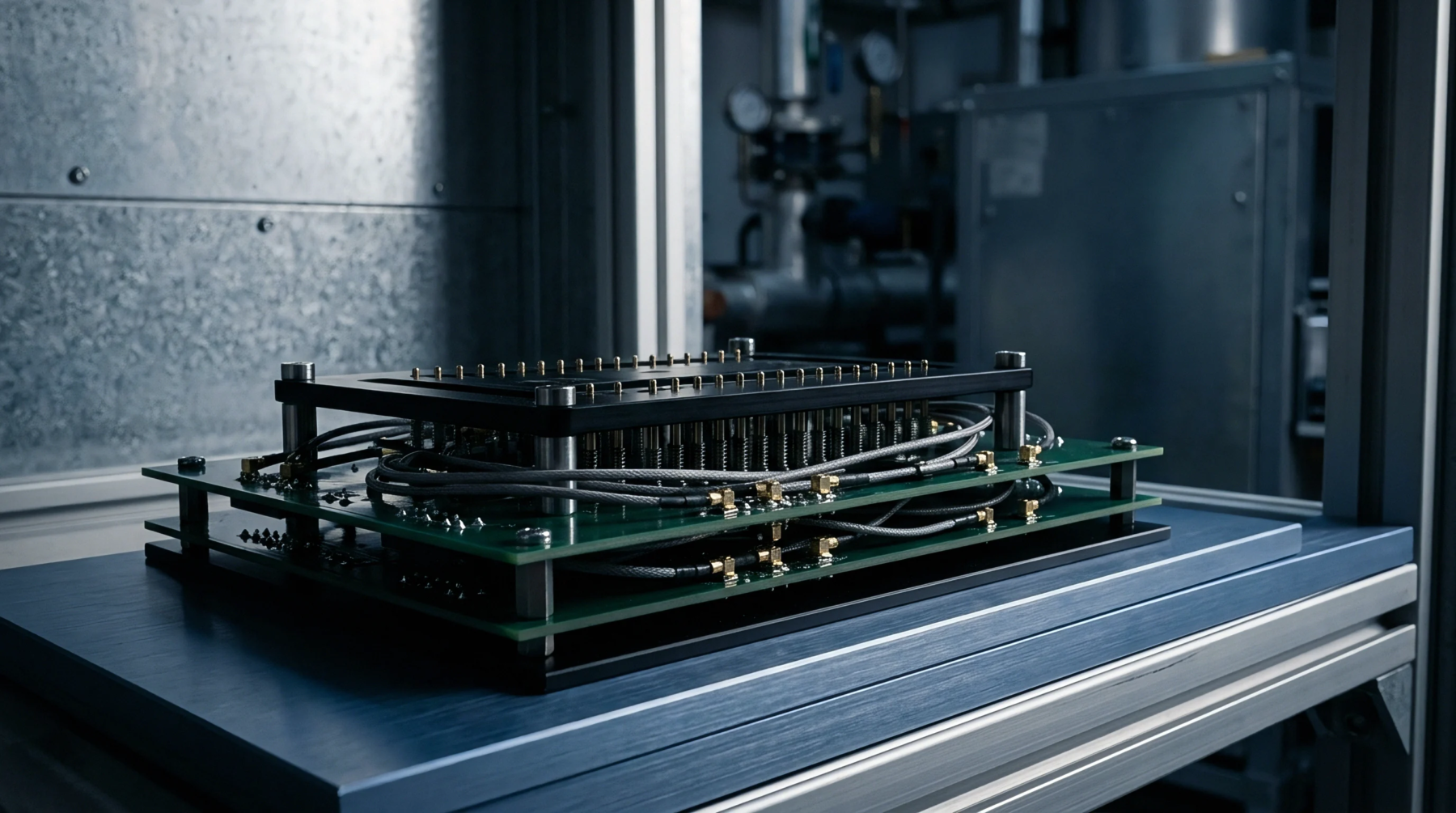
Sizing holdup capacitors for sub-GHz flash writes requires matching peak radio current and erase energy against cold-temperature capacitor ESR drops.

Hardware brownout comparators for sub-GHz transceivers demand sub-microsecond response times and precise trip levels to prevent power amplifier voltage sags.
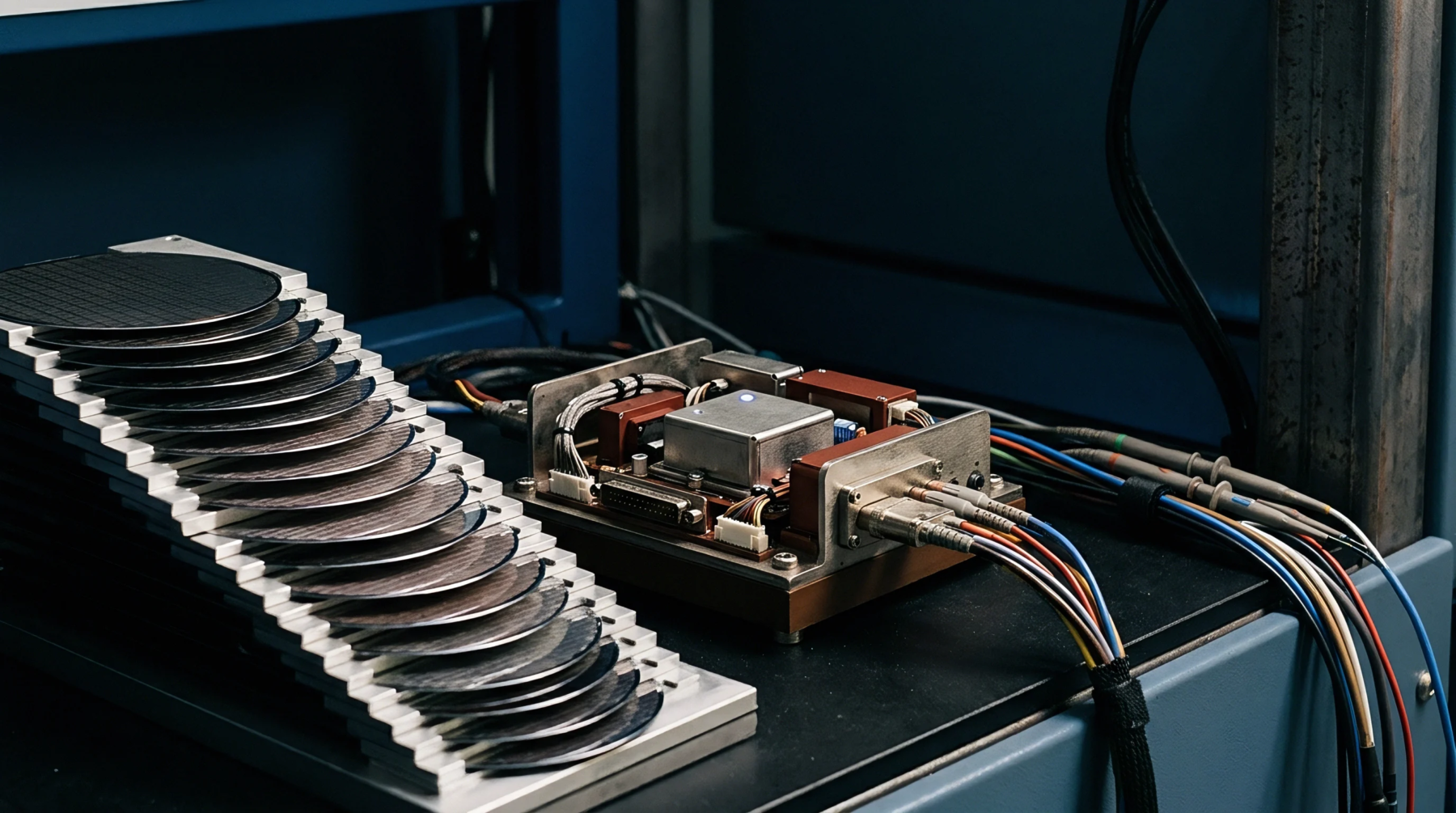
Dielectric breakdown modeling on trap rich silicon requires temperature adjusted voltage acceleration factors to prevent early RF switch gate oxide failure.
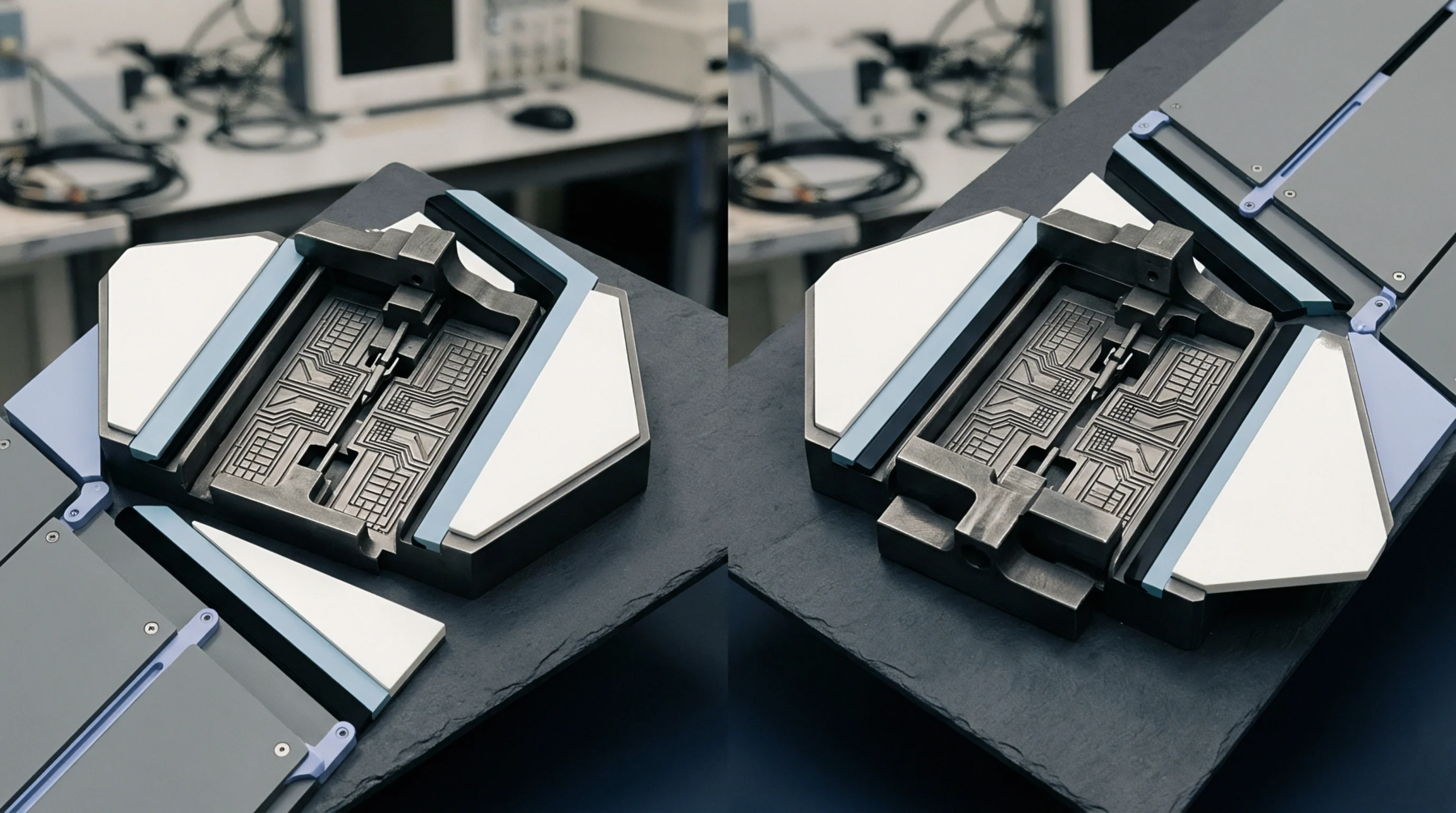
Substrate moisture absorption increases dielectric loss tangent, raising RF interconnect insertion loss and reducing long-term wireless link margins.

Parametric contract clauses allocate unannounced silicon revision risks by linking physical RF and current draw deltas directly to invoice price reductions.

Mitigate seven year eUICC fleet overages by pairing pooled dynamic tariffs with tight TCP socket controls to eliminate session rounding multiplication.

Seven year LTE-M deployment costs depend primarily on battery self-discharge rates, base station reselection energy, and technician field dispatch expenses.
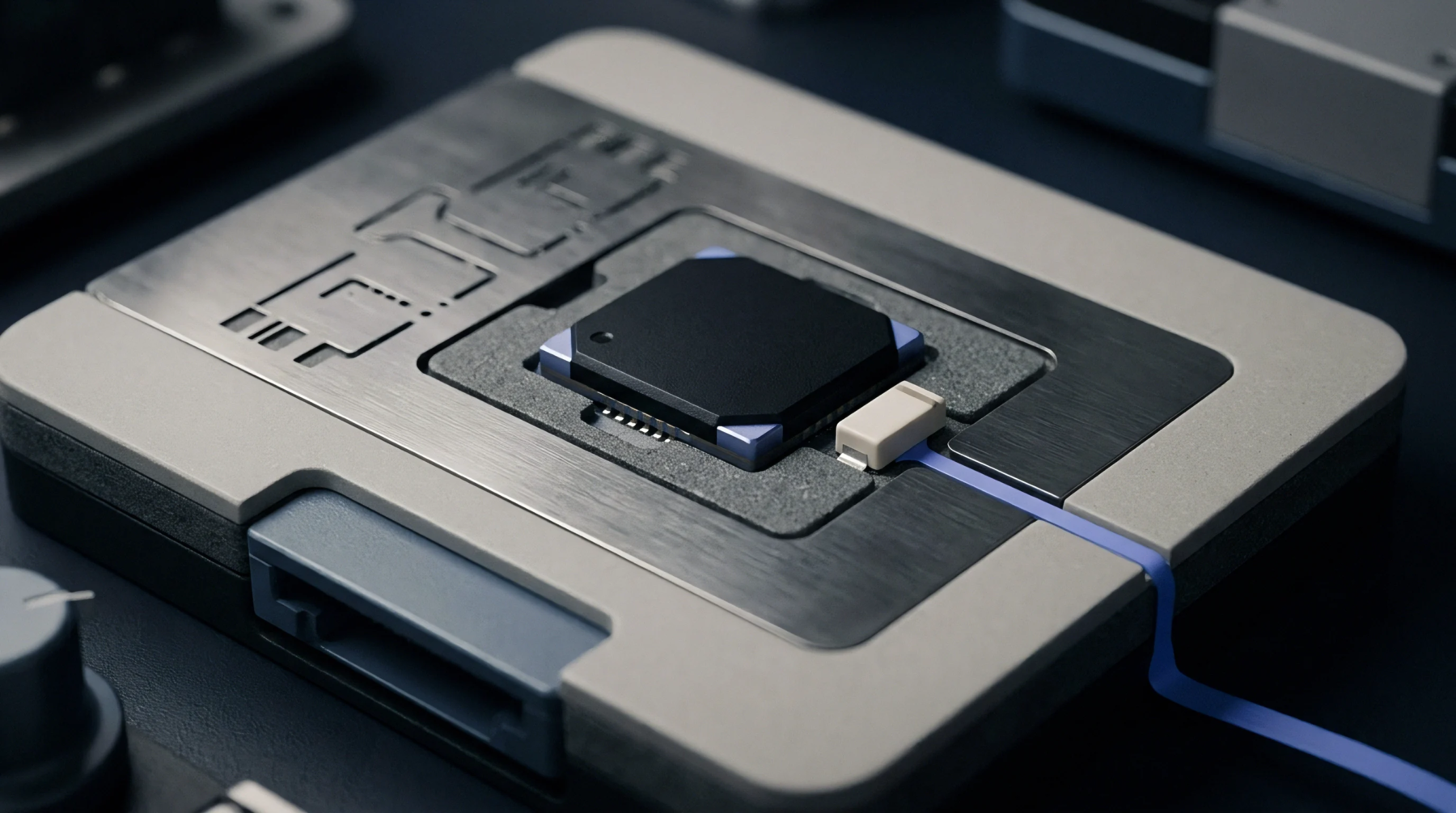
Regional sub-GHz regulatory splits force strict hardware tradeoffs between single wideband BOMs and optimized regional RF front-end variants.
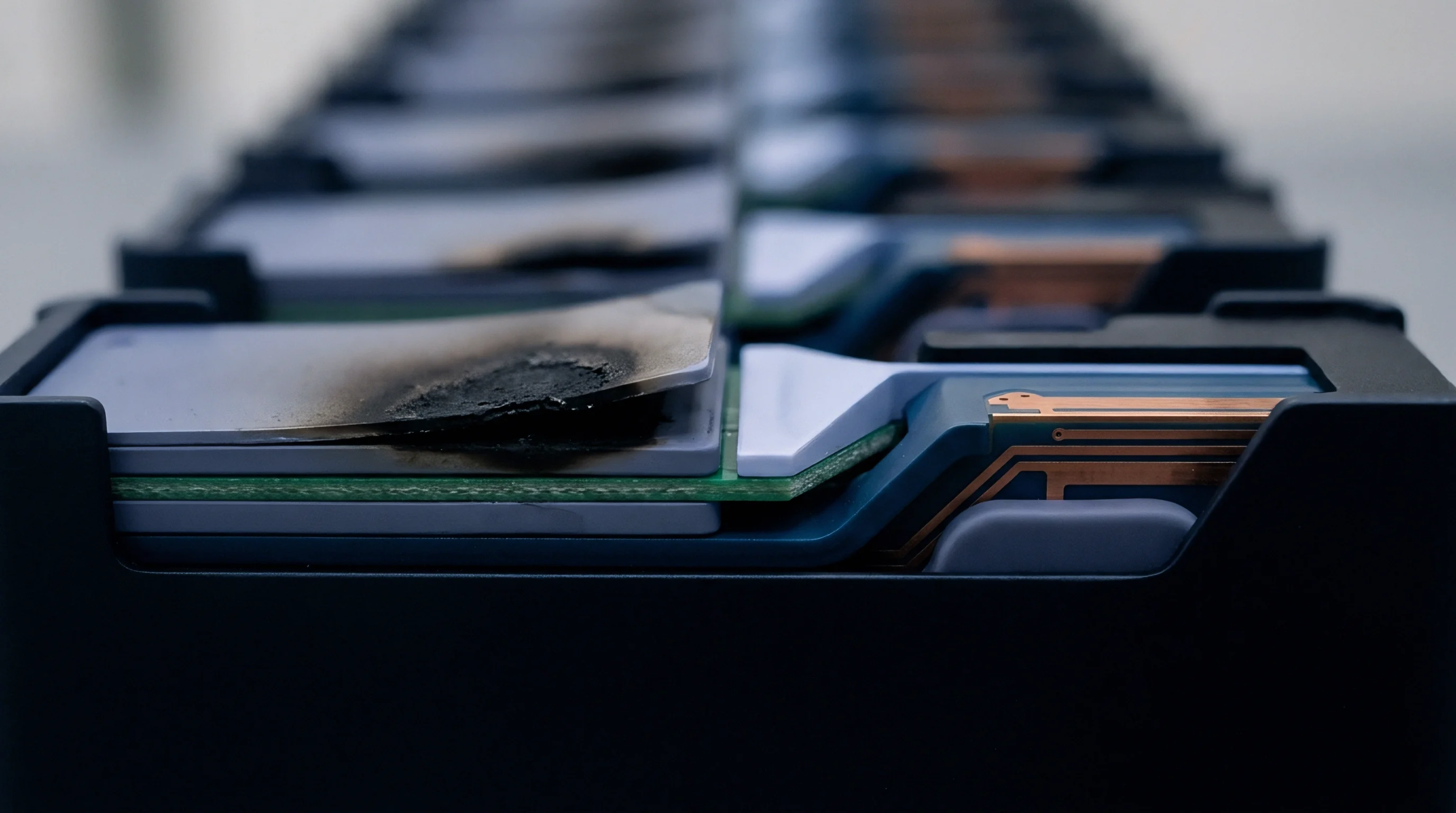
Dynamic rejoining loops drain primary lithium cells via passivation failure and brownout cycles; firmware must enforce passive orphan sleep and backoff limits.

Sub-GHz protocols penetrate structural walls with 10 to 20 dB less attenuation than 2.4 GHz radios, securing long-range low-power indoor links.
Five-year battery claims require balancing microampere sleep floors, primary cell passivation derating, and protocol airtimes across 43,800 hours.
Real Bluetooth range requires subtracting antenna detuning, body loss, and indoor path loss exponents from marketing budgets before ordering silicon.

Standardizing RF front-end pad layouts allows single-PCB hardware deployments across distinct regional sub-GHz band plans without board respins.

Dense Wi-Fi MU-MIMO efficiency requires balancing explicit CSI sounding airtime taxes against payload sizes, favoring OFDMA for small telemetry packets.

Select LTE Cat-M1 for balanced mobility and power, or Cat 1bis for universal global roaming at the cost of higher battery capacity.

Early co-simulation of enclosure dielectric loading and counterpoise geometry prevents costly mold tooling revisions and regulatory recertification delays.

Initial active listening and channel scanning overhead in battery-powered Zigbee end devices can rapidly drain battery reserves prior to network association.
RF micro-coaxial insertion loss escalates through skin-depth resistance, dielectric loss tangent shifts, mechanical flex displacement, and atmospheric oxidation.

Total isotropic sensitivity verification requires spherical anechoic testing to capture housing detuning and active internal EMI desense missed by conducted tests.
Interfacial native oxides create non-linear quantum tunneling barriers across RF contacts, generating passive intermodulation that degrades receiver sensitivity.

Antenna detuning alters PA load impedance, degrading efficiency and thermal headroom across wideband transceivers during high-VSWR operational shifts.
Non-Access Stratum protocol overhead accelerates battery depletion by extending modem active time and triggering RRC inactivity tails after every transmission.

Sub-GHz LoRaWAN spreading factors consume less baseline battery energy than NB-IoT coverage enhancement repetitions in deep indoor deployments.
Expertise is a utility, not a secret. sentiention™ publishes its working knowledge as open reference: intelligence layer covering the materials it sources, the markets it enters, and the reference that serves both.