Meaning
Organizational tiers define the complexity and scope of a hardware assembly as it moves from raw components to a finished product. Integration levels allow manufacturers to manage the testing and qualification requirements at each stage of the build. This structure clarifies who is responsible for the performance of a sub-assembly versus the performance of the whole system.
Component Verification
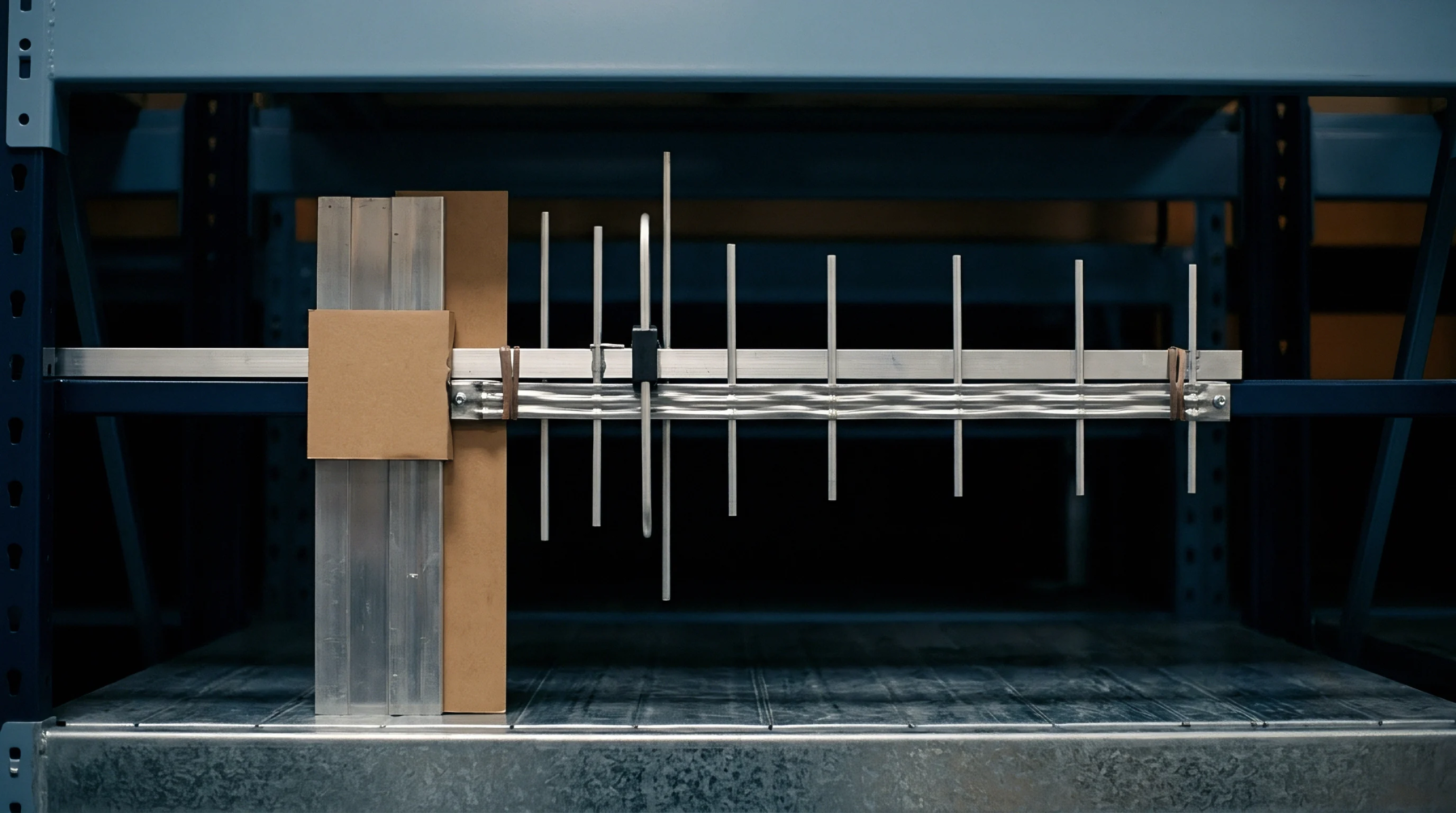
Initial stages focus on the reliability of discrete parts such as radio modules and antennas. At these lower integration levels, testing ensures that every part meets its own specific data sheet requirements before it is buried in a larger housing. Finding a defect here is significantly cheaper than finding it in a finished unit.
Every component must pass its own gate.
System Consolidation
Intermediate stages involve combining several qualified modules into a functional sub-system with its own set of interfaces. Performance at these integration levels depends on the interaction between components, such as the thermal dissipation of a board within its enclosure. Success is measured by how well the different parts work together under simulated load.
Final Certification
The highest stage represents the completed product in its shipping configuration ready for the customer. Reaching the final integration levels requires testing of the software and hardware as a single unit.