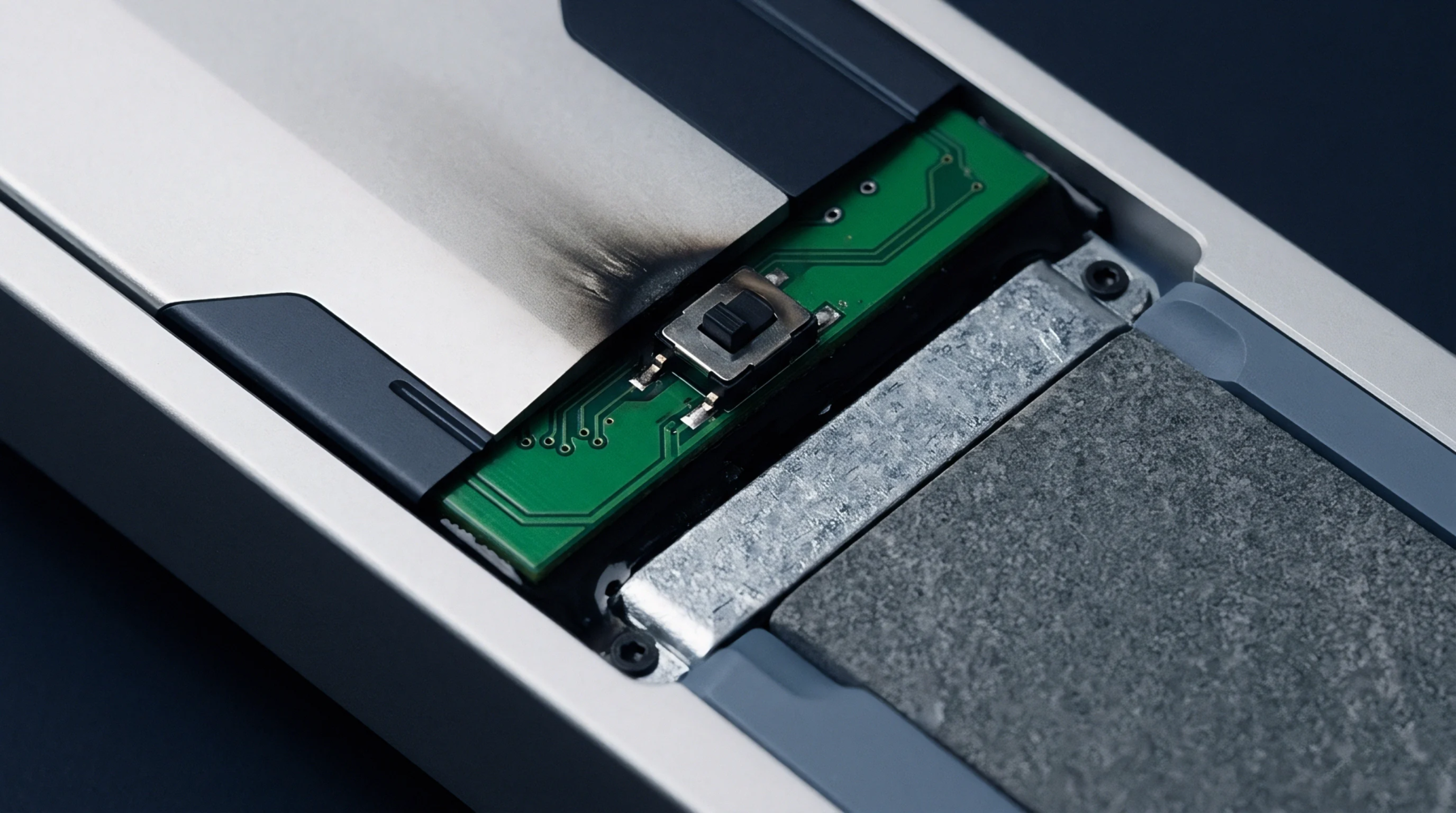
Quantifying Microelectronic Latent Defect Indemnity Recovery across Contract Boundaries
Latent defect recovery requires proving pre-handover physical origin via failure analysis and breaching liability caps via explicit epidemic carve-out terms.
Contractual risk allocation clauses protect buyers against financial losses caused by manufacturing flaws that remain hidden during standard factory acceptance inspections and surface only after deployment. Procurement executives incorporate latent defect indemnity into supply agreements for custom electronics assemblies, radio modules, and specialized silicon components. The provision defines vendor liability, reimbursement mechanics, and remediation procedures for systemic design, material, or process defects that escape factory testing protocols.
The scope excludes ordinary wear and tear, operational abuse, improper system integration, and defects discoverable through reasonable incoming inspection procedures.
Commercial supply agreements establish strict financial liabilities to handle post-delivery failure events that bypass line screening. Under latent defect indemnity terms, the vendor assumes financial responsibility for the comprehensive direct damages caused by hidden design or production flaws, including product recall campaigns, field technician dispatch costs, logistics handling, and finished device scrap expenses. The recovery mechanism activates when failures exceed an agreed batch epidemic failure threshold, typically set between one and three percent of shipped lots.
Traditional warranty provisions limit remedies to component repair or replacement, whereas this indemnification mechanism covers the wider operational losses sustained by the buyer. Negotiated liability caps, often established as a multiple of annual contract value or covered by dedicated product liability insurance policies, set the maximum exposure.
Modern surface mount assemblies contain microscopic vulnerabilities that survive automated optical inspection, in-circuit testing, and functional burn-in tests without displaying operational anomalies. Through the exposure governed by latent defect indemnity, faults such as microscopic solder joint voiding, micro-cracks in multi-layer ceramic capacitors, or intermittent wire bonds escape initial testing only to cause catastrophic failures after months of environmental thermal cycling. Delamination within hidden inner layers of printed circuit boards provides another escape path, eventually failing via conductive anodic filament growth under field humidity.
The buyer cannot identify these latent vulnerabilities during standard non-destructive incoming lot inspections without conducting destructive cross-sectioning on sample fractions. Once devices enter end-user service, thermal and mechanical cycling accelerates the physical defect into an active circuit failure.
Legal and quality engineering teams collaborate to document the chain of evidence necessary to trigger reimbursement remedies. Standard dispute processes require the buyer to supply an eight-discipline failure analysis report containing conclusive physical evidence, such as cross-sectional micrographs, linking field returns directly to manufacturing anomalies rather than field misuse. The vendor receives a specified investigation window to replicate the failure mode using retained manufacturing lot samples and examine production trace logs.
Agreement on root causality releases financial obligations requiring the vendor to deposit indemnification payments, issue credit memos, or replace compromised inventory batches. Execution of the indemnity agreement concludes the formal remediation process for systemic component failure escapes.
Latent defect recovery requires proving pre-handover physical origin via failure analysis and breaching liability caps via explicit epidemic carve-out terms.
Expertise is a utility, not a secret. sentiention™ publishes its working knowledge as open reference: intelligence layer covering the materials it sources, the markets it enters, and the reference that serves both.