Meaning
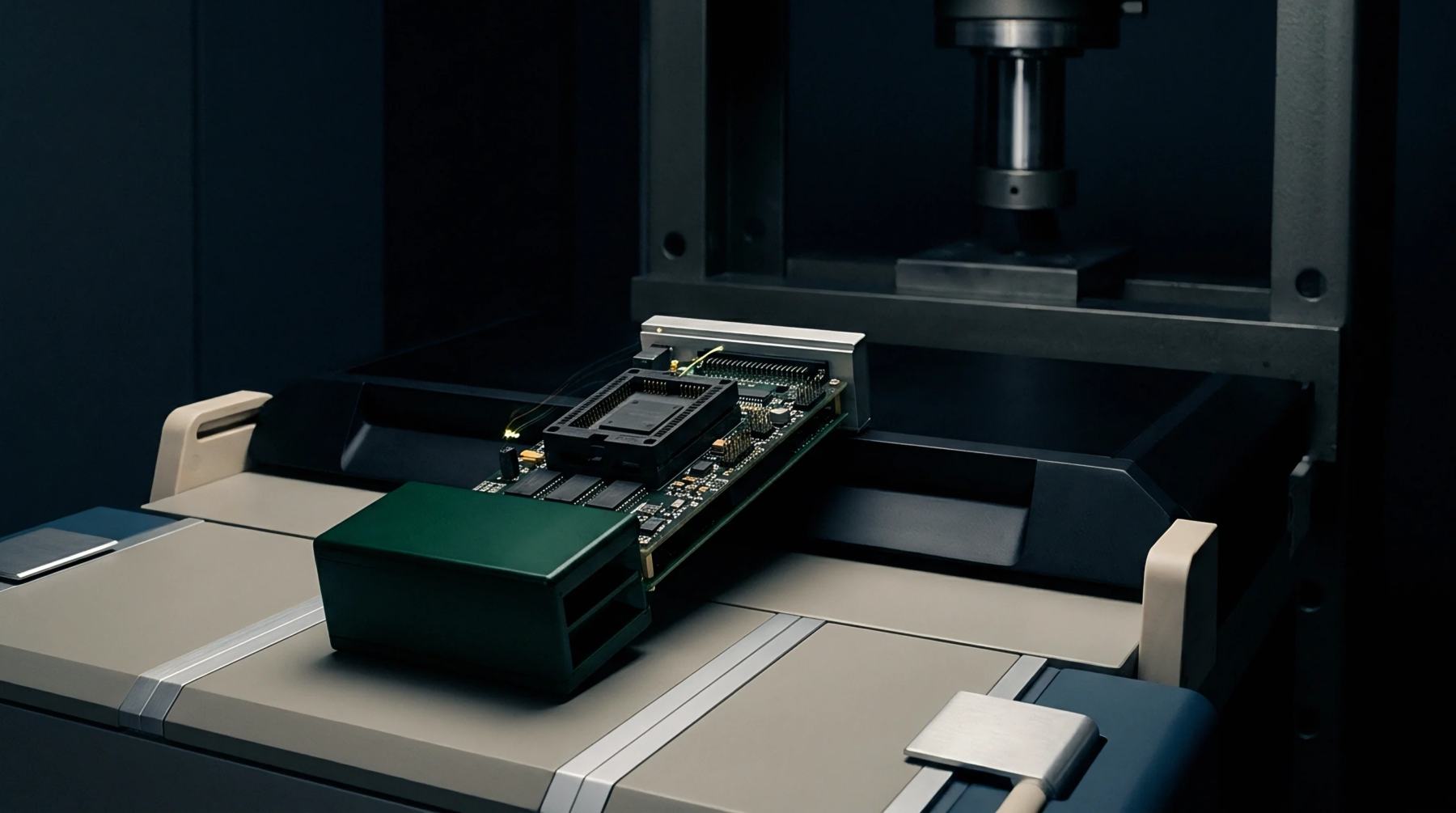
Financial separation practices isolate one-time development and tooling expenses from the ongoing per-unit manufacturing costs in supply agreements. Utilizing non-recurring engineering unbundling allows a purchasing organization to pay for custom molds, software development, and test fixtures as distinct upfront capital items. This approach prevents these temporary development expenses from being amortized into the long-term unit price of the manufactured product.
Cost Clarity
Transparency in supply chain pricing improves when the initial design costs do not influence the volume-based pricing tier. By implementing non-recurring engineering unbundling, procurement teams can negotiate the lowest possible variable cost per unit. This separation simplifies the evaluation of supplier bids by ensuring that all proposals are compared on a raw material and assembly basis.
Supplier Negotiation
Sourcing teams gain leverage during contract renewals when they own the designs and tooling outright. This ownership is established by paying for the engineering work upfront through separate invoices.
Asset Lifecycle
Capitalizing custom tooling as a separate asset on the corporate balance sheet allows for depreciation schedules that reflect its actual wear and tear. If production volume declines, the buyer can transfer the tool to an alternative manufacturing site without paying penalty fees for unamortized engineering costs. This flexibility reduces the financial risk of vendor lock-in.