Meaning
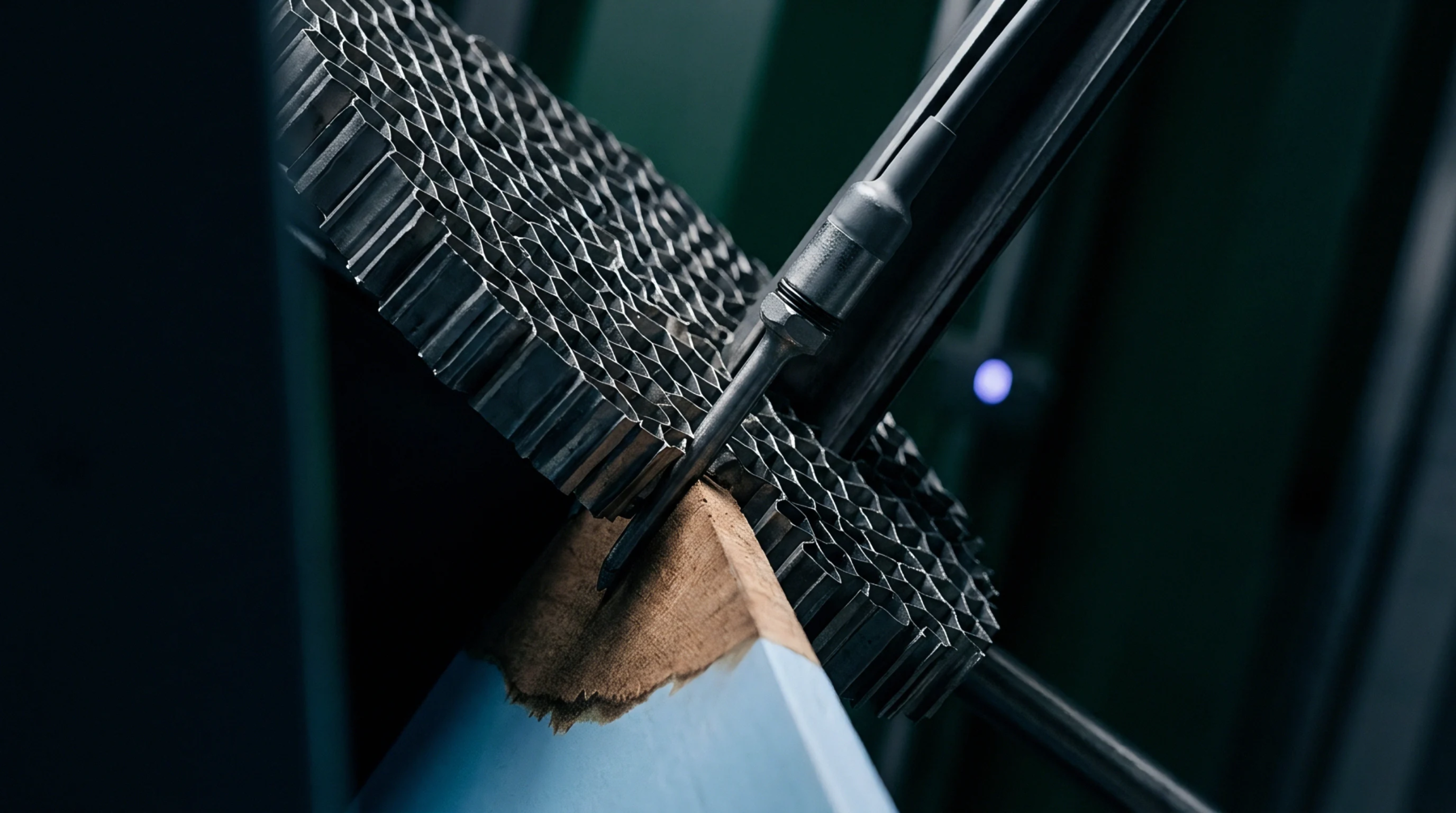
Partially cured fiberglass cloth impregnated with epoxy resin bonds adjacent copper foil layers during multi-layer printed circuit board lamination. During high-temperature pressing, prepreg flows to fill etching voids between copper traces before curing completely into a rigid dielectric layer. Board designers select specific prepreg glass styles to control finished board thickness and maintain targeted dielectric constant values across RF signal traces.
This material definition applies to uncured B-stage bonding sheets before panel pressing, terminating when full thermoset cross-linking creates a fully cured C-stage core substrate.
Resin Flow
Viscosity changes during the vacuum lamination heat profile dictate how effectively prepreg fills spaces between inner layer copper features. Insufficient resin flow leaves micro-voids that lead to dielectric breakdown under high voltage stress or thermal cycling. Excessive flow squeezes resin out of board edges, reducing final insulation distance between plane layers.
Glass style selections alter resin content ratios, directly influencing flow characteristics during panel lamination cycles.
Dielectric Thickness
Final pressed dielectric height depends on glass weave type and applied lamination pressure. Accurate prepreg selection ensures consistent impedance across high-speed differential signal pairs.
Lamination Pressure
Hydrostatic pressure applied during curing forces entrapped air out of the stackup. Uniform pressure distribution prevents localized thickness variations across multi-layer wireless product circuit boards.