Meaning
Technical process of choosing the appropriate substrate materials based on frequency, loss budget, or thermal requirements. RF laminate selection involves evaluating dielectric constants, dissipation factors, and the coefficient of thermal expansion to ensure system performance. This decision impacts the physical size of antennas, the power efficiency of amplifiers, the heat dissipation profiles and the overall cost.
The selection process must balance the electrical benefits of high-end materials against the mechanical challenges they might introduce during fabrication.
Signal Integrity
Attenuation is the primary driver when determining which material to use for a specific design. Effective RF laminate selection minimizes insertion loss by choosing materials with a low dissipation factor at the target operating frequency. This is critical for battery-powered devices where every decibel of saved power extends the operating life.
The stability of the dielectric constant over temperature is also a major factor in maintaining frequency accuracy.
Operating Environment
Conditions like humidity and temperature range influence the long-term reliability of the chosen material. RF laminate selection must account for moisture absorption, which can significantly alter the dielectric properties and increase loss over time. High-reliability applications in aerospace or automotive sectors require materials that can withstand extreme thermal cycling without delamination.
The chosen substrate must also be compatible with the assembly processes, such as reflow soldering and wire bonding.
Total Cost
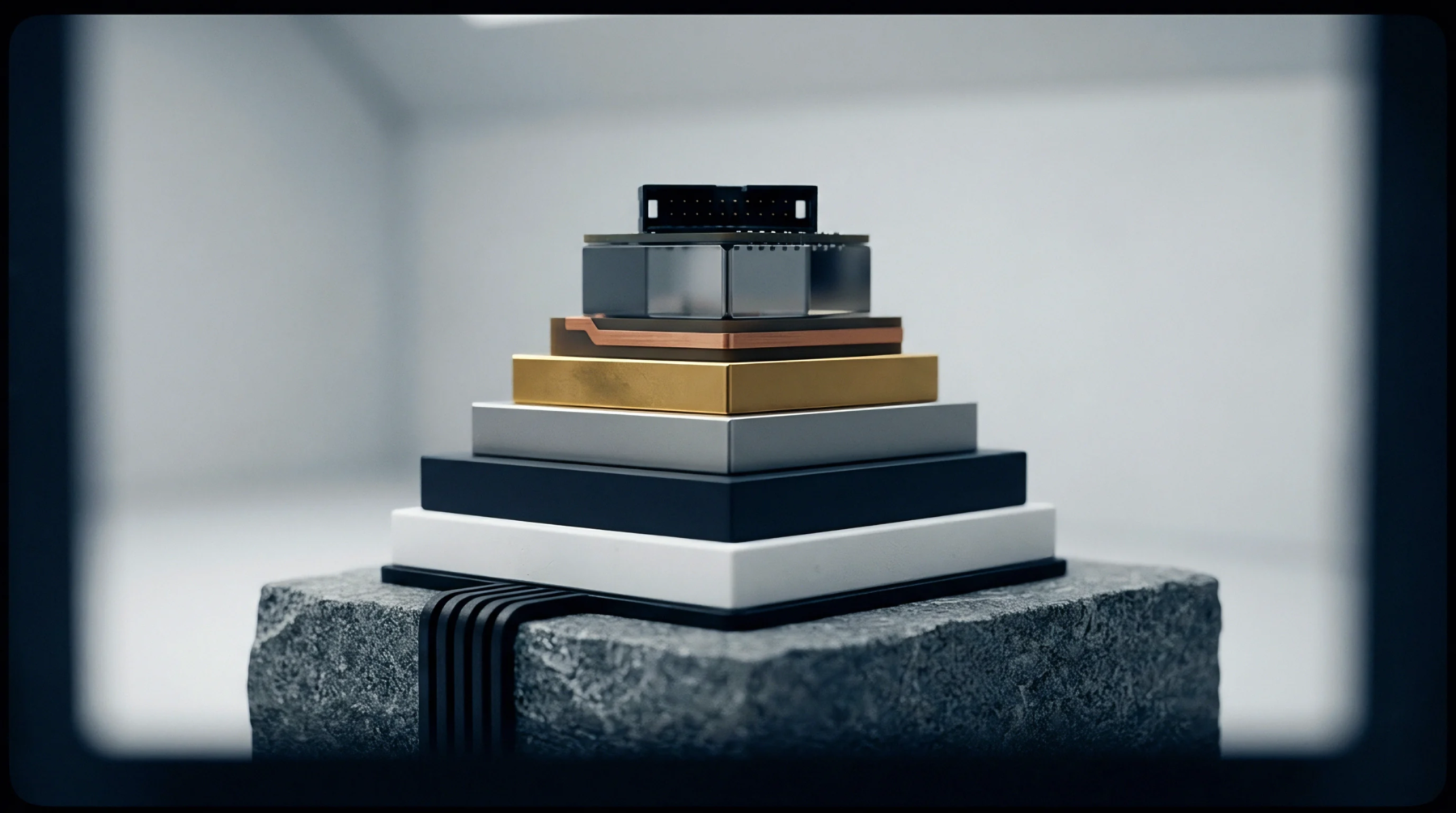
Product expenditure is often determined by the complexity of the material stack-up. Intelligent RF laminate selection may involve using high-performance materials only on the layers where they are absolutely necessary. This hybrid approach allows for the use of standard materials for power and low-speed signals while reserving the expensive laminates for critical paths.
It reduces the material expenditure while maintaining the required electrical performance for the wireless interface.