Calculating Dimensional Drift in Precision Cast Aluminum Tooling Assemblies
Total assembly drift equals the vector sum of residual stress release, thermal creep, and joint slip, demanding empirical metrology validation after thermal soak.
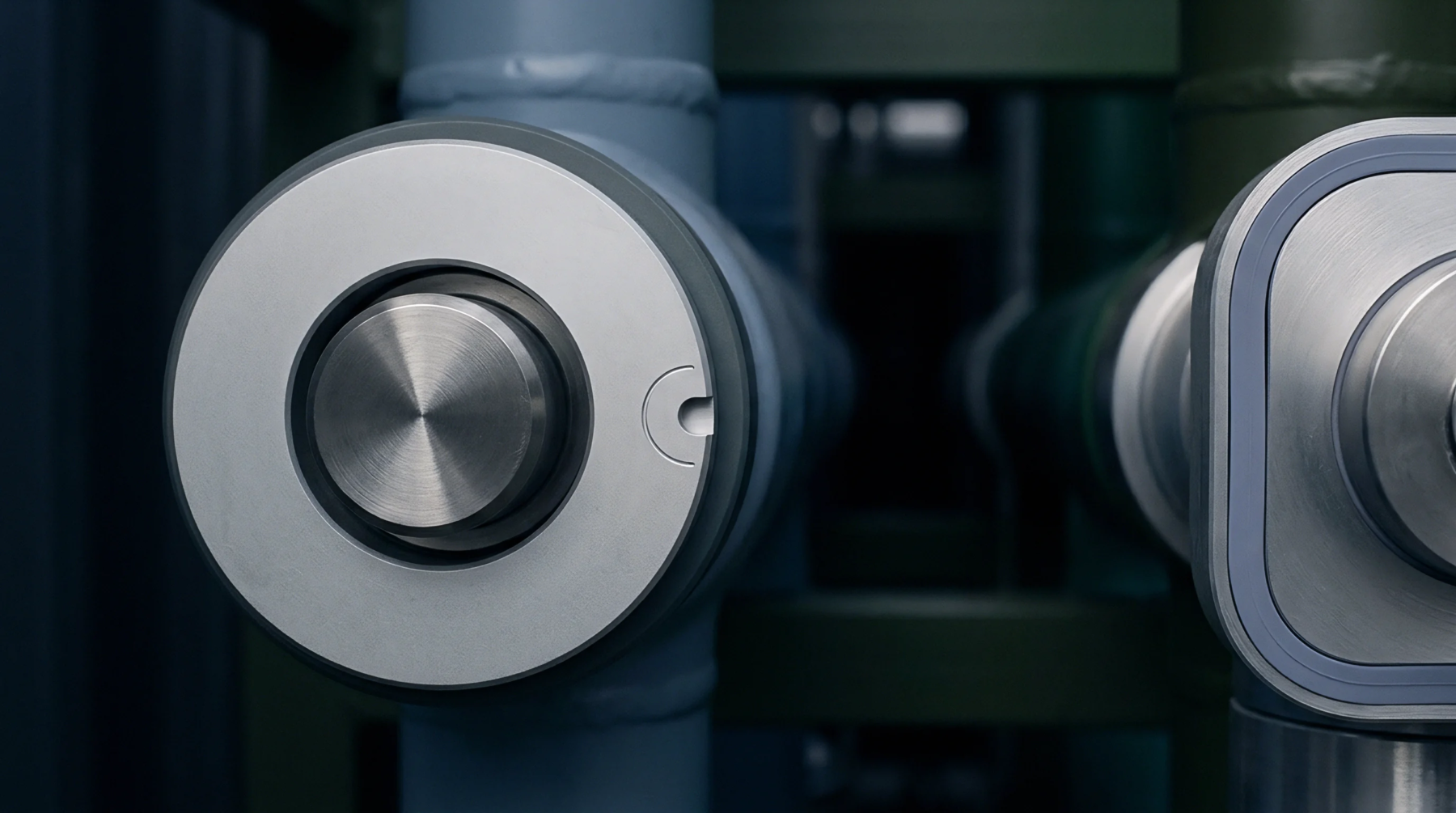
Retaining hardware components designed with lateral cutaways permit precise radial positioning during the mechanical assembly of radio frequency chassis enclosures. Slotted bushings provide adjustable mechanical interface alignment by absorbing dimensional variances between stamped metal brackets and machined filter blocks. Thermal expansion mismatches across mixed metal joints create mechanical stress that compromises ground path integrity inside outdoor base station housings.
Slotted bushings accommodate differential expansion through controlled lateral sliding before final torque application locks the assembly. Precision casting tolerances cannot eliminate cumulative stackup errors across multi-card modular radio architectures without compliant mounting features. Slotted bushings compensate for positioning drift by allowing incremental lateral adjustment prior to the hardware qualification signoff.
Operating temperatures inside outdoor telecommunication cabinets generate continuous dimensional shifts across aluminum chassis walls and printed circuit board substrates. Slotted bushings mitigate thermal shear by maintaining constant fastener clamping force while permitting microscopic relative movement between joined housing panels. Mechanical fastening sequences require careful torque calibration to prevent over-compression of the compliant element during high temperature soak testing.
Thermal cycling endurance reports confirm that compliant retention hardware prevents solder joint fatigue on high frequency transceiver modules. Heat dissipation pathways remain uninterrupted because the lateral freedom preserves the thermal paste boundary under cyclic loading conditions.
Mechanical integration of filter cavities onto stamped chassis frames demands zero-clearance alignment to preserve radio frequency shielding effectiveness. Slotted bushings decouple hole position tolerances from fastener clamping vectors during the final production line assembly sequence. Manufacturing variability in sheet metal bending operations creates angular misalignments that rigid standoffs convert into permanent structural stress.
Slotted bushings neutralize angular offset by rotating slightly inside the mounting aperture before the threaded stud reaches final tension. Production tooling verification protocols measure assembly slot clearance limits using standardized go no-go gauges during the station readiness audit.
System level qualification requires mechanical fasteners to withstand high vibration profiles specified in telecommunications infrastructure standards. Slotted bushings achieve vibration resistance through friction grip clamping rather than interference fits that risk cracking delicate dielectric filter housings. Supplier quality documentation mandates destructive pull testing to verify that the lateral cutaway preserves tensile strength ratings under maximum operating loads.
Slotted bushings pass salt spray corrosion resistance tests by employing passivated stainless steel alloys that prevent galvanic reaction with surrounding aluminum enclosures. Final electrical continuity verification confirms that low resistance ground paths survive extreme mechanical shock testing without degradation.
Total assembly drift equals the vector sum of residual stress release, thermal creep, and joint slip, demanding empirical metrology validation after thermal soak.
Expertise is a utility, not a secret. sentiention™ publishes its working knowledge as open reference: intelligence layer covering the materials it sources, the markets it enters, and the reference that serves both.