Meaning
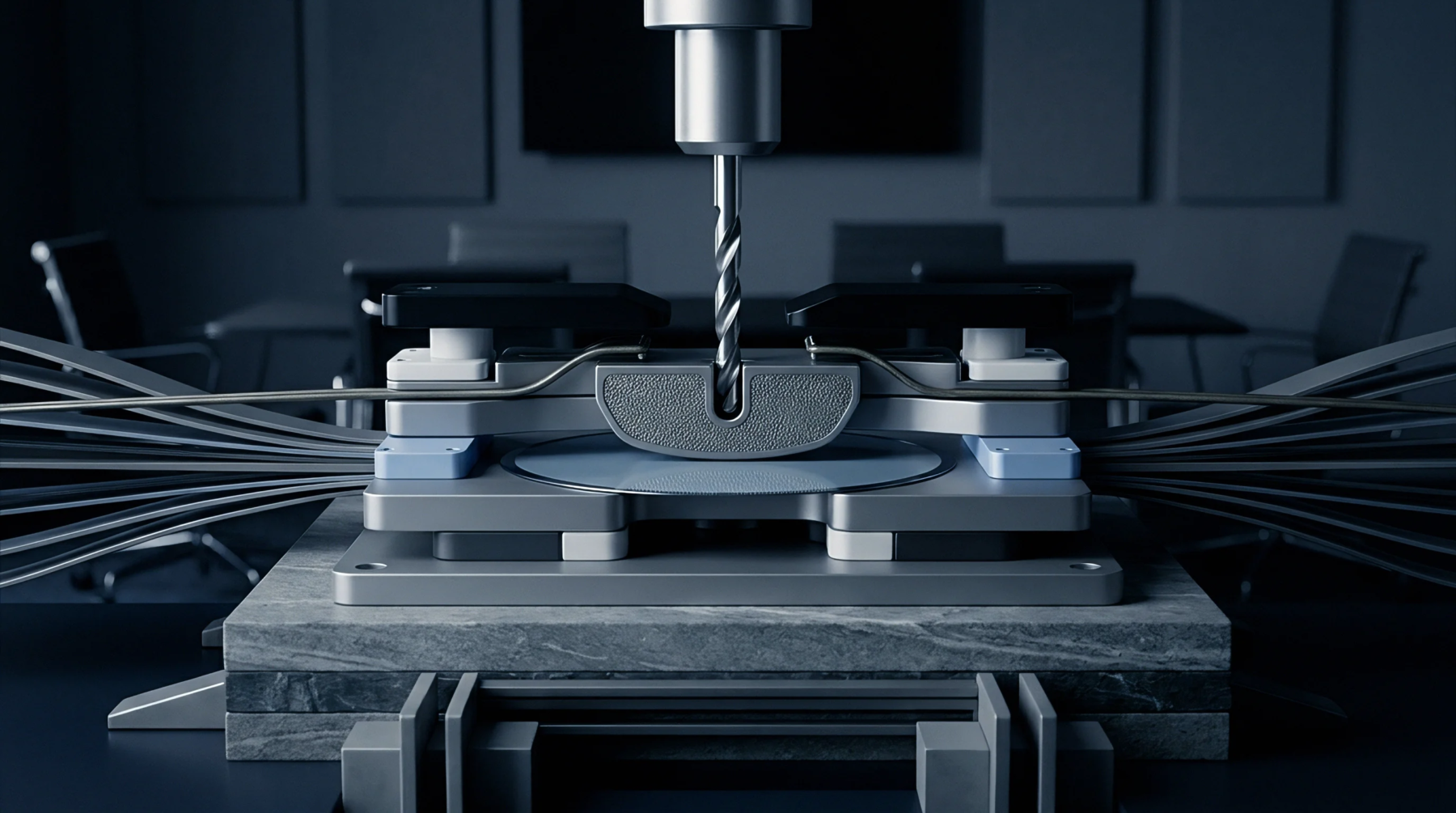
Fine-tuning of an electrical parameter occurs after the initial manufacturing process to bring a device within its target specifications. Calibration lands. In the production of precision analog circuits, trim allows for the correction of offsets and gain errors caused by process variations.
It is the process that converts a functional part into a high-precision component.
Accuracy Refinement
Targeted adjustments reduce the variance in reference voltages or oscillator frequencies. A connectivity module might require a precise carrier frequency that the standard fabrication process cannot guarantee. By applying a trim, the manufacturer can narrow the distribution of performance across thousands of units.
Adjustment Mechanism
Physical changes are made using lasers to cut thin-film resistors or by blowing electrical fuses to change a digital setting. Laser trimming removes material to increase resistance, while electronic trimming modifies non-volatile memory bits that control internal networks. These permanent changes lock the device into its calibrated state before it is shipped.
Stability Assurance
Reliable operation over the life of the product requires that the adjustment remains permanent. Heat and humidity must not alter the trimmed state, as any shift would re-introduce the errors. Final testing verifies that the trimmed parameters stay within the designated guard bands under environmental stress.