Meaning
Contractual and operational handover frameworks govern the formal shift of intellectual property, production tooling, and testing records between manufacturing entities. Executed during product transitions, asset transfer procedures define the exact point where physical equipment, calibration matrices, and design documentation move from an engineering provider to a production partner. The scope includes verifying equipment calibration, transferring proprietary test software, and assigning warranty liabilities for embedded assembly equipment.
These controls stop at operational acceptance, leaving routine yield management to standard factory quality systems.
Ownership Boundary
Manufacturing transfers require explicit physical and financial demarcation between participating corporate entities. Written asset transfer procedures assign financial liability for tooling wear, transit damage, and calibration drift during transport. Hardware assets remain the responsibility of the originator until the receiving facility completes incoming functional checks and signs the transfer certificate.
Acceptance criteria must be met on the receiver bench prior to final signoff.
Validation Protocol
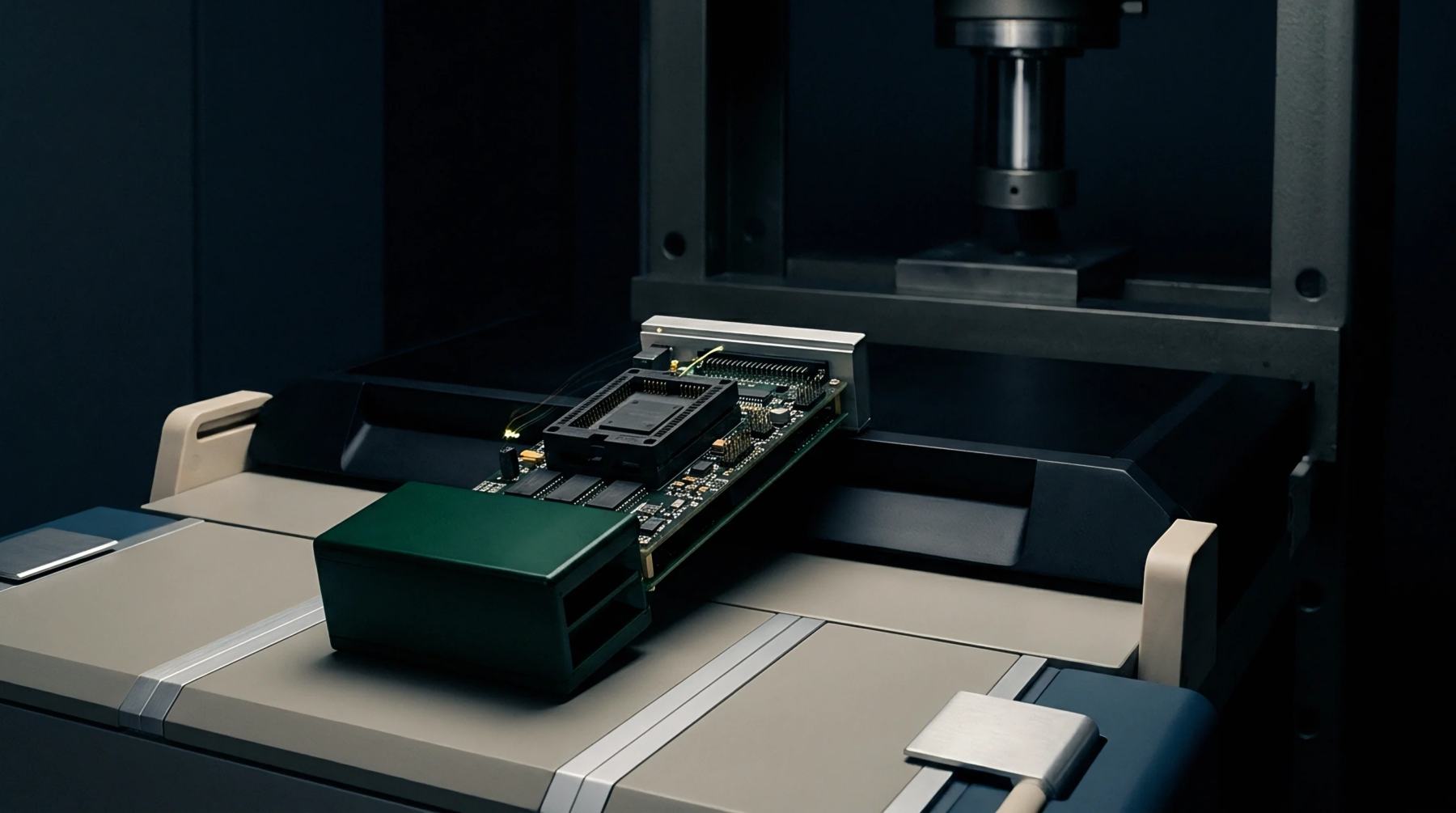
Receiving production lines must verify that transferred automated test fixtures and programming jigs duplicate original yield baseline metrics. Verification of asset transfer procedures relies on running golden units through inherited test stations to confirm measurement repeatability across both locations. Discrepancies in measurement floors demand joint failure analysis before line qualification completes.
When test software binaries differ from source repositories, production halts until checksums match across both sites. Calibration certificates for RF equipment must be revalidated against local metrology standards.
Compliance Record
Handover documentation establishes an auditable history for ISO quality management and regulatory submissions. Documented asset transfer procedures require executed signoff sheets, equipment serial number registers, and software revision logs attached to the final bill of materials. Auditing teams review these records during factory qualification audits to ensure traceability of embedded devices.
Incomplete transfer files trigger hold states that prevent commercial product shipment.