Meaning
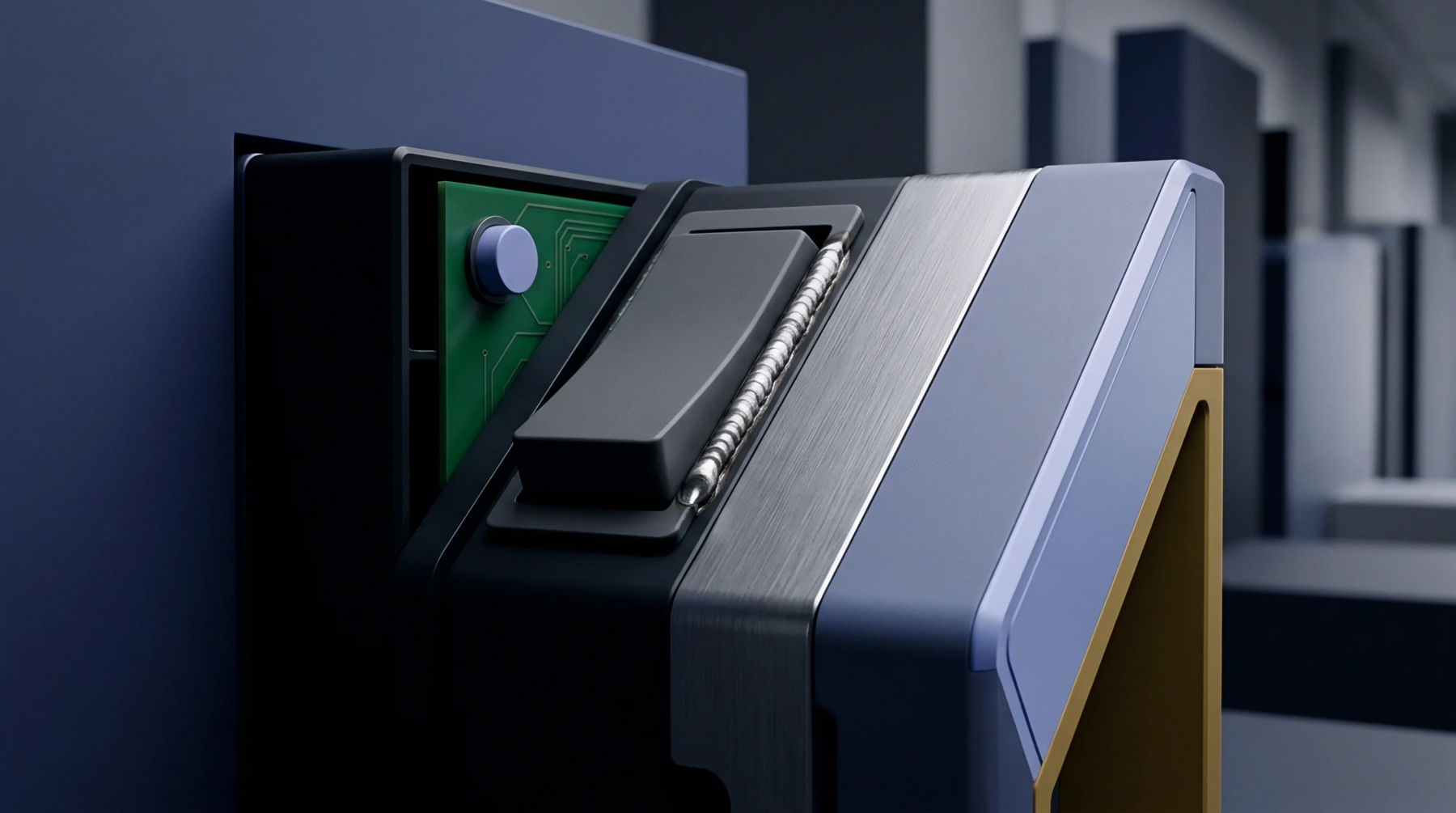
Angular drift in directional electromagnetic or optical transmissions results from localized changes in refractive index or physical structural shifts. Beam wander measures the spatial displacement of a focused signal peak away from the center of a receiving antenna or optical sensor array over time. Enclosures housing millimeter wave modules experience thermal expansion that shifts the internal phased array relative to the radome.
The metric ceases to apply when total signal loss occurs due to complete spatial decoupling.
Thermal Displacement
Temperature gradients across an outdoor radio housing create uneven mechanical strain on internal PCB mounts. This physical deformation induces beam wander during high power operation, shifting the main beam lobe by several milliradians. RF engineers model thermal expansion patterns to position beamforming ICs where mechanical stability is highest.
Interface Margin
Receiver sensitivity design must account for spatial alignment variations. Accounting for beam wander requires widening the acceptance angle of the receiving antenna array, which introduces additional noise into the front end amplifier.
Alignment Tolerancing
Factory calibration procedures measure spatial beam deviation under simulated thermal loading. Test fixtures verify that beam wander remains within the acceptable spatial budget during environmental stress screening. Mounting hardware tolerances directly govern the magnitude of angular drift observed across operating temperature ranges.