Meaning
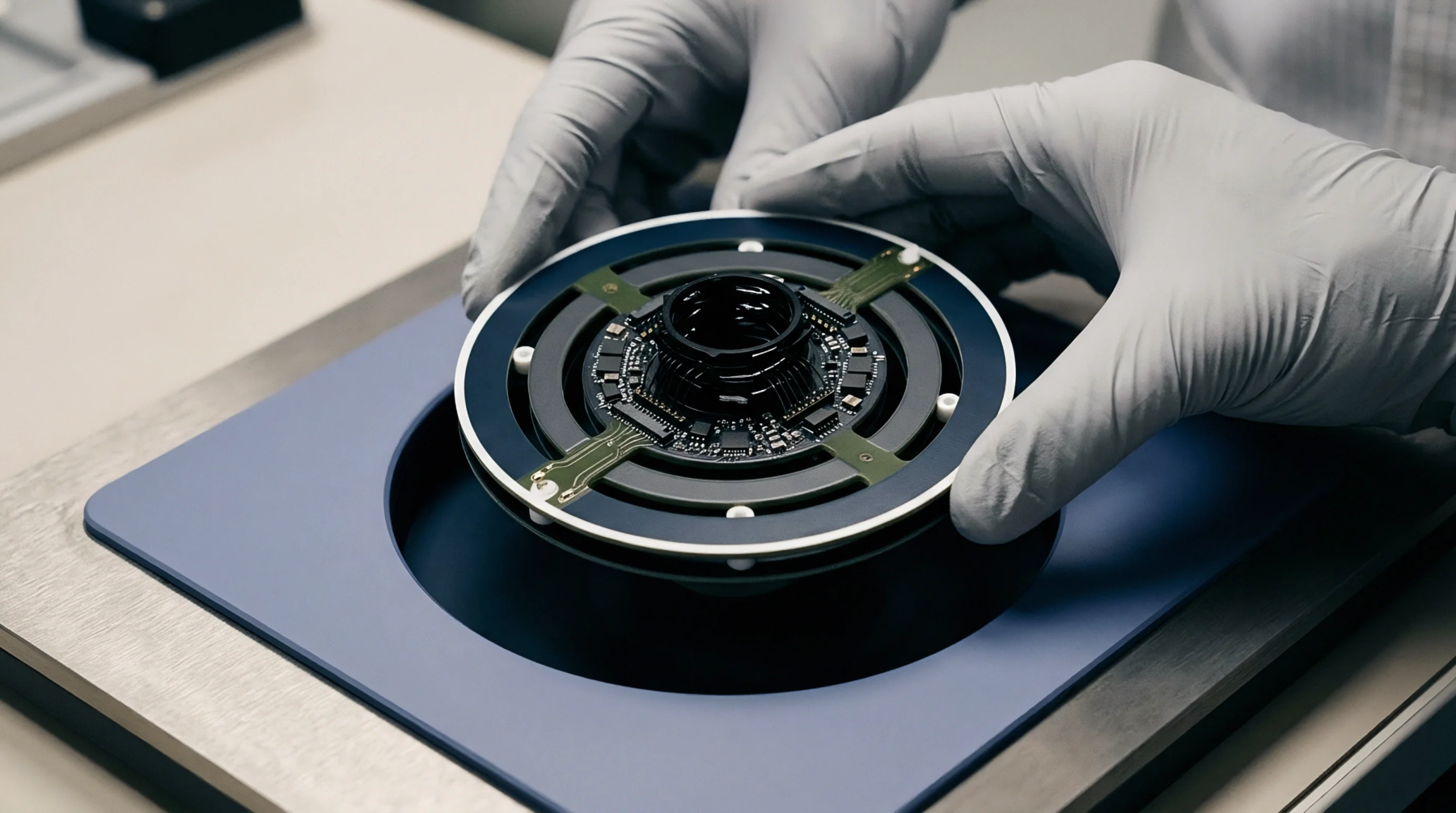
Hardware processors dedicated to managing all radio transmission and reception functions in a mobile device coordinate the translation of user data into wireless signals. The cellular baseband executes the complex network protocols and signal modulation techniques necessary to connect to a mobile network. This dedicated unit runs its own real-time operating system to ensure precise timing of radio events.
It remains separate from the main application processor to protect network connectivity from application-level failures.
Processor Partitioning
Dividing the processing tasks between the modem and the host processor ensures system stability. The modem chip runs time-sensitive network tasks, while the application processor manages the user interface and high-level applications. This division prevents a frozen app from dropping an active voice call.
Protocol Compliance
Network operators require rigorous testing of the device before it is permitted to connect to their cellular infrastructure. The hardware must demonstrate adherence to international communication standards through extensive laboratory simulation and live field trials. Compliance is verified against thousands of test cases that simulate edge cases in network behavior.
Achieving this certification is necessary before commercial release in any region.
Resource Allocation
Managing the power states of the communication module represents a complex engineering challenge in portable device design. The processor must dynamically scale its frequency and voltage based on the current network conditions and required data rates. In areas with weak signal reception, the chip increases its power output to maintain the connection, which accelerates battery depletion.
Advanced power management algorithms mitigate this by optimizing transition speeds between active and sleep modes.