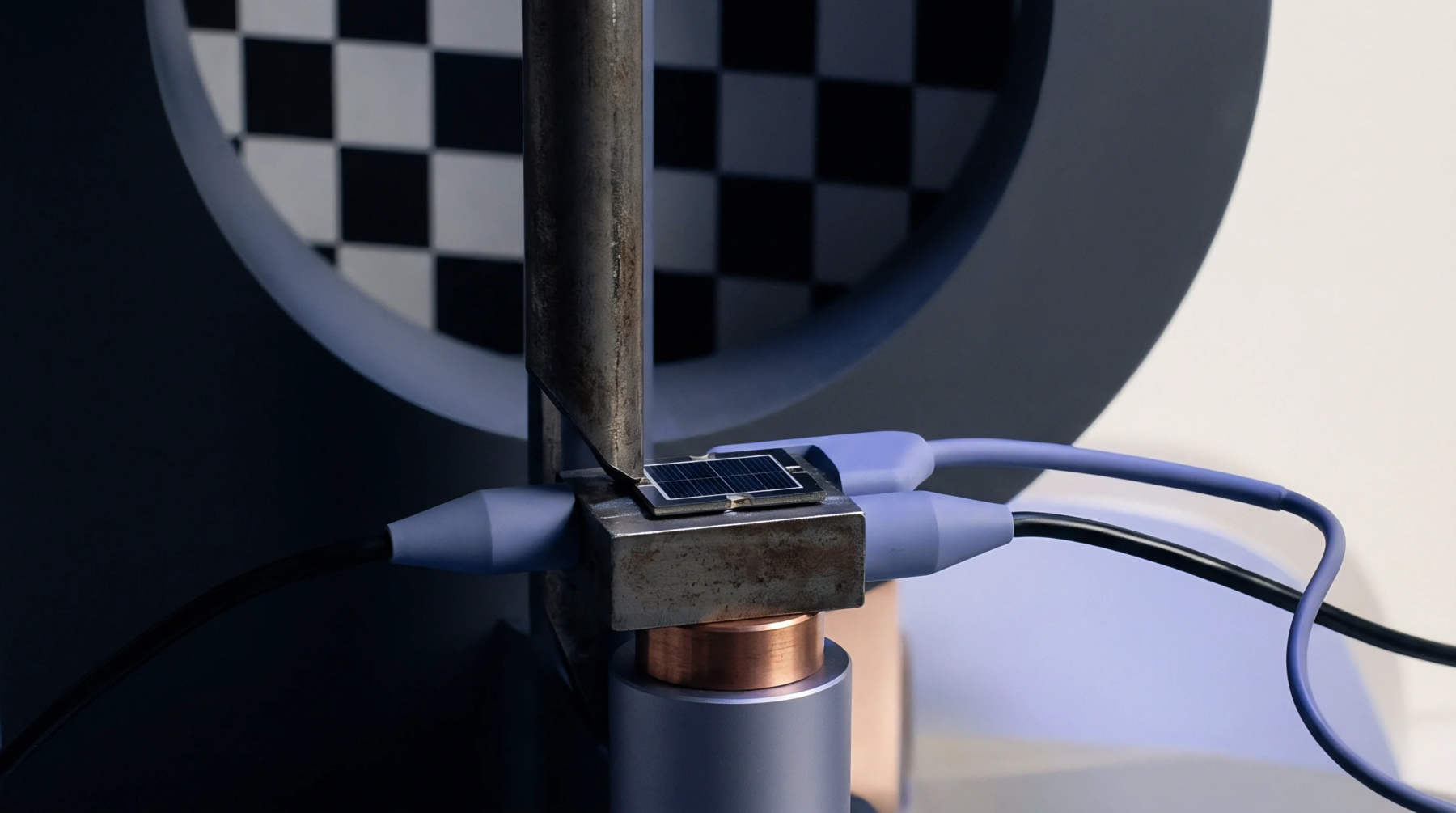
Meaning
Temporary electrical connections for establishing test parameters allow for the rapid validation and programming of integrated circuits without permanent soldering. The contactor uses spring-loaded pins or conductive elastomers to bridge the gap between the device under test and the interface board. The component ensures that every terminal receives the correct signal voltage and current.
Pressure Mechanism
Uniform force application is necessary to pierce through surface oxides on the device leads. A contactor must apply enough pressure to create a low-resistance path while remaining gentle enough to avoid damaging fragile pins or solder balls. Precision springs within the unit manage this balance across hundreds of contact points simultaneously.
Terminal Resistance
Conductive characteristics of the contact path determine the accuracy of the measurements taken by the test system. If a contactor has high internal resistance or inconsistent contact force, the resulting voltage drops can lead to a functional failure in a good part. Maintaining clean contact tips is the standard method for keeping these values within the specified range.
Gold or palladium plating is often used to minimize signal loss.
Actuation Limit
Mechanical wear eventually reduces the effectiveness of the spring probes. Each contactor is rated for a specific number of cycles before the internal components lose their tension or the plating wears away. Replacement of the contactor occurs automatically once the cycle count reaches the established limit.