Statistical Process Control Limits for High Speed Component Placement Fixtures
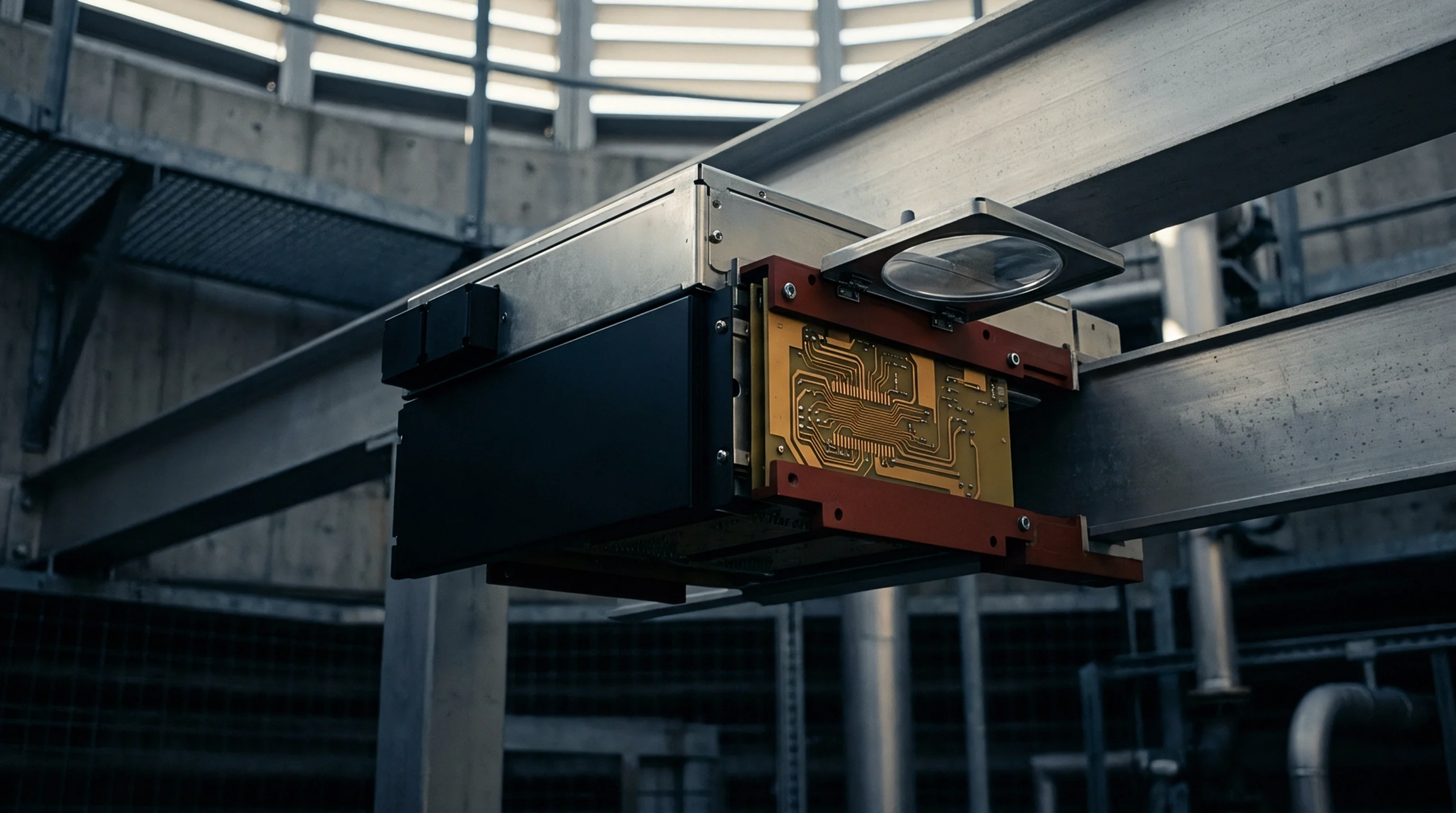
Statistical process control limits for placement fixtures isolate pocket wear and thermal expansion from machine gantry errors to prevent component pad misalignments.
Minimum allowable process capability index ratios define the statistical criteria an automated manufacturing sequence must achieve to verify that dimensional, electrical or assembly variations remain safely within specified upper and lower engineering tolerance bands. In electronic assembly and high-speed component fabrication, cpk threshold denotes the numerical limit that establishes whether a production process demonstrates acceptable short-term centering and low dispersion relative to design limits. The parameter governs statistical process control across automated optical inspection, solder paste volume dispensing and mechanical enclosure dimensioning.
It stops applying to non-continuous qualitative criteria and destructive test sequences where continuous normal distributions cannot be mathematically constructed.
Calculation of process capability balances measured sample spread against the distance between the process average and the nearest engineering tolerance limit. When process distributions shift away from target centers due to tooling wear or material variance, the resulting index drops even if absolute dispersion remains unchanged. A cpk threshold set at one point three three represents an established industrial baseline, implying that four standard deviations fit comfortably between the process mean and either specification boundary, corresponding theoretically to sixty-three defect parts per million.
For critical radio-frequency integration stages, including automated coaxial connector press-fit operations and shield can coplanarity, automotive and medical device standards demand limits of one point six seven or higher to reduce projected process fallout toward zero. Production control software calculates these ratios continuously from automated inline measurements to warn line engineers of drift before parts fail mechanical go and no-go gauges.
Implementation of tight capability limits forces strict control over raw component feed quality and tooling precision. If high-speed pick-and-place lines experience nozzle wear or solder paste viscosity variations, deposition volumes widen their distribution curve and degrade calculated capability indices. Achieving a stringent cpk threshold demands rigid maintenance schedules, environmental temperature control within placement enclosures and automated vision recalibration.
When an assembly line falls below its mandatory threshold during pre-production verification, the manufacturing run stalls until tooling alignment, feeder stability or operator handling improves. Capability evaluations verify machine repeatability on automated screw-driving torque, battery well adhesive dispensing thicknesses and antenna spring clip seated heights.
Formal volume manufacturing sign-off requires documenting capability metrics within the production part approval process and the line qualification handover package. Equipment builders must demonstrate adherence to the designated cpk threshold across consecutive pre-production trial lots before ownership transfers to mass manufacturing teams. The signed statistical capability report compiles multi-cavity tooling datasets, vision system logs and gauge repeatability and reproducibility ratios to prove measurement equipment precision.
Production facilities log these index figures into daily statistical process control dashboards, triggering immediate root-cause investigations whenever real-time values breach contractual quality agreements. Meeting the threshold provides contractual assurance that components assemble without interference and function reliably over high-volume assembly runs.
Statistical process control limits for placement fixtures isolate pocket wear and thermal expansion from machine gantry errors to prevent component pad misalignments.
Expertise is a utility, not a secret. sentiention™ publishes its working knowledge as open reference: intelligence layer covering the materials it sources, the markets it enters, and the reference that serves both.