Meaning
Floating-gate and charge-trap non-volatile memory cells experience a loss of trapped electronic charge over time due to defect-assisted tunneling through thin dielectric oxides. In solid-state storage devices, data retention breakdown defines the point where accumulating oxide leakage degrades stored threshold voltages beyond the correction capability of onboard error-correcting code engines. This boundary marks the irreversible failure of unpowered state storage within a flash array, rendering stored data unrecoverable.
The mechanism applies strictly to charge storage loss during unpowered or idle states, excluding dynamic read disturbance or program-erase cycling wear.
Charge Leakage
Dielectric oxide layers isolate trapped electrons within the memory cell structure under nominal operating conditions. Over repeated write cycles, high electric fields induce microscopic defect sites across the silicon dioxide barrier. Electrons escape through these trap sites via Poole-Frenkel emission and direct quantum tunneling mechanisms.
As charge leaks, the threshold voltage distribution of programmed cells shifts toward the erased state level. Read operations eventually misinterpret cell states when voltage margins cross reference sense amplifier thresholds, generating raw bit errors that overload standard error correction blocks.
Thermal Acceleration
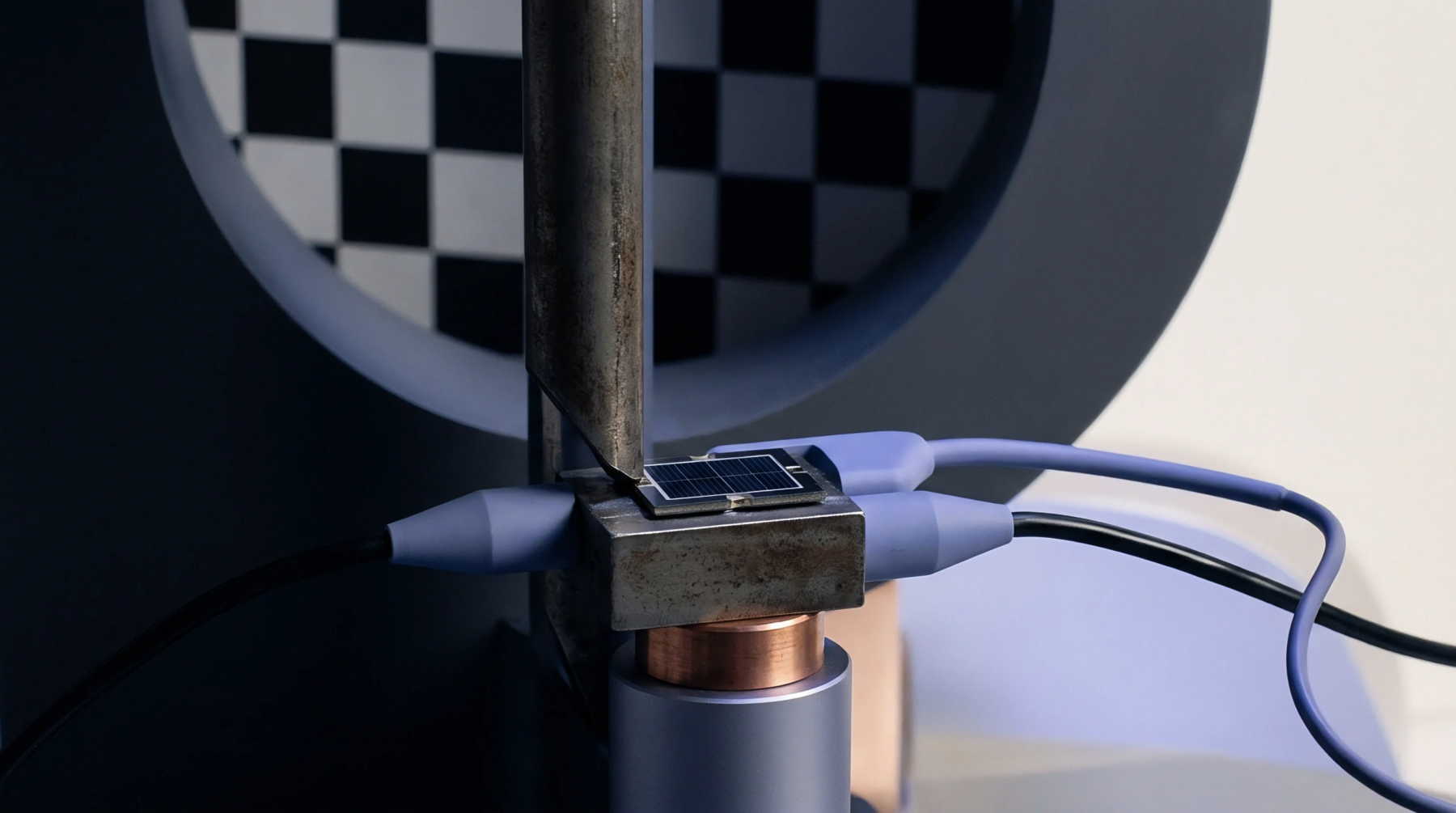
High environmental temperatures exponentially accelerate charge loss from memory cells by providing thermal energy to trapped electrons. Qualification testing exposes unpowered storage drives to elevated temperature bakes to simulate multi-year retention loss within condensed timeframes. A data retention breakdown occurs much faster at eighty-five degrees Celsius than at room temperature due to thermal excitation rates.
System integrators must evaluate ambient enclosure heat profiles to ensure embedded storage modules maintain specified data retention durations under peak operating conditions.
Firmware Mitigation
Storage controllers deploy active mitigation strategies to delay cell state degradation during system operation. Controller firmware periodically scans stored blocks to measure bit error growth and re-writes marginal data pages to fresh memory blocks. Periodic refreshing prevents accumulation of persistent charge loss defects that lead to catastrophic retention failure.