Meaning
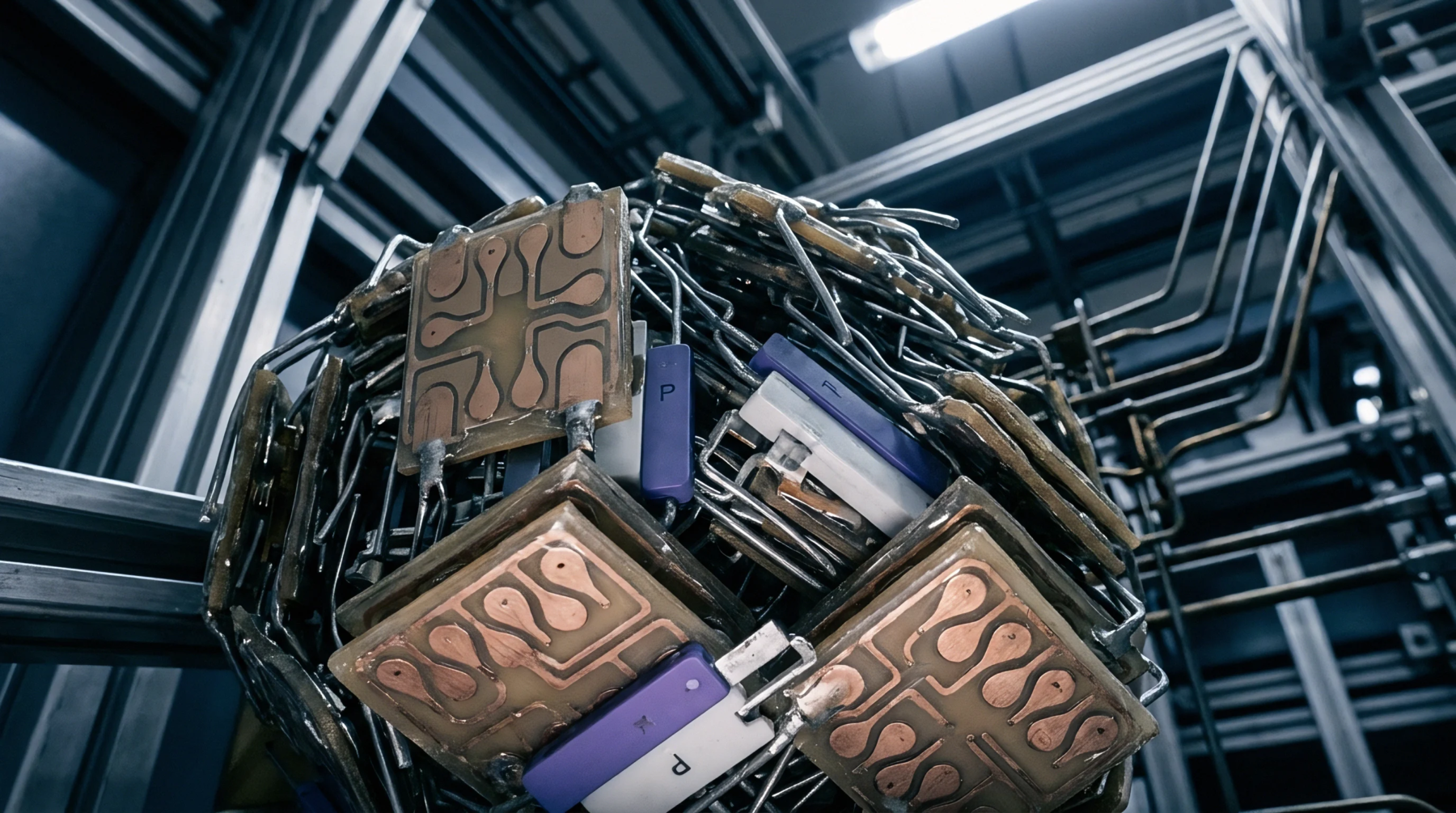
Ceramic absorber elements reduce high-frequency reflections in testing chambers and metallic enclosures. These ferrite tiles consist of a sintered iron oxide compound that exhibits high magnetic permeability and electrical resistivity. They are mounted on the interior surfaces of cavities to prevent the buildup of resonant standing waves.
This action improves the reliability of wireless modules operating within the same enclosure. Their application is limited to the frequency bands where their magnetic loss tangent is high.
Absorption Mechanism
High magnetic losses in ferrite tiles occur due to spin resonance and domain wall relaxation at high frequencies. Incident electromagnetic waves induce currents within the magnetic domains of the ceramic structure, converting the wave energy into heat. Unlike foam absorbers, these tiles are compact and can withstand high temperatures.
This thermal durability makes them suitable for dense product assemblies where cooling airflow is limited. Their high density requires strong mechanical mounting to prevent detachment during vibration.
Structural Integration
Integrating these tiles into a product requires consideration of both the weight budget and the space limitations of the housing. They are typically secured using heat-resistant adhesives or mechanical brackets. In small smart devices, thinner sheets of the same material are used instead of thick tiles to save space.
The positioning must avoid blocking thermal paths or ventilation grilles.
Measurement Process
Testing verifies the reflection coefficient of the mounted tiles using a coaxial airline or an open-space reflection measurement setup. This process ensures that the tiles meet the specified absorption ratings before the final assembly is approved. Compliance audits use these measurements to justify the shielding design.