Meaning
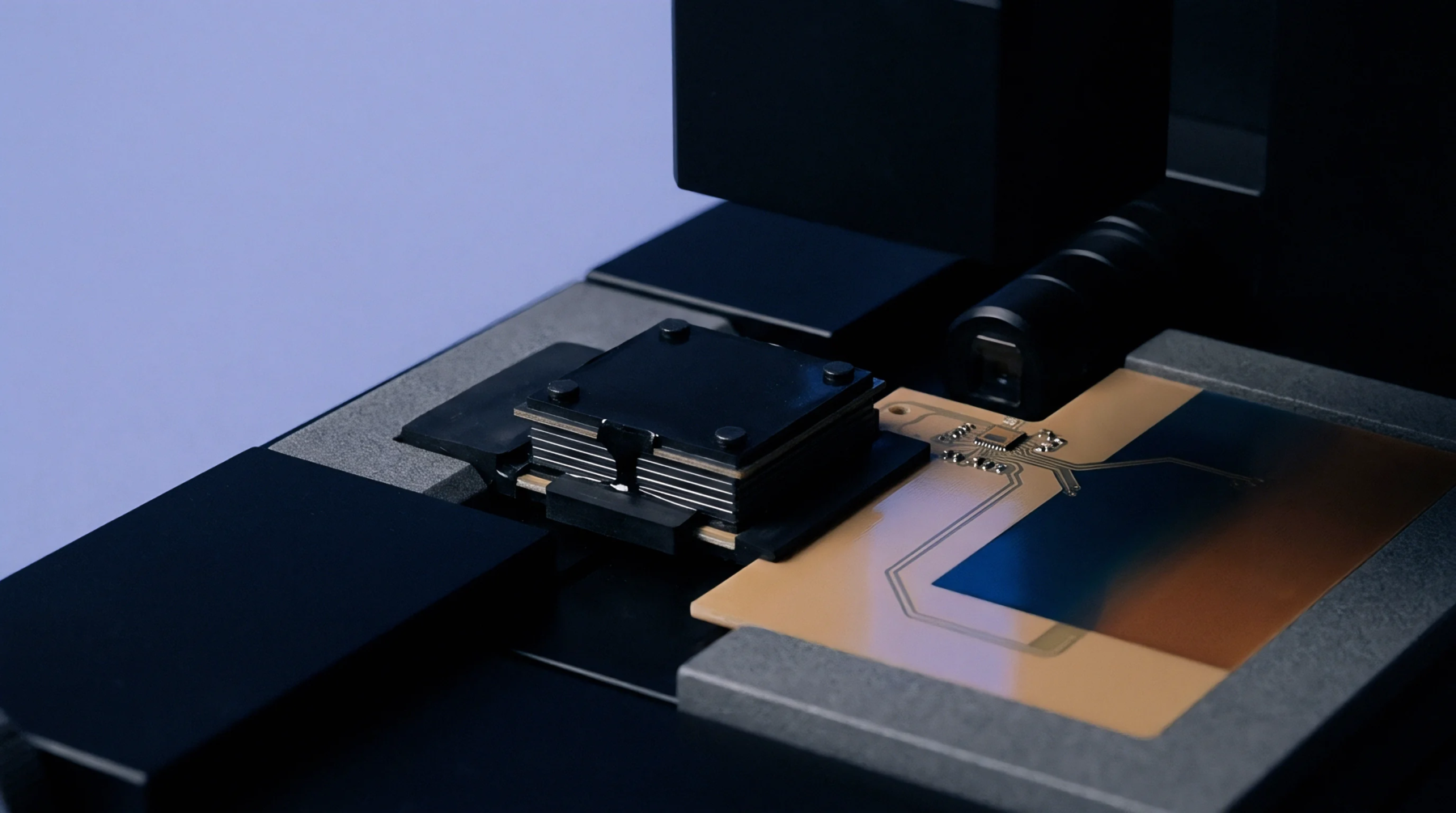
High precision positioning systems rely on elastic deformation to achieve sub-nanometer resolution without the stick slip friction associated with conventional bearings. A typical flexure stage utilizes thin metal strips or solid state hinges that bend under controlled force to produce linear or rotary movement. The lack of rubbing surfaces eliminates the need for lubricants and prevents wear over billions of cycles.
This makes the mechanism well suited for cleanroom environments and vacuum applications where airborne particulates must be avoided.
Kinematic Design
Monolithic aluminum or titanium blocks are machined using wire electrical discharge machining to form the flexible hinges. Within a flexure stage, these hinges are arranged to constrain motion to a single desired axis while preventing unwanted parasitic forces. The mechanical deflection must remain well within the elastic limit of the material to avoid permanent deformation.
Guided Motion
Actuators like piezoelectric stacks apply the forces needed to bend the flexible elements. This force results in a smooth translation that is highly repeatable across the entire travel range of the flexure stage. Closed loop sensors measure the resulting displacement to correct for any mechanical hysteresis.
Load Capacity
Mechanical stiffness limits the payload that a flexible mount can support before buckling occurs. High spring rates ensure that the system maintains a high resonant frequency for fast settling times. This stiffness requires higher actuator forces to achieve the same displacement range.