Meaning
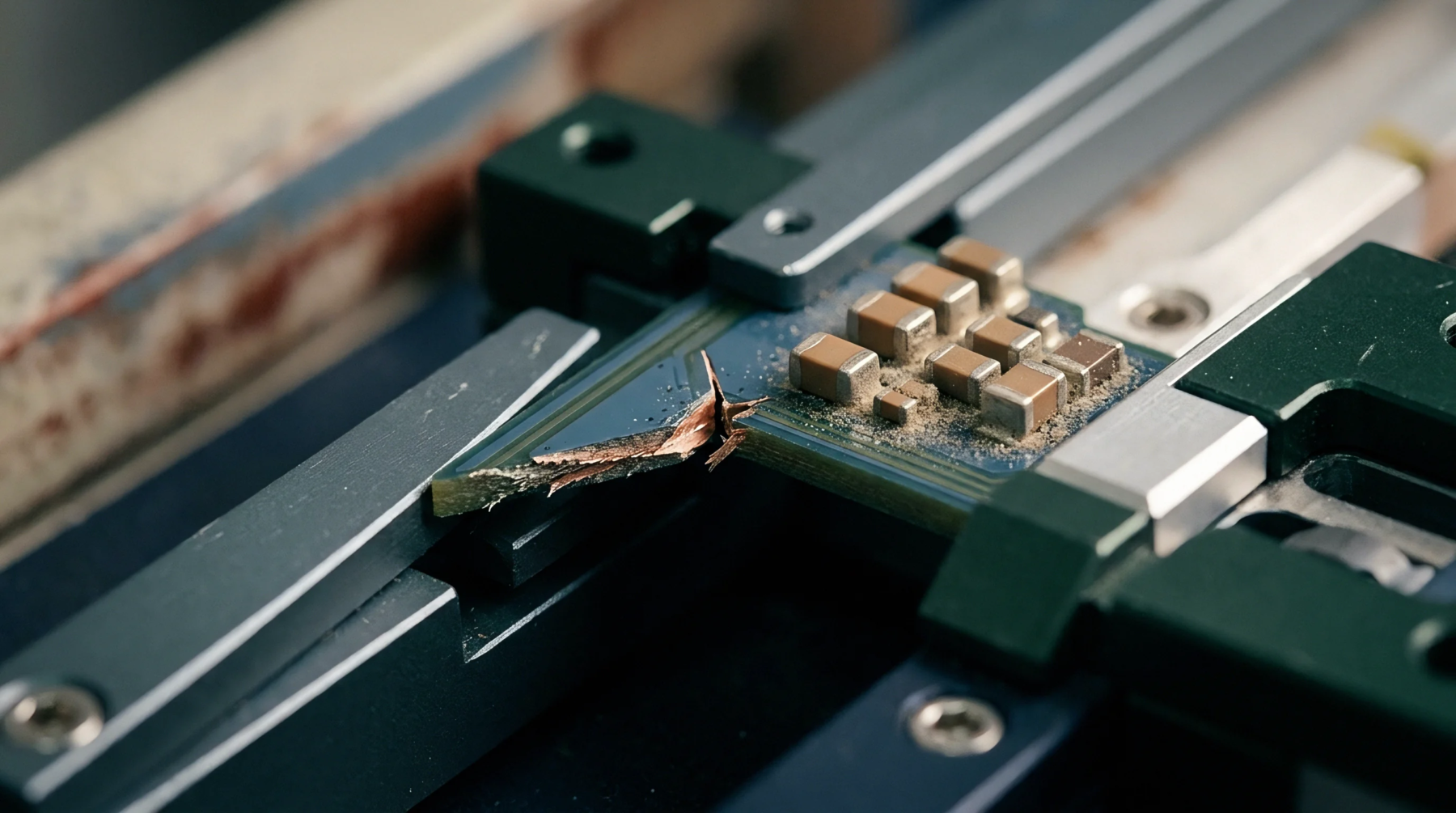
Printed circuit boards comprise the technical substance of heading 8534. These non-assembled insulating structures use conductive paths, contacts, or other printed elements formed by a printing process or by film circuitry to hold electronic components. This category excludes items equipped with components that are not printed, such as simple wire circuits or passive elements attached to a base through non-printing methods.
Substrate Specification
A base material for heading 8534 requires strict adherence to dielectric standards to ensure thermal and electrical stability. Manufacturers measure this performance against glass transition temperatures and loss tangents that dictate how signals propagate across the copper layers. Designers select resin systems based on the intended operating frequency and the mechanical stress the board encounters during its functional life.
Assembly Interface
Integration engineers define the connection protocols for heading 8534 during the transition from bare board manufacturing to surface mount technology. This interface necessitates land pattern geometries that accommodate solder paste deposits while maintaining clearance for robotic placement heads. The alignment of these footprints determines the yield of the finished assembly when operators pass the hardware through reflow ovens.
Performance Limitation
Electrical resistance across the printed paths governs the power handling capability of heading 8534 within a high-density configuration. Excessive current causes localized heating that risks delamination of the metallic traces from the underlying laminate. Heat dissipation characteristics define the maximum safe operating load before the board architecture fails under consistent thermal cycles.