Meaning
Computing systems designed to operate without a connected monitor and keyboard function as dedicated nodes within a distributed network. These headless devices usually rely on remote management protocols or web-based dashboards for configuration and monitoring. They are common in industrial automation and smart home hubs where local interaction is unnecessary.
Network Provisioning
Initial setup for a screenless system requires a specialized method to join a local area network. Since headless devices cannot display a list of available access points, they often use Bluetooth Low Energy to receive credentials from a mobile application. This handover process is a critical point in the user experience of connected hardware.
Management Interface
Remote administration tools provide the only way to check the status or health of the hardware. For headless devices, the reliability of the network stack is paramount because a loss of connectivity means the system is physically unreachable for software fixes. Automated watchdog timers are frequently used to reboot the system if the communication interface stops responding.
Physical Deployment
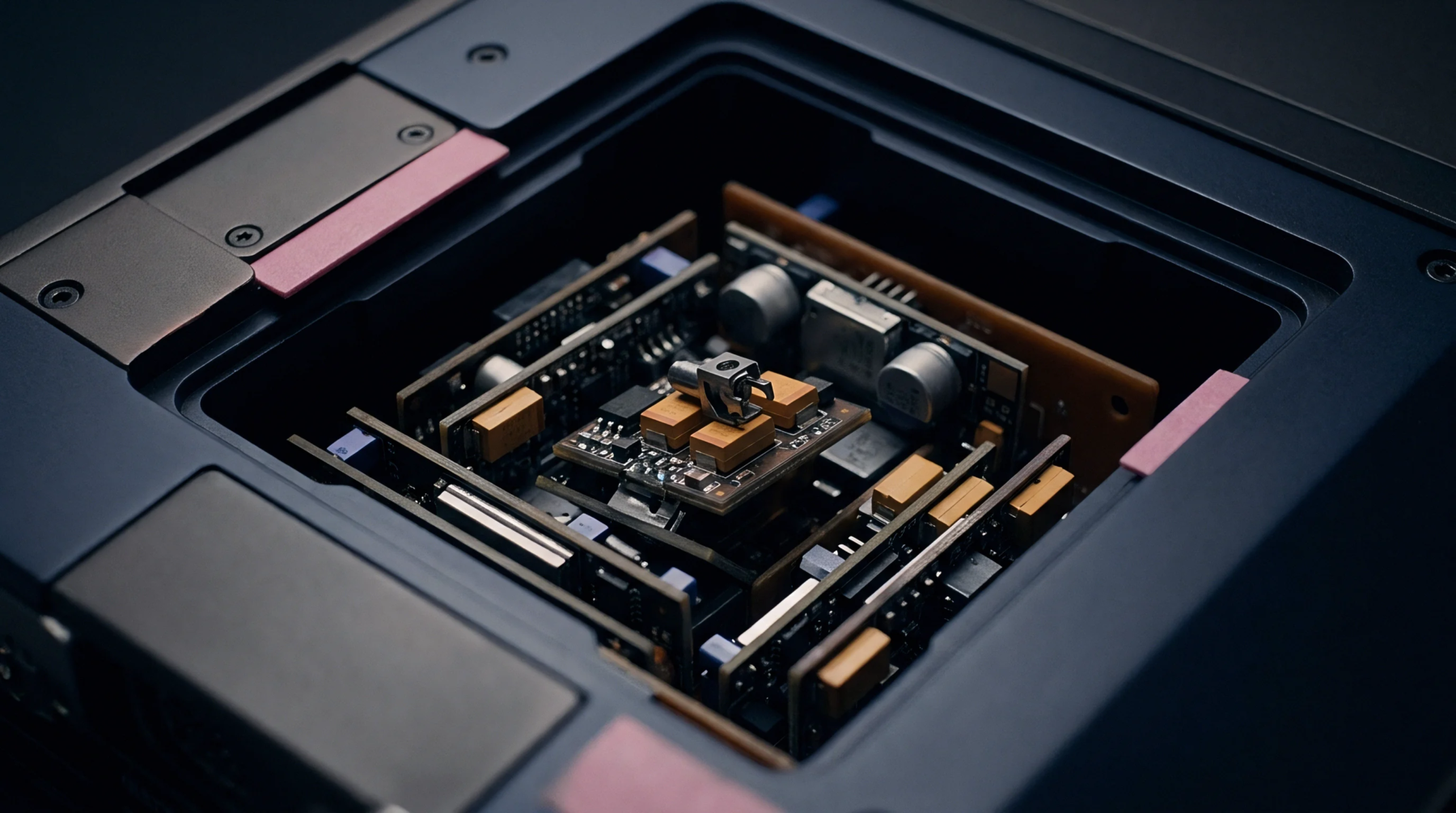
Hardware design for these units focuses on thermal efficiency and mounting options. Because headless devices are often tucked away in equipment racks or utility closets, they must be able to operate in environments with limited airflow and varied temperature ranges. The absence of a screen reduces power consumption and simplifies the enclosure design.