Meaning
Industry standards for bare board electrical testing define the requirements for validating printed circuit boards before component assembly. Adherence to ipc-9252 ensures that unpopulated boards are free from open circuits and resistive leaks. The specification applies to rigid, flexible, and rigid-flex printed boards used in electronic products.
Compliance Requirement
Execution of electrical tests under this framework is verified during the quality control stage of fabrication. Manufacturers of high-reliability electronics demand a signed conformity certificate to ensure the board meets the specified testing level. Choosing the appropriate class of testing aligns the board validation with the intended reliability of the final product.
Test Methodology
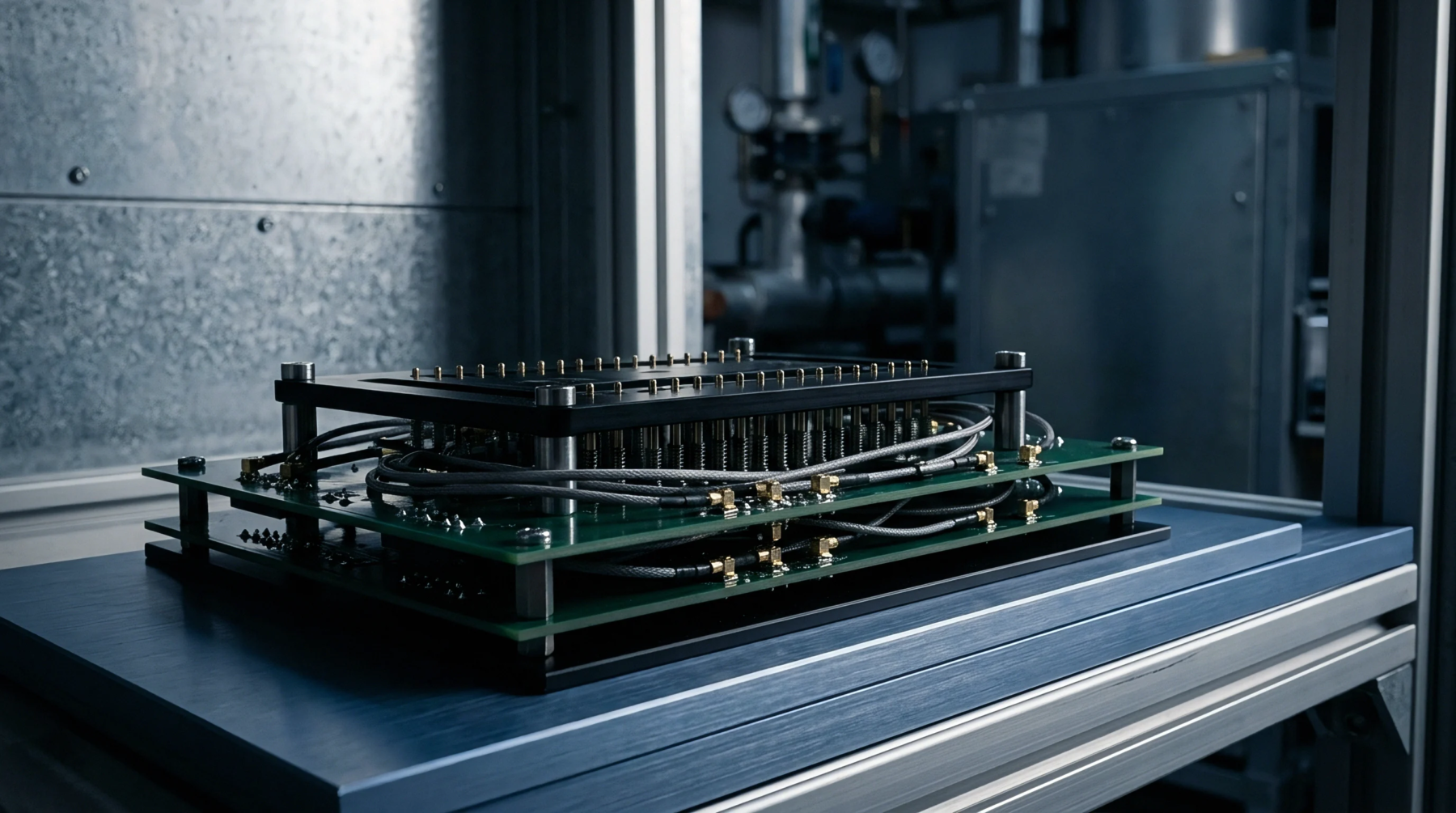
Selection of test methods depends on the board complexity and the tooling budget. Flying probe testing and dedicated fixture testing represent the primary options for executing the verification sequence. While flying probes offer flexibility without tooling costs, hardwired fixtures perform rapid testing across high-volume production runs.
Measuring the electrical continuity of trace paths and the insulation resistance of adjacent nets forms the operational base of this evaluation. Standardizing these procedures reduces the risk of assembled board failures.
Defect Category
Detection limits are governed by the threshold resistances defined for isolation and continuity. Low resistance short circuits and high resistance open circuits are isolated during the validation process. Unintended copper bridges and micro-cracks in copper traces represent the physical faults identified by these electrical measurements.
These electrical checks protect the assembly line from the expense of populating defective substrates.