Meaning
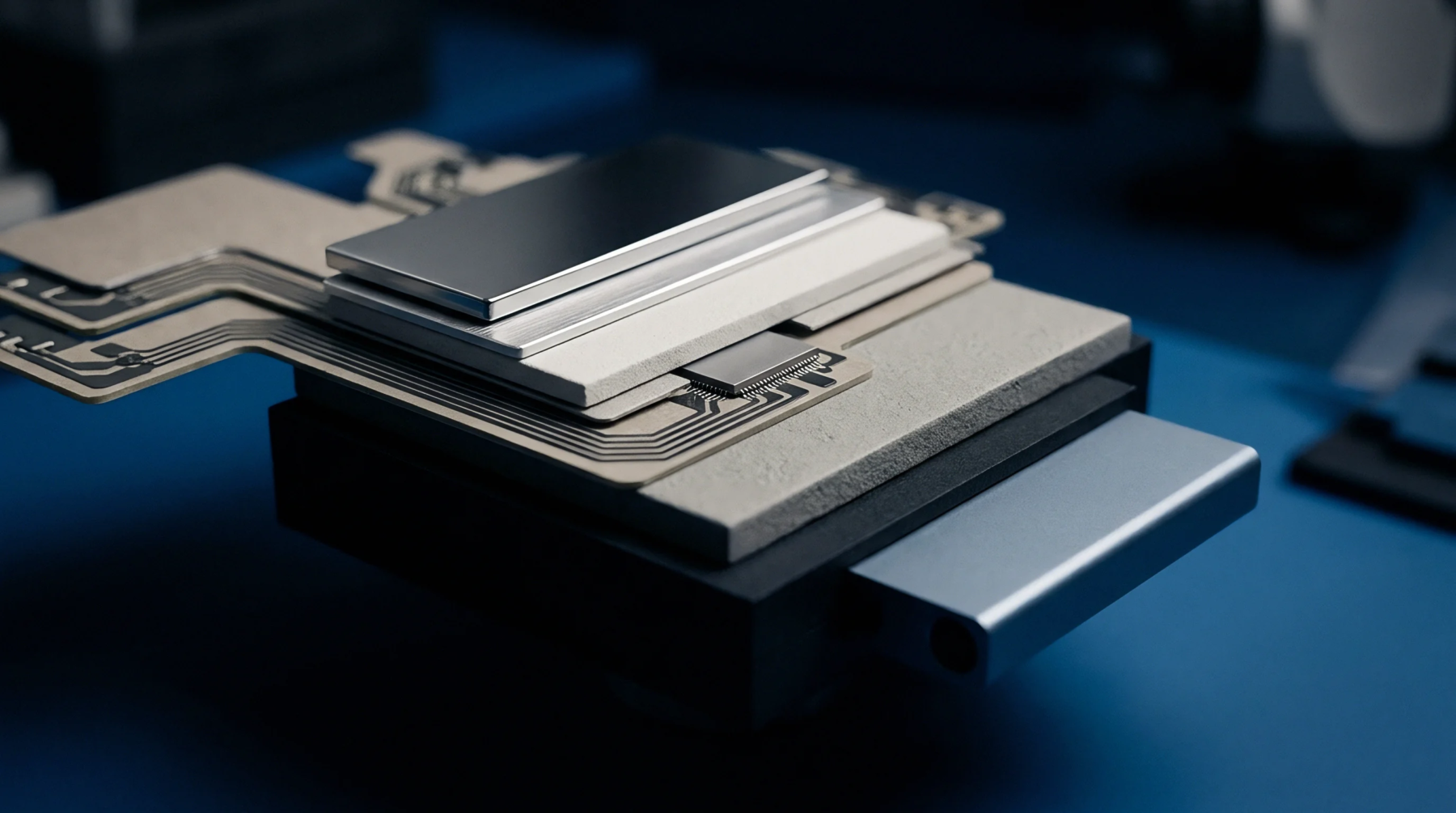
Mechanical fastening configurations facilitate the physical attachment between discrete modules in a radio frequency assembly. These joinder mechanisms maintain electrical continuity across high frequency signal paths while providing the structural rigidity required for signal stability. Grounding paths rely upon the integrity of these physical bridges to prevent impedance mismatch at the interface.
High density surface mount connectors provide one common implementation, while threaded metal fasteners serve as a frequent choice for larger enclosure mounting. The performance of these connections dictates the total system signal loss.
Interface Tolerance
Manufacturing specifications define the precise geometric alignment necessary for reliable coupling between circuit boards. A deviation in the planar surface of the joinder mechanisms introduces stress on the solder joints during thermal cycling. Design engineers specify torque limits for each fastener to avoid board deformation.
Tight control over these mechanical variables prevents inconsistent signal attenuation across production lots.
Thermal Conductivity
Metal brackets and conductive thermal pads bridge the gap between heat generating components and the chassis. These joinder mechanisms transfer kinetic energy away from sensitive semiconductor junctions to the external environment. System longevity depends on the effectiveness of the thermal path created by these connections.
Efficient heat dissipation prevents premature failure of the integrated circuits within the enclosure.
Mechanical Stress
Vibration testing identifies the vulnerability of mounting hardware under field conditions. High acceleration forces cause joinder mechanisms to loosen if the initial tension proves insufficient. Proper use of lock washers or thread locking compounds secures the physical connection against shock.
A well designed assembly remains static even when subjected to intense external physical energy.