Meaning
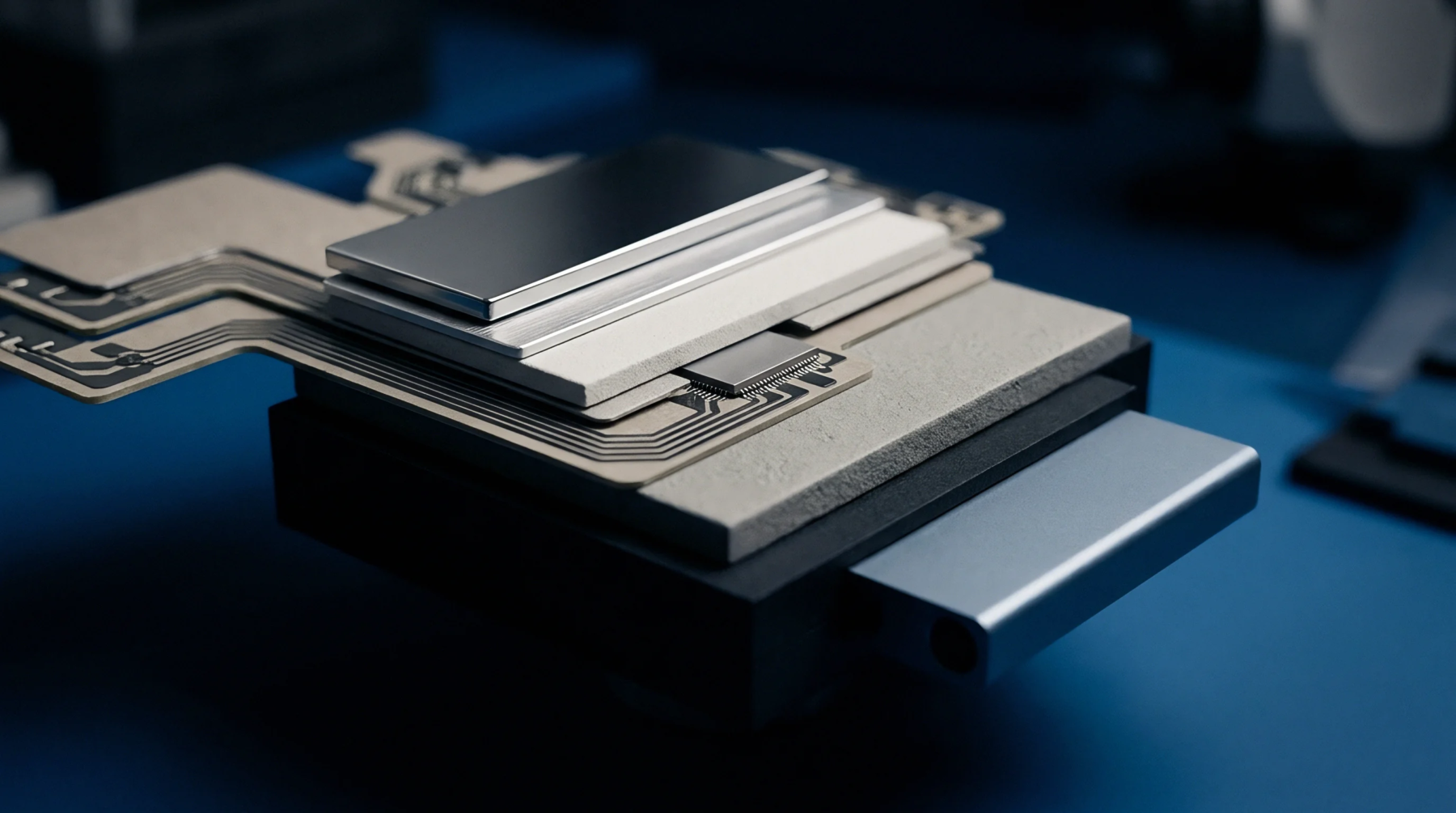
Thermosetting resins protect internal semiconductor components from environmental hazards and mechanical stress by forming a rigid package. Advanced semiconductor packaging relies on epoxy mold compound to provide electrical insulation and moisture resistance. This material usually contains silica fillers to match the thermal expansion coefficient of the silicon die.
Material Composition
Fine powders of epoxy resin and hardeners are blended with catalysts and flame retardants to create the pelletized form. The specific chemistry of the epoxy mold compound dictates the flow characteristics during the transfer molding process. High filler content reduces shrinkage during cooling.
Curing Cycle
Heat and pressure in the mold press trigger a chemical reaction that solidifies the resin around the leadframe and wire bonds. The epoxy mold compound undergoes a primary cure in the tool followed by a post mold bake for several hours to reach its final glass transition temperature. This step ensures long term stability and mechanical toughness by removing residual stresses.
It is a critical part of the packaging workflow.
Moisture Sensitivity
Resin absorbs water over time which can lead to internal delamination during the heat of soldering. Testing for this effect determines the floor life of the component after the epoxy mold compound package is removed from its protective bag. Results define the drying requirements for assembly.