Resolving Lien Disputes on Amortized Multi Cavity Mold Inserts in Foreign Contract Manufacturing
Cross-border insert disputes resolve by auditing unamortized core balances and executing bailment extraction clauses tied to factory gate escrow releases.
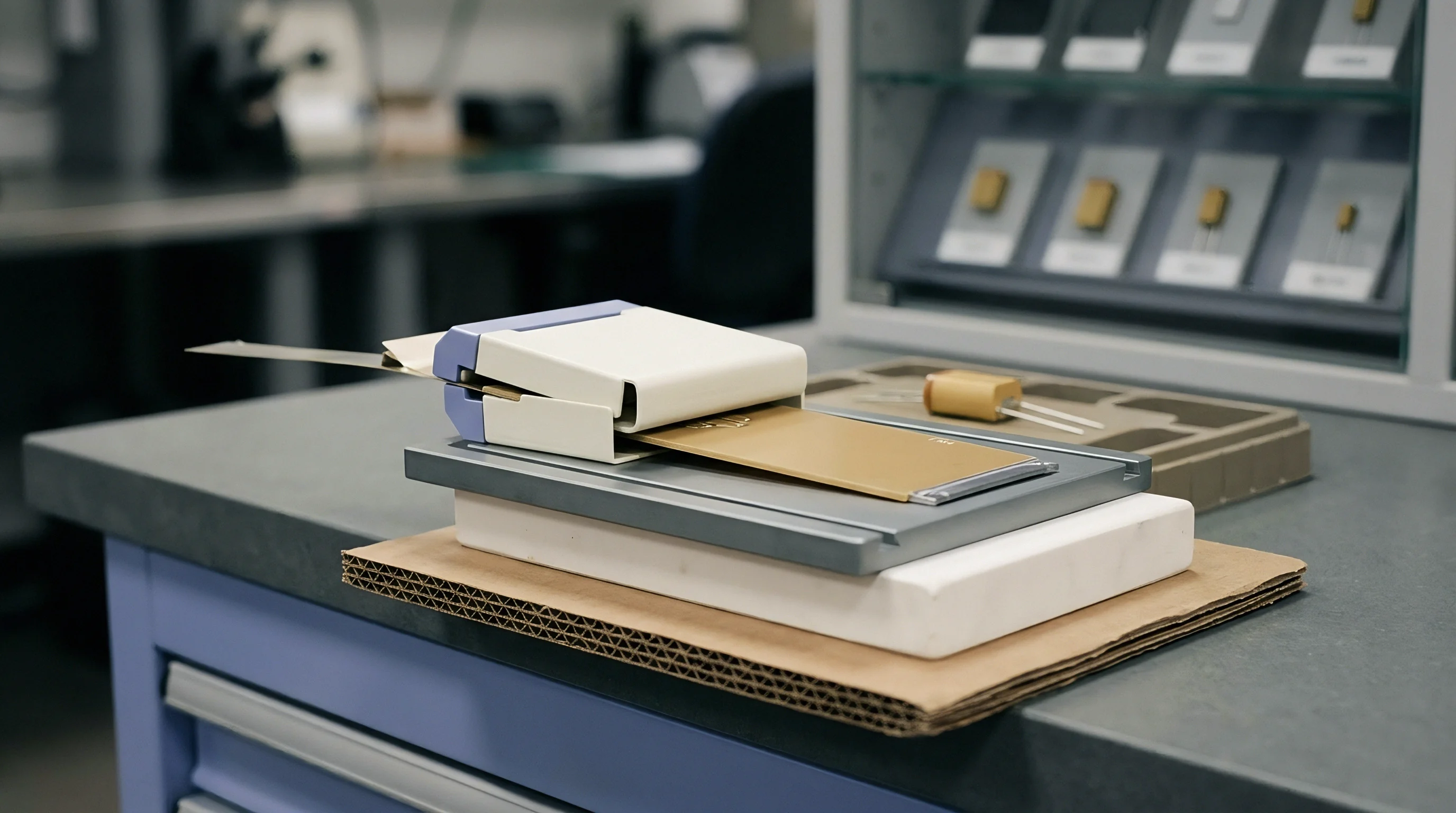
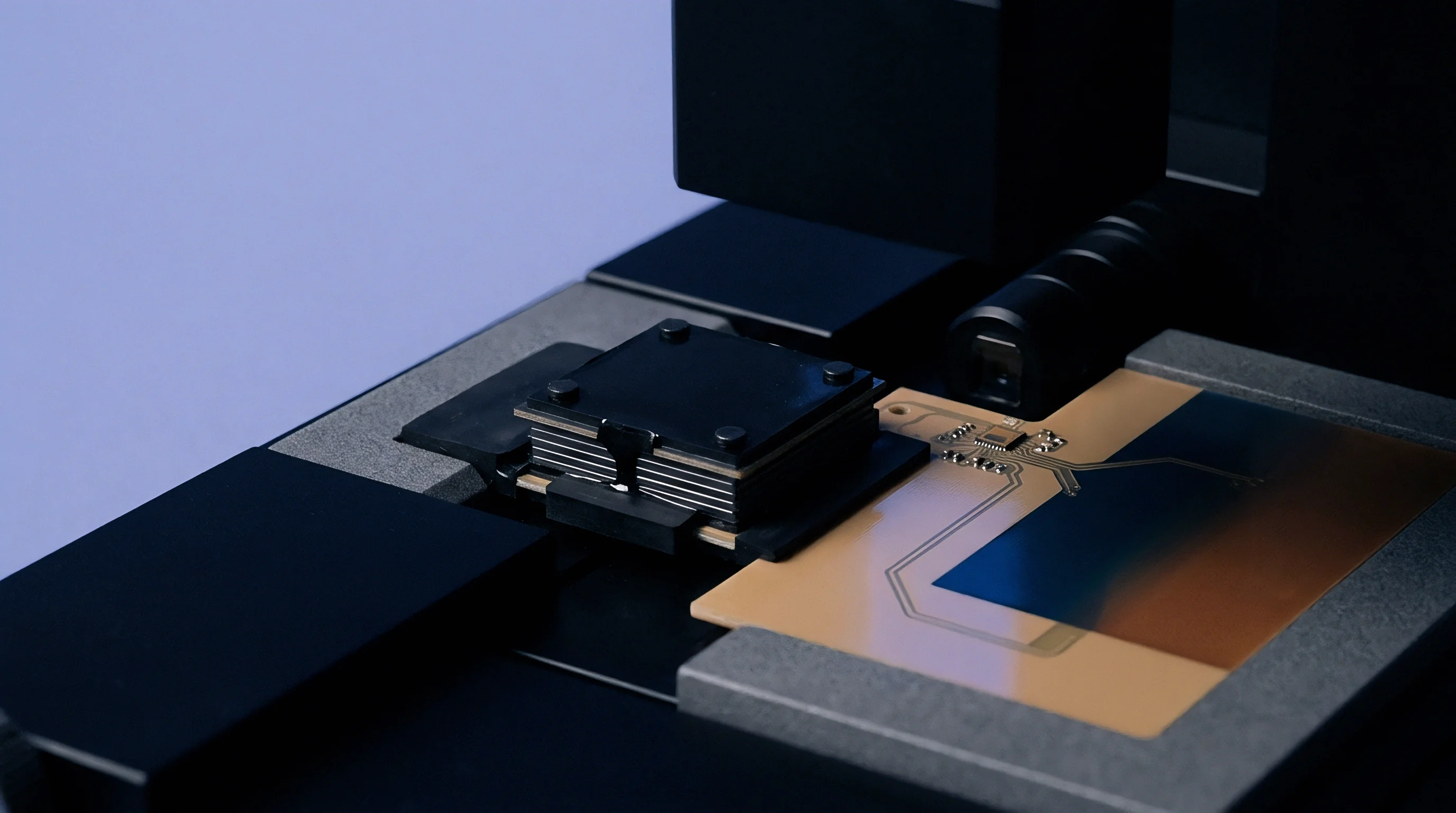
Insert
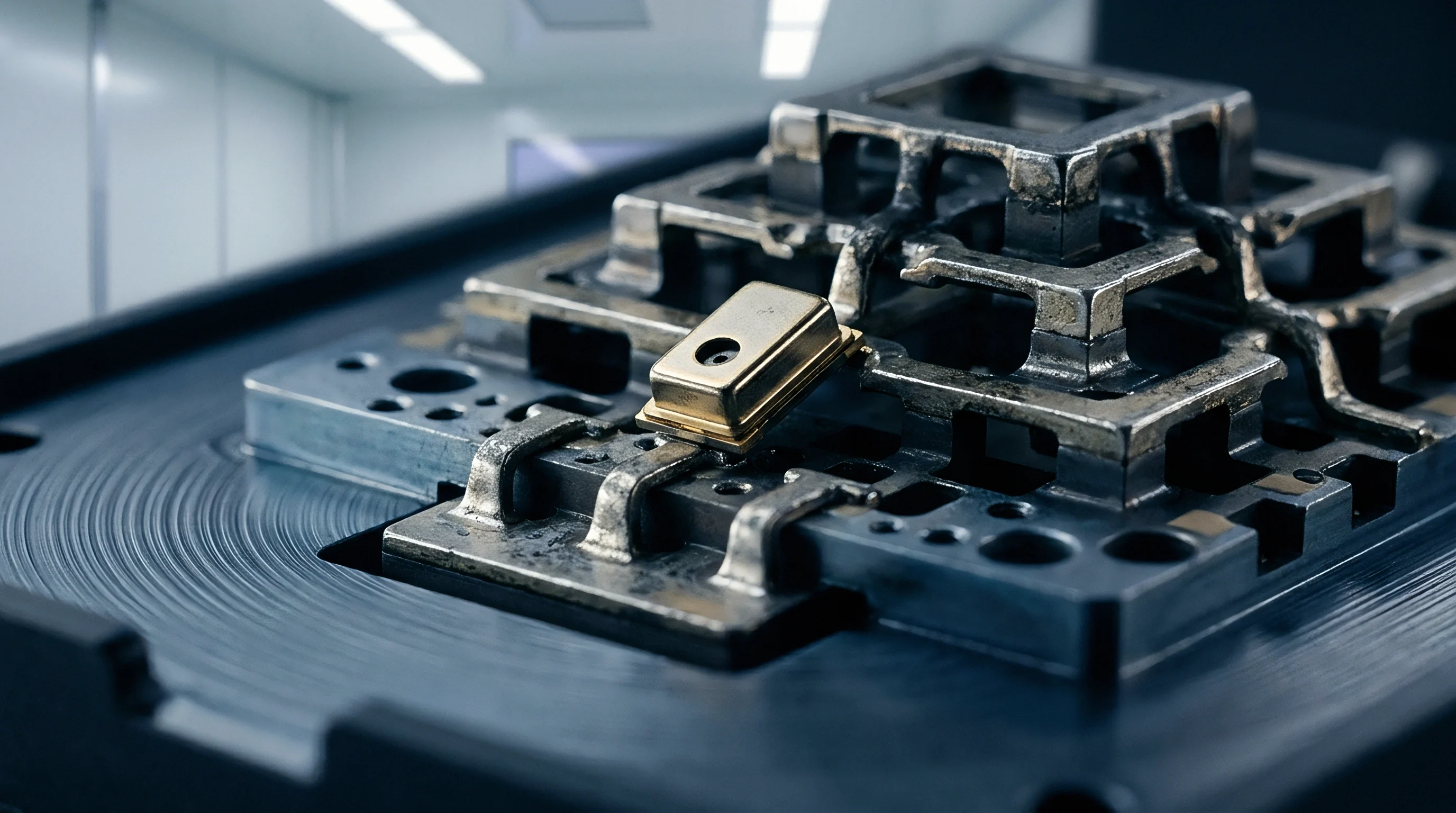
Multi-cavity injection tooling separates standard bolster bases from customized tool-steel core blocks. Programs for high-density electronic enclosures, optical transceivers, and precision fluidic connectors rely on mold designs where core and cavity elements sit as removable components inside standardized frames. This mechanical architecture divides the capital asset into two distinct parts: master bolster plates housing heating channels, ejector boxes, and guidance pins, and precision core and cavity elements machined from hardened tool steels like DIN 1.2343, S7, or H13.
When commercial disagreements interrupt supply agreements, foreign contract manufacturers routinely assert possessory liens over complete mold assemblies, locking up client-owned custom geometry alongside shared factory chassis.
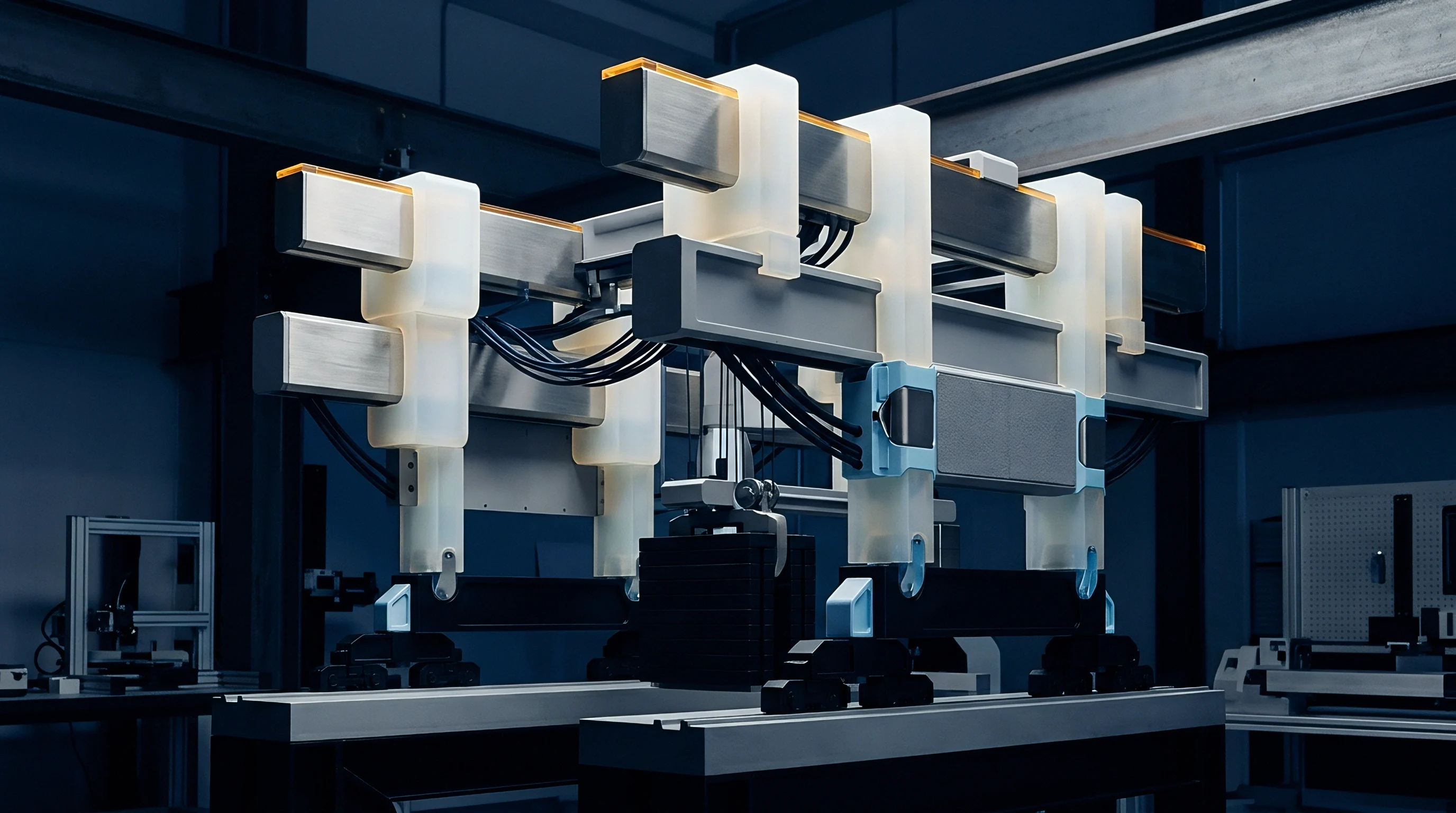
Modular Tool Architecture and Cavity Division
Separating custom component geometry from standardized mold bases alters how ownership appears on asset registers. Master mold frames, built from lower-grade steel like P20 or DIN 1.1730, suffer minimal dimensional degradation over hundred-thousand-shot production cycles, whereas cavity surfaces directly exposed to glass-filled polymers or high-pressure resin flows undergo continuous abrasive wear. Contractual declarations that fail to differentiate master shoe bases from removable internal cavity units create asset recovery impasses during vendor off-boarding.
While custom inserts belong to buyers, standardized bolster frames often remain factory property or form part of shared manufacturing infrastructure. In contract manufacturing environments across Southeast Asia and East Asia, toolmaking shops frequently assemble master frames from off-the-shelf catalog bolsters from suppliers like DME or Hasco, concentrating the majority of non-recurring engineering hours on electrical discharge machining, wire EDM, and mirror-polishing of high-density core blocks. Distinguishing these physical boundaries in original tooling purchase orders prevents contract manufacturers from asserting possessory control over proprietary product geometry during disputes over unpaid floor charges or unamortized equipment balances.
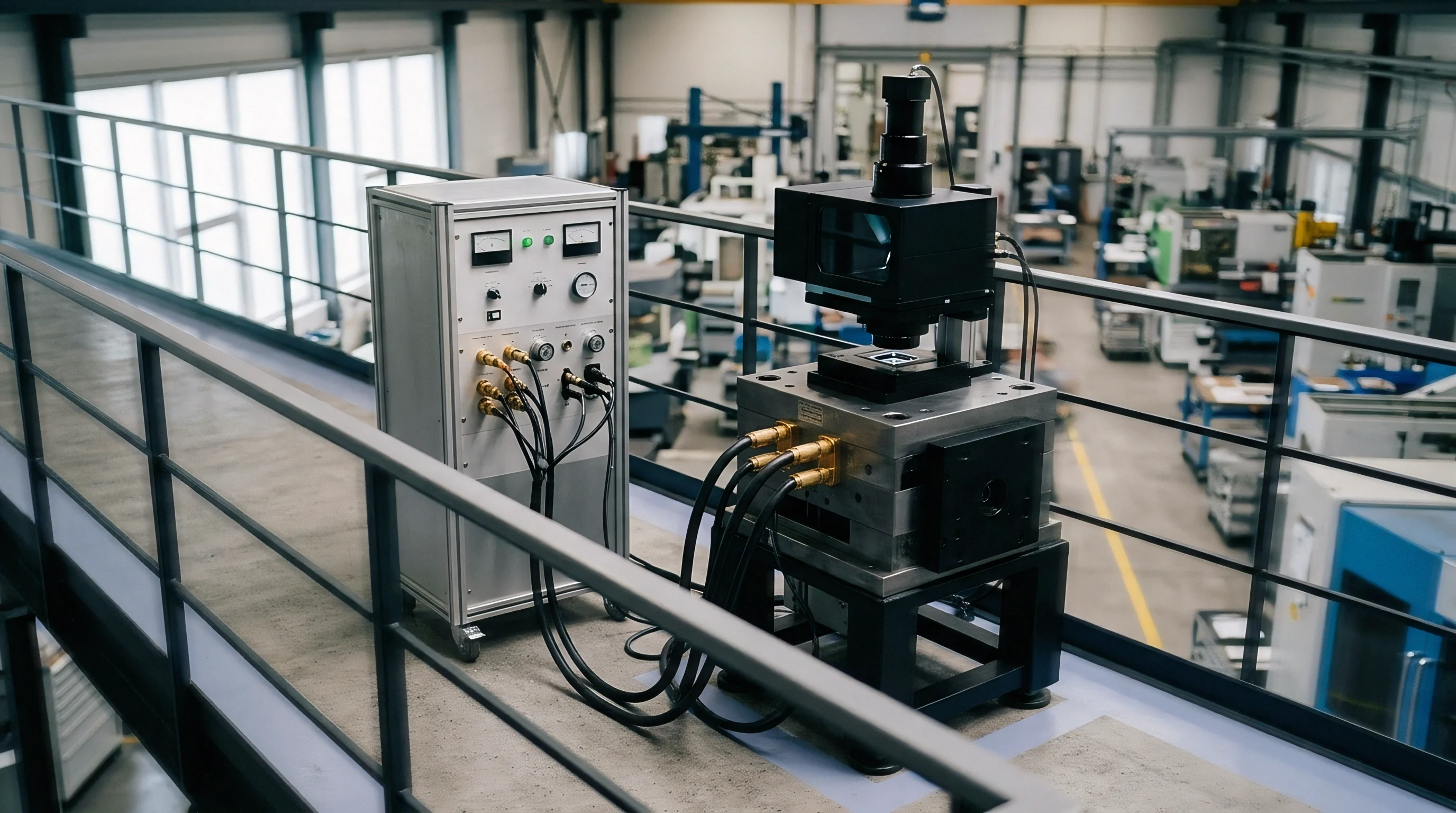
Insert Retention Systems and Interface Standards
Mechanical locking plates and side-latch assemblies secure hardened core blocks within master shoe plates. Replicating interface standards demands precise documentation of pocket dimensions, dowel pin locating registers, runner system gate locations, and ejector pin return stroke distances. Tooling recovery efforts frequently stall when proprietary cavity blocks are treated as physically unseverable from the surrounding bolster frame.
Evaluating tool retention mechanisms involves inspecting side-clamp wedge locks and top-mounting cap screw arrangements. Standardized designs permit core extraction directly on the machine platen or during bench servicing without compromising the bolster frame’s structural integrity.
Tally
Commercial agreements for high-volume molded parts frequently spread non-recurring tooling expenditures across production unit invoices. Amortization mechanisms embedded into piece-part pricing create legal uncertainty when contract volumes terminate early, leaving an unrecovered financial balance on core block fabrication costs.
Piece Part Amortization Mechanics and Ledger Audit
Unit price quotes often blur the boundary between capital tooling expenditures and operational production surcharges. Unamortized tooling balances represent the outstanding non-recurring engineering expenses that a buyer agreed to absorb across a contractually defined target production volume. When production stops prior to reaching the target volume, contract manufacturers apply the total remaining unamortized sum as an immediate debt owed by the client.
Auditing the piece-part ledger requires dissecting the unit cost breakdown into raw material costs, machine cycle time charges, direct labor, and the embedded tooling recovery fee. If a 16-cavity tool carries a total fabrication cost of 192,000 dollars, split between 72,000 dollars for the parent bolster frame and 120,000 dollars for 16 sets of hardened cavity blocks, spreading this expenditure across 300,000 units yields an amortization fee of 0.64 dollars per unit. Terminating the supply contract at 120,000 units leaves 180,000 units unbuilt, representing an unamortized total of 115,200 dollars across the entire mold structure.
An unamortized balance of 72,000 dollars remains on a 120,000-dollar insert set when production stops at 120,000 units against a 300,000-unit contract baseline.
Worked Ledger Breakdown across Unfulfilled Volume
Dissecting a disputed tooling invoice requires isolating core block manufacturing costs from hot runner manifold expenditures. The buyer’s accounting team must isolate the specific asset value of the custom cavity inserts from the generic mold base components. The unamortized balance attributable strictly to the proprietary cavity inserts equals the unbuilt unit ratio multiplied by the insert fabrication allocation.
| Asset Component | Fabrication Cost (USD) | Unit Amortization (USD) | Amortized at 120k Units (USD) | Residual Settlement Balance (USD) |
|---|---|---|---|---|
| Bolster Base Frame Assembly | 72,000 | 0.24 | 28,800 | 43,200 |
| Hot Runner Manifold System | 32,000 | 0.1067 | 12,800 | 19,200 |
| Hardened Cavity Core Inserts | 88,000 | 0.2933 | 35,200 | 52,800 |
| Total Assembly Ledger | 192,000 | 0.6400 | 76,800 | 115,200 |
Verifying the residual balance requires reviewing historical production delivery receipts against factory billing ledgers.
- Audit Initial Invoices ~ Compare initial non-recurring engineering setup deposits against master contract schedules to verify upfront payments.
- Calculate Cumulative Units ~ Reconcile bill-of-lading records and quality acceptance certificates to confirm exact delivered piece-part quantities.
- Isolate Custom Cavities ~ Subtract standard bolster chassis and generic hot runner costs from residual unamortized claims.
- Apply Shot Wear Depreciation ~ Deduct proportional mechanical wear based on validated shot counters embedded in the mold frame.
Failing to itemize mold bases separately from custom inserts on purchase orders leaves buyers liable for full bolster replacement costs during foreign commercial contract terminations.
Encumbrance
Foreign contract manufacturers exercise possessory retention rights over physical tooling located within their facilities when payment disputes arise. Understanding cross-border statutory liens proves essential when recovering client-owned core inserts from offshore facilities.
Cross-Border Statutory Liens and Physical Possession
Civil law systems accord holding entities strong possessory remedies over client equipment situated on factory premises. Statutory rights of retention allow a foreign factory to hold physical equipment belonging to a buyer if the buyer owes outstanding debts arising from the same underlying commercial relationship. Under statutes such as Article 447 of the Chinese Civil Code or corresponding commercial code provisions in Vietnam and Mexico, a contract manufacturer can legally refuse to release tooling, even when original title rests with the buyer, until all disputed invoices get settled.
Subcontracted toolmaking shops that fabricated the inserts for the primary contract manufacturer may assert secondary mechanic liens if the primary factory defaulted on its internal fabrication payments. The physical presence of core blocks inside the factory gate gives the possessor significant commercial leverage regardless of legal title clauses printed in export agreements.
Inclusion of an explicit anti-lien waiver clause in international contract manufacturing agreements prevents factories from retaining client-owned inserts during secondary commercial invoice disputes.
Which Security Rights Prevail over Subcontractor Possessory Claims?
Direct ownership registration on equipment metadata tags establishes priority over unpaid vendor commercial demands. When a primary contract manufacturer hires an independent mold shop to machine high-density inserts, the mold shop retains a physical lien on the steel until receiving payment. If the contract manufacturer collects money from the buyer but fails to pay the mold shop, the mold shop holds the physical inserts, creating a tri-party encumbrance that halts supply chains.
- Unmarked Tooling Blocks ~ Omitting permanent laser engravings or metal asset tags identifying buyer ownership prevents customs officials and judicial officers from recognizing third-party property rights.
- Commingled Invoice Line Items ~ Blending tooling fabrication payments into standard piece-part production billings obscures whether legal title transferred prior to contract cancellation.
- Omitted Bailment Agreements ~ Operating without an explicit signed tooling bailment contract subjects physical assets to general statutory retention rights under local civil codes.
- Unregistered Subcontracting Authorization ~ Permitting suppliers to outsource cavity machining without formal asset notification exposes inserts to secondary mechanic liens from unpaid toolmaking shops.
Mitigating cross-border detention risks requires aligning international purchasing agreements with regional commercial statutory frameworks.
| Jurisdiction | Governing Code | Statutory Lien Basis | Buyer Asset Protection Instrument |
|---|---|---|---|
| China | Civil Code Article 447 | Possessory Right of Retention | Registered Bailment Agreement and Asset Marking |
| Vietnam | Civil Code Article 346 | Property Retention Remedy | Notarized Title Certificate and Stamped Tooling Ledger |
| Mexico | Commercial Code Art. 340 | Commercial Retención de Bienes | RUG Security Interest Registration |
| Germany | BGB Section 369 / HGB | Kaufmännisches Zurückbehaltungsrecht | Explicit Statutory Lien Waiver Clause |
Standard bailment contracts incorporating explicit negative-pledge language prohibit contract manufacturers from pledging client-owned mold inserts as collateral for local operating credit lines.

Recovery
Physical extraction of custom tool steel blocks from factory premises demands technical coordination and structural disassembly. When negotiating asset retrieval, recovering core inserts rather than transporting multi-ton master mold frames minimizes freight expenses and avoids disputes over standard plant machinery.
Physical Extraction and Mold Frame Separation Protocol
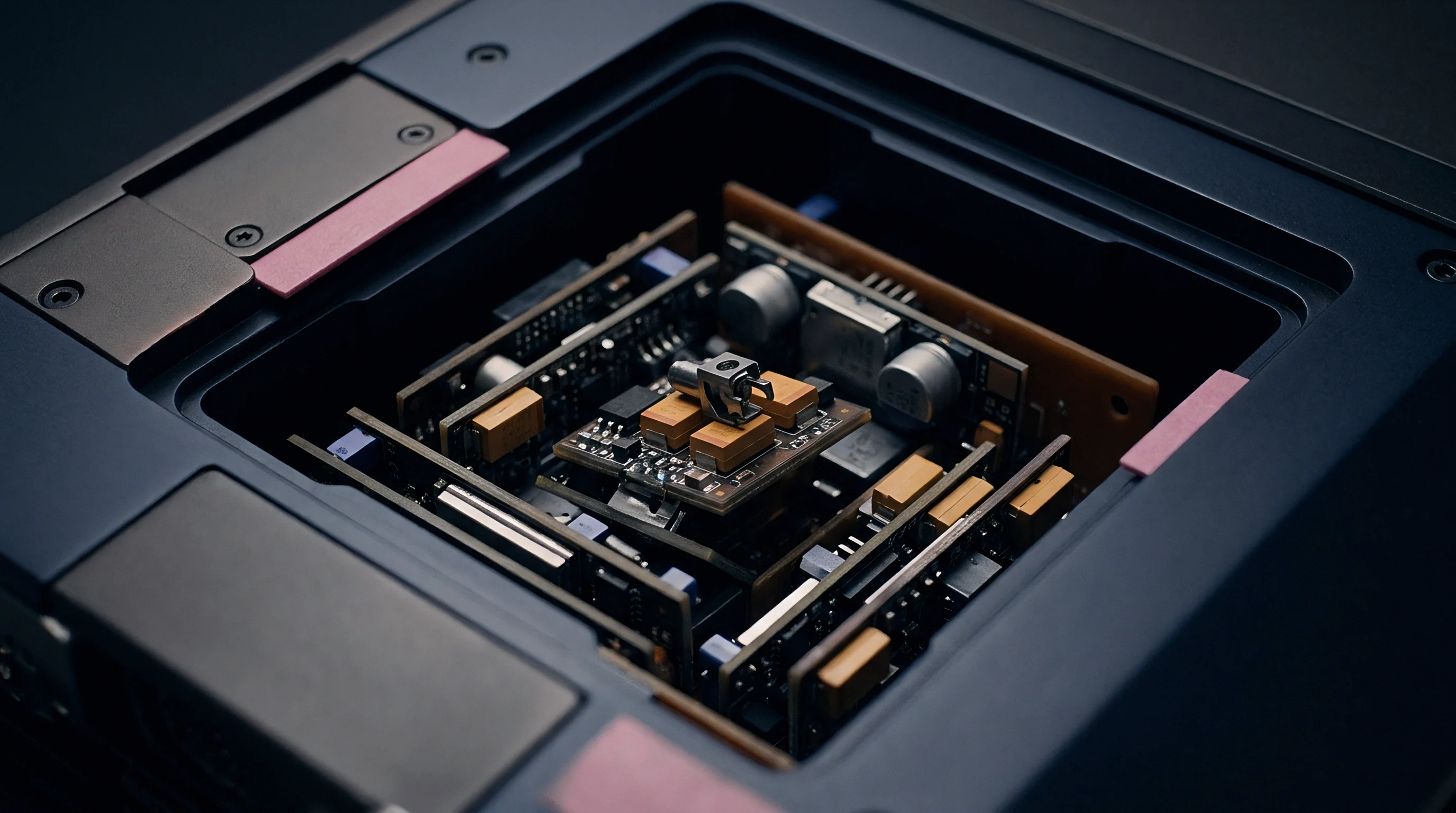
Removing cavity blocks from parent bolster plates requires unfastening core retainers and disconnecting manifold heating lines. Technicians must execute extraction procedures without damaging precision locating shoulders, polished optical surfaces, or micro-fluidic channel ribs.
Executing an insert recovery protocol on the factory floor follows an exact engineering sequence.
- Disconnect electrical power, hydraulic lines, and cooling fluid supplies from the injection press platen.
- Rig the complete mold assembly using overhead cranes to transfer the structure onto a level bench workstation.
- Unscrew side retaining gibs, lock plates, and top clamping straps securing the cavity blocks within the bolster pockets.
- Apply jack screws evenly into tapped extraction holes to push core blocks out of precision interference pockets.
- Fit padded wooden shields over polished optical cavity surfaces immediately following frame separation.
- Seal internal cooling channels with compressed air and install threaded brass plugs to stop residual fluid leakage.

Inspection Criteria for Tooling Extraction Audits
Dimensional metrology reports verify that extracted steel blocks have suffered no mechanical scoring or thermal distortion during demounting. Field inspection engineers verify the structural state of recovered components prior to approving final settlement fund releases from escrow accounts.
Extracting precision core inserts proves more cost effective than re-engineering non-standard mold bolsters at a replacement facility.
Deciding between physically extracting disputed inserts or commissioning fresh cavity blocks requires evaluating operational and technical variables.
- Unamortized Settlement Ratio ~ Commissioning local reproduction presents lower total financial risk when residual unamortized claims exceed 65 percent of new insert fabrication costs.
- Tool Steel Condition ~ Inserts exceeding 75 percent of rated SPI shot life warrant abandonment in favor of fresh core fabrication at a second source.
- Bolster Plate Compatibility ~ Complete mold extraction becomes mandatory when core inserts utilize proprietary interlocking geometry non-standardized across alternative contract manufacturing facilities.
- Freight Logistics Lead Time ~ Air freighting extracted inserts resolves line-down emergencies faster than the six-week lead time needed for CNC machining and heat-treating new tool steel blocks.
Systematic verification prevents bringing damaged or out-of-spec tooling blocks into a secondary contract manufacturing site.
| Mechanical Component | Inspection Parameter | Acceptance Tolerance | Failure Consequence |
|---|---|---|---|
| Locating Pins and Bushings | Concentricity and Surface Wear | Within 0.005 mm TIR | Flash along parting line and core misalignment |
| Core Block Retaining Shoes | Pocket Clearance and Parallelism | Within 0.010 mm | Movement during high-pressure injection stroke |
| Hot Runner Gate Interfaces | Orifice Thermal Deformation | Zero mechanical scoring | Resin drooling and cold slug inclusion in cavities |
| Ejector Pin Alignment Holes | Bore Diameter and Ovality | Within 0.008 mm deviation | Ejector pin binding and mechanical seizure |
Core inserts extracted without their matching ejector plates cost more to re-fit at a new facility than cutting fresh steel blocks from original CAD files.

Redemption
Settling financial liabilities on disputed contract manufacturing assets unlocks the transfer of physical production hardware. Resolving lien claims involves structured legal buyouts, escrow-backed asset exchanges, and fast-track qualification of transferred inserts at alternative production sites.
Commercial Buyout Formulas and Unamortized Asset Transfer
Depreciated asset valuation models calculate final settlement sums by subtracting documented shot wear from original non-recurring engineering invoices. Buying out unamortized core inserts requires executing a formal release agreement that transfers full physical custody and extinguishes all statutory retainage rights held by the factory or its sub-tier vendors.
Settlement agreements executed in cross-border disputes tie escrow payments directly to physical asset loading at the factory gate.
Commercial buyout agreements must incorporate verified technical documentation to guarantee successful bring-up at a secondary contract manufacturing facility.
Completing a tooling transfer requires securing specific physical and digital assets from the primary contract manufacturer:
- Native CAD Surface Files ~ Step or Parasolid 3D models representing exact as-built cavity dimensions, including shrinkage allowances and draft angles.
- Tooling Maintenance History Log ~ Certified shot count logs detailing preventive maintenance interventions, pin replacements, and cavity polishing history.
- Original Tool Steel Mill Certificates ~ Metallurgical inspection sheets confirming steel alloy composition, heat treatment hardness levels, and stress relief treatments.
- Process Molding Window Dossier ~ Approved injection pressure curves, melt temperatures, cooling cycle times, and clamp force parameters recorded during production runs.

Second Source Integration and Replacement Tooling Lead Times
Transferring extracted tool steel blocks to a new supplier requires verifying machine platen dimensions and runner balancing. Fitting recovered cores into a second-source bolster chassis demands precise machining of receiver pockets to match core mounting registers. Engineering teams must conduct mold-flow simulations and trial shots to re-establish quality approval baselines prior to commercial release.
The long-term commercial question remains whether legal remedies in foreign courts can reliably prevent factory detentions before asset extraction becomes physically necessary.