Meaning
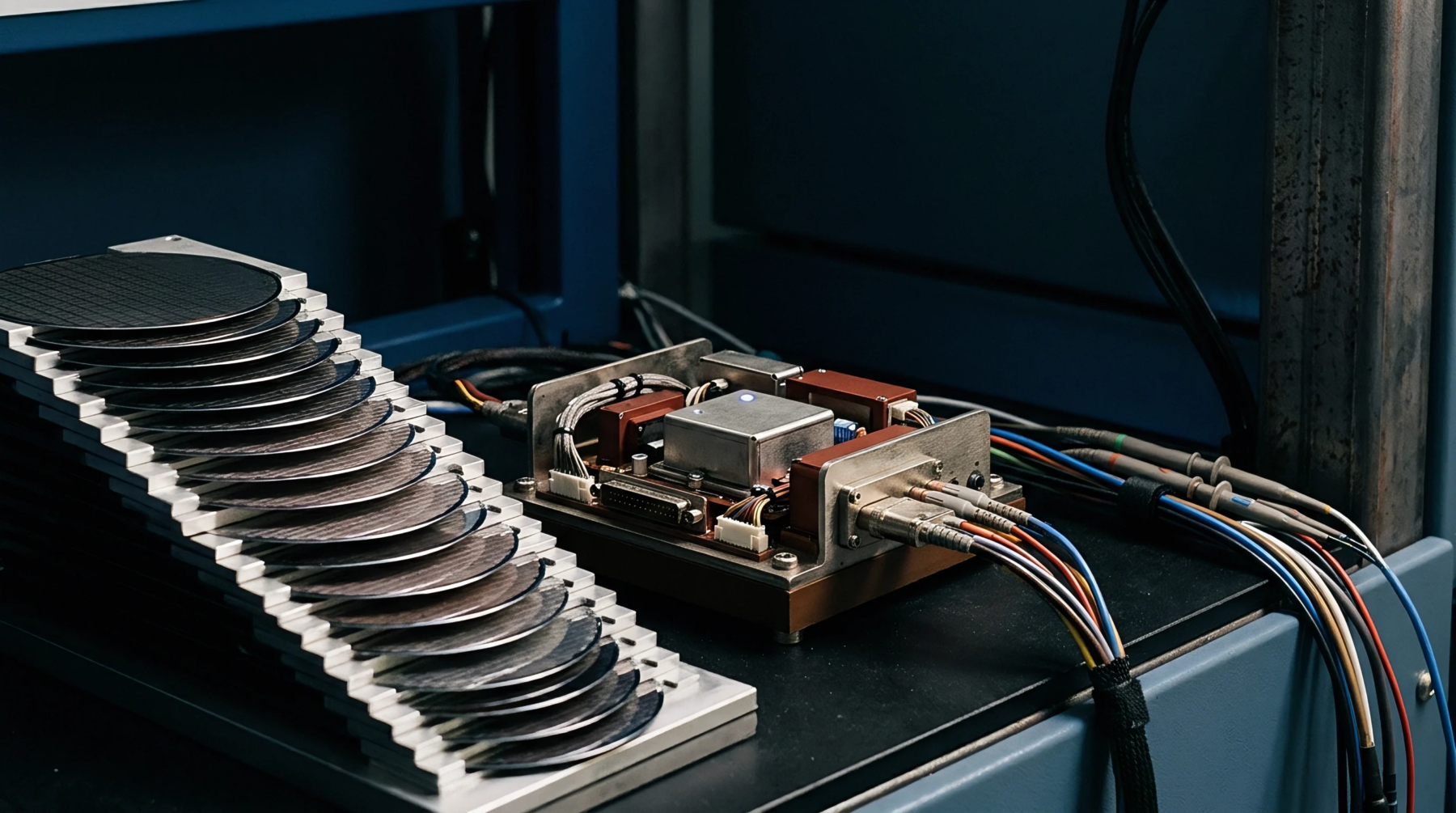
Systematic evaluation of a component or system takes place in a specialized facility equipped with precision measurement tools and shielded chambers. Laboratory testing ensures that every device meets its declared technical requirements before it enters the commercial market. This process identifies design flaws or manufacturing defects that might not appear during software simulation.
Test Procedure
Engineers follow a predefined sequence of stress tests and functional checks to characterize the behavior of the hardware. Thorough laboratory testing involves subjecting the unit to extreme temperatures and varying voltage levels while monitoring its output. These steps confirm that the product operates safely and reliably under all specified conditions.
Instrument Calibration
Measurement accuracy depends on the traceable certification of the signal generators and analyzers used during the session. Without precise tools, laboratory testing yields data that cannot be compared to industry standards or competitor benchmarks. Regular maintenance of the facility ensures that the results remain defensible during a regulatory audit.
Compliance Verification
Final reports generated from these sessions serve as the official record for certification bodies and customers. When laboratory testing is completed successfully, the product receives the necessary marks for global distribution. Consistent results across different batches prove the stability of the production line.